Indietro

Microbiology Study Guide: Foundations, Cell Biology, Chemistry, and Lab Techniques

Guida di studio - Impara con i video

Lezioni curate abbinate al materiale che hai caricato – impara ogni argomento passo dopo passo.

Introduction to Microbiology

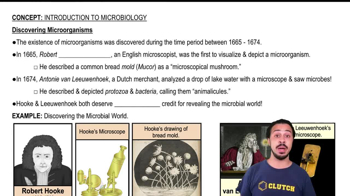
  • Discovering Microorganisms
    03:36
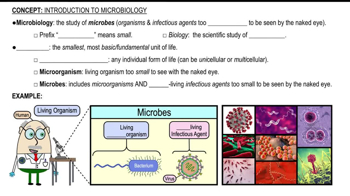
  • Introduction to Microbiology
    07:27
  • Introduction to Microbiology Channel
    1:29

Introduction to Spontaneous Generation

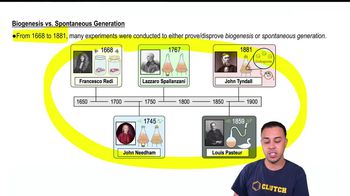
  • Biogenesis vs. Spontaneous Generation
    02:05
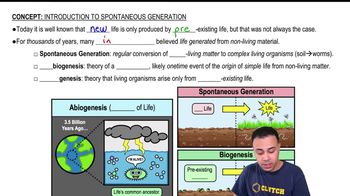
  • Introduction to Spontaneous Generation
    05:59

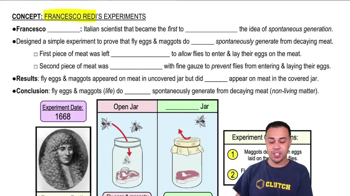
Francesco Redi's Experiments

  • Francesco Redi's Experiments
    05:16
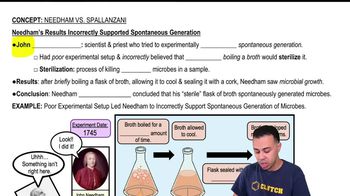
Needham vs. Spallanzani

  • Needham vs. Spallanzani
    05:56
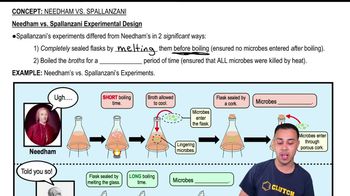
  • Needham vs. Spallanzani Experimental Design
    05:34
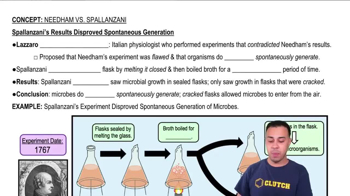
  • Spallanzani’s Results Disproved Spontaneous Generation
    07:22

Pasteur's Experiments on Spontaneous Generation

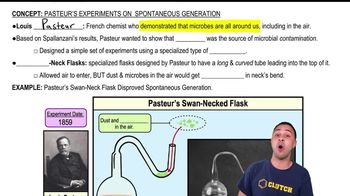
  • Pasteur's Experiments on Spontaneous Generation
    03:50
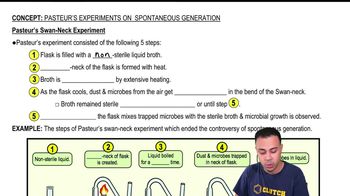
  • Pasteur’s Swan-Neck Experiment
    05:58

History of Spontaneous Generation Summarized

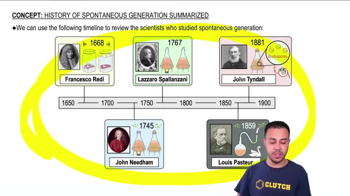
  • History of Spontaneous Generation Summarized
    03:56

Members of the Bacterial World

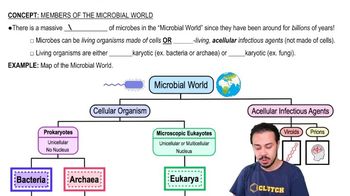
  • Members of the Bacterial World
    06:17

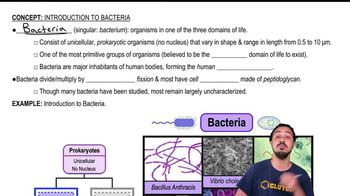
Introduction to Bacteria

  • Introduction to Bacteria
    06:18

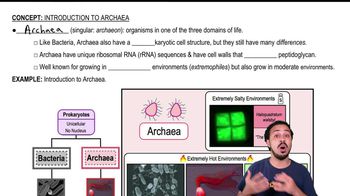
Introduction to Archaea

  • Introduction to Archaea
    04:39

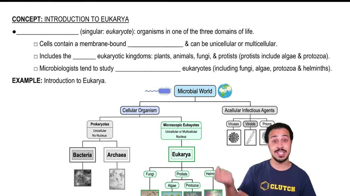
Introduction to Eukarya

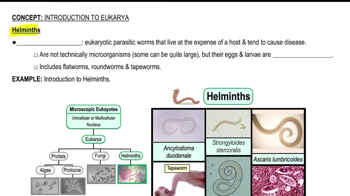
  • Helminths
    01:27
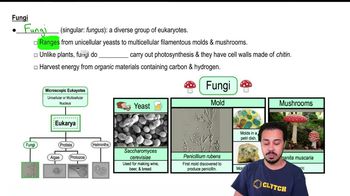
  • Fungi
    02:49
  • Introduction to Eukarya
    03:28

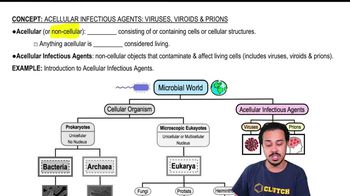
Acellular Infectious Agents: Viruses, Viroids & Prions

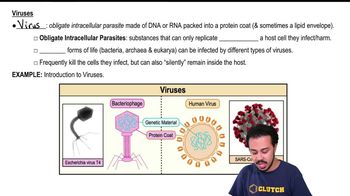
  • Viruses
    03:22
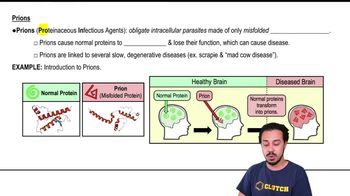
  • Prions
    02:48
  • Acellular Infectious Agents: Viruses, Viroids & Prions
    02:54

Introduction to Taxonomy

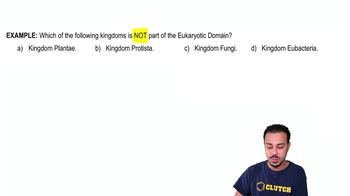
  • Introduction to Taxonomy Example 2
    01:37
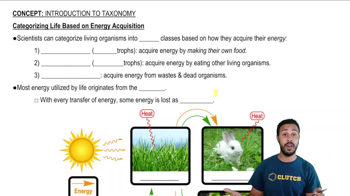
  • Categorizing Life Based on Energy Acquisition
    06:14
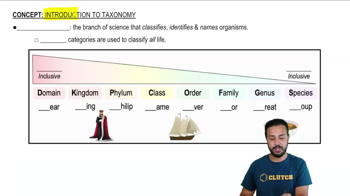
  • Introduction to Taxonomy
    02:23

Scientific Naming of Organisms

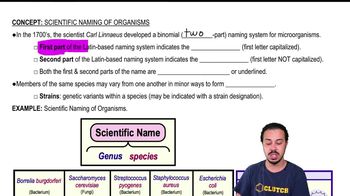
  • Scientific Naming of Organisms
    05:22

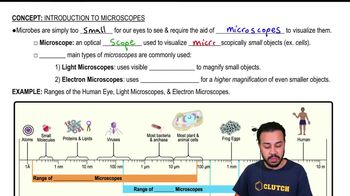
Introduction to Microscopes

  • Introduction to Microscopes
    06:13

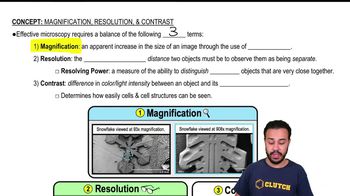
Magnification, Resolution, & Contrast

  • Magnification, Resolution, & Contrast
    07:29

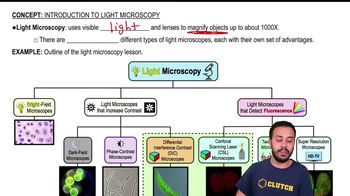
Introduction to Light Microscopy

  • Introduction to Light Microscopy
    02:53

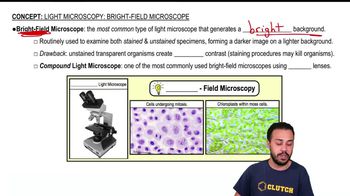
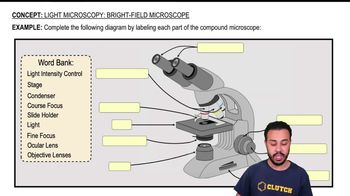
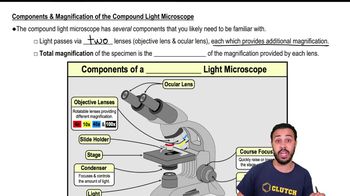
Light Microscopy: Bright-Field Microscopes

  • Light Microscopy: Bright-Field Microscopes
    03:46
  • Light Microscopy: Bright-Field Microscopes Example 1
    03:41
  • Components & Magnification of the Compound Light Microscope
    06:15

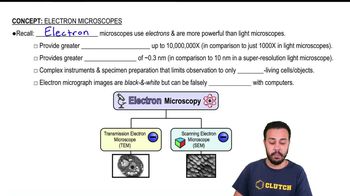
Electron Microscopes

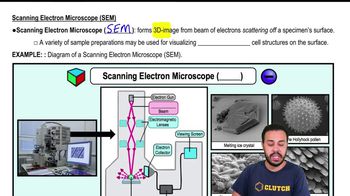
  • Scanning Electron Microscope (SEM)
    02:42
  • Electron Microscopes
    03:08
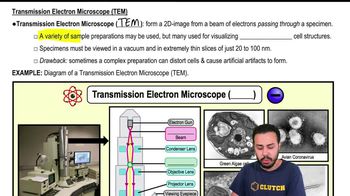
  • Transmission Electron Microscope (TEM)
    04:23

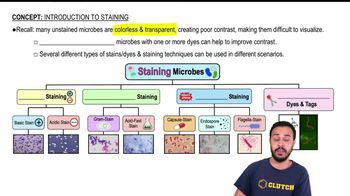
Introduction to Staining

  • Introduction to Staining
    02:10

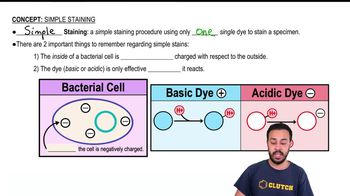
Simple Staining

  • Simple Staining
    03:23
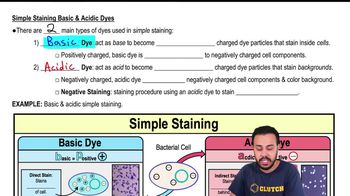
  • Simple Staining Basic & Acidic Dyes
    05:30

Differential Staining

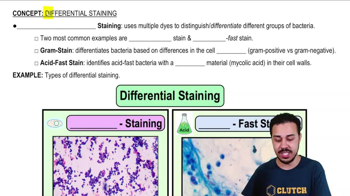
  • Differential Staining
    04:07

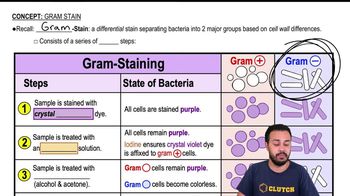
Gram Stain

  • Gram Stain
    04:57

Importance of Microorganisms

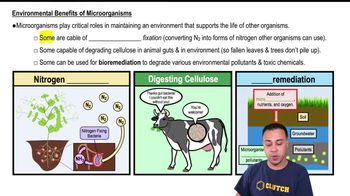
  • Environmental Benefits of Microorganisms
    04:27
  • Importance of Microorganisms
    01:25
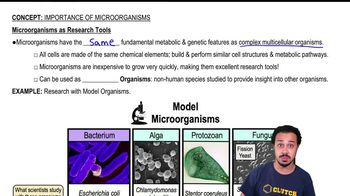
  • Microorganisms as Research Tools
    03:48

Symbiotic Relationships

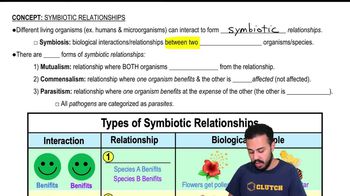
  • Symbiotic Relationships
    05:59

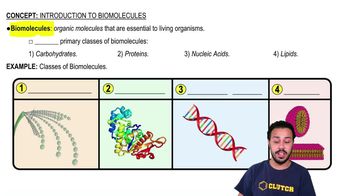
Introduction to Biomolecules

  • Introduction to Biomolecules
    01:17
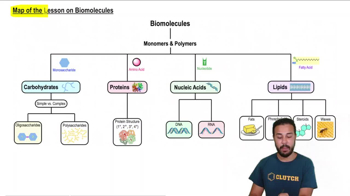
  • Map of the Lesson on Biomolecules
    01:29

Monomers & Polymers

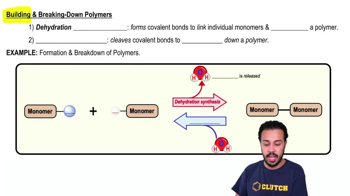
  • Building & Breaking-Down Polymers
    04:18
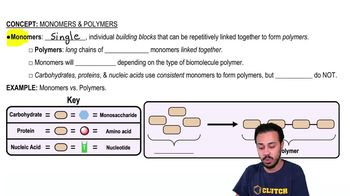
  • Monomers & Polymers
    03:42

Carbohydrates

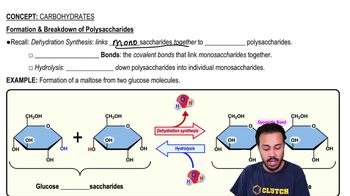
  • Formation & Breakdown of Polysaccharides
    03:08
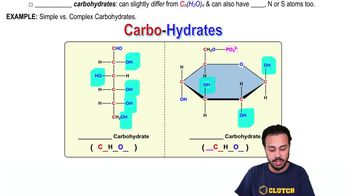
  • Carbohydrates
    04:53
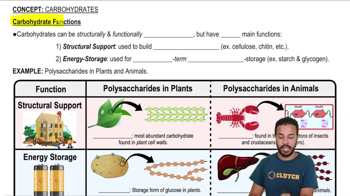
  • Carbohydrate Functions
    04:48

Proteins

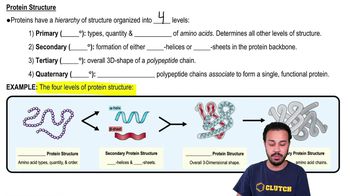
  • Protein Structure
    08:02
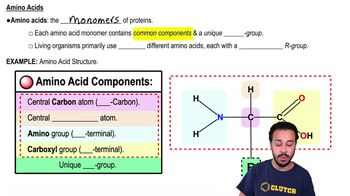
  • Amino Acids
    04:37
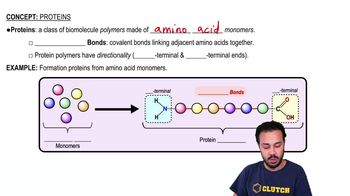
  • Proteins
    02:50

Nucleic Acids

  • Nucleic Acids Example 2
    01:05
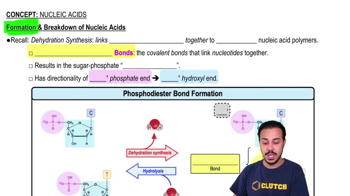
  • Formation & Breakdown of Nucleic Acids
    04:07
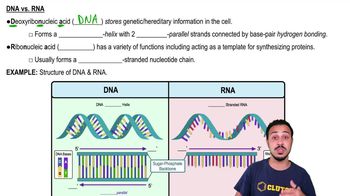
  • DNA vs. RNA
    05:57

Lipids

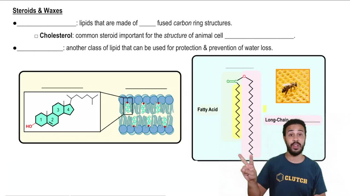
  • Steroids & Waxes
    03:31
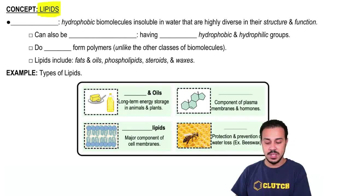
  • Lipids
    04:19
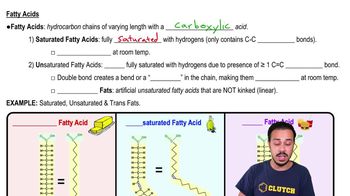
  • Fatty Acids
    06:59

Introduction to Chemical Bonding

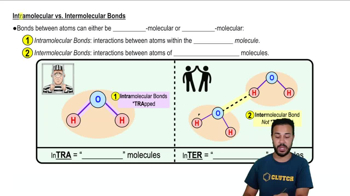
  • Intramolecular vs. Intermolecular Bonds
    04:01
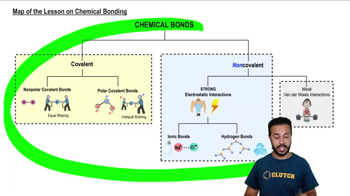
  • Map of the Lesson on Chemical Bonding
    02:42
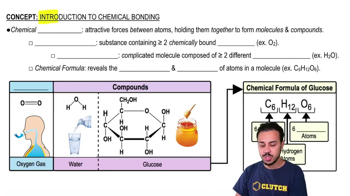
  • Introduction to Chemical Bonding
    06:53

Covalent Bonds

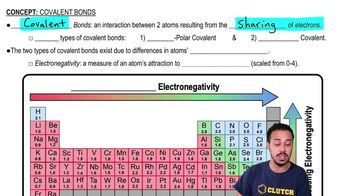
  • Covalent Bonds
    04:28
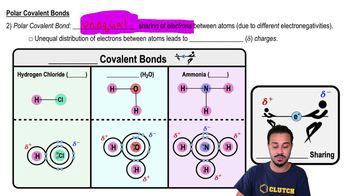
  • Polar Covalent Bonds
    06:51
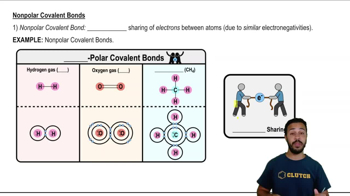
  • Nonpolar Covalent Bonds
    06:41

Ionic Bonding

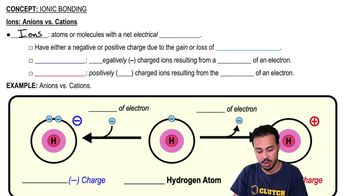
  • Ionic Bonding
    04:34
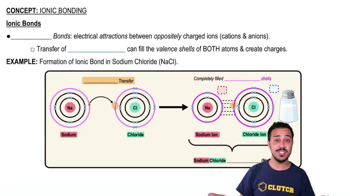
  • Ionic Bonds
    06:07

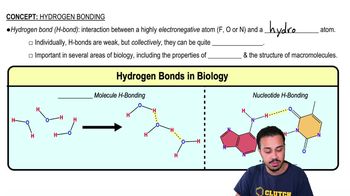
Hydrogen Bonding

  • Hydrogen Bonding
    05:03

Acids and Bases

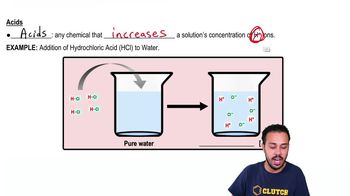
  • Acids
    03:44
  • Acids and Bases
    01:29
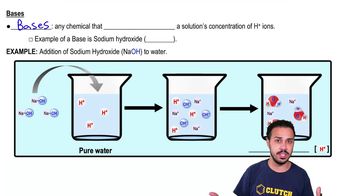
  • Bases
    03:48

pH Scale

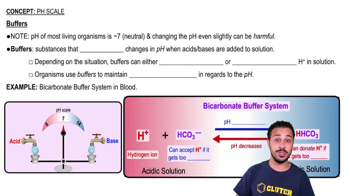
  • Buffers
    05:38
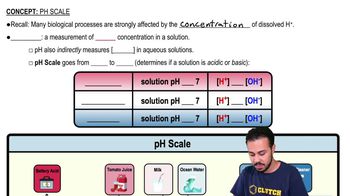
  • pH Scale
    11:05

Introduction to Bacteria

  • Introduction to Bacteria
    06:18

Scientific Naming of Organisms

  • Scientific Naming of Organisms
    05:22

Binary Fission

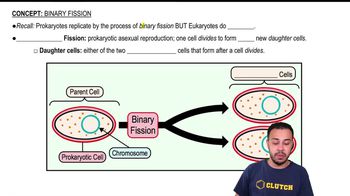
  • Binary Fission
    02:16
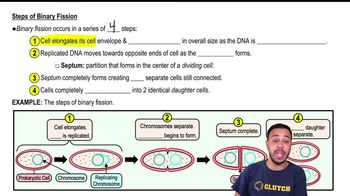
  • Steps of Binary Fission
    04:57

Bacterial Cell Morphology & Arrangements

  • Types of Bacterial Cell Morphology
    02:44
  • Bacterial Cell Morphology & Arrangements
    01:13
  • Bacilli Bacterial Cell Arrangements
    03:56

Overview of Prokaryotic Cell Structure

  • Overview of Prokaryotic Cell Structure
    05:59

Introduction to Bacterial Cell Walls

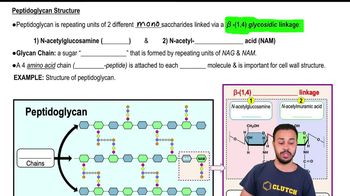
  • Peptidoglycan
    01:58
  • Types of Bacterial Cell Walls
    02:44
  • Peptidoglycan Structure
    04:44

Gram-Positive Cell Walls

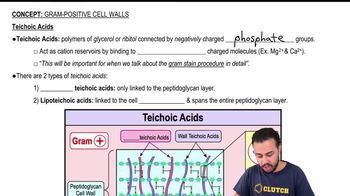
  • Teichoic Acids
    03:58
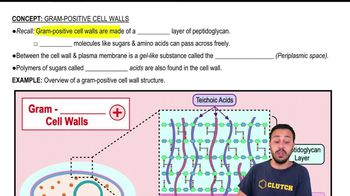
  • Gram-Positive Cell Walls
    02:59

Gram-Negative Cell Walls

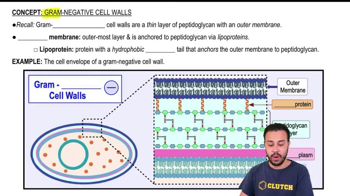
  • Gram-Negative Cell Walls
    3:04
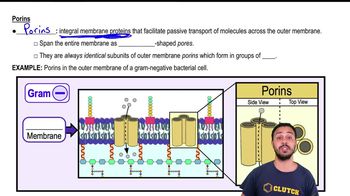
  • Porins
    02:18
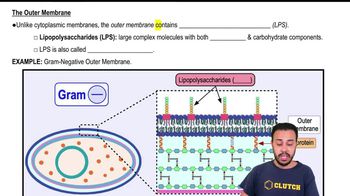
  • The Outer Membrane
    02:15

Gram-Positive vs. Gram-Negative Cell Walls

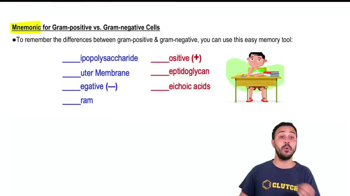
  • Mnemonic for Gram-Positive vs. Gram-Negative Cell Walls
    01:41
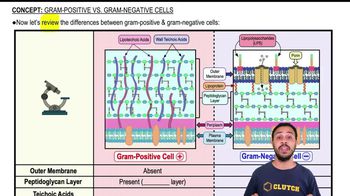
  • Gram-Positive vs. Gram-Negative Cell Walls
    04:46

The Glycocalyx: Capsules & Slime Layers

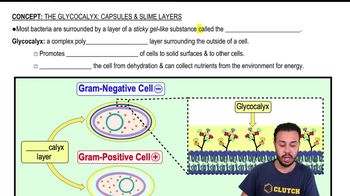
  • The Glycocalyx: Capsules & Slime Layers
    02:26
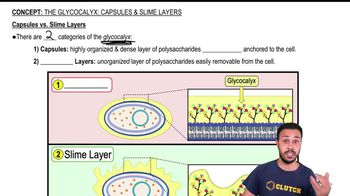
  • Capsules vs. Slime Layers
    01:53

Introduction to Biofilms

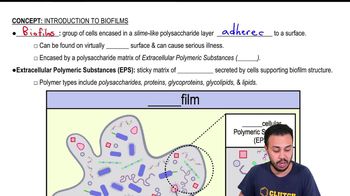
  • Introduction to Biofilms
    03:31

Pili

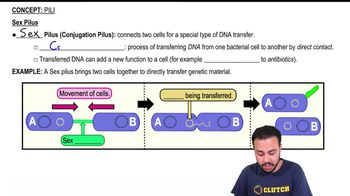
  • Sex Pilus
    03:29
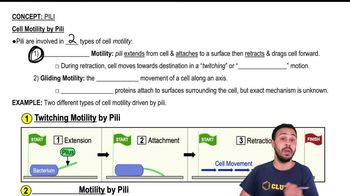
  • Cell Motility by Pili
    02:59
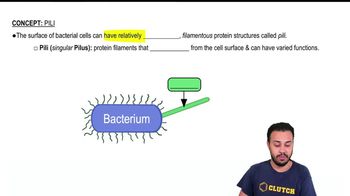
  • Pili
    01:02

Fimbriae & Hami

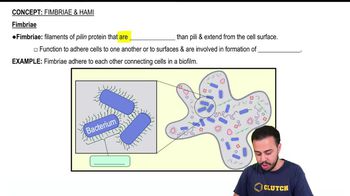
  • Fimbriae & Hami
    01:52
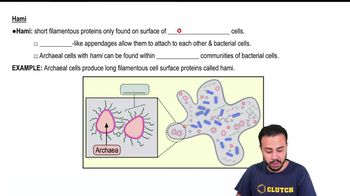
  • Hami
    01:51

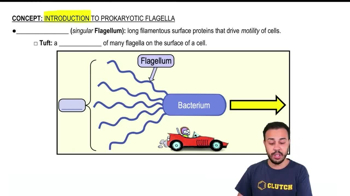
Introduction to Prokaryotic Flagella

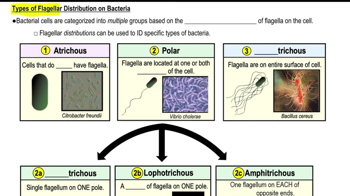
  • Types of Flagellar Distribution on Bacteria
    05:22
  • Introduction to Prokaryotic Flagella
    02:07

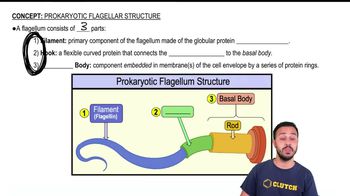
Prokaryotic Flagellar Structure

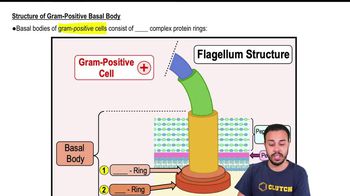
  • Structure of Gram-Positive Basal Body
    02:28
  • Prokaryotic Flagellar Structure
    02:53
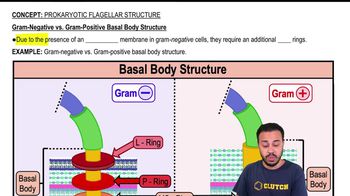
  • Gram-Negative vs. Gram-Positive Basal Body Structure
    01:59

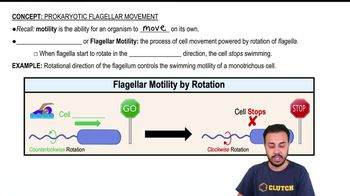
Prokaryotic Flagellar Movement

  • Prokaryotic Flagellar Movement
    02:43
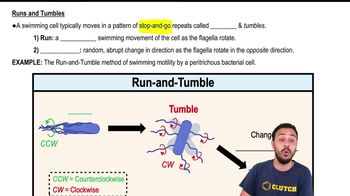
  • Runs and Tumbles
    03:17

Proton Motive Force Drives Flagellar Motility

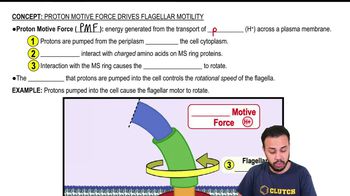
  • Proton Motive Force Drives Flagellar Motility
    04:17

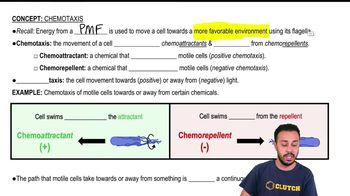
Chemotaxis

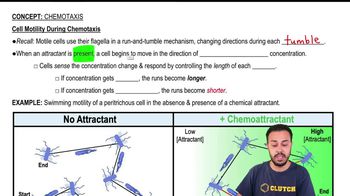
  • Cell Motility During Chemotaxis
    05:11
  • Chemotaxis
    03:21

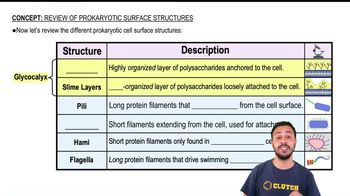
Review of Prokaryotic Surface Structures

  • Review of Prokaryotic Surface Structures
    03:52
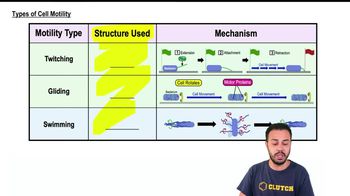
  • Types of Cell Motility
    02:13

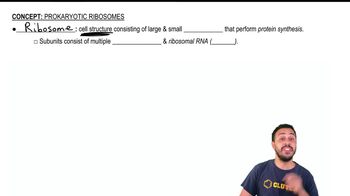
Prokaryotic Ribosomes

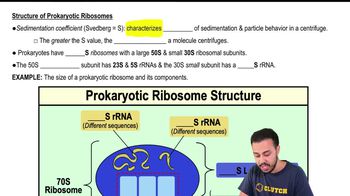
  • Prokaryotic Ribosomes
    01:51
  • Structure of Prokaryotic Ribosomes
    08:39

Introduction to Bacterial Plasmids

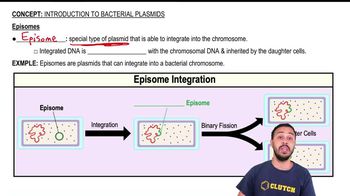
  • Episomes
    01:47
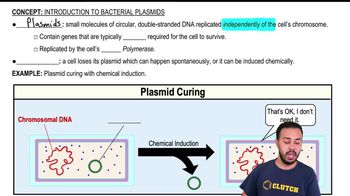
  • Introduction to Bacterial Plasmids
    02:52

Cell Inclusions

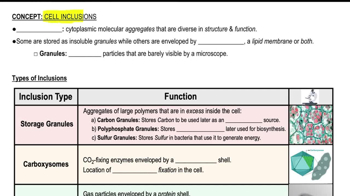
  • Cell Inclusions
    05:20

Endospores

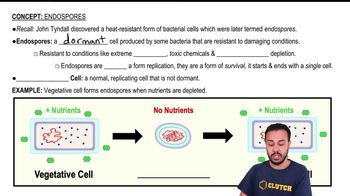
  • Endospores
    05:35
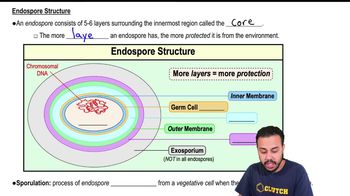
  • Endospore Structure
    03:08

Sporulation

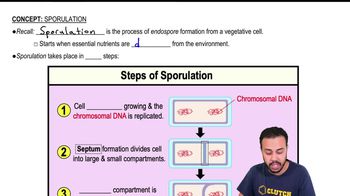
  • Sporulation
    04:08

Germination

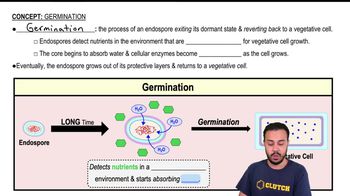
  • Germination
    02:59

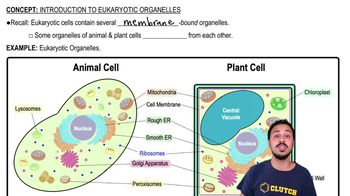
Introduction to Eukaryotic Organelles

  • Introduction to Eukaryotic Organelles
    03:45
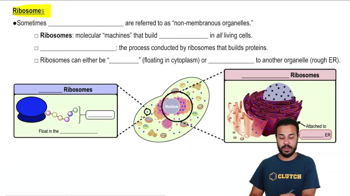
  • Eukaryotic Ribosomes
    05:51
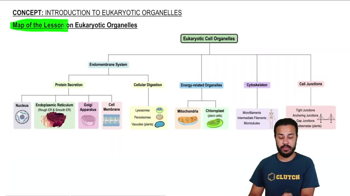
  • Map of the Lesson on Eukaryotic Organelles
    02:04

Endomembrane System: Protein Secretion

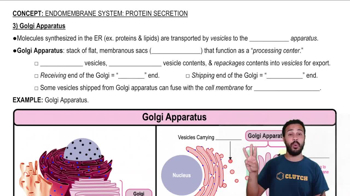
  • Golgi Apparatus
    06:02
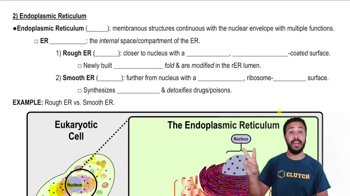
  • Endoplasmic Reticulum
    06:07
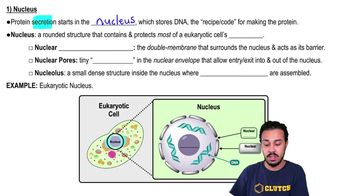
  • Nucleus
    06:32

Endomembrane System: Digestive Organelles

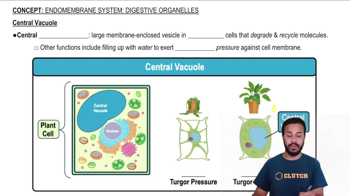
  • Central Vacuole
    03:35
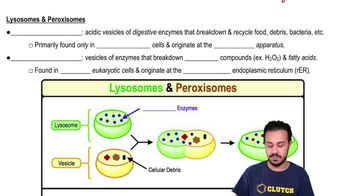
  • Lysosome & Peroxisome
    05:38

Mitochondria & Chloroplasts

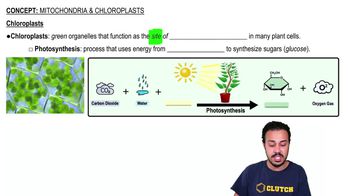
  • Chloroplasts
    03:16
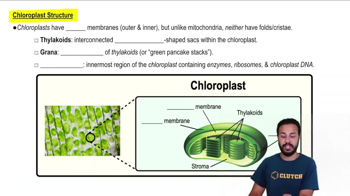
  • Chloroplast Structure
    03:49
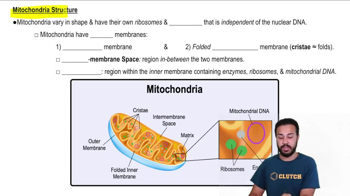
  • Mitochondria Structure
    04:45

Endosymbiotic Theory

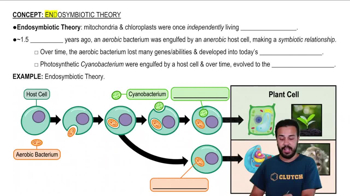
  • Endosymbiotic Theory
    07:29

Introduction to Membrane Transport

  • Map of the Lesson on Membrane Transport
    02:26
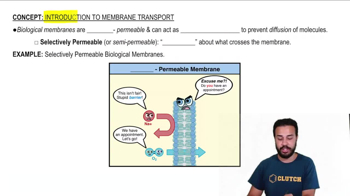
  • Introduction to Membrane Transport
    03:00
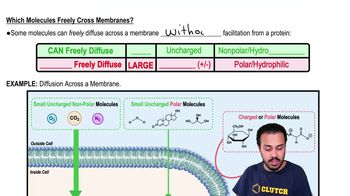
  • Which Molecules Freely Cross Membranes?
    05:31

Osmosis

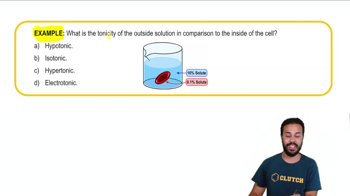
  • Osmosis Example 1
    02:18
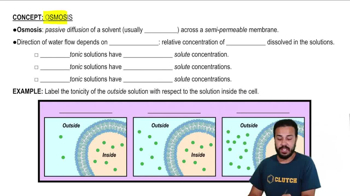
  • Osmosis
    05:59
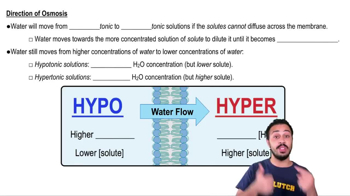
  • Direction of Osmosis
    06:48