Indietro

Microbiology Study Notes: Viruses, Microbial Growth, Control, and Host–Microbe Interactions

Guida di studio - Impara con i video

Lezioni curate abbinate al materiale che hai caricato – impara ogni argomento passo dopo passo.

Influenza

  • Percorso guidato
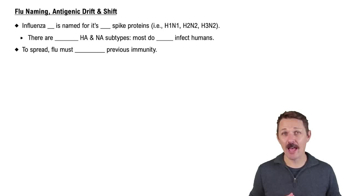
    Flu Naming, Antigenic Drift & Shift
    05:21
  • Percorso guidato
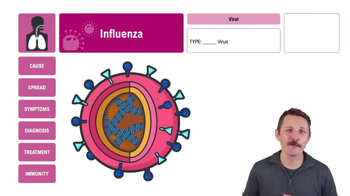
    Influenza
    06:35
  • Percorso guidato
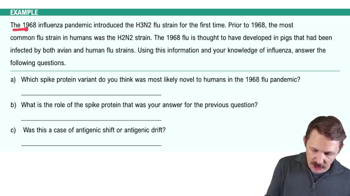
    Influenza Example 1
    03:23

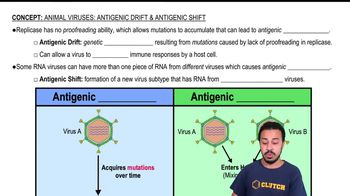
Animal Viruses: Antigenic Drift vs. Antigenic Shift

  • Animal Viruses: Antigenic Drift vs. Antigenic Shift
    05:27

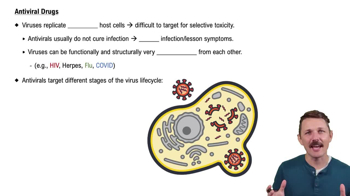
Antiviral Drugs

  • Percorso guidato
    Antiviral Drugs
    07:25

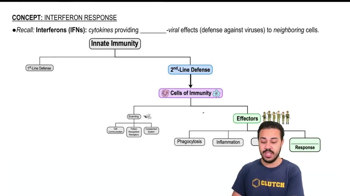
Interferon Response

  • Interferon Response
    01:32
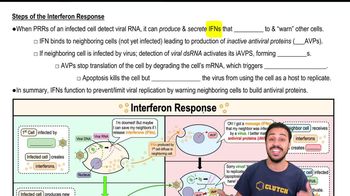
  • Steps of the Interferon Response
    09:59

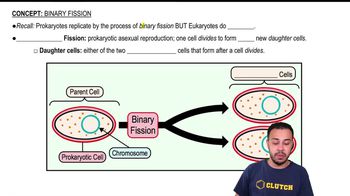
Binary Fission

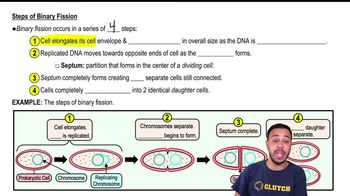
  • Binary Fission
    02:16
  • Steps of Binary Fission
    04:57

Generation Times

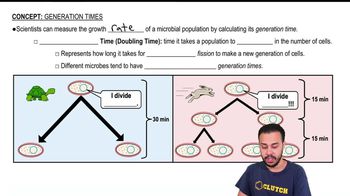
  • Calculating Generation Times
    05:48
  • Generation Times
    02:54

Microbial Growth Curves in a Closed System

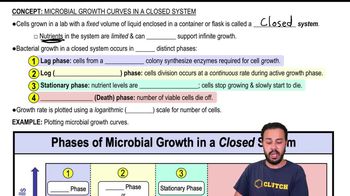
  • Microbial Growth Curves in a Closed System
    08:59
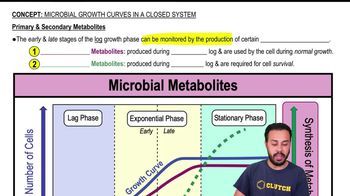
  • Primary & Secondary Metabolites
    02:33

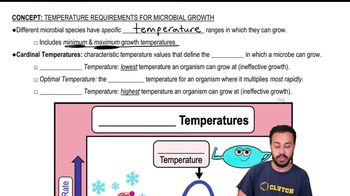
Temperature Requirements for Microbial Growth

  • Temperature Requirements for Microbial Growth
    04:16
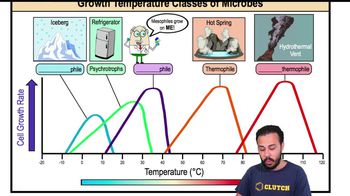
  • Classification of Microbes by Growth Temperature
    04:56
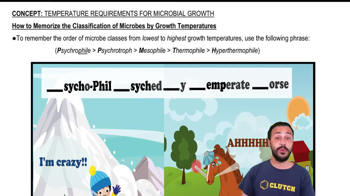
  • How to Memorize the Classification of Microbes by Growth Temperatures
    01:59

pH Requirements for Microbial Growth

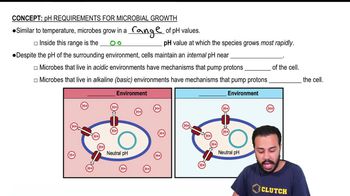
  • pH Requirements for Microbial Growth
    03:11
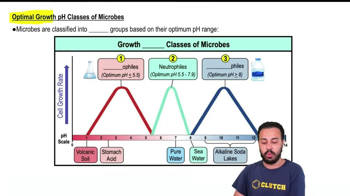
  • Optimal Growth pH Classes of Microbes
    03:23

Oxygen Requirements for Microbial Growth

  • Reactive Oxygen Species
    04:43
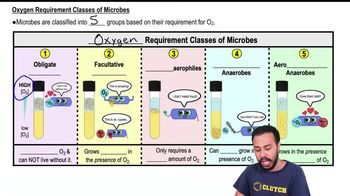
  • Oxygen Requirement Classes of Microbes
    07:27
  • Oxygen Requirements for Microbial Growth
    03:52

Introduction to Controlling Microbial Growth

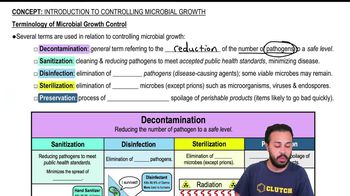
  • Terminology of Microbial Growth Control
    07:36
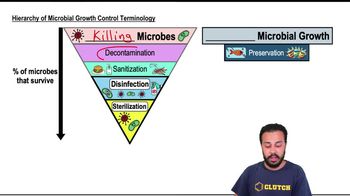
  • Hierarchy of Microbial Growth Control Terminology
    03:09
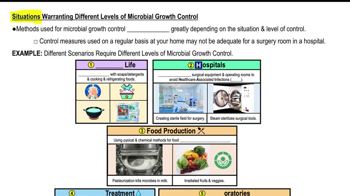
  • Situations Warranting Different Levels of Microbial Growth Control
    05:58

Physical Methods to Control Microbial Growth

  • Dry Heat
    02:58
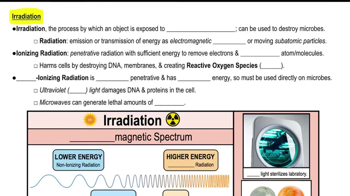
  • Irradiation
    06:18
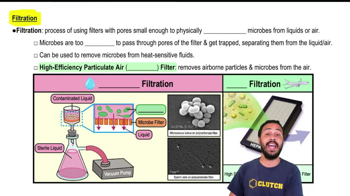
  • Filtration
    04:29

Chemical Methods to Control Microbial Growth

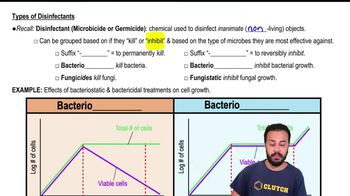
  • Types of Disinfectants
    05:21
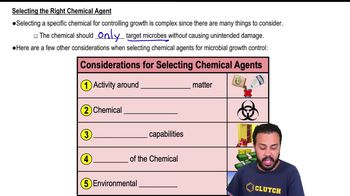
  • Selecting the Right Chemical Agent
    04:52
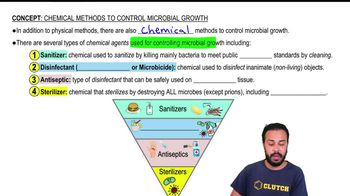
  • Chemical Methods to Control Microbial Growth
    03:58

Importance of Microorganisms

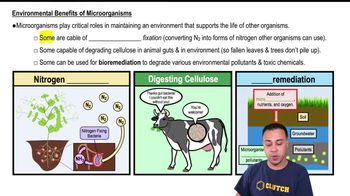
  • Environmental Benefits of Microorganisms
    04:27
  • Importance of Microorganisms
    01:25
  • Microorganisms as Research Tools
    03:48

Symbiotic Relationships

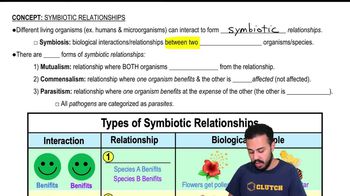
  • Symbiotic Relationships
    05:59

The Human Microbiome

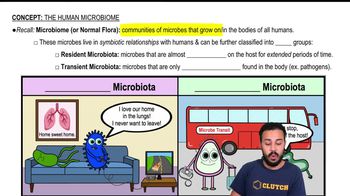
  • The Human Microbiome
    03:25
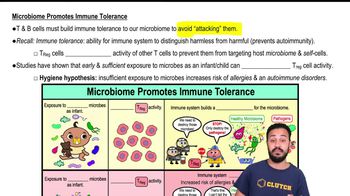
  • Microbiome Promotes Immune Tolerance
    05:48
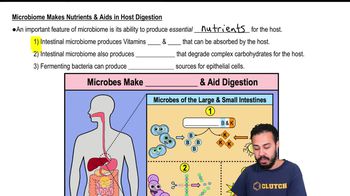
  • Microbiome Makes Nutrients & Aids in Host Digestion
    03:26

Characteristics of Infectious Disease

  • Primary vs. Secondary Infections
    04:16
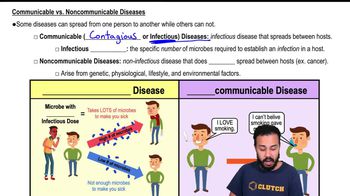
  • Communicable vs. Noncommunicable Diseases
    04:57
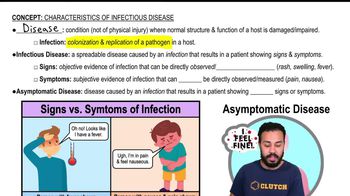
  • Intro to Characteristics of Infectious Disease
    05:09

Introduction to Epidemiology

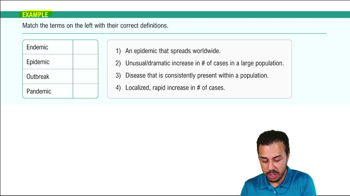
  • Introduction to Epidemiology Example 1
    01:48
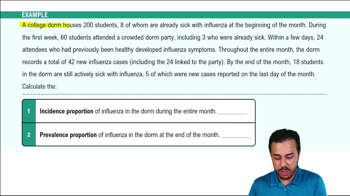
  • Introduction to Epidemiology Example 2
    05:15
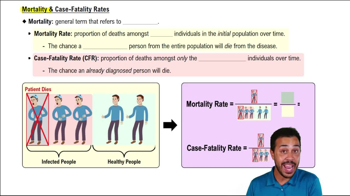
  • Mortality & Case-Fatality Rates
    02:28