 Indietro
Physical and Chemical Controls of Microorganisms: Microbiology Study Guide
Guida di studio - Note intelligenti
 Appunti personalizzati basati sui tuoi materiali, ampliati con definizioni chiave, esempi e contesto.
Physical and Chemical Controls of Microorganisms
Overview and Learning Objectives
This chapter explores the principles and practices used to control microbial growth in the environment and on surfaces. Students will learn about aseptic procedures, terminology, mechanisms of action (MOAs), microbial death, and both physical and chemical methods of microbial control.
Aseptic procedures: Techniques to prevent contamination by microorganisms.
Microbial control: Methods to reduce or eliminate microorganisms to prevent infection and spoilage.
Terminology of Microbial Control
Key Terms and Definitions
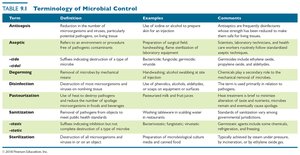
Understanding the terminology is essential for discussing microbial control methods. The following table summarizes important terms:
Term | Definition | Examples | Comments |
|---|---|---|---|
Antisepsis | Reduction in the number of microorganisms on living tissue | Iodine, alcohol | Used for skin and mucous membranes |
Aseptic | Refers to an environment or procedure free of pathogens | Preparation of surgical field | Used in medical and laboratory settings |
Degerming | Surface cleaning to remove microbes | Handwashing, alcohol swabbing | Physical removal, not necessarily killing |
Disinfection | Use of agents to destroy most microorganisms on non-living surfaces | Phenolics, alcohols | Does not kill all microbes (e.g., endospores) |
Pasteurization | Heat treatment to kill pathogens and reduce spoilage microbes | Pasteurized milk, fruit juices | Does not sterilize |
Sanitization | Reduction of microbial load to safe levels | Washing utensils, public restrooms | Used in food and public health |
Sterilization | Destruction of all microorganisms and viruses on an object | Preparation of culture media | Typically achieved by steam under pressure or strong chemicals |
Primary Targets and Resistance of Microbial Control
Microbial Resistance Hierarchy
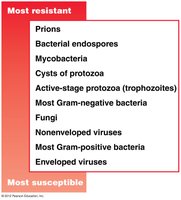
Microbial control methods target organisms that cause infection or spoilage. The effectiveness of these methods depends on the resistance of the microorganism.
Most resistant: Prions, bacterial endospores, mycobacteria
Least resistant: Enveloped viruses, most Gram-positive bacteria
Factors Affecting Microbial Control
Environmental and Microbial Factors
The effectiveness of antimicrobial treatments depends on several factors:
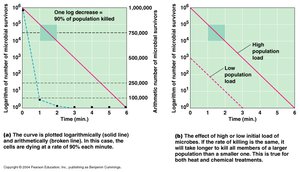
Number of microbes: Higher populations require longer treatment.
Environment: Presence of organic matter, temperature, concentration, and biofilms can affect efficacy.
Time of exposure: Longer exposure increases effectiveness.
Microbial characteristics: Cell wall structure, resistance mechanisms, and presence of protective layers (e.g., glycocalyx).
Modes of Action of Antimicrobial Agents
How Agents Affect Microbial Cells
Antimicrobial agents work by targeting essential structures and functions in microbial cells:
Cell wall: Blocking synthesis, digesting, or breaking down the wall leads to cell lysis.
Cell membrane: Disruption causes loss of integrity and cell death.
Protein and nucleic acid synthesis: Binding to ribosomes or DNA prevents transcription and translation; mutagenic agents cause mutations.
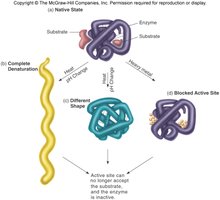
Protein denaturation: Changes in shape or blocking active sites render enzymes inactive.
Physical Methods of Microbial Control
Heat Methods
Heat is a widely used method for microbial control, including both dry and moist heat techniques.
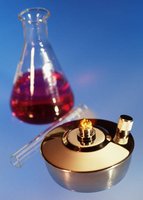
Dry heat: Kills by oxidation (flaming, incineration, hot-air sterilization).
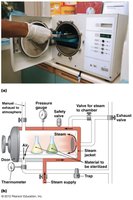
Moist heat: Includes pasteurization, boiling, and steam under pressure (autoclaving).
Autoclave: Most efficient pressure-temperature combination for sterilization is 15 psi yielding 121°C.
Pasteurization
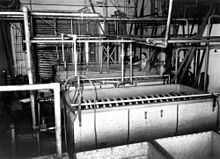
Pasteurization is used to disinfect beverages by applying heat to kill pathogens and spoilage organisms while preserving flavor and nutritional value.
Flash method: 71.6°C for 15 seconds
Batch method: 63–66°C for 30 minutes
Ultra-high-temperature: 140°C for less than 1 second
Limitations: Does not kill prions, endospores, or thermoduric microbes
Radiation Methods
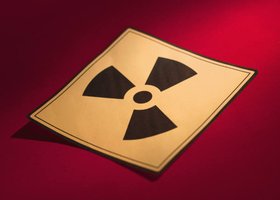
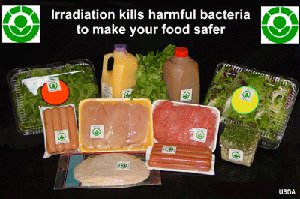
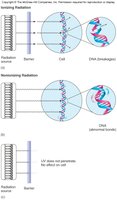
Radiation is used to kill microbes by damaging their DNA or cellular components.
Ionizing radiation: Gamma rays, X-rays, electron beams; cause DNA mutations and are used for sterilizing pharmaceuticals and medical supplies.
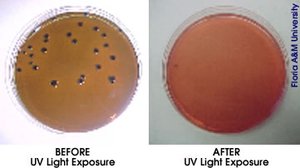
Nonionizing radiation (UV): Causes thymine dimers in DNA, used for disinfecting surfaces and air.
Microwave radiation: Kills by heating water molecules; less effective for dry materials and endospores.
Filtration Methods
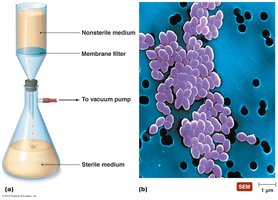
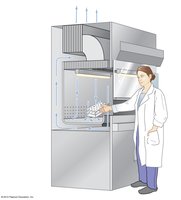
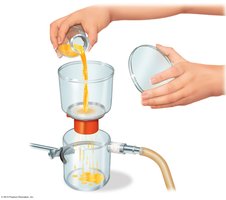
Filtration physically removes microbes from air and liquids by passing them through filters with defined pore sizes.
HEPA filters: Remove microbes larger than 0.3 µm from air.
Membrane filtration: Removes microbes larger than 0.22 µm from liquids.
Applications: Used for heat-sensitive liquids, water purification, and air decontamination.
Other Physical Methods
Additional physical methods include:
Low temperature: Inhibits microbial growth (refrigeration, deep-freezing, lyophilization).
High pressure: Denatures proteins.
Desiccation: Prevents metabolism by removing water.
Osmotic pressure: Causes plasmolysis by drawing water out of cells.
Chemical Methods of Microbial Control
Choosing a Microbicidal Chemical
Effective chemicals for microbial control should act rapidly, be stable, have broad-spectrum activity, penetrate surfaces, resist inactivation, and be affordable and safe.
Types of Chemical Agents
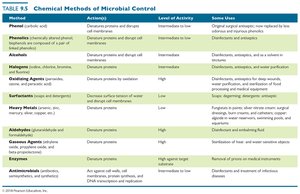
The following table summarizes common chemical methods:
Method | Action(s) | Level of Activity | Some Uses |
|---|---|---|---|
Phenol | Denatures proteins, disrupts cell membranes | Intermediate to low | Antiseptics, disinfectants |
Phenolics | Denatures proteins, disrupts cell membranes | Intermediate to low | Disinfectants, antiseptics |
Alcohols | Denatures proteins, disrupts cell membranes | Intermediate | Disinfectants, antiseptics |
Halogens | Denatures proteins | Intermediate | Disinfectants, water purification |
Oxidizing agents | Denatures proteins, disrupts cell membranes | High | Disinfectants, antiseptics |
Surfactants | Reduce surface tension of water | Low | Soaps, detergents |
Heavy metals | Denature proteins | Low | Fungicides, algicides |
Aldehydes | Denature proteins | High | Disinfectants, embalming |
Gaseous agents | Denature proteins | High | Sterilization of heat-sensitive items |
Enzymes | High target range | High | Removal of prions, food industry |
Antimicrobials | Act against cell walls, membranes, DNA synthesis | Varies | Treatment of infectious diseases |
Phenols and Phenolics
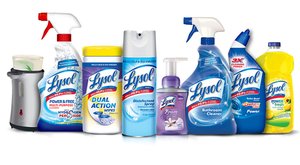
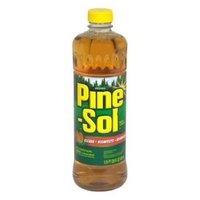
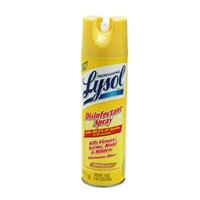
Phenol (carbolic acid) and its derivatives are used as disinfectants and antiseptics. They denature proteins and disrupt cell membranes, but are less commonly used today due to toxicity and odor.
Examples: Cresols (Lysol), biphenols (pHisoHex), O-phenylphenol, pine oil
Advantages: Stable, persistent, active in presence of organic compounds
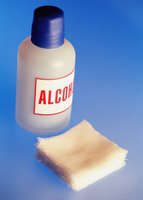
Alcohols
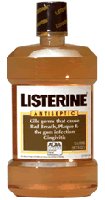
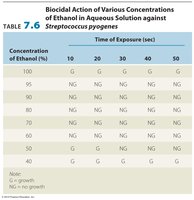
Alcohols are effective disinfectants and antiseptics, acting by denaturing proteins and disrupting membranes. Ethanol and isopropanol are commonly used.
Optimum concentration: 70% for maximum effectiveness
Applications: Skin antisepsis, instrument disinfection
Halogens
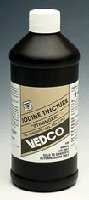
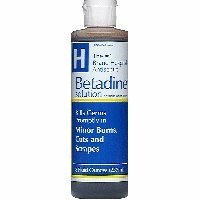
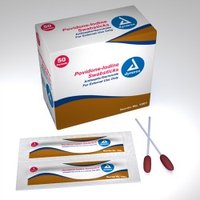
Halogens such as iodine and chlorine are widely used for disinfection and antisepsis.
Iodine: Used in tinctures and iodophors; denatures proteins by breaking disulfide bonds.
Chlorine: Forms hypochlorous acid in water; used for water, pool, and sewage disinfection.
Biguanides
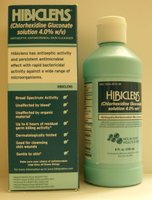
Chlorhexidine is a biguanide used for skin antisepsis and surgical scrubs. It targets cell membranes and protein structure, is bactericidal for both Gram-positive and Gram-negative bacteria, and is inactive against spores.
Peroxygens (Oxidizing Agents)
Peroxygens such as ozone and hydrogen peroxide oxidize cellular components and disrupt membranes and proteins.
Ozone: Used for water disinfection, more effective than chlorine but less stable.
Hydrogen peroxide: Used as antiseptic and disinfectant; sporicidal at high temperatures.
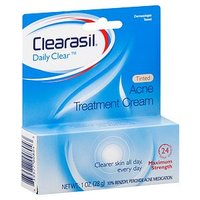
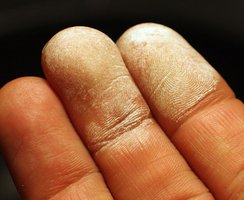
Benzoyl peroxide: Used in acne medications.
Surfactants (Detergents)
Surfactants reduce surface tension and aid in the removal of microbes. Cationic detergents are more effective than anionic detergents.
Soaps: Weak microbicides, enhanced when combined with other agents.
Heavy Metals
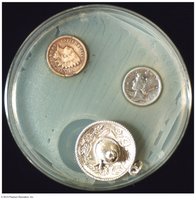
Heavy metals such as silver, mercury, and copper denature proteins and are effective in small amounts (oligodynamic action).
Silver nitrate: Used to prevent eye infections in infants.
Mercury compounds: Used for skin wound disinfection.
Copper sulfate: Used to kill algae in pools and tanks.
Aldehydes
Aldehydes such as formaldehyde and glutaraldehyde are highly effective disinfectants that inactivate proteins by forming covalent crosslinks.
Formalin: Used for specimen preservation and vaccine inactivation.
Glutaraldehyde: Used for disinfecting hospital instruments; sporicidal at high concentrations.
Gaseous Sterilants
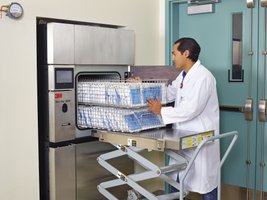
Gaseous agents such as ethylene oxide denature proteins and are used for sterilizing heat-sensitive materials.
Enzymes
Enzymes such as lysozyme and prionzyme act against microorganisms by digesting cell walls or removing prions from medical instruments.
Dyes as Antimicrobial Agents
Certain dyes are used in chemotherapy and wound treatment, but have limited applications due to staining and narrow spectrum.
Acids and Alkalis
Extreme pH can destroy or inhibit microbial cells, but their use is limited due to corrosive and hazardous properties.
Evaluating Disinfectants
Disk-Diffusion Method
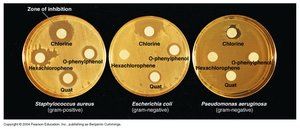
The disk-diffusion method is used to evaluate the effectiveness of disinfectants against specific microbial species. The zone of inhibition indicates the degree of microbial control.
Summary and Take Home Points
Know the terminology associated with microbial control.
Understand the physical methods of control discussed.
Know the different targets, pros, and cons of the chemical agent groups discussed.
