Indietro
Proteins: Crucial Components of All Body Tissues – Study Guide
Guida di studio - Note intelligenti
 Appunti personalizzati basati sui tuoi materiali, ampliati con definizioni chiave, esempi e contesto.
Proteins: Structure, Function, and Nutrition
What Are Proteins?
Proteins are large, complex molecules essential for the structure and function of all living cells. They play critical roles in metabolism, immunity, fluid balance, and nutrient transport, and can serve as an energy source under certain conditions. Proteins are unique among macronutrients because they contain nitrogen in a form readily usable by the human body.
Amino Acids: Building Blocks of Proteins
Amino acids are nitrogen-containing molecules that combine to form proteins. There are 20 amino acids in the human body, classified as:
Essential amino acids: Cannot be synthesized by the body and must be obtained from food (9 out of 20).
Nonessential amino acids: Can be synthesized by the body.
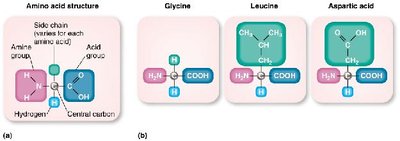
Each amino acid consists of three main parts:
Amine group (NH2)
Acid group (COOH)
Side chain (R group, varies for each amino acid)
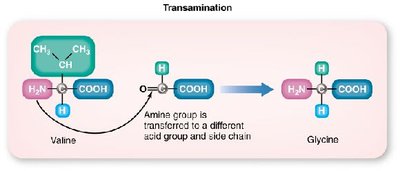
Transamination: Amino Acid Modification
Transamination is the process by which the amine group from one amino acid is transferred to a different acid group and side chain, allowing the body to synthesize nonessential amino acids.
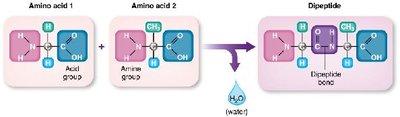
Protein Synthesis: Formation of Peptide Bonds
Proteins are formed by linking amino acids together via peptide bonds:
Dipeptide: Two amino acids joined together
Polypeptide: Ten or more amino acids joined together
The formation of a peptide bond releases a molecule of water (condensation reaction).
Genetic Control of Protein Synthesis
Protein synthesis is regulated by genetic information:
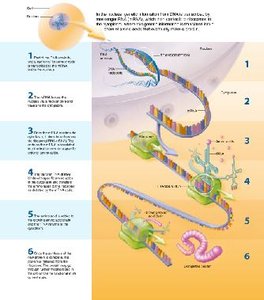
Transcription: DNA is used to make messenger RNA (mRNA), which carries genetic information to the ribosome.
Translation: mRNA is used to assemble amino acids in the correct sequence to synthesize a protein.
Protein Turnover: Synthesis and Breakdown
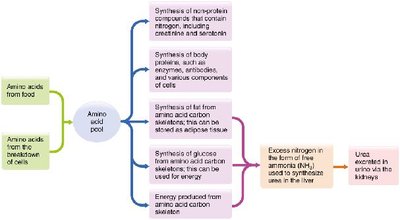
Protein turnover refers to the continuous process of protein synthesis and degradation in the body. Amino acids from food and cell breakdown enter the amino acid pool, which is used for various functions:
Synthesis of nonprotein compounds (e.g., creatine, serotonin)
Synthesis of body proteins (e.g., enzymes, antibodies)
Synthesis of fat or glucose from amino acid carbon skeletons
Energy production
Excess nitrogen is converted to urea and excreted
Levels of Protein Structure
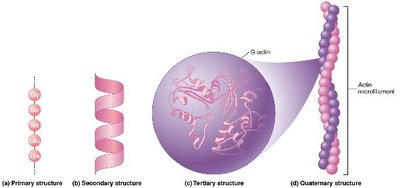
Protein function is determined by its structure, which has four levels:
Primary structure: Sequence of amino acids
Secondary structure: Spiral shape due to chemical bonding
Tertiary structure: Further folding into a unique three-dimensional shape
Quaternary structure: Association of multiple polypeptide chains
Protein Shape and Function
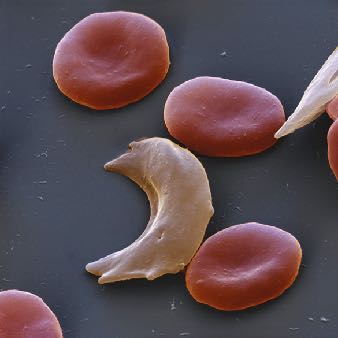
Protein shape is crucial for its function. Denaturation occurs when proteins lose their shape due to heat, acids, bases, heavy metals, or alcohol, resulting in loss of function.
Protein Quality: Complete and Incomplete Proteins
Protein synthesis can be limited by the availability of essential amino acids:
Incomplete protein: Lacks one or more essential amino acids (low-quality protein)
Complete protein: Contains all essential amino acids in sufficient amounts (high-quality protein; e.g., animal proteins, quinoa, soy)
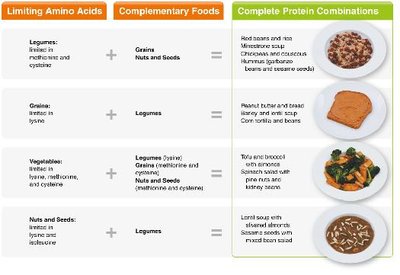
Mutual Supplementation and Complementary Proteins
Combining two incomplete proteins to make a complete protein is called mutual supplementation. Complementary proteins are two sources that together supply all essential amino acids (e.g., beans and rice).
Functions of Proteins in the Body
Proteins serve many functions:
Cell growth, repair, and maintenance
Enzymes and hormones
Fluid and electrolyte balance
pH balance
Antibodies for immunity
Energy source
Transport and storage of nutrients
Formation of neurotransmitters, fibrin, collagen
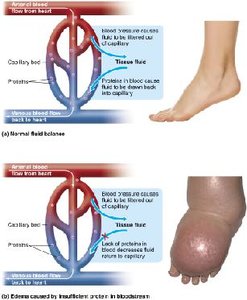
Role of Proteins in Fluid Balance
Proteins help maintain fluid balance by attracting water and keeping it within blood vessels. Insufficient protein can lead to edema (swelling due to fluid accumulation).
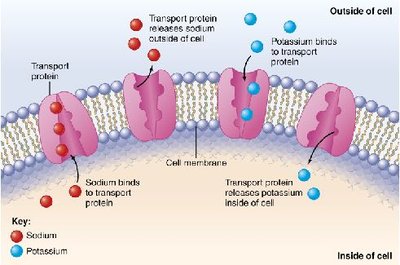
Role of Proteins in Electrolyte Balance
Proteins regulate electrolyte balance by transporting ions (e.g., sodium, potassium) across cell membranes.
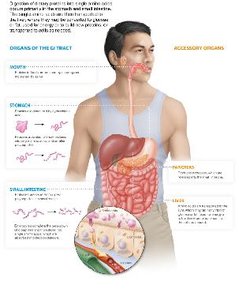
Protein Digestion and Absorption
Protein digestion begins in the stomach, where acids and enzymes break proteins into polypeptides. Digestion continues in the small intestine, where proteases break polypeptides into single amino acids for absorption.
Protein Digestibility
Protein quality is affected by digestibility. Animal proteins, soy, and legumes are highly digestible, while plant proteins (grains, vegetables) are less digestible due to fiber content.
Recommended Protein Intake
Protein needs vary by age, activity, and physiological state:
Recommended Dietary Allowance (RDA): 0.8 grams per kilogram of body weight per day
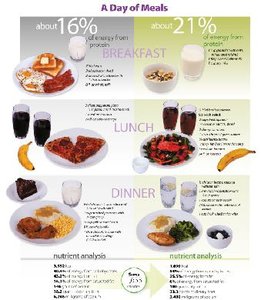
Acceptable Macronutrient Distribution Range (AMDR): 10–35% of total energy intake
Nitrogen Balance
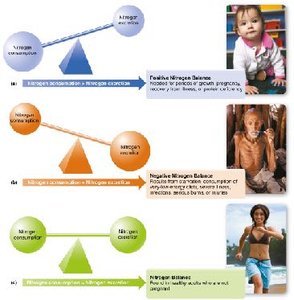
Nitrogen balance describes the relationship between nitrogen intake and excretion:
Positive nitrogen balance: Growth, pregnancy, recovery
Negative nitrogen balance: Starvation, illness, injury
Equilibrium: Healthy adults
Protein Sources
Protein can be obtained from a variety of sources:
Meat, poultry, seafood, pork
Dairy products
Legumes, nuts, grains
Soy products
Protein Content of Common Foods
Food | Serving Amount | Protein (g) |
|---|---|---|
Ground beef (15% fat) | 3 oz | 22 |
Chicken breast, broiled | 1/2 breast | 27 |
Salmon, baked | 3 oz | 22 |
Skim milk | 8 fl. oz | 8 |
Tofu, firm | 3 oz | 9.2 |
Kidney beans | 1/2 cup | 6 |
Peanut butter | 2 tbsp | 7.1 |
Almonds | 1 oz | 6 |
Vegetarian Diets and Protein
Vegetarianism involves restricting the diet to foods of plant origin. There are several types of vegetarian diets, each with varying restrictions:
Type of Diet | Foods Consumed | Comments |
|---|---|---|
Flexitarian | Vegetables, grains, nuts, fruits, legumes; sometimes meat, seafood, poultry, eggs, dairy | Typically exclude or limit red meat |
Pescovegetarian | Similar to semivegetarian but excludes poultry | Fish is the only animal source of protein |
Lacto-ovovegetarian | Vegetables, grains, nuts, fruits, legumes, dairy, eggs | Excludes animal flesh and seafood |
Lacto-vegetarian | Vegetables, grains, nuts, fruits, legumes, dairy | Excludes eggs |
Ovovegetarian | Vegetables, grains, nuts, fruits, legumes, eggs | Excludes dairy, flesh, seafood |
Vegan | Only plant-based foods | May not provide adequate vitamin B12, zinc, iron, calcium, or complete proteins |
Macrobiotic diet | Vegan-type, very restrictive | Can cause malnutrition and death if extreme |
Fruitarian | Only raw/dried fruit, seeds, nuts, honey, vegetable oil | Deficient in protein, calcium, zinc, iron, vitamin B12, riboflavin, and other nutrients |
Health Benefits and Challenges of Vegetarianism
Benefits:
Lower intake of fat and total energy
Lower blood pressure
Reduced risk of heart disease and some cancers
Fewer digestive problems
Reduced risk for kidney stones and gallstones
Challenges:
Potential deficiencies in iron, calcium, zinc, vitamins D and B12
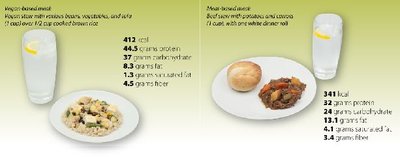
Need for careful planning to ensure adequate protein and micronutrient intake
Use of complementary proteins is important
Nutrients of Concern in Vegan Diets
Nutrient | Functions | Nonmeat/Nondairy Food Sources |
|---|---|---|
Protein | Cell growth, repair, maintenance; enzymes, hormones; fluid/electrolyte balance | Mutual supplementation, soy products, nuts, quinoa |
Vitamin B12 | DNA synthesis, nerve fiber protection, RBC maturation | Fortified cereals, yeast, soy products, supplements |
Vitamin D | Bone growth | Fortified cereals, margarines, soy products, sunlight |
Riboflavin | Energy release, vision, skin health | Whole/enriched grains, leafy vegetables, mushrooms, beans, nuts, seeds |
Iron | Oxygen transport, amino acid/hormone synthesis | Whole grains, prune juice, dried fruits, beans, nuts, seeds, spinach |
Calcium | Bone health, muscle contraction, blood pressure, nerve transmission | Fortified soy milk/tofu, almonds, dry beans, leafy vegetables, fortified juices/cereals |
Zinc | DNA/RNA synthesis, immune function, growth | Whole grains, wheat germ, beans, nuts, seeds |
Consequences of High Protein Intake and Protein Deficiency
Excessive protein intake can be harmful:
Kidney disease: High-protein diets may increase risk in susceptible individuals
Heart disease: Animal protein sources often high in saturated fat
Bone loss: Too little protein causes bone loss; higher intake may benefit bone health in healthy populations
Protein-Energy Malnutrition
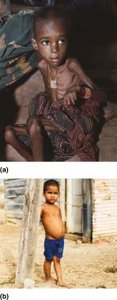
Protein-energy malnutrition results from inadequate intake of protein and energy. Two common forms:
Marasmus: Severe deficiency of protein, energy, and nutrients; characterized by extreme tissue wasting and stunted growth
Kwashiorkor: Extremely low protein intake; symptoms include weight loss, muscle wasting, edema (swollen belly), retarded growth