 Indietro
Alkynes: Structure, Properties, Nomenclature, and Reactions
Guida di studio - Note intelligenti
 Appunti personalizzati basati sui tuoi materiali, ampliati con definizioni chiave, esempi e contesto.
Alkynes: Structure and Properties
Definition and General Characteristics
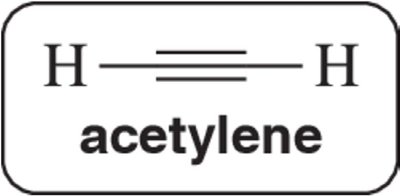
Alkynes are a class of hydrocarbons characterized by the presence of a carbon-carbon triple bond. They are unsaturated molecules, meaning they contain fewer hydrogen atoms than alkanes or alkenes.
Acyclic alkynes follow the formula .
Cyclic alkynes follow the formula .
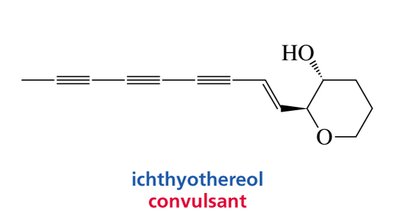
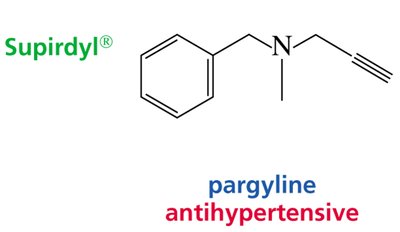
Alkynes are important in organic synthesis and occur in both natural and pharmaceutical compounds.
Bonding, Hybridization, and Geometry
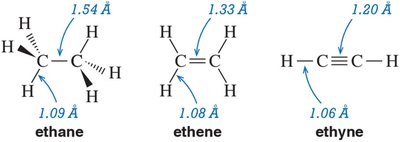
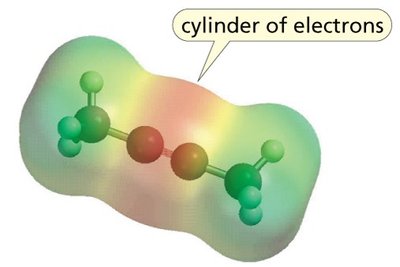
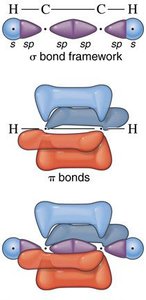
The carbon atoms in alkynes are sp-hybridized, resulting in a linear geometry and a very short, strong triple bond.
The triple bond consists of one sigma () bond and two pi () bonds.
High electron density surrounds the triple bond, making alkynes good nucleophiles.
The triple bond is shorter and stronger than double or single bonds.
Classification of Alkynes
Terminal vs. Internal Alkynes
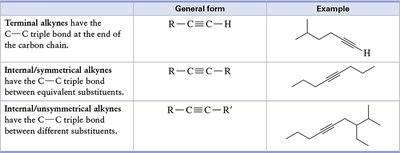
Alkynes are classified based on the location of the triple bond:
Terminal alkynes: Triple bond at the end of the carbon chain.
Internal alkynes: Triple bond between two carbon atoms within the chain.
Internal alkynes are more stable due to alkyl group stabilization.
Physical Properties of Alkynes
Boiling Points, Solubility, and Acidity
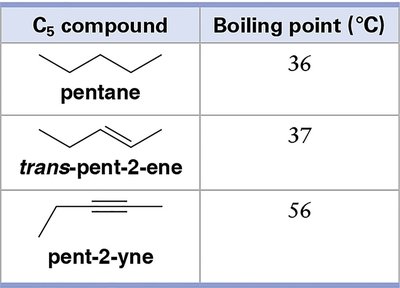
Boiling points of alkynes increase with molecular weight and are generally higher than alkanes and alkenes due to greater molecular interactions.
Alkynes are insoluble in water because they are nonpolar.
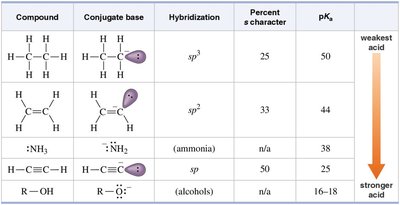
Terminal alkynes can be deprotonated easily, forming acetylide ions, due to the high s-character of the sp-hybridized carbon.
Nomenclature of Alkynes
Rules and Examples
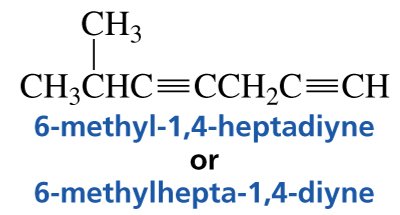
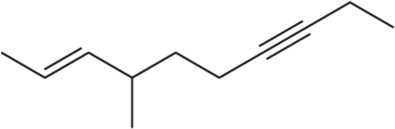
The nomenclature rules for alkynes are similar to those for alkanes and alkenes, with the suffix -yne replacing -ane or -ene.
The triple bond must be part of the longest chain.
Number the chain to give the triple bond the lowest possible number.
Substituents are listed in alphabetical order.
For multiple triple bonds, use prefixes like 'di', 'tri', etc.
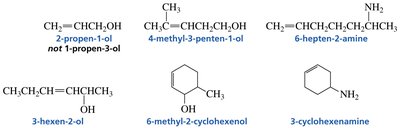
If both alkene and alkyne are present, the alkene gets priority in numbering if there is a tie.
Higher priority functional groups (e.g., acids, esters) get the lowest number.


Reactivity and Reactions of Alkynes
Electrophilic Addition Reactions
Alkynes, being electron-rich, act as nucleophiles and undergo electrophilic addition reactions.
The rate-determining step for alkynes is the formation of a vinylic cation, which is less stable than a carbocation due to the higher electronegativity of the sp carbon.



Formation of Carbon-Carbon Bonds
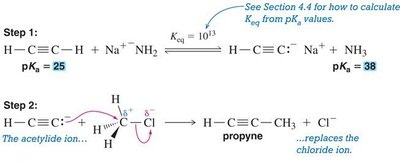
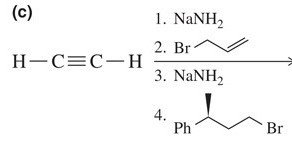
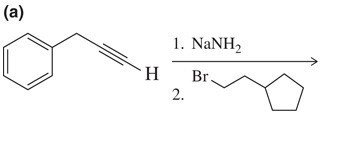
Terminal alkynes can be deprotonated by strong bases (e.g., sodium amide) to form acetylide ions.
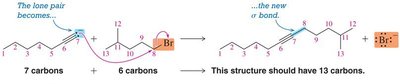
Acetylide ions are useful nucleophiles in alkylation reactions, forming new C–C bonds via substitution with alkyl halides.

Catalytic Hydrogenation and Reduction
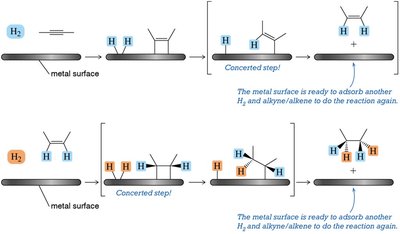
Alkynes can be reduced to alkanes using catalytic hydrogenation (e.g., Pd/C).
To stop at the alkene stage, a Lindlar catalyst is used, producing a cis-alkene.
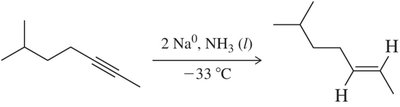
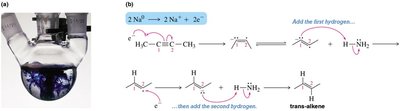
Dissolving metal reduction (Na or Li in ammonia) yields trans-alkenes.



Addition of Hydrogen Halides
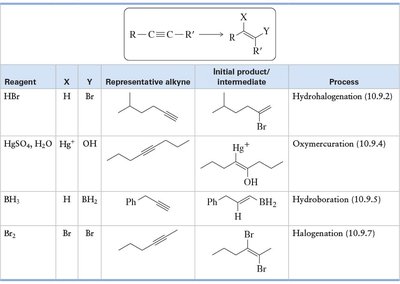
Addition of hydrogen halides (e.g., HBr, HCl) to alkynes yields alkenes and, with excess reagent, dihalides.
The reaction is regioselective, and the product depends on whether the starting alkyne is internal (symmetrical or unsymmetrical).



Hydration and Tautomerization
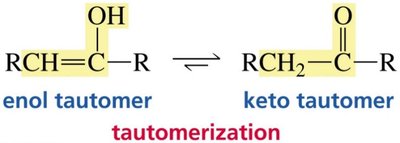
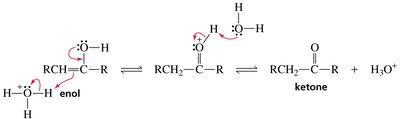
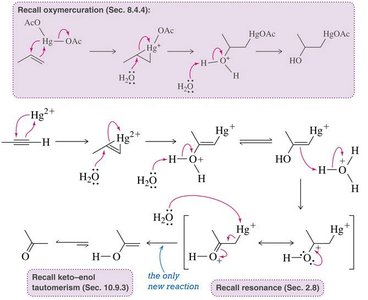
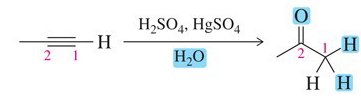
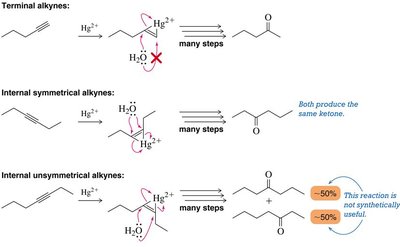
Hydration of alkynes yields enols, which rapidly tautomerize to ketones.
Tautomers are constitutional isomers in equilibrium.
Hydration of alkynes requires a catalyst (e.g., HgSO4), and the reaction is called oxymercuration.

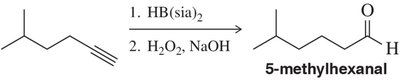
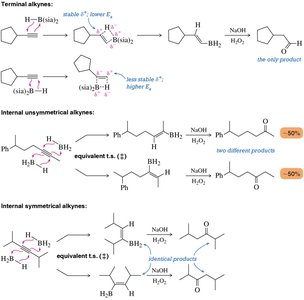
Synthetic Applications and Retrosynthetic Analysis
Designing Synthetic Schemes
Alkynes are versatile intermediates in organic synthesis.
Retrosynthetic analysis involves working backwards from a target molecule to determine the best synthetic route.
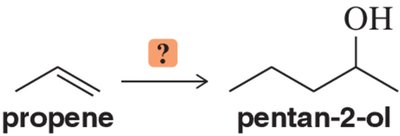
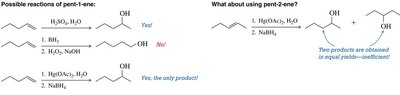
Practice and Examples
Reaction Problems and Synthesis
Predict the products for reactions involving alkynes and various reagents (e.g., HCl, NaNH2, alkyl halides).
Design syntheses starting from ethyne or other alkynes.
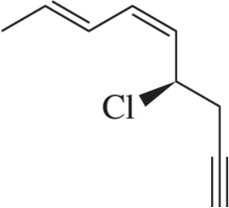
Apply nomenclature rules to name complex alkyne-containing molecules.
Summary Table: Functional Group Priority
Functional group | Priority |
|---|---|
Acids | 1 (highest) |
Esters | 2 |
Acid chlorides | 3 |
Anhydrides | 3 |
Amides | 4 |
Nitriles | 5 |
Aldehydes | 6 |
Ketones | 7 |
Alcohols | 8 |
Amines | 9 |
Alkenes, alkynes | 10 |
Alkanes | Blank |
Ethers | Blank |
Alkyl halides | (lowest) |
Example: Naming Alkynes
6-bromo-2-chloro-4-octyne
Hepta-1,3,5-triyne
(E)-4-hepten-1-yne
(S)-5-fluoro-5-methyl-2-heptyne
Example: Synthesis from Ethyne
Use ethyne as a starting material for constructing more complex alkynes via alkylation and other reactions.
Example: Functional Alkynes in Medicine
Ichthyothereol: Convulsant natural product.
Pargyline (Supirdyl®): Antihypertensive drug.
Additional info:
Alkynes are key intermediates in organic synthesis, pharmaceuticals, and materials science.
Understanding their reactivity and nomenclature is essential for advanced organic chemistry.
