Indietro

Comprehensive Organic Chemistry Reaction and Mechanism Study Guide

Guida di studio - Impara con i video

Lezioni curate abbinate al materiale che hai caricato – impara ogni argomento passo dopo passo.

Radical Initiators

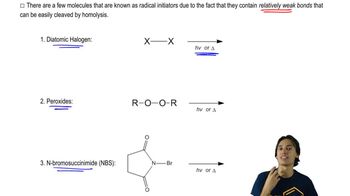
  • What are Radical Initiators?
    03:49
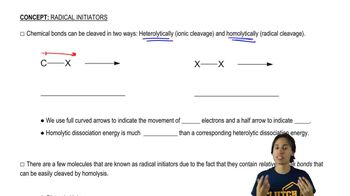
  • Heterolytic vs. Homolytic Bond Cleavage .
    04:39

The SN1 Mechanism

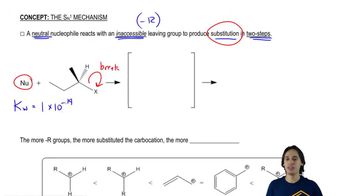
  • Drawing the SN1 Mechanism
    10:49
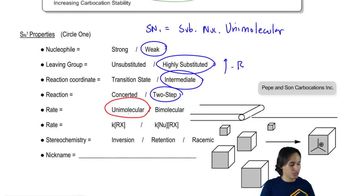
  • Why highly substituted leaving groups favor SN1.
    01:13
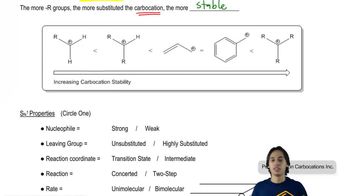
  • Understanding the properties of SN1.
    08:16

The SN2 Mechanism

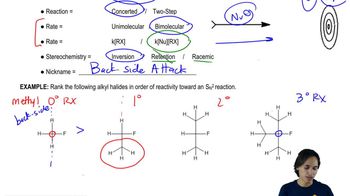
  • Ranking reactivity toward SN2
    04:03
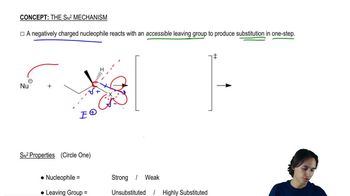
  • Drawing the SN2 Mechanism
    08:33
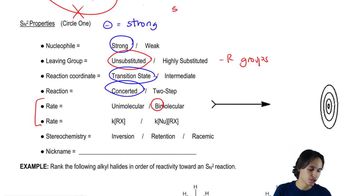
  • Understanding the properties of SN2.
    11:57

The E1 Mechanism

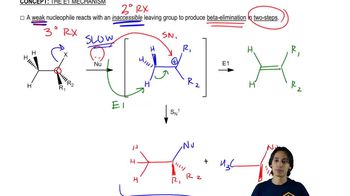
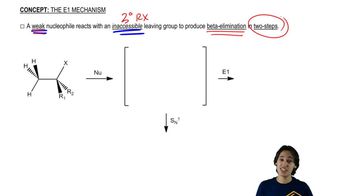
  • Understanding the properties of E1.
    03:32
  • Drawing the E1 Mechanism.
    08:09
E2 Mechanism

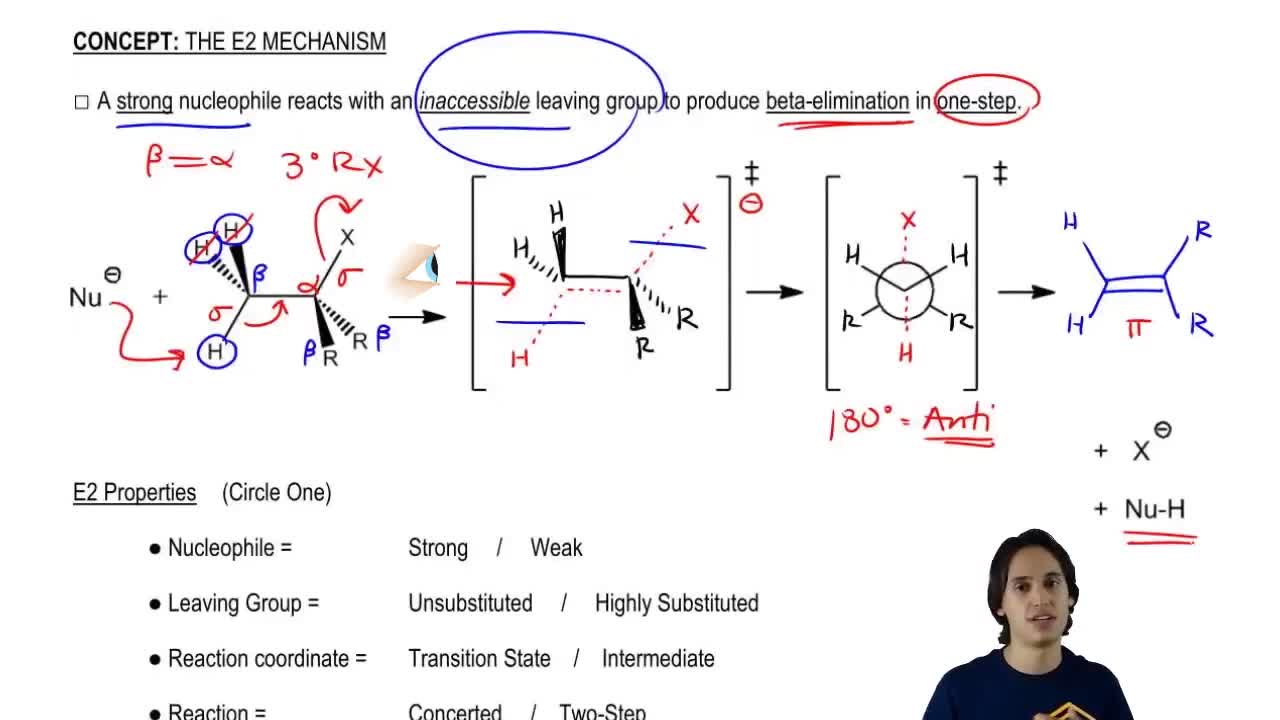
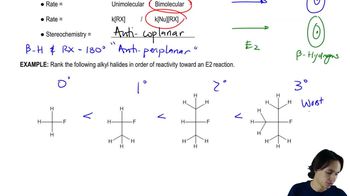
  • Understanding the properties of E2.
    04:42
  • Drawing the E2 Mechanism.
    09:36
  • Rank reactivity toward E2
    02:03

Hydrohalogenation

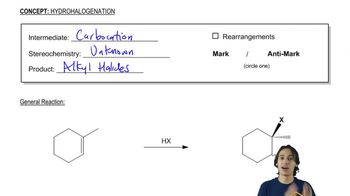
  • General properties of hydrohalogenation.
    04:07
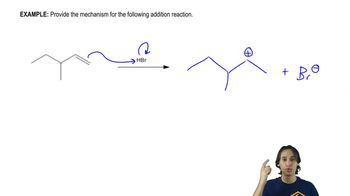
  • Provide the mechanism
    02:24

Acid-Catalyzed Hydration

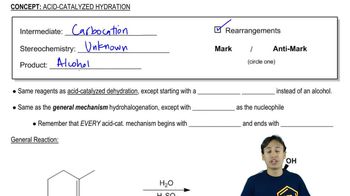
  • General properties of acid-catalyzed hydration.
    06:32
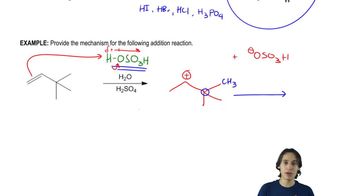
  • Acid-catalyzed hydration mechanism
    06:34

Oxymercuration-Reduction

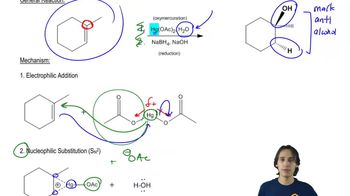
  • Acid-catalyzed oxymercuration-reduction mechanism
    09:01
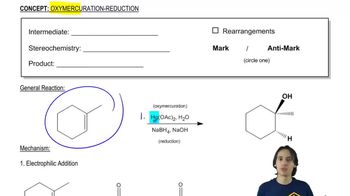
  • General properties of oxymercuration-reduction.
    05:

Hydroboration-Oxidation

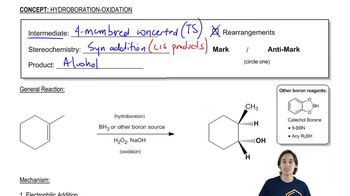
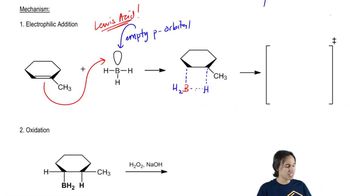
  • General properties of hydroboration-oxidation.
    06:38
  • Acid-catalyzed hydroboration-oxidation mechanism
    06:14

Halogenation

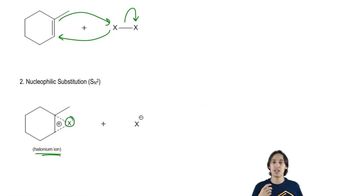
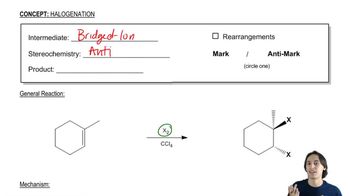
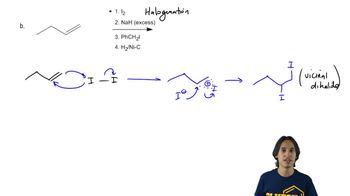
  • Halogenation Mechanism
    03:45
  • General properties of halogenation.
    02:27

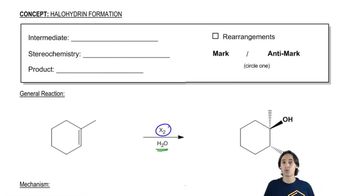
Halohydrin Formation

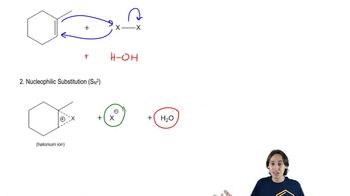
  • Halohydrin Mechanism
    04:48
  • General properties of halohydrin formation.
    01:44

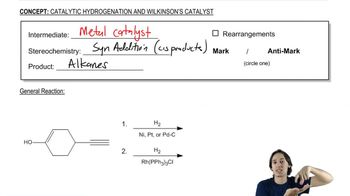
Catalytic Hydrogenation and Wilkinson's Catalyst

  • General properties of catalytic hydrogenation.
    05:21

Epoxidation

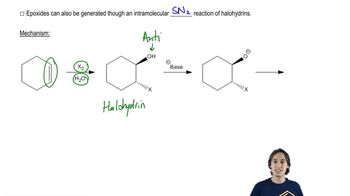
  • Halohydrins to epoxides via intramolecular SN2.
    02:26
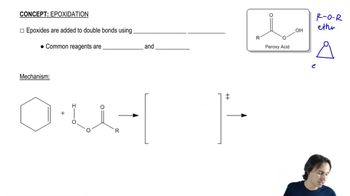
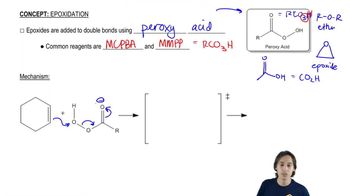
  • General properties of epoxidation.
    02:19
  • The mechanism of how peroxy acids make epoxides.
    03:19

Epoxide Ring Opening

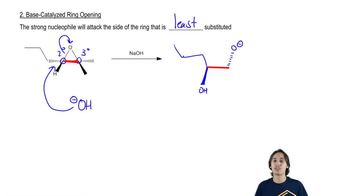
  • Base-Catalyzed Epoxide Ring-Opening
    04:44
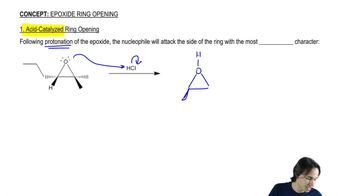
  • Acid-Catalyzed Epoxide Ring-Opening
    04:34

Syn Vicinal Dihydroxylation

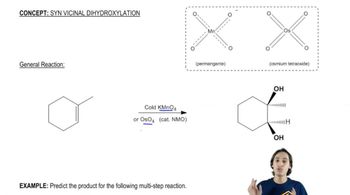
  • General properties of syn vicinal dihydroxylation.
    03:50
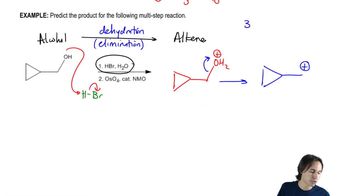
  • Predict the product for the following multi-step reaction.
    04:42

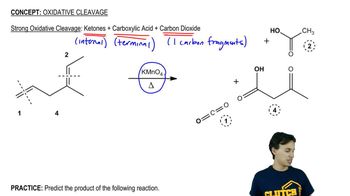
Oxidative Cleavage

  • General properties of strong oxidative cleavage.
    06:00

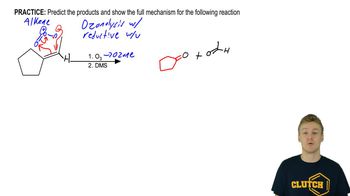
Ozonolysis Full Mechanism

  • Predict the products and show the mechanism:
    12:11
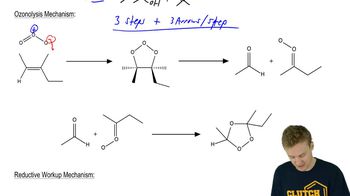
  • General Mechanism:
    07:48
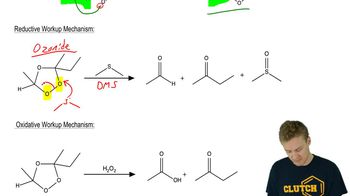
  • Reductive Workup Mechanism:
    03:16

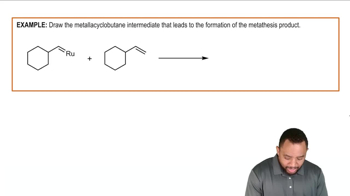
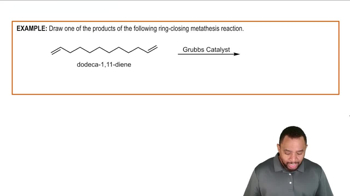
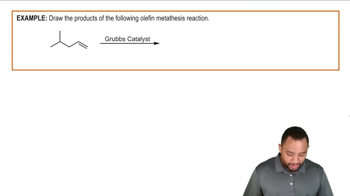
Alkene Metathesis

  • Percorso guidato
    Alkene Metathesis Example 1
    1:47
  • Percorso guidato
    Alkene Metathesis Example 4
    1:41
  • Percorso guidato
    Alkene Metathesis Example 2
    3:04

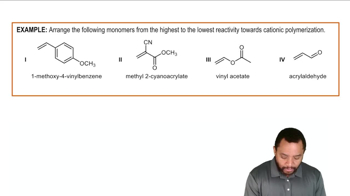
Cationic Polymerization

  • Percorso guidato
    Cationic Polymerization Example 1
    1:34
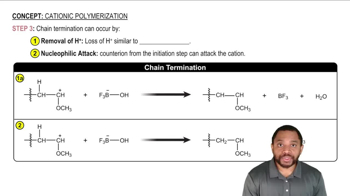
  • Percorso guidato
    Cationic Polymerization Concept 4
    1:12
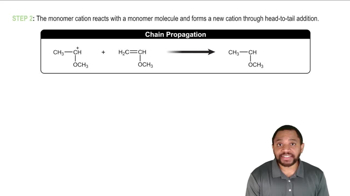
  • Percorso guidato
    Cationic Polymerization Concept 3
    0:52

Alkynide Synthesis

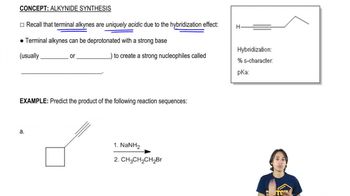
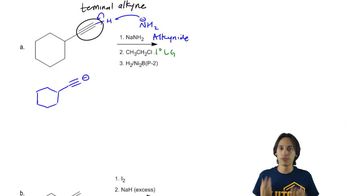
  • Understanding how to convert terminal alkynes to alkynides.
    04:19
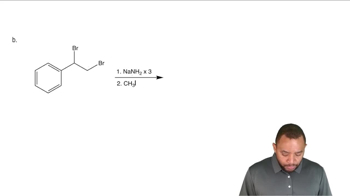
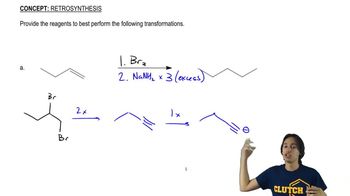
  • Using double dehydrohalogenation to perform alkynide synthesis.
    02:57
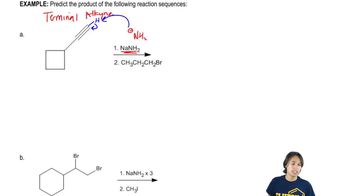
  • The mechanism of alkynide synthesis.
    03:48

Alkynide Alkylation

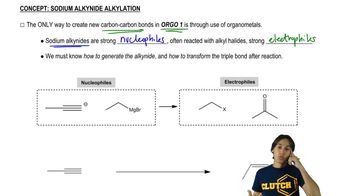
  • Sodium Alkynide Alkylation
    03:19

Alkynide Synthesis and Retrosynthesis

  • Predict the major product.
    03:25
  • Provide the reagents needed
    04:17
  • Predict the major product.
    05:09

Hydrogenation of Alkynes

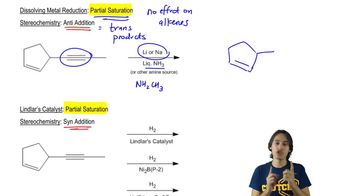
  • Using Dissolving Metal Reduction or Lindlar’s Catalyst to turn alkynes to alkenes.
    06:08
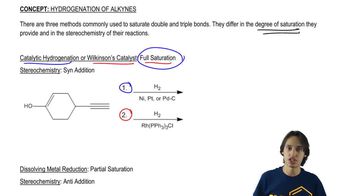
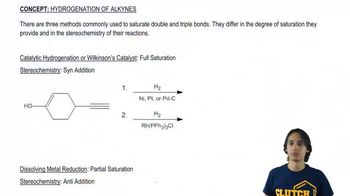
  • Using Catalytic hydrogenation or Wilkinson’s Catalyst to turn alkynes to alkanes.
    03:46
  • The definition of hydrogenation.
    00:48

Alkyne Hydrohalogenation

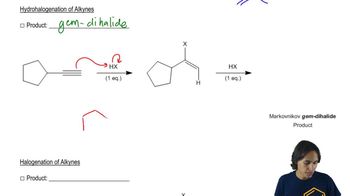
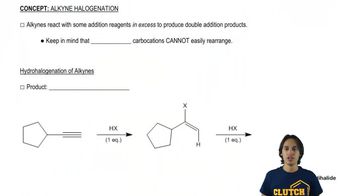
  • Double hydrohalogenation of alkynes.
    02:20
  • General properties of double addition reactions to alkynes.
    01:01

Alkyne Hydration

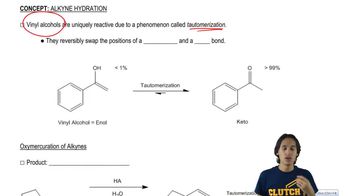
  • Vinyl alcohols yield tautomers.
    03:51
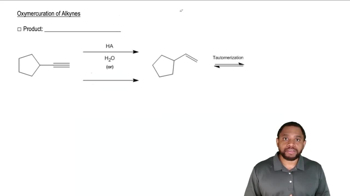
  • Markovnikov addition of alcohols yields ketones.
    03:29

Preparation of Organometallics

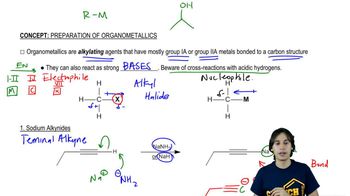
  • Ruining Organometallics
    02:50
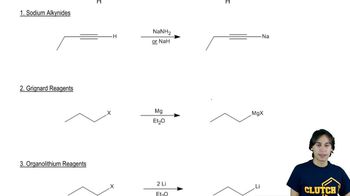
  • General Reaction
    12:21

Reactions of Organometallics

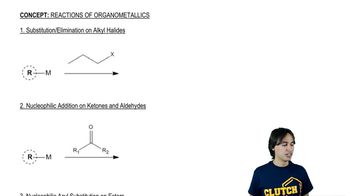
  • Reactions of Organometallics
    13:40

Substitution Comparison

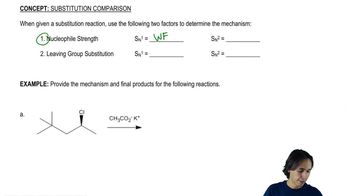
  • How do we predict if the mechanism is SN1 or SN2?
    03:32

Williamson Ether Synthesis

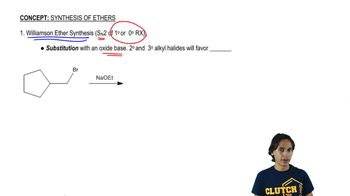
  • The Mechanism of Williamson Ether Synthesis.
    03:50

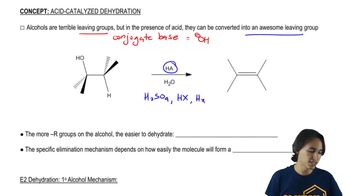
Acid-Catalyzed Dehydration

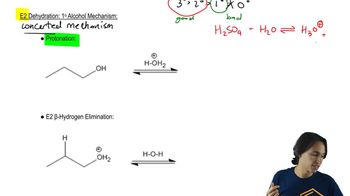
  • Dehydration of 1° alcohols:The E2 Mechanism
    05:20
  • An extra note of caution with 1° alcohols.
    01:06
  • General features of acid-catalyzed dehydration.
    06:01

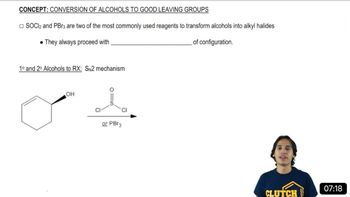
Leaving Group Conversions - SOCl2 and PBr3

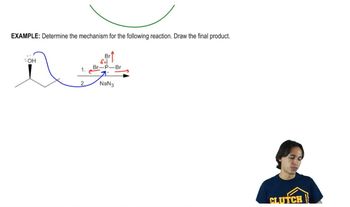
  • Predict the mechanism of PBr3, and draw the final product.
    06:01
  • Learning the mechanism of SOCl2.
    07:18

Fischer Esterification – Mechanism

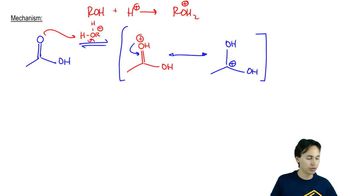
  • General Mechanism
    04:08
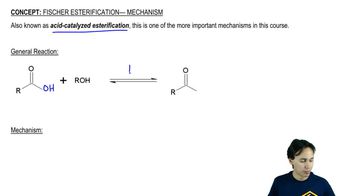
  • General Reaction
    01:08