 Indietro
Comprehensive Study Guide: Reactions, Properties, Nomenclature, and Spectroscopy of Alcohols, Ethers, Epoxides, Thiols, Sulfides, Aldehydes, Ketones, Carboxylic Acids, and Nitriles
Guida di studio - Note intelligenti
 Appunti personalizzati basati sui tuoi materiali, ampliati con definizioni chiave, esempi e contesto.
Reagents and Reactions
Electrophilic Aromatic Substitution (E.A.S.)
Electrophilic Aromatic Substitution is a fundamental reaction for aromatic compounds, especially benzene derivatives. The reactivity is influenced by electron-withdrawing groups (E.W.G.).
Halogenation: Introduction of halogens (Cl, Br, I, F) using reagents like FeX3 or AlX3.
Nitration: Addition of nitro group using HNO3/H2SO4.
Sulfonation: Addition of sulfonic acid group using SO3/H2SO4.
Alkylation: Friedel-Crafts alkylation with alkyl halides; beware of overalkylation.
Acylation: Friedel-Crafts acylation with acyl halides.
Hydroxylation: Introduction of hydroxyl group using O2/hydroxylase.
Alcohols, Ethers, and Related Reactions
Alcohols can be converted to alkyl halides and carboxylic acids to acyl halides using reagents such as SOBr2, SOCl2, PBr3, PCl3, and PCl5 via SN2 mechanisms.
Dehydration: SOCl2 or SOBr2 with pyridine and heat.
Alcohol Synthesis: SN2 from alkyl halides, ester hydrolysis (acid/base), reduction of aldehydes, ketones, and carboxylic acids.
Diol Synthesis: Alkene oxidation (OsO4, KMnO4), peroxidation/acidification (mCPBA/H3O+).
Grignard Reaction: Formation of alcohols from aldehydes, ketones, and esters (protecting groups required).
Ether and Epoxide Chemistry
Ether Synthesis: Williamson Ether Synthesis (SN2 with NaH), alcohol dehydration, alkoxymercuration (Markovnikov).
Ether Reactions: Cleavage with acid (HBr/HI), Claisen rearrangement (allyl/vinyl ethers).
Epoxide Synthesis: Industrial (O2/Ag2O), mCPBA, halohydrin method.
Epoxide Reactions: Acid-catalyzed SN2 (trans diol), halohydrin synthesis.
Thiols and Sulfides
Thiols: SN2 alkyl halide reaction, disulfide reduction.
Thiols Reactions: Auto-oxidation (Br2, I2).
Sulfides: SN2 alkyl halide reaction, Williamson analog.
Sulfide Reactions: Oxidation to sulfoxide and sulfone.
Aldehydes and Ketones
Aldehyde Synthesis: Friedel-Crafts acylation, oxidation of primary alcohols, carboxylic reduction (DIBAL-H).
Ketone Synthesis: Friedel-Crafts acylation, oxidation of secondary alcohols, ozonolysis, Gilman reaction.
Reactions: Nucleophilic addition, cyanohydrin synthesis, alcohol synthesis (NaBH4), Grignard, imide/enamine synthesis, Wolff-Kishner, acetal/hemiacetal, Wittig reaction.
Carboxylic Acids and Nitriles
Carboxylic Acid Synthesis: Benzylic oxidation, ester hydrolysis, oxidation of alcohols/aldehydes, acid halide hydrolysis, Grignard with CO2.
Carboxylic Acid Reactions: Deprotonation, reduction, alpha substitution, nucleophilic acyl substitution.
Nitrile Synthesis: Primary amide dehydration, amide synthesis from carboxylic acid.
Nitrile Reactions: Hydrolysis to amide/carboxylic acid, reduction to amine, Grignard reaction.
Structural Characteristics
Molecular and Electronic Geometry
Organic functional groups exhibit distinct geometries and bond angles, influencing their reactivity and physical properties.
Benzene: Planar hexagonal, trigonal planar (sp2), bond angle 108.5°, bond length 139 pm.
Alcohols: Bent, tetrahedral (sp3 O), bond angle 108.5°, high boiling points.
Ethers: Bent, tetrahedral (sp3 O), bond angle 112°, low boiling points, good solvents.
Epoxides: Strained triangular ring, tetrahedral (sp3 C), bond angle ~60°, highly reactive.
Thiols: Bent, tetrahedral (sp3 S), bond angle ~90°, bond length ~180 pm.
Sulfides: More nucleophilic than ethers.
Aldehydes/Ketones: Trigonal planar (sp2 C), bond angle ~120°, aldehydes more reactive.
Carboxylic Acids: Bond angles 119°/122°, bond lengths 152/125/131 pm, high boiling points, pKa ~4.5.
Nitriles: Linear (sp C/N), bond angle 180°.
Nomenclature
Functional Group Naming
Correct nomenclature is essential for clear communication in organic chemistry.
Ethers: Common: Alkyl + Alkyl + ether; IUPAC: Alkoxy substituent.
Crown Ethers: #–crown–# (total ring atoms, number of oxygens).
Epoxides: #,#-epoxy + parent alkane; common: alkene + oxide.
Thiols: -thiol suffix; mercapto-/sulfanyl- prefix if higher-priority group present.
Sulfides: Common: Alkyl + Alkyl + sulfide; substituent: alkylthio-.
Oxidized Sulfides: Sulfoxide (1 O), sulfone (2 O).
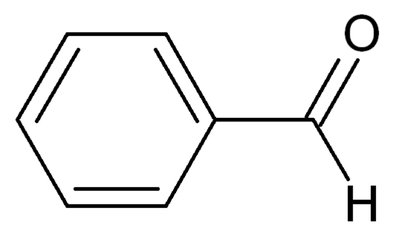
Aldehydes: Formaldehyde, acetaldehyde, acrolein, crotonaldehyde, benzaldehyde.
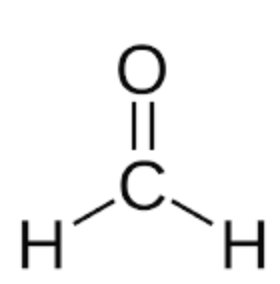
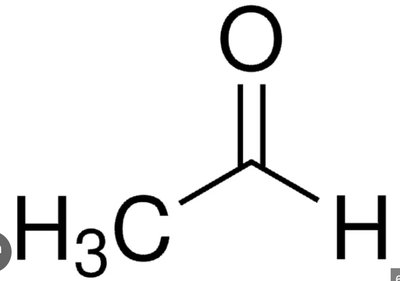
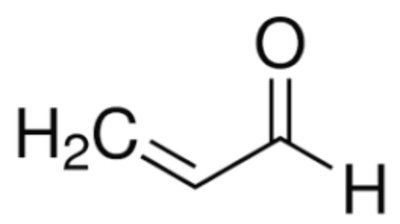
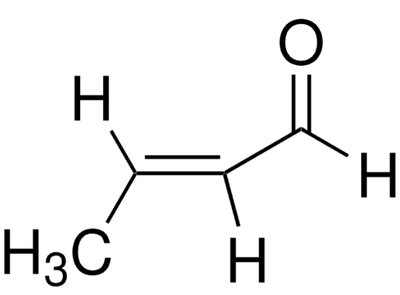
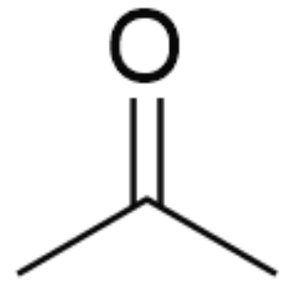
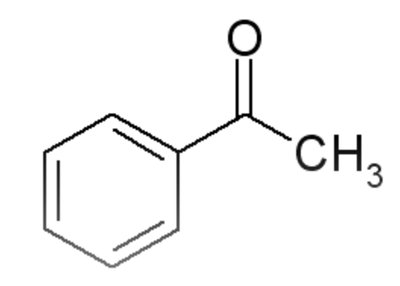
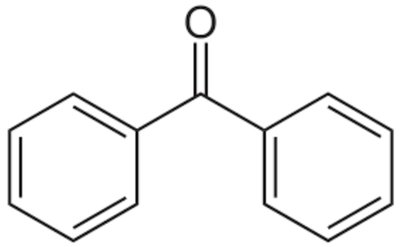
Ketones: Acetone, acetophenone, benzophenone.
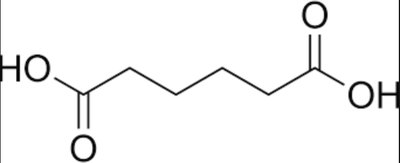
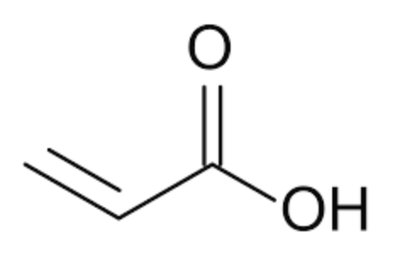
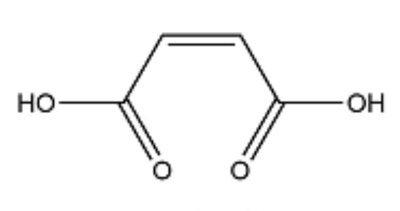
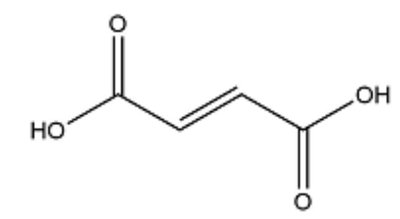
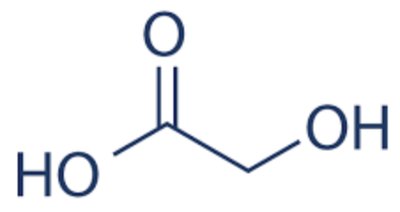
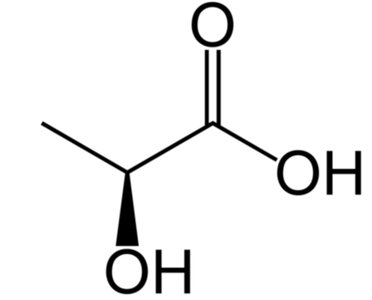
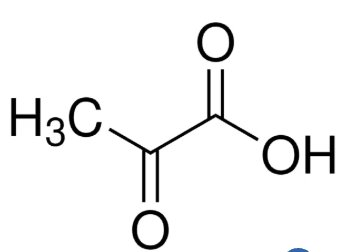
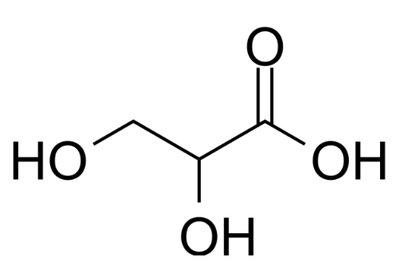
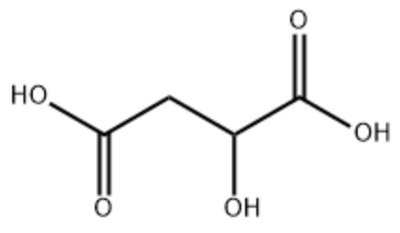
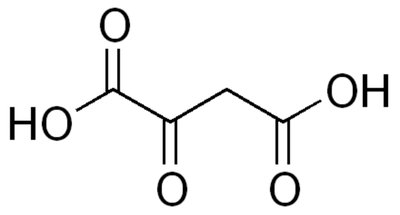
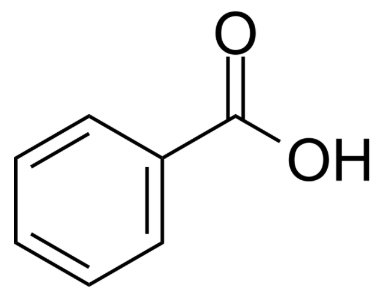
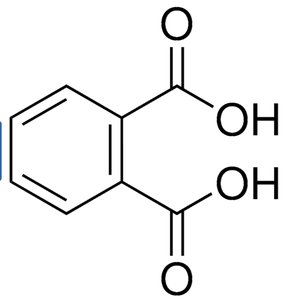
Carboxylic Acids: Formic, acetic, propionic, butyric, oxalic, malonic, succinic, glutaric, adipic, acrylic, maleic, fumaric, glycolic, lactic, pyruvic, glyceric, malic, oxaloacetic, benzoic, phthalic acids.
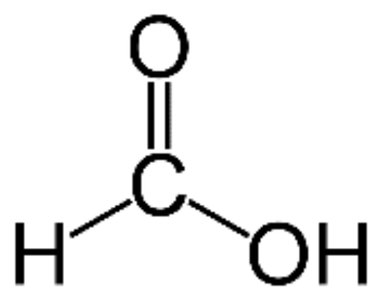
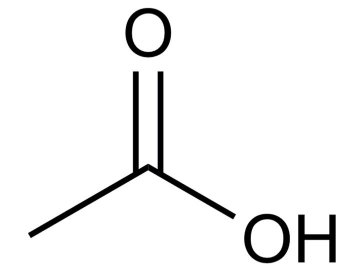
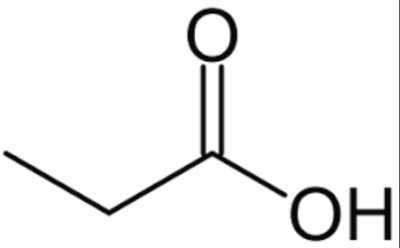
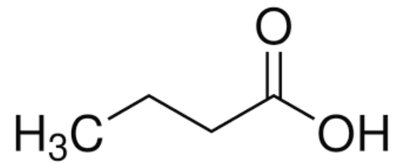
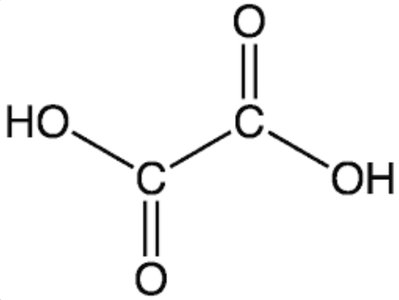
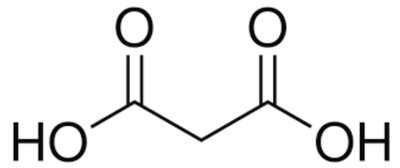
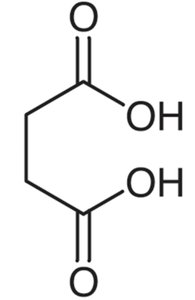
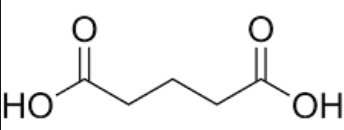
Nitriles: -nitrile suffix, cyano- prefix, -carbonitrile for rings, common: alkyl cyanide.
IR Spectroscopy
Characteristic IR Absorptions
Infrared spectroscopy is a key tool for identifying functional groups in organic molecules.
Ethers: C–O single bond: 1050–1150 cm–1.
Aldehydes: C=O: 1660–1770 cm–1; C–H: 2700–2860 cm–1.
Ketones: C=O: 1660–1770 cm–1 (lower values for larger molecules).
Carboxylic Acids: O–H broad: 2500–3300 cm–1; C=O: 1710–1760 cm–1.
Nitriles: C≡N: 2250 cm–1 (saturated), 2230 cm–1 (aromatic).
Carbonyl Group Characteristics
Structure and Reactivity
Carbonyl groups are central to organic chemistry, exhibiting unique structural and electronic properties.
Structure: sp2 carbon, 120° bond angle, bond length ~120 pm.
Polarity: Oxygen is nucleophilic (δ–), carbon is electrophilic (δ+).
Deactivator: Electron-withdrawing group, meta-director in aromatic substitution.
Reactions: Nucleophilic addition (no leaving group), nucleophilic acyl substitution (with leaving group), alpha substitution (acidic α-protons), condensation reactions (enolate formation).
Henderson-Hasselbalch Equation
Buffer Calculations
The Henderson-Hasselbalch equation is used to calculate the pH of buffer solutions and determine the ratio of conjugate base to acid.
Equation:
Applications: Calculating buffer pH, net charge at a given pH, acid/base ratio.
Overview of Essential Concepts
Key Knowledge Areas
Oxidizing/reducing agents
Dehydrating reagents
Free radical indicators
SN2 and SN1 mechanisms
Nucleophilic vs base mechanisms
Nucleophiles vs electrophiles
pKa values
Acid/base definitions
Markovnikov's and Zaitsev's rules
Cis vs trans isomerism
Protecting groups (e.g., TMS-Cl)
Common solvents (e.g., Et2O)
Allyl vs vinyl
Halohydrin, diol, epoxide, sulfide, thiols, thiolates, cyanohydrin, imide, enamine, acetal, hemiacetal, ylide, ester vs ether, pyridine vs pyrimidine, enol vs enolate
Ether Synthesis and Cleavage
Williamson Ether Synthesis
The Williamson Ether Synthesis is a classic method for preparing ethers via SN2 reaction.
Steps: Alcohol deprotonation (NaH) → Alkoxide formation → SN2 with alkyl halide → Ether
Alkoxymercuration
Alkene reacts with Hg2+, alcohol forms alkoxide, NaBH4 yields ether (Markovnikov addition).
Ether Cleavage
Protonation with HI or HBr, halide nucleophilic attack, yields alcohol and alkyl halide.
Additional Study Tips
Make flashcards as you learn reactions.
Master equations for quizzes and tests.
Practice questions to identify mistakes.
Know pKa values and acid/base rules for reaction analysis.
Additional info: Academic context was added to clarify reaction mechanisms, nomenclature, and structural properties for completeness and exam preparation.
