Indietro

Electrophilic Addition Reactions of Alkenes: Mechanisms, Regioselectivity, and Stereochemistry

Guida di studio - Impara con i video

Lezioni curate abbinate al materiale che hai caricato – impara ogni argomento passo dopo passo.

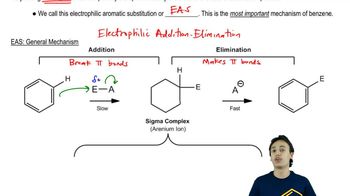
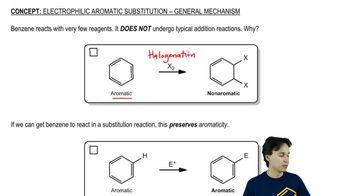
Electrophilic Aromatic Substitution – General Mechanism

  • EAS General Mechanism
    06:52
  • EAS Review
    03:07

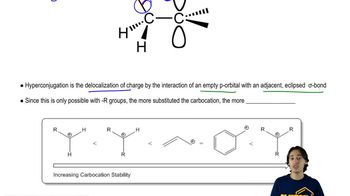
Carbocation Intermediates – Stability

  • Determining Carbocation Stability
    05:58
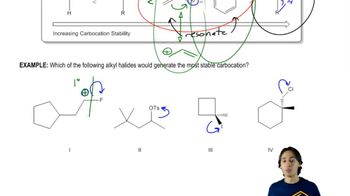
  • Predicting the most stable carbocation
    01:21

Carbocation Intermediate – Rearrangements

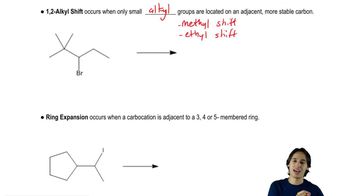
  • Alkyl Shift
    03:43
  • Understanding why carbocations shift.
    00:47
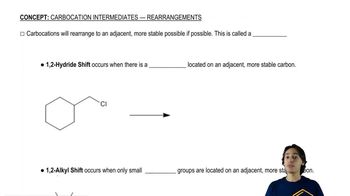
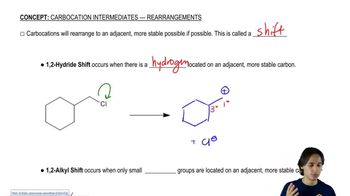
  • Hydride Shift
    03:34

Hammond Postulate

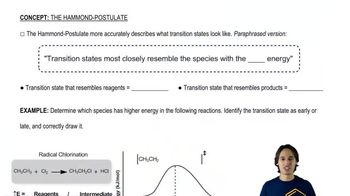
  • Defining the Hammond Postulate.
    01:30
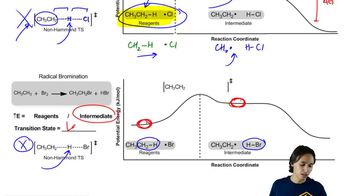
  • Bromination explains the Hammond Postulate.
    02:58
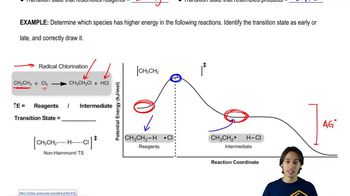
  • Chlorination explains the Hammond Postulate.
    05:23

Markovnikov's Rule

  • Provide the mechanism
    01:26
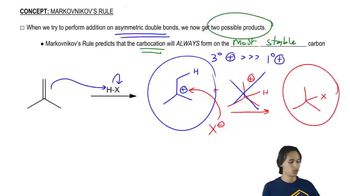
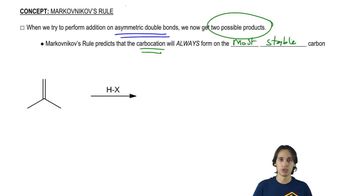
  • How to add to asymmetrical double bonds.
    03:38

Hydrohalogenation

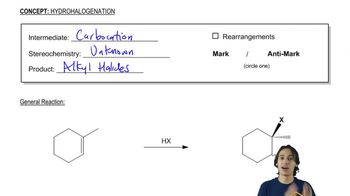
  • General properties of hydrohalogenation.
    04:07
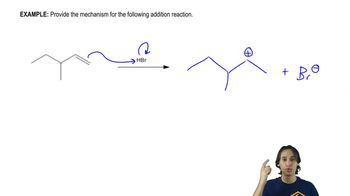
  • Provide the mechanism
    02:24

Acid-Catalyzed Hydration

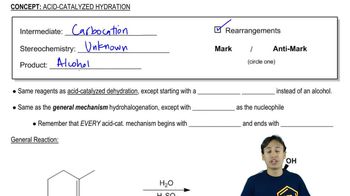
  • General properties of acid-catalyzed hydration.
    06:32
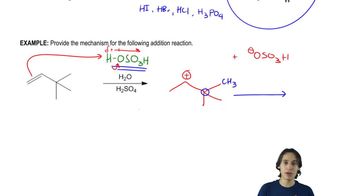
  • Acid-catalyzed hydration mechanism
    06:34

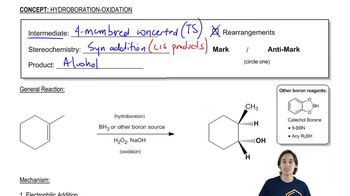
Hydroboration-Oxidation

  • General properties of hydroboration-oxidation.
    06:38
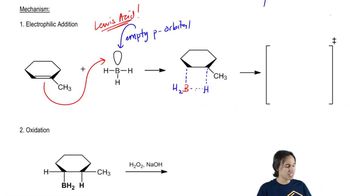
  • Acid-catalyzed hydroboration-oxidation mechanism
    06:14

Epoxidation

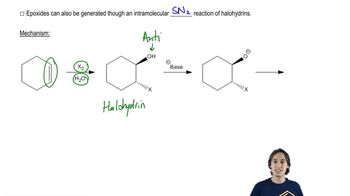
  • Halohydrins to epoxides via intramolecular SN2.
    02:26
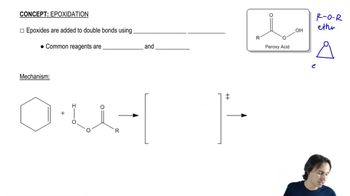
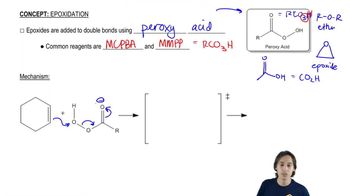
  • General properties of epoxidation.
    02:19
  • The mechanism of how peroxy acids make epoxides.
    03:19

Cyclopropanation

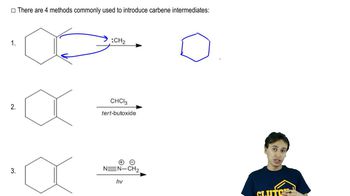
  • Reaction with a simple carbene.
    01:48
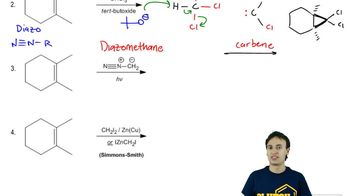
  • Reaction with diazomethane and light or heat.
    03:01
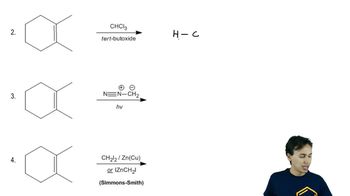
  • Reaction with chloroform (CHCl3) and tert-butoxide.
    03:04

Ozonolysis Full Mechanism

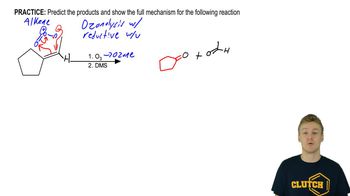
  • Predict the products and show the mechanism:
    12:11
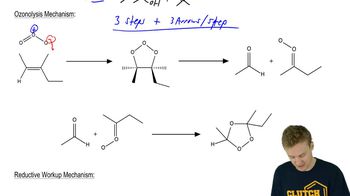
  • General Mechanism:
    07:48
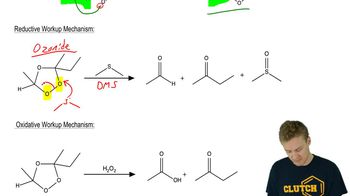
  • Reductive Workup Mechanism:
    03:16

Oxidative Cleavage

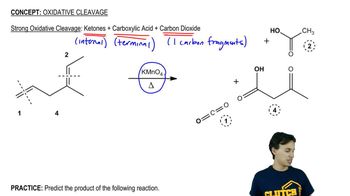
  • General properties of strong oxidative cleavage.
    06:00