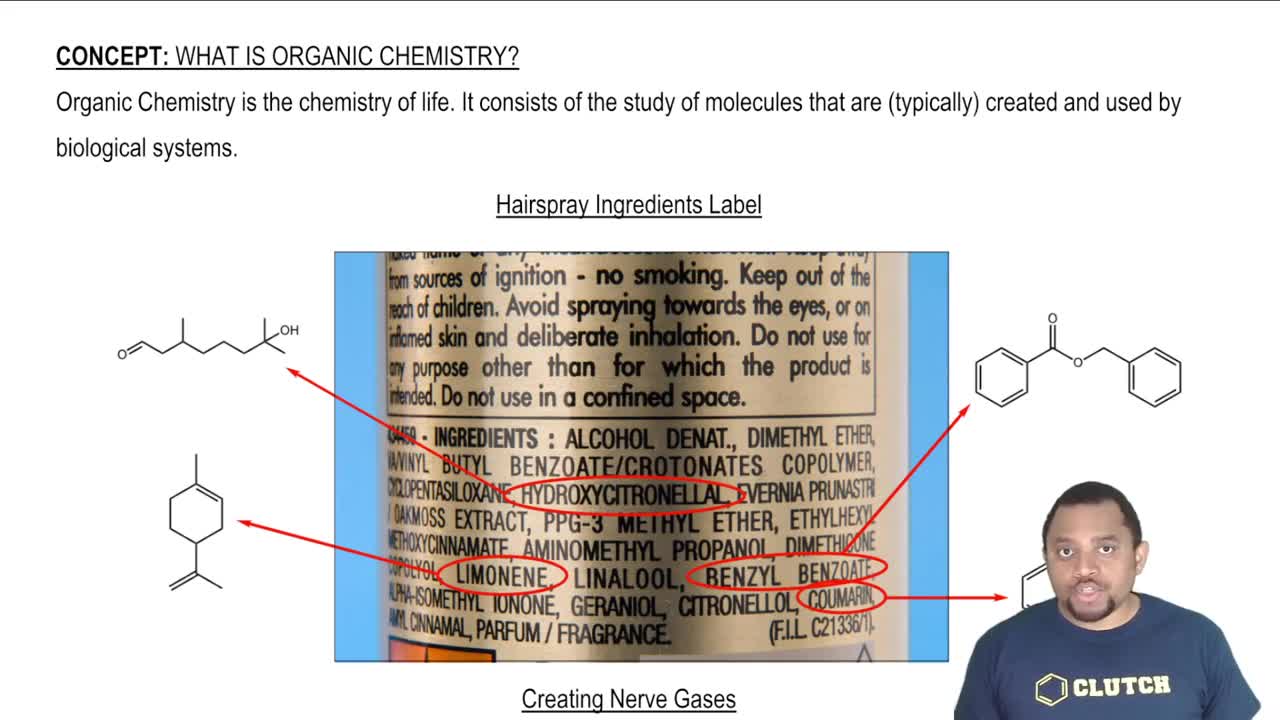
What is Organic Chemistry?
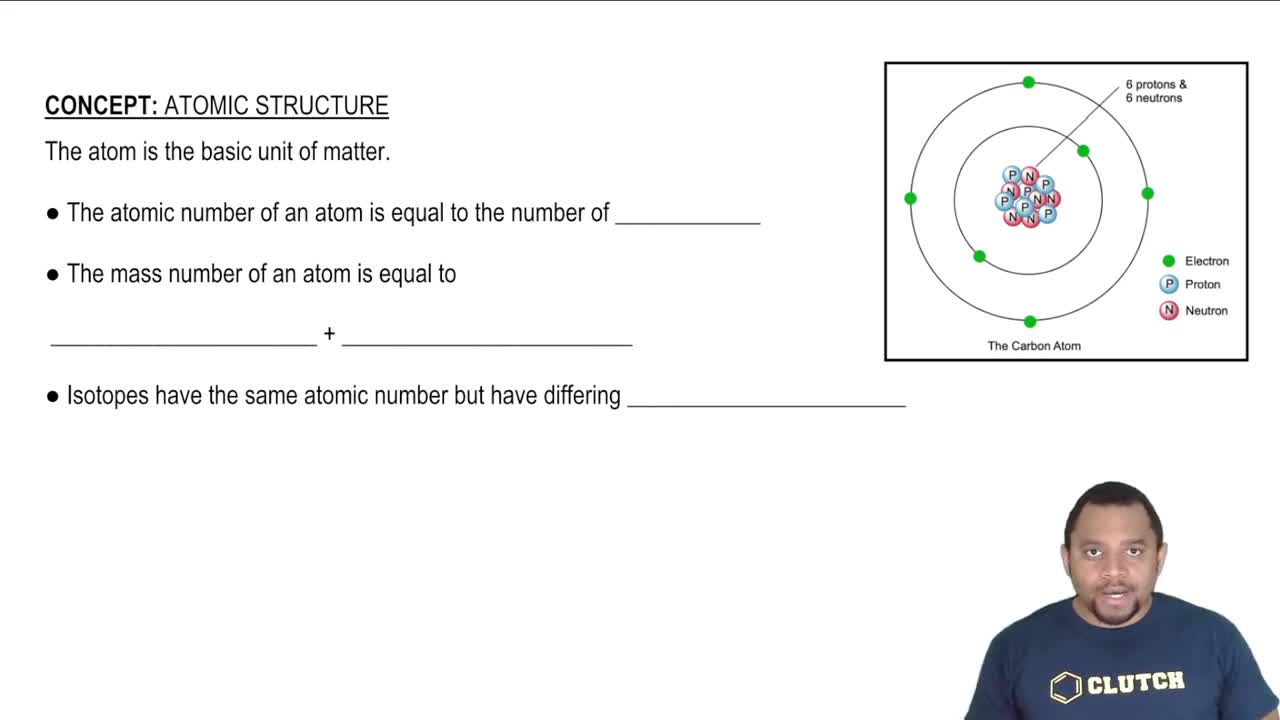
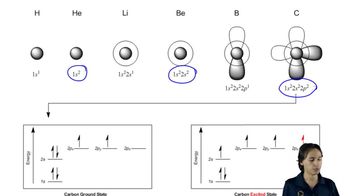
Atomic Structure
Sigma and Pi Bonds
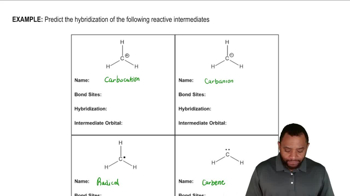
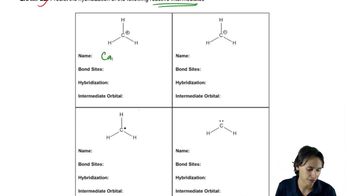
Hybridization
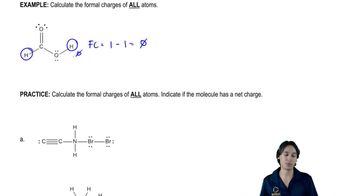
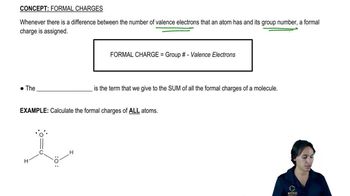
Formal Charges
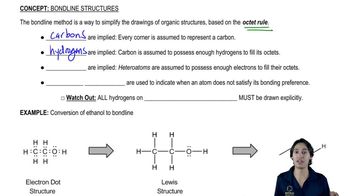
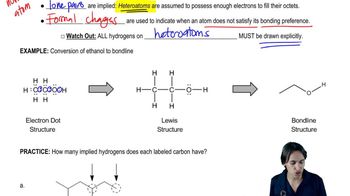
Skeletal Structure
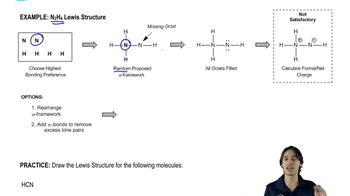
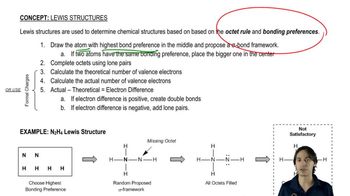
Lewis Structure
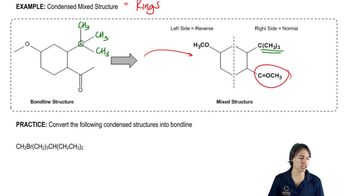
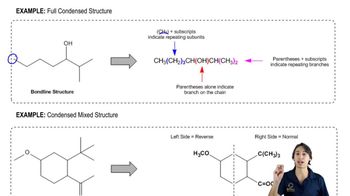
Condensed Structural Formula
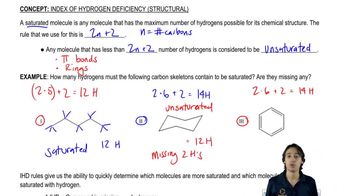
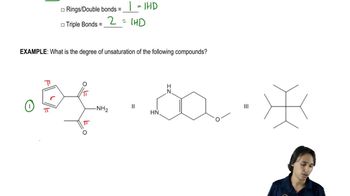
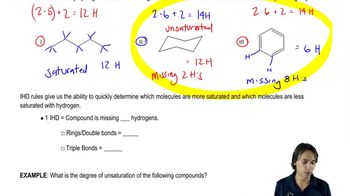
Index of Hydrogen Deficiency (Structural)
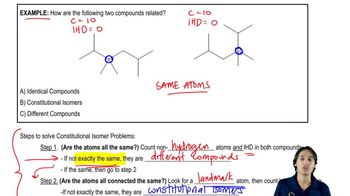
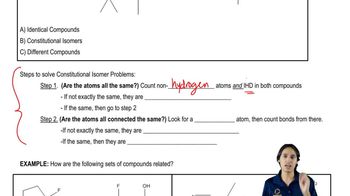
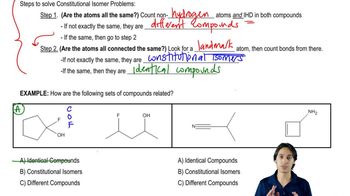
Constitutional Isomers
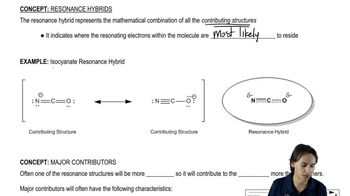
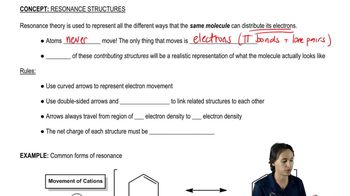
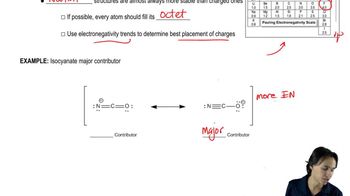
Resonance Structures
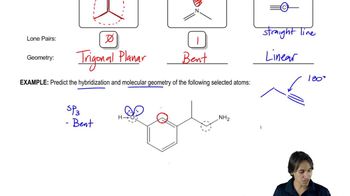
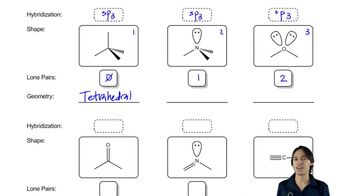
Molecular Geometry
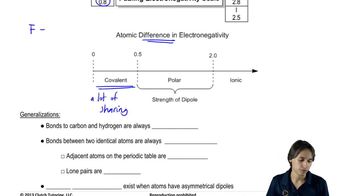
Electronegativity
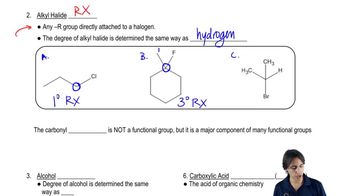
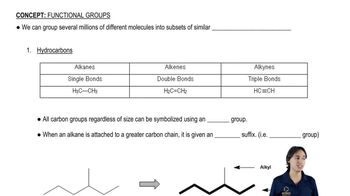
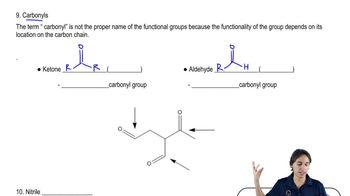
Functional Groups
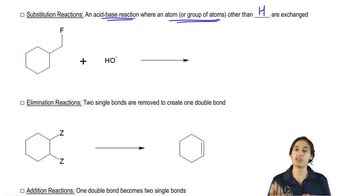
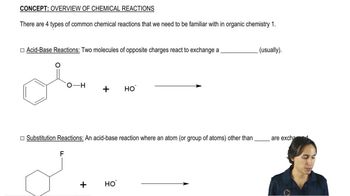
Overview of Chemical Reactions
Reaction Mechanism
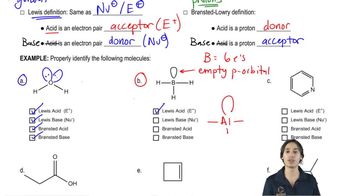
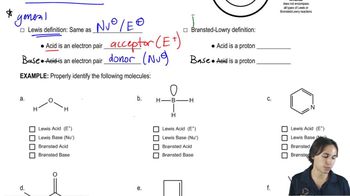
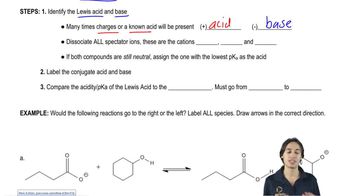
Acid and Base Definitions
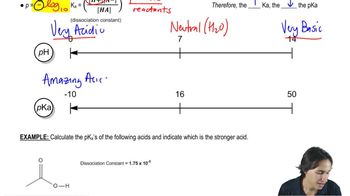
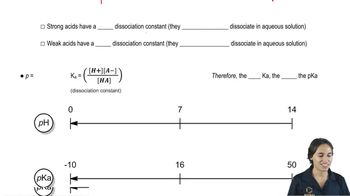
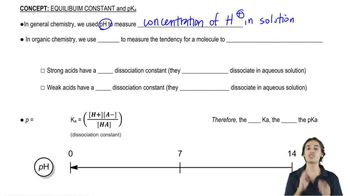
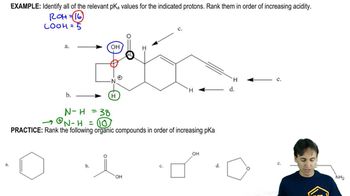
Equilibrium Constant and pKa
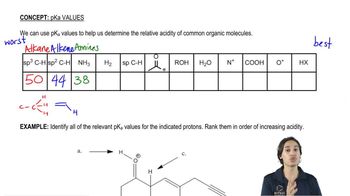
pKa Values
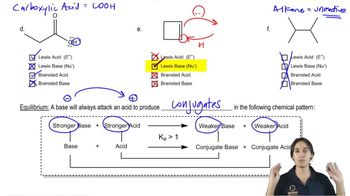
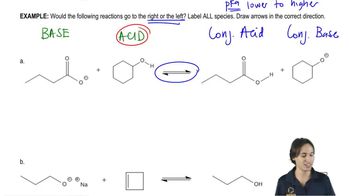
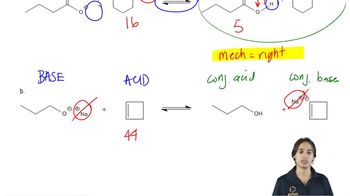
Acid Base Equilibrium
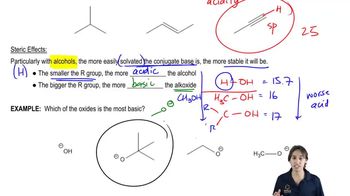
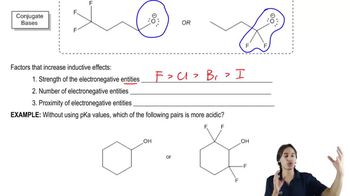
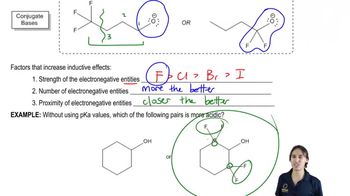
Factors Affecting Acidity
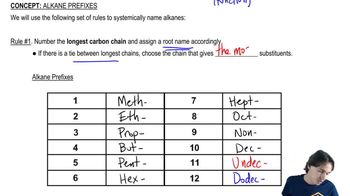
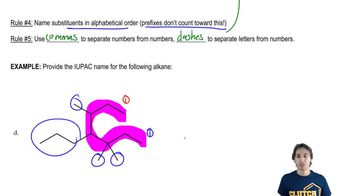
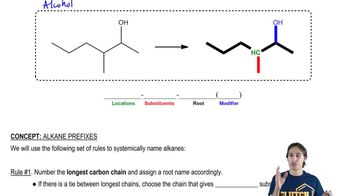
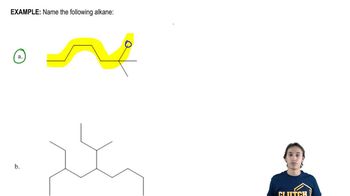
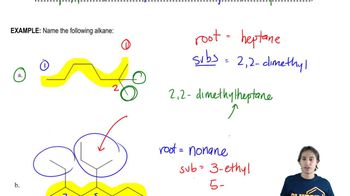
Alkane Nomenclature
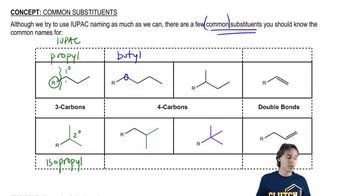
Common Substituents
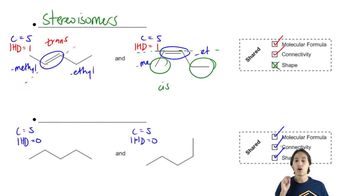
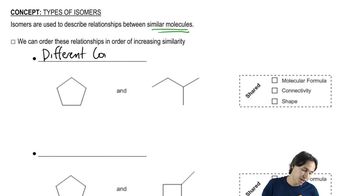
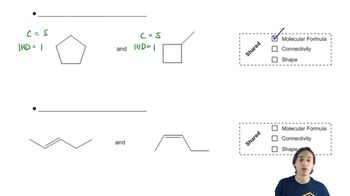
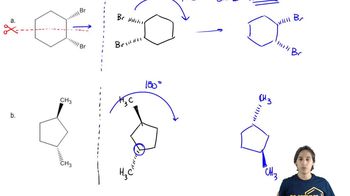
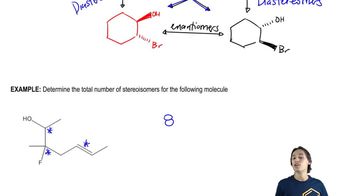
Types of Isomers
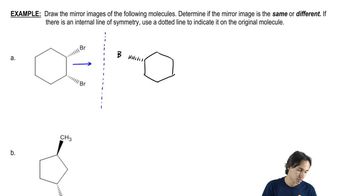
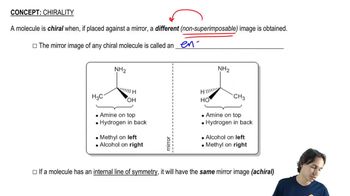
Chirality
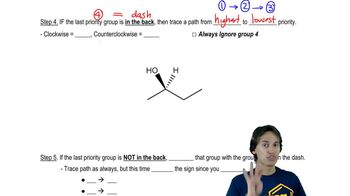
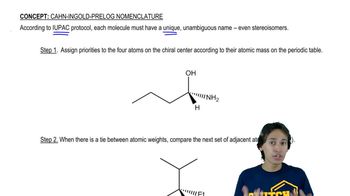
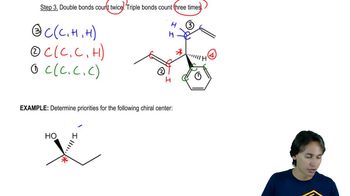
Cahn-Ingold-Prelog Nomenclature
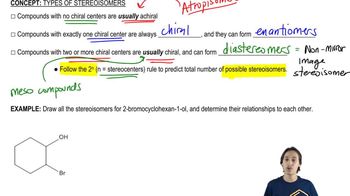
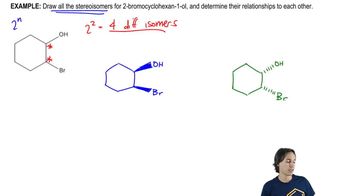
Types of Stereoisomers
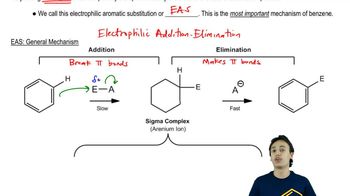
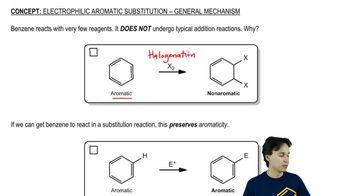
Electrophilic Aromatic Substitution – General Mechanism
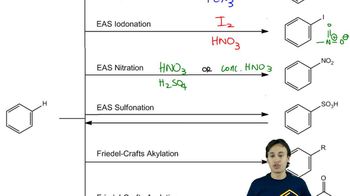
Electrophilic Aromatic Substitution – Reactions
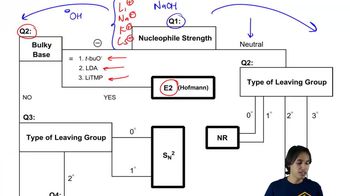
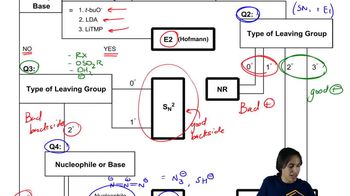
SN1 SN2 E1 E2 Chart (Big Daddy Flowchart)
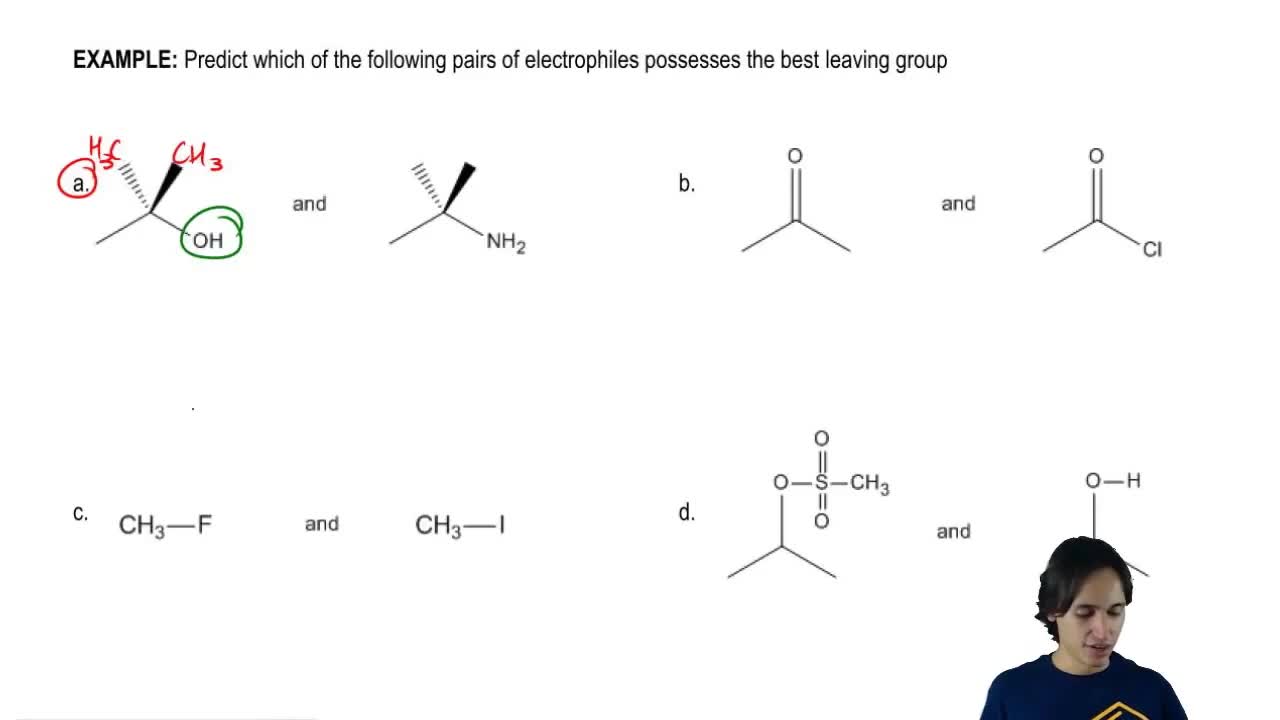
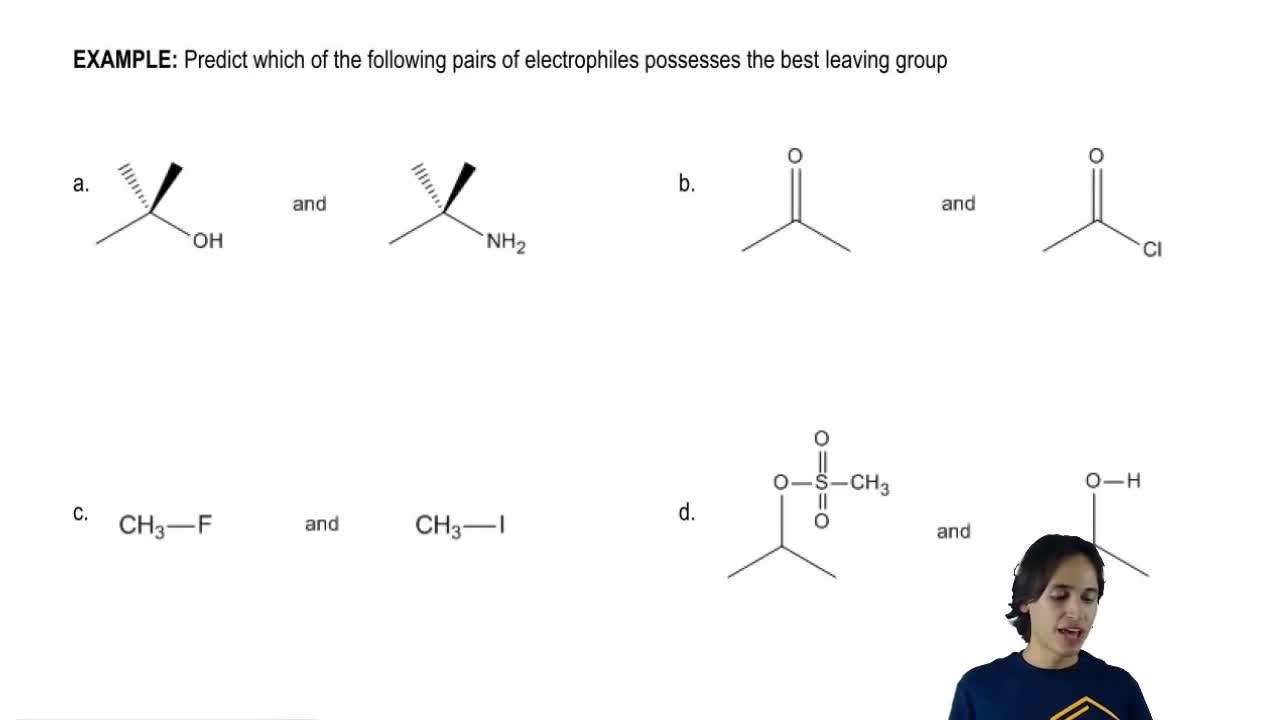
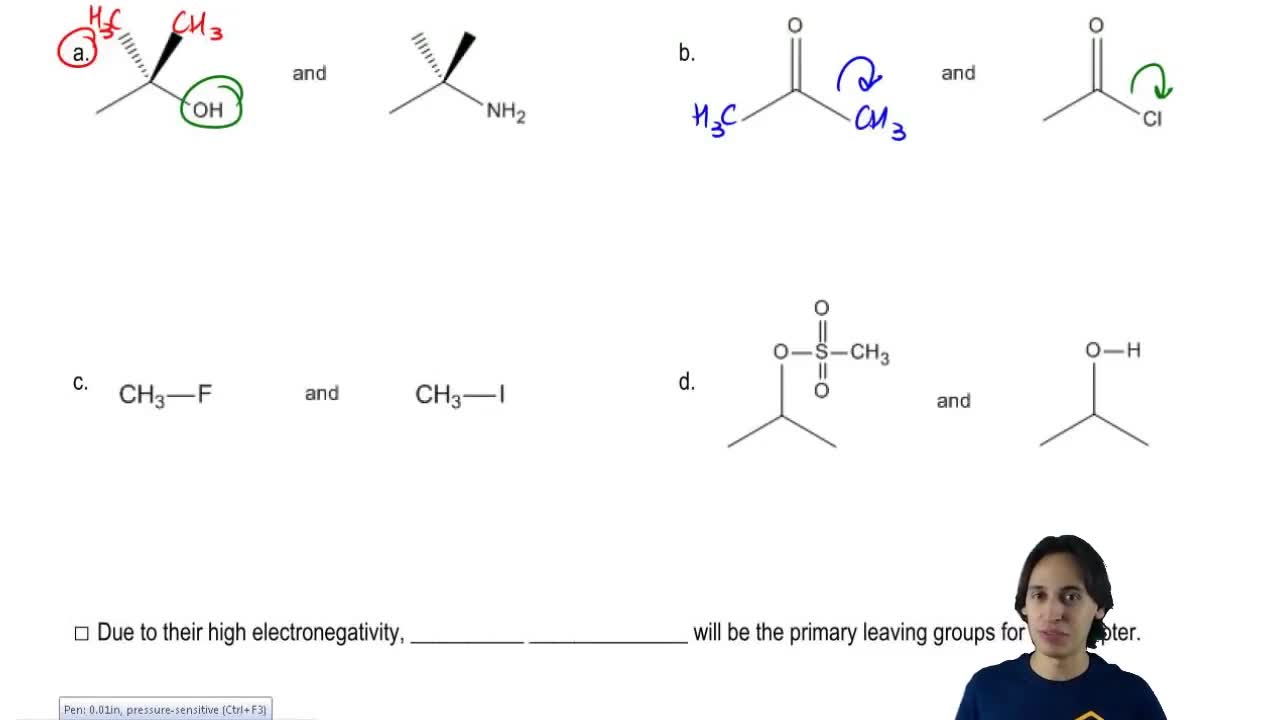
Leaving Groups
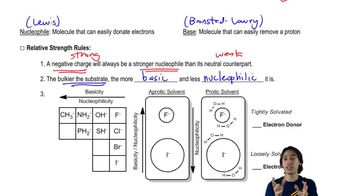
Nucleophiles and Basicity
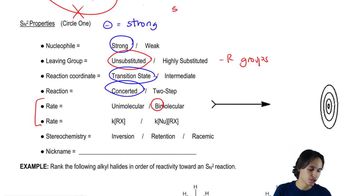
The SN2 Mechanism
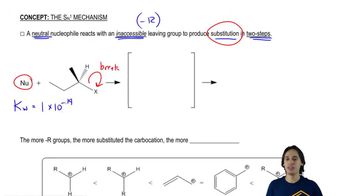
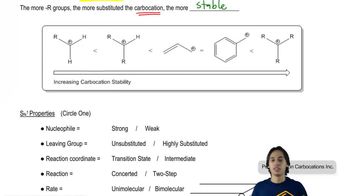
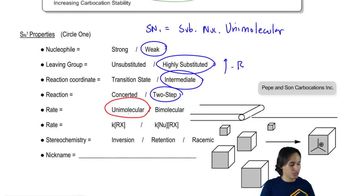
The SN1 Mechanism
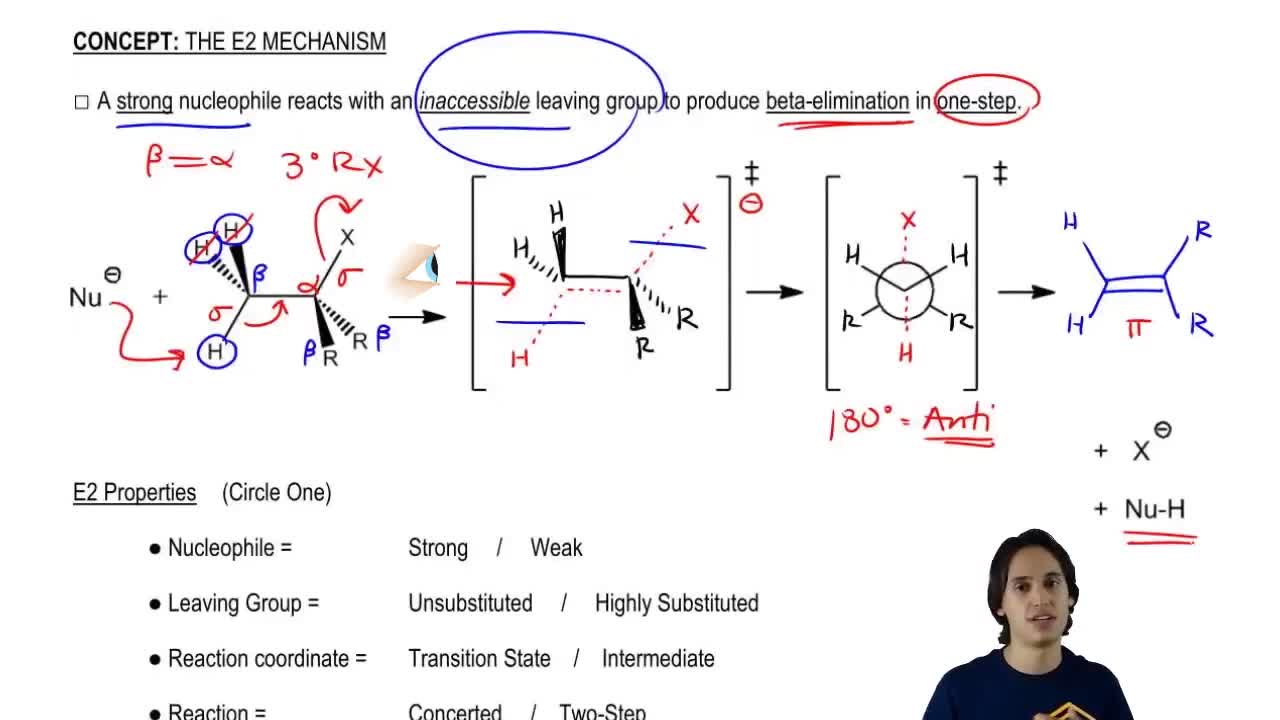
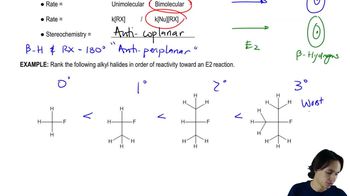
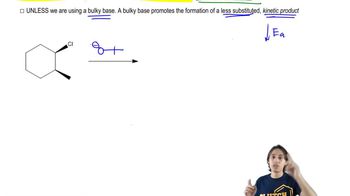
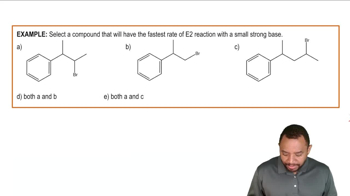
E2 Mechanism
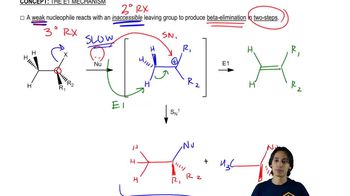
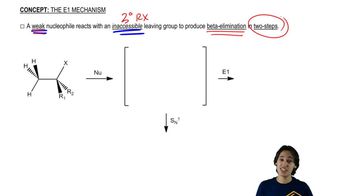
The E1 Mechanism
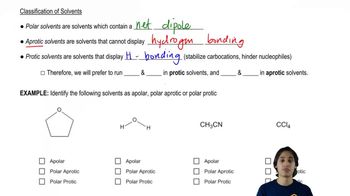
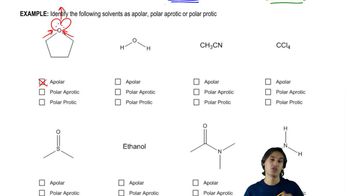
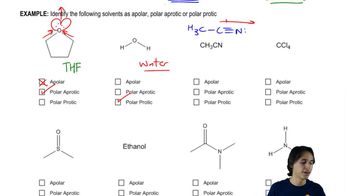
Solvents
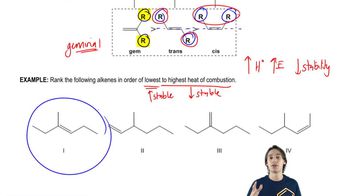
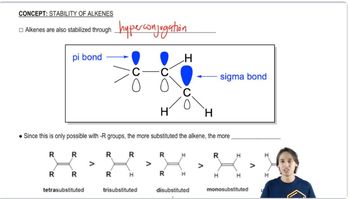
Stability of Alkenes
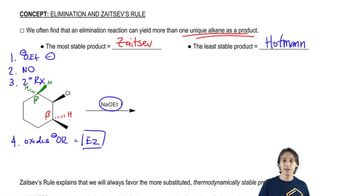
Elimination and Zaitsev's Rule
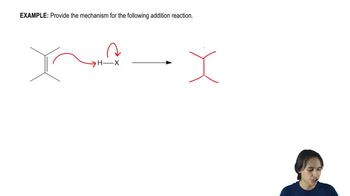
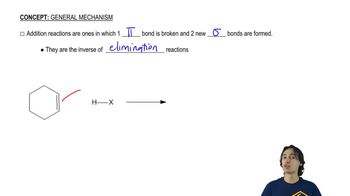
General Mechanism – Addition Reaction
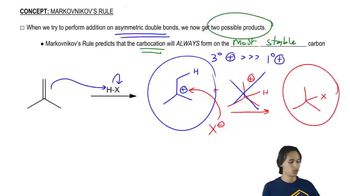
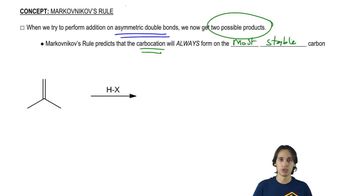
Markovnikov's Rule
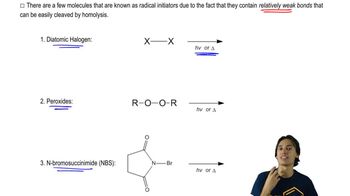
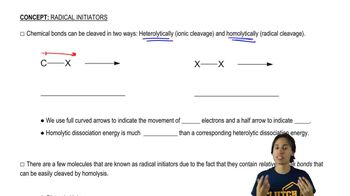
Radical Initiators
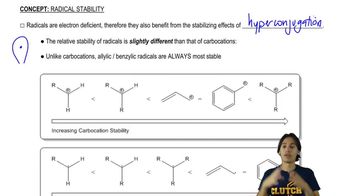
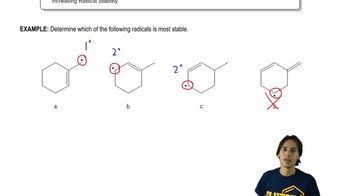
Radical Stability
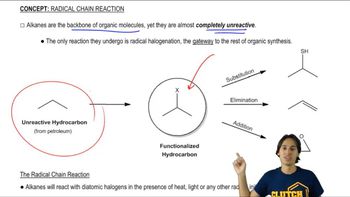
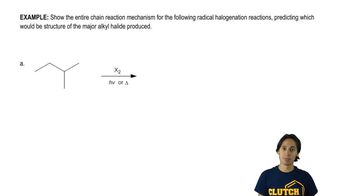
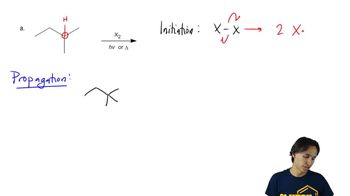
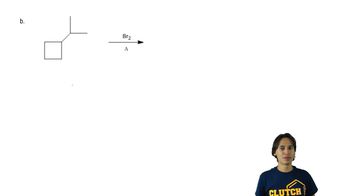
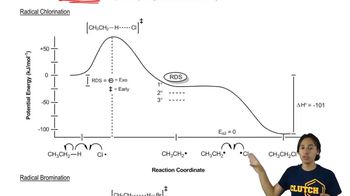
Radical Chain Reaction
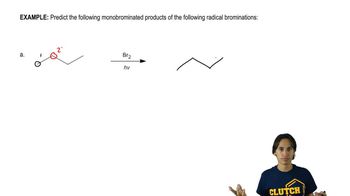
Radical Selectivity
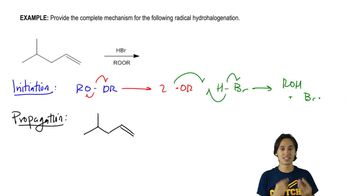
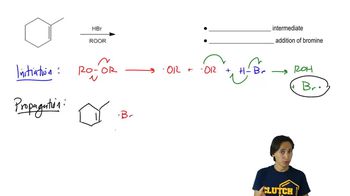
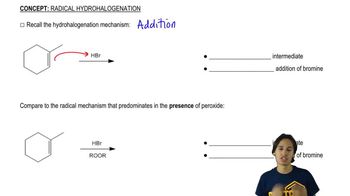
Radical Hydrohalogenation
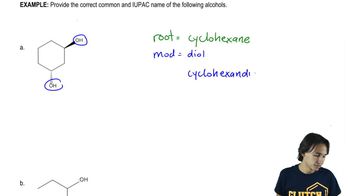
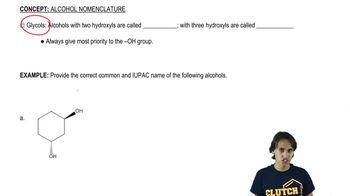
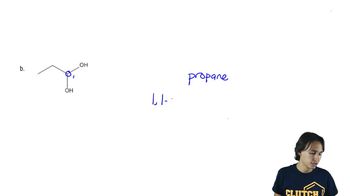
Alcohol Nomenclature
Synthesis of Alcohols Overview
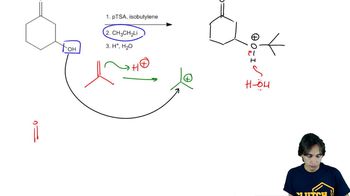
Use of Protecting Groups
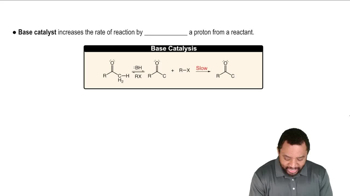
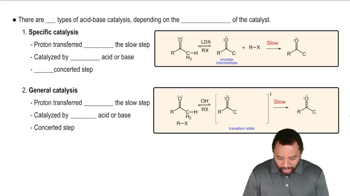
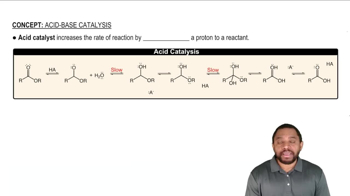
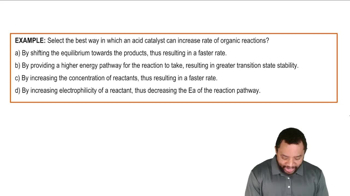
Acid-Base Catalysis
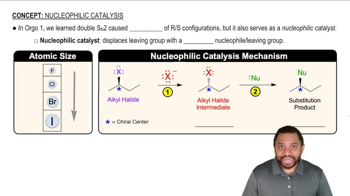
Nucleophilic Catalysis
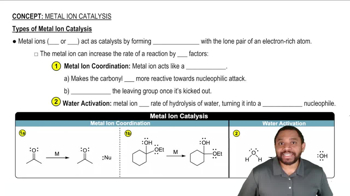
Metal Ion Catalysis
Metal Ion Catalysis: Water Activation
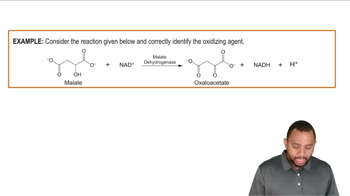
Intro to Redox
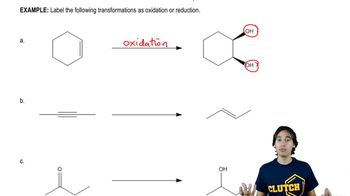
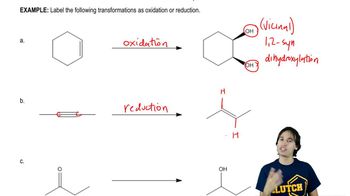
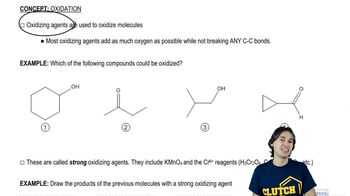
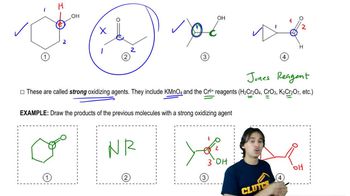
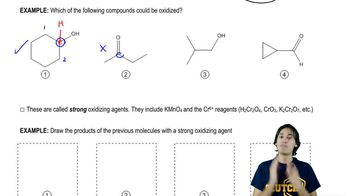
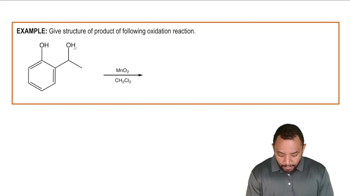
Oxidization
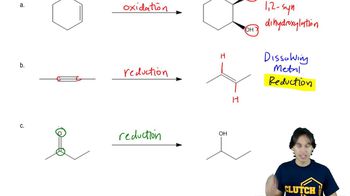
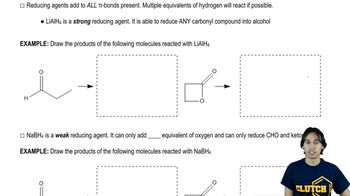
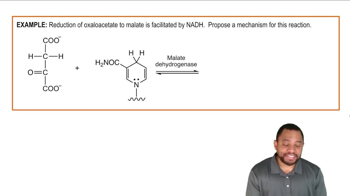
Reduction
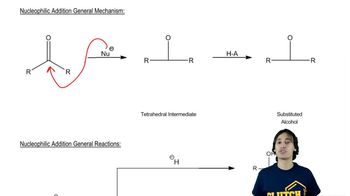
Nucleophilic Addition
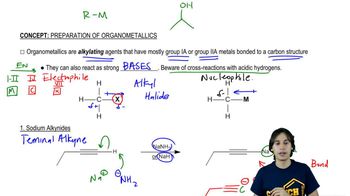
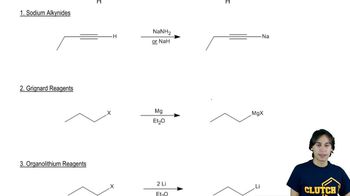
Preparation of Organometallics
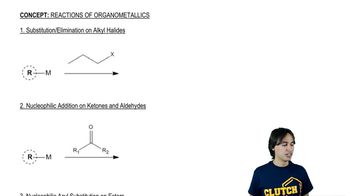
Reactions of Organometallics
Retrosynthesis
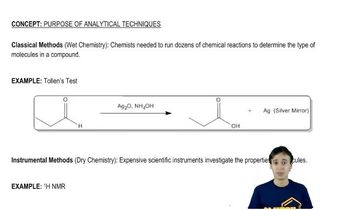
Purpose of Analytical Techniques
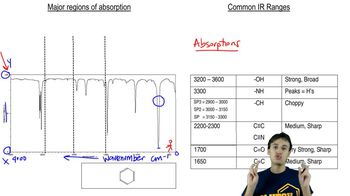
Infrared Spectroscopy
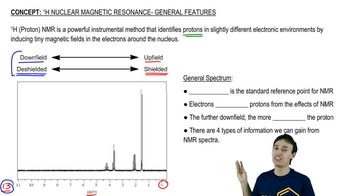
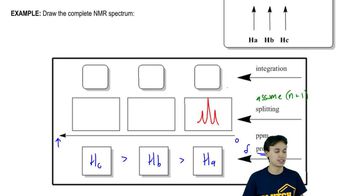
1H Nuclear Magnetic Resonance - General Features
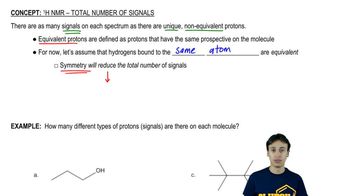
1H NMR - Total Number of Signals
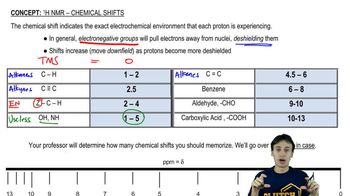
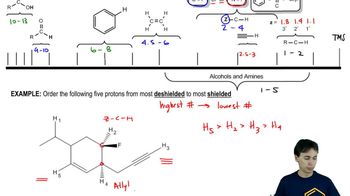
1H NMR - Chemical Shifts
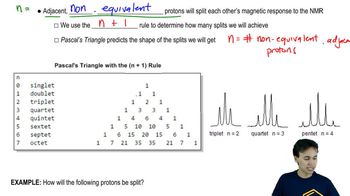
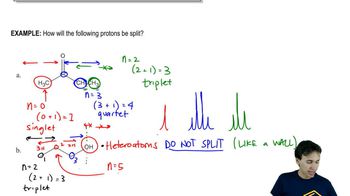
1H NMR - Spin-Splitting without J-Values
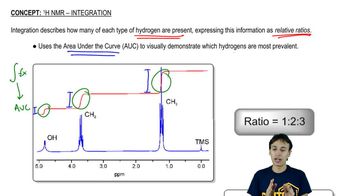
1H NMR - Integration
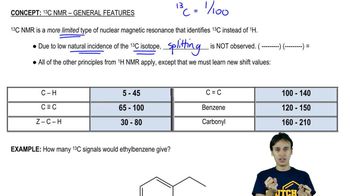
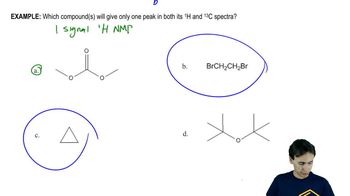
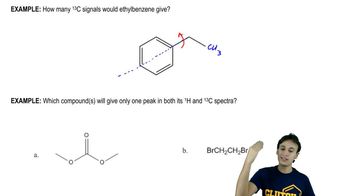
13C NMR - General Features
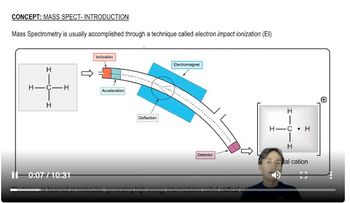
Mass Spect - Introduction
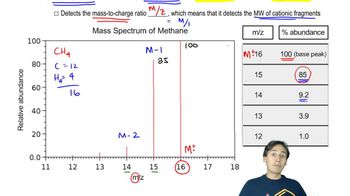
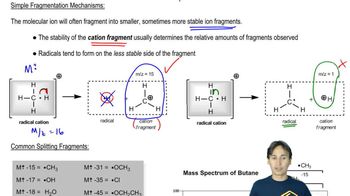
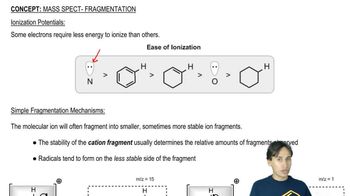
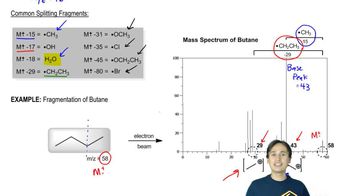
Mass Spect - Fragmentation
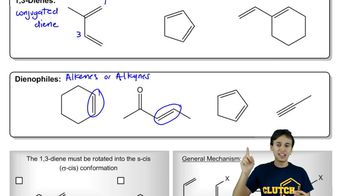
Introduction to Conjugation
Stability of Conjugated Intermediates
Diels-Alder Reaction - General Features
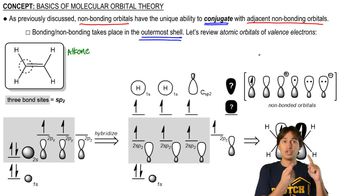
Basics of Molecular Orbital Theory
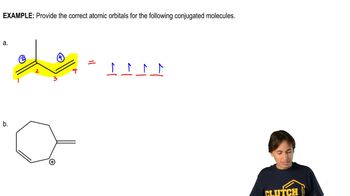
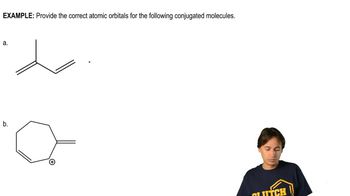
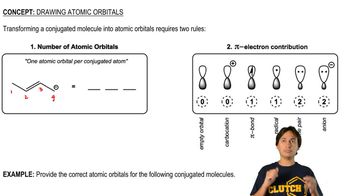
Drawing Atomic Orbitals
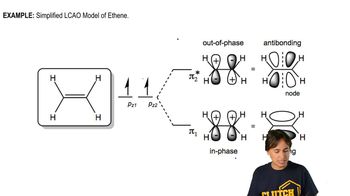
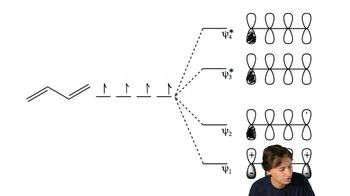
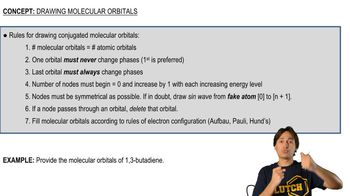
Drawing Molecular Orbitals
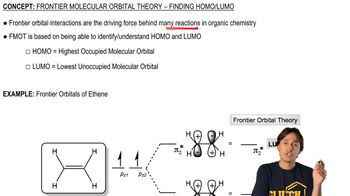
Frontier Molecular Orbital Theory - Finding HOMO/LUMO
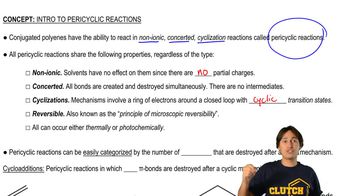
Intro to Pericyclic Reactions
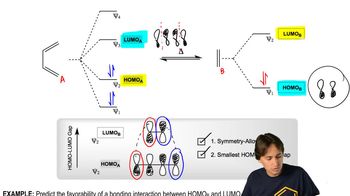
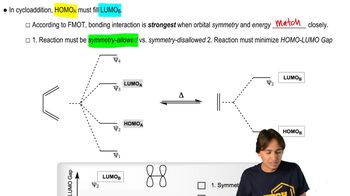
Thermal Cycloaddition Reactions
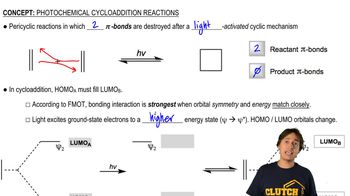
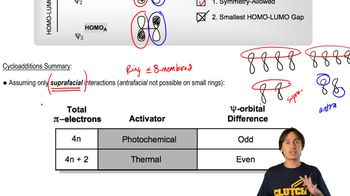
Photochemical Cycloaddition Reactions
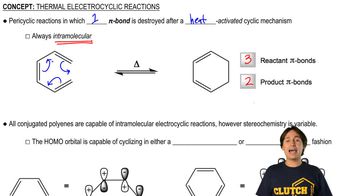
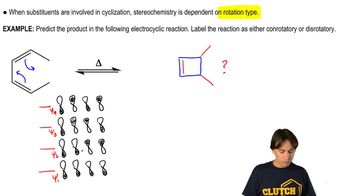
Thermal Electrocyclic Reactions
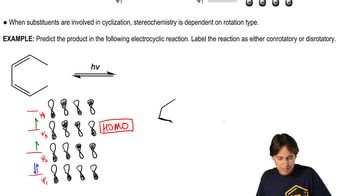
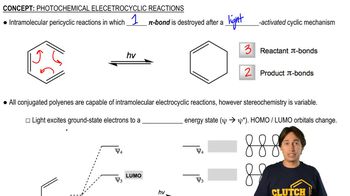
Photochemical Electrocyclic Reactions
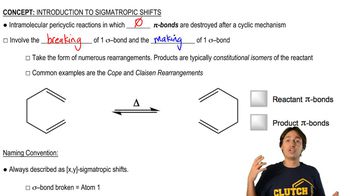
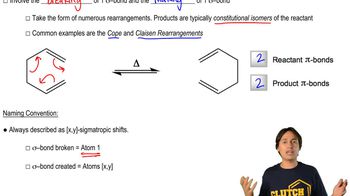
Introduction to Sigmatropic Shifts
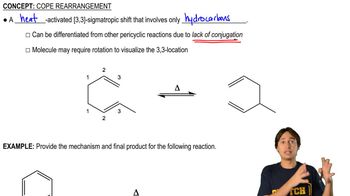
Cope Rearrangement
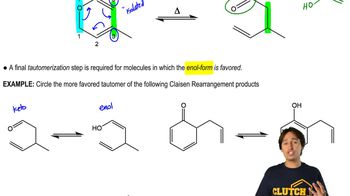
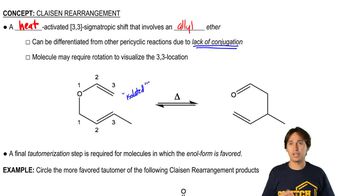
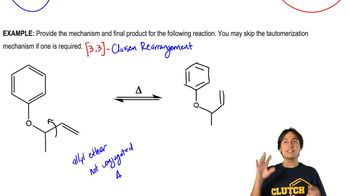
Claisen Rearrangement
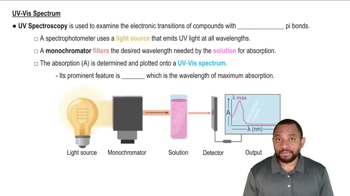
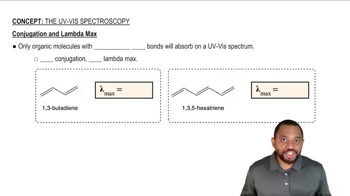
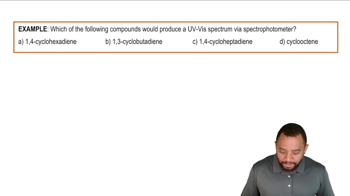
The UV-Vis Spectroscopy
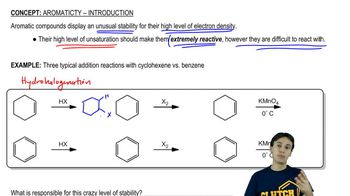
Aromaticity - Introduction
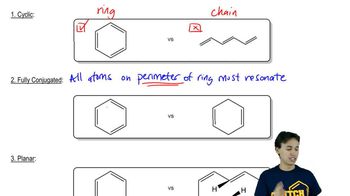
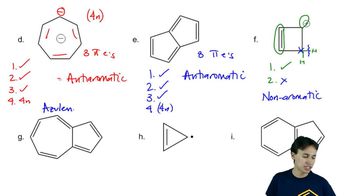
Four Tests of Aromaticity
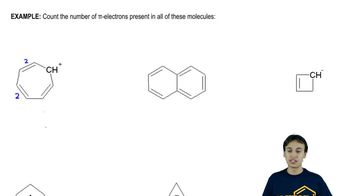
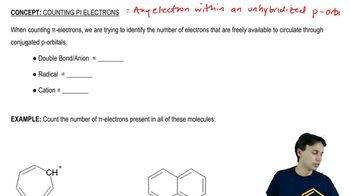
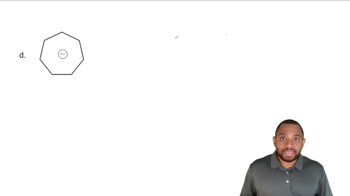
Counting Pi Electrons
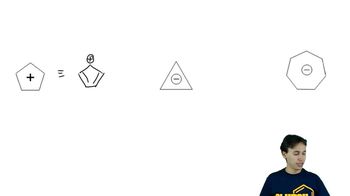
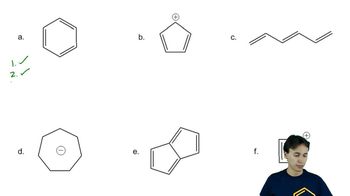
Aromaticity of Hydrocarbons
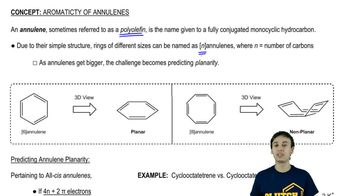
Aromaticity of Annulene
Aromaticity of Heterocycles
Benzene Nomenclature
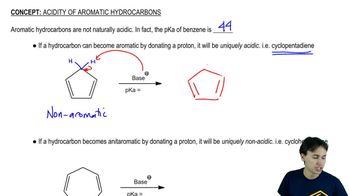
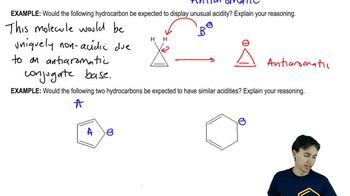
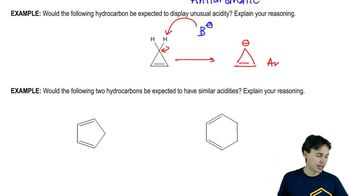
Acidity of Aromatic Hydrocarbons
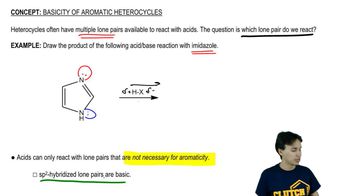
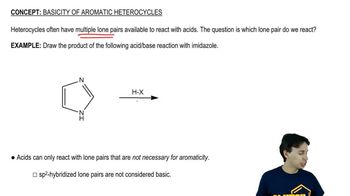
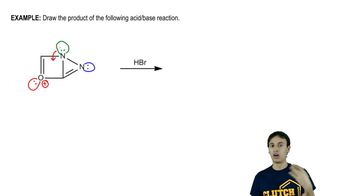
Basicity of Aromatic Heterocycles
Ionization of Aromatics
Electrophilic Aromatic Substitution – General Mechanism
Electrophilic Aromatic Substitution – Reactions
Generating Electrophiles – EAS Halogenation
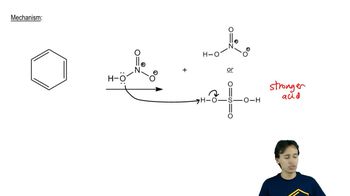
Generating Electrophiles – EAS Nitration
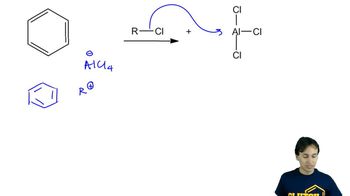
Generating Electrophiles – Friedel-Crafts Alkylation
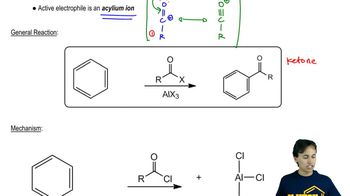
Generating Electrophiles – Friedel-Crafts Acylation
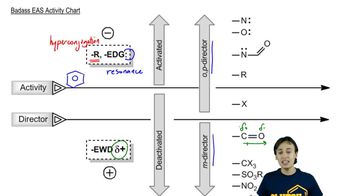
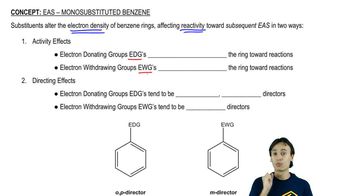
EAS – Monosubstituted Benzene
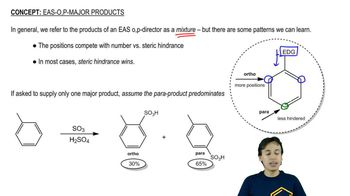
EAS-o, p-Major Products
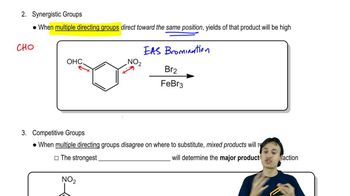
EAS – Polysubstituted Benzene
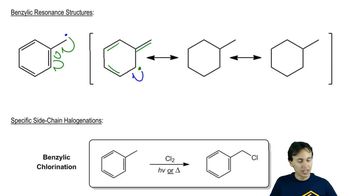
Side-Chain Halogenation
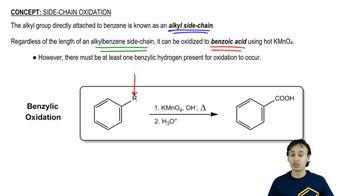
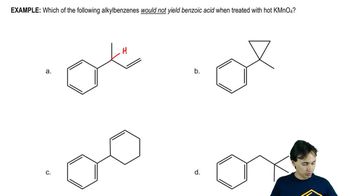
Side-Chain Oxidation
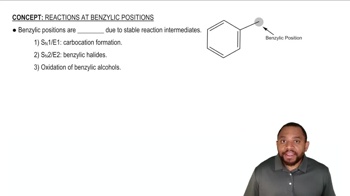
Reactions at Benzylic Positions
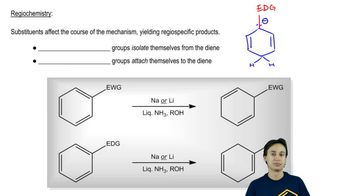
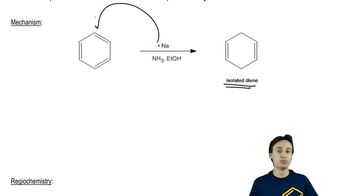
Birch Reduction
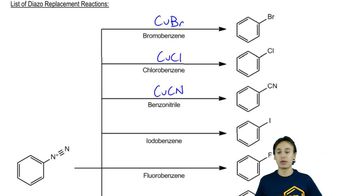
Diazonium Compounds – Replacements Reactions
Diazo Compounds – Sequence Groups
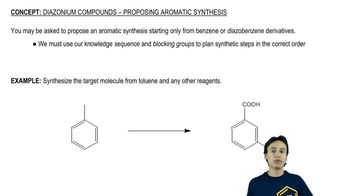
Diazonium Compounds – Proposing Aromatic Synthesis
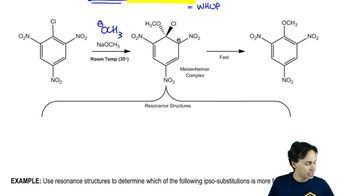
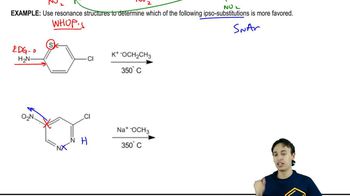
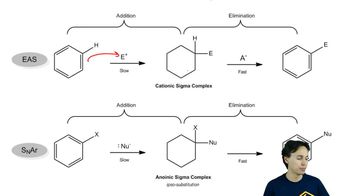
SNAr Addition-Elimination Mechanism
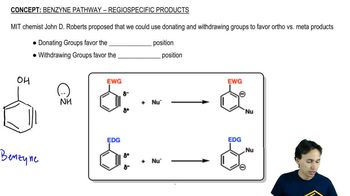
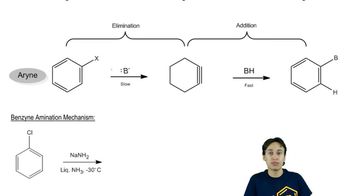
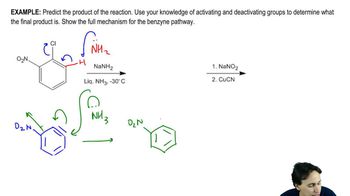
Benzyne Pathway – General Mechanism
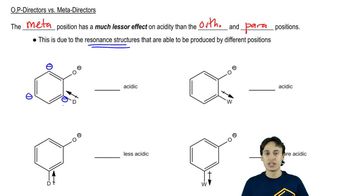
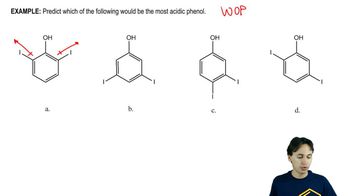
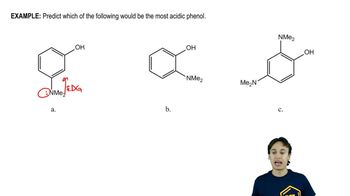
Acidity of Phenols
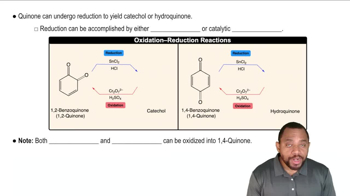
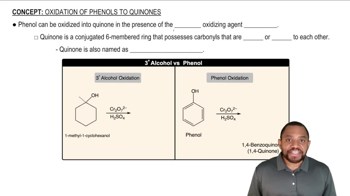
Oxidation of Phenols to Quinones
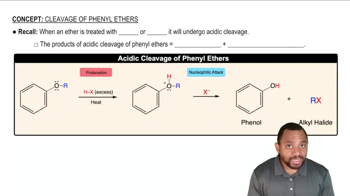
Cleavage of Phenyl Ethers
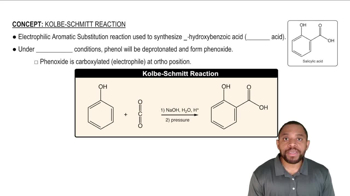
Kolbe-Schmidt Reaction
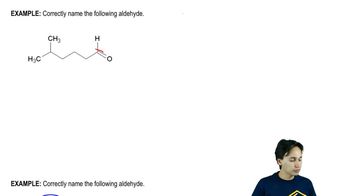
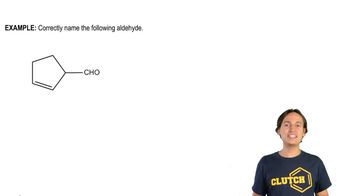
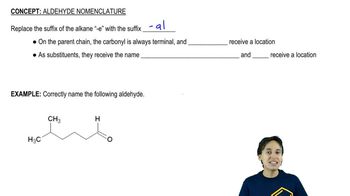
Aldehyde Nomenclature
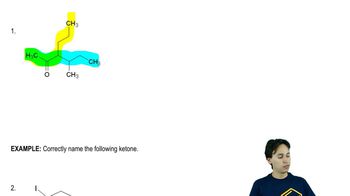
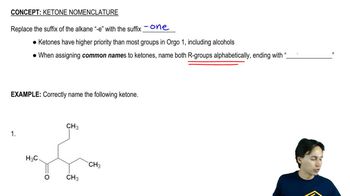
Ketone Nomenclature
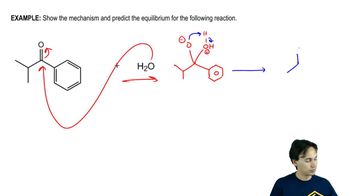
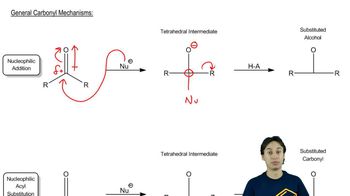
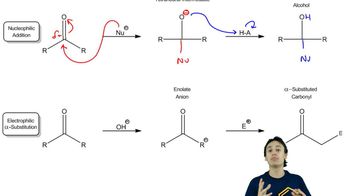
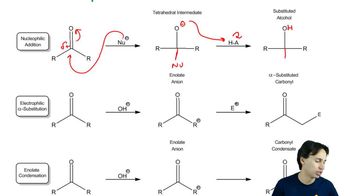
Nucleophilic Addition
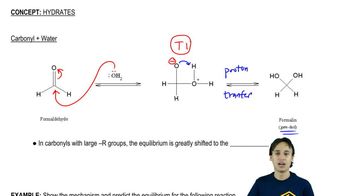
Hydrates
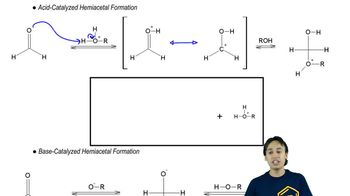
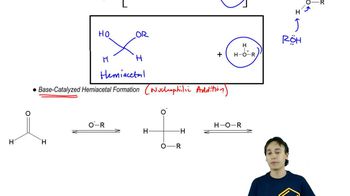
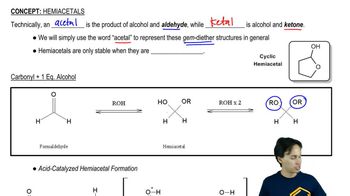
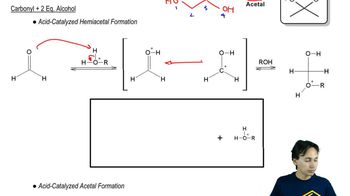
Hemiacetals
Acetals
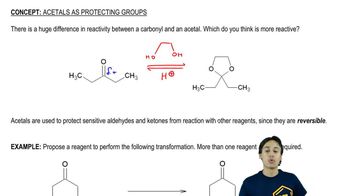
Acetals as Protecting Groups
Imines and Enamines
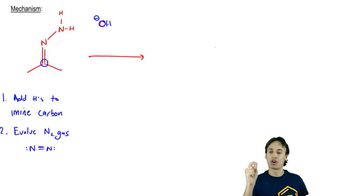
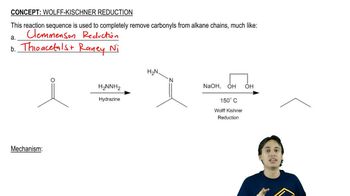
Wolff Kishner Reduction
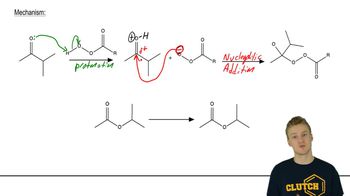
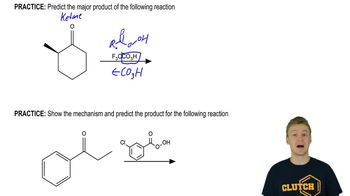
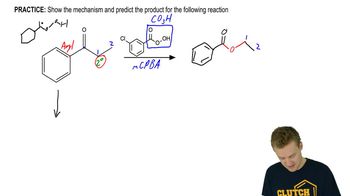
Baeyer-Villiger Oxidation
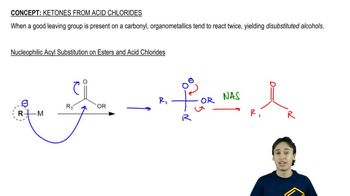
Ketones from Acid Chlorides
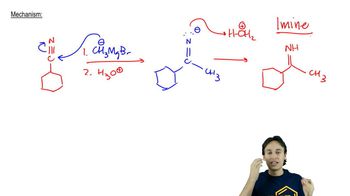
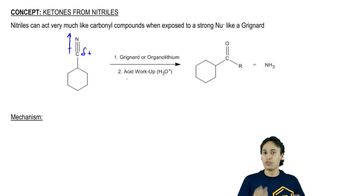
Ketones from Nitriles
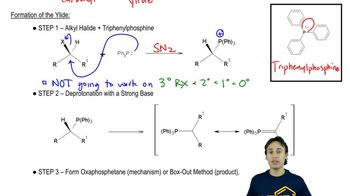
Wittig Reaction
Ketone and Aldehyde Synthesis Reactions
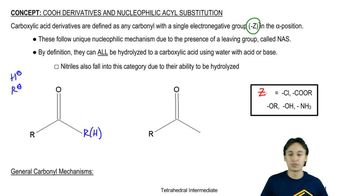
COOH Derivatives and Nucleophilic Acyl Substitution
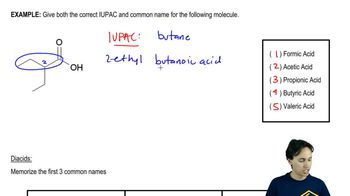
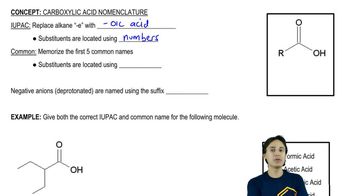
Carboxylic Acid Nomenclature
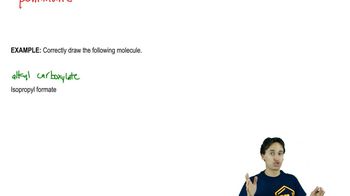
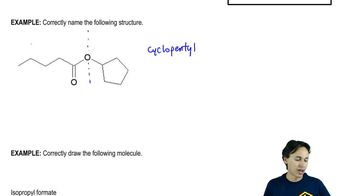
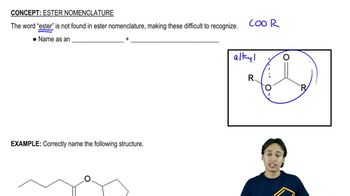
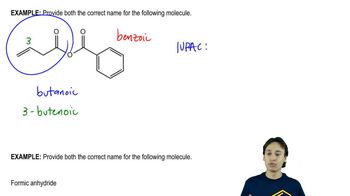
Ester Nomenclature
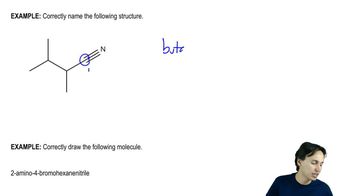
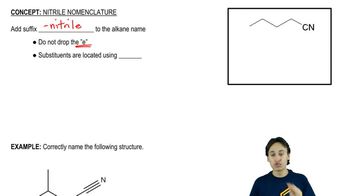
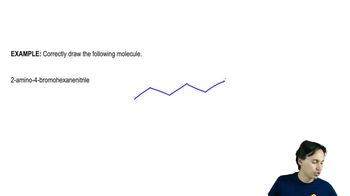
Nitrile Nomenclature
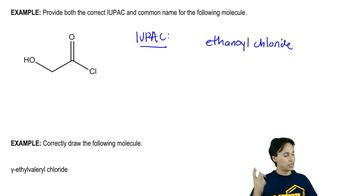
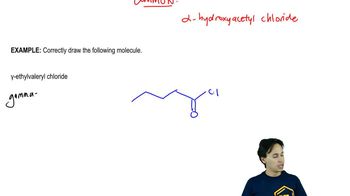
Acid Chloride Nomenclature
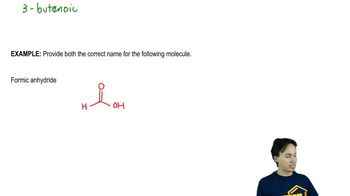
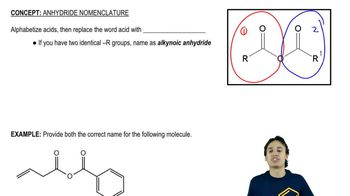
Anhydride Nomenclature
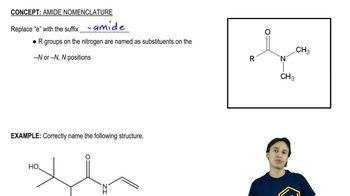
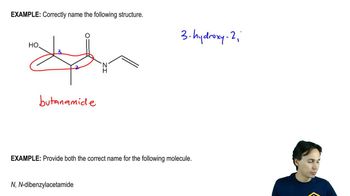
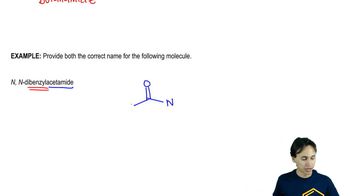
Amide Nomenclature
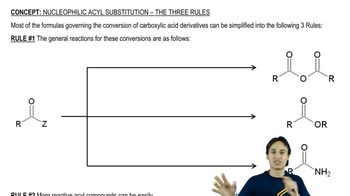
Nucleophilic Acyl Substitution – The Three Rules
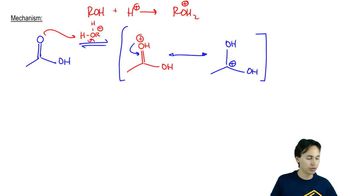
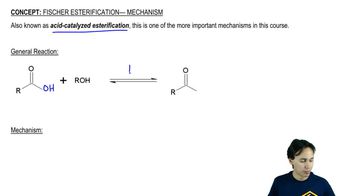
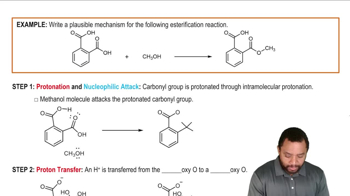
Fischer Esterification – Mechanism
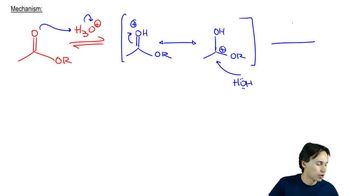
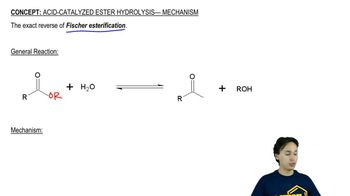
Acid-Catalyzed Ester Hydrolysis – Mechanism
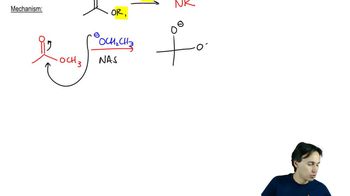
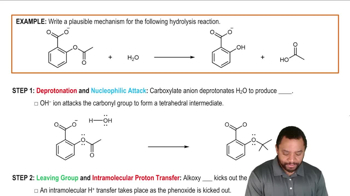
Base-Catalyzed Ester Hydrolysis – Mechanism
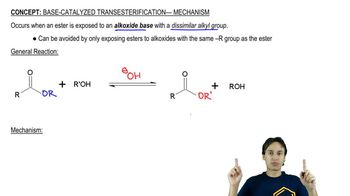
Base-Catalyzed Transesterificaation – Mechanism
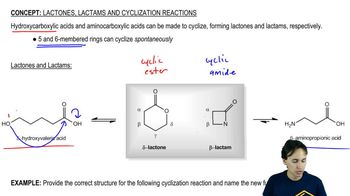
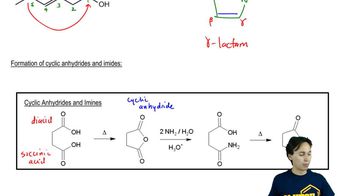
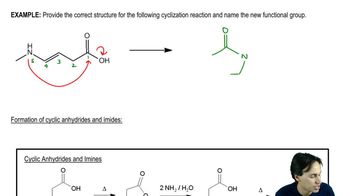
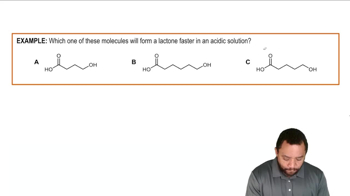
Lactones, Lactams and Cyclization Reactions
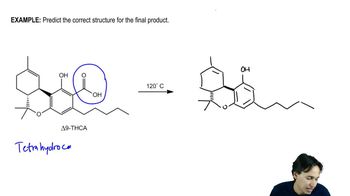
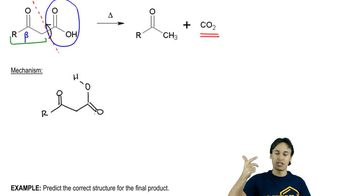
Decarboxylation
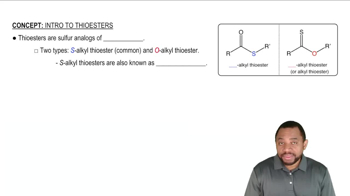
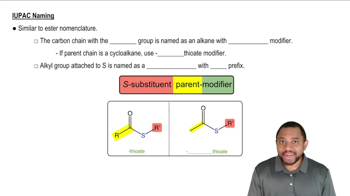
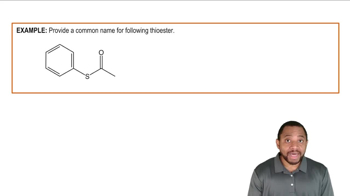
Intro to Thioesters
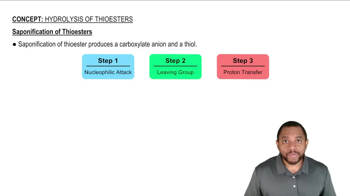
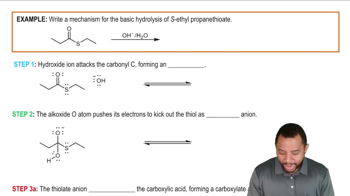
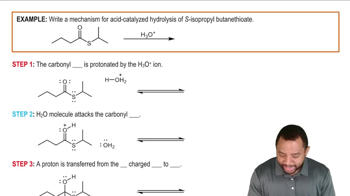
Hydrolysis of Thioesters
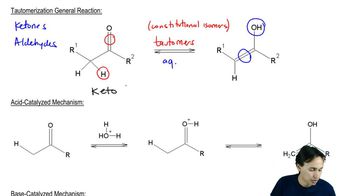
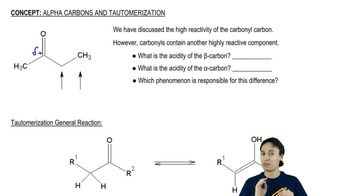
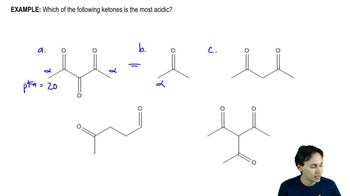
Alpha Carbons and Tautomerization
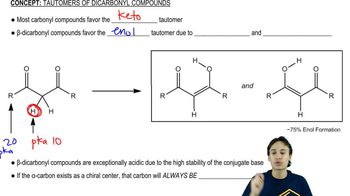
Tautomers of Dicarbonyl Compounds
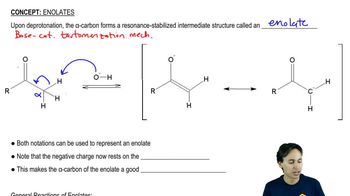
Enolates
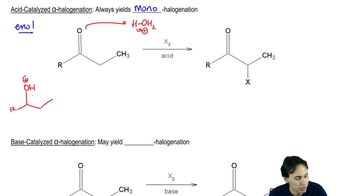
Acid-Catalyzed Alpha-Halogenation
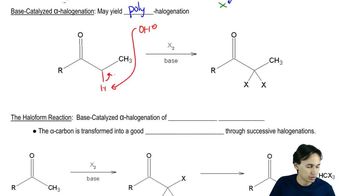
Base-Catalyzed Alpha-Halogenation
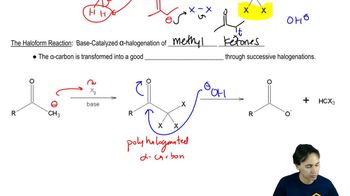
Haloform Reaction
Hell-Volhard-Zelinski Reaction
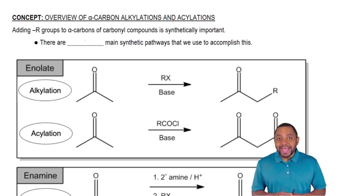
Overview of α-Carbon Alkylations and Acylations
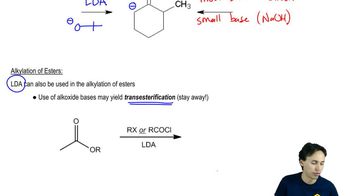
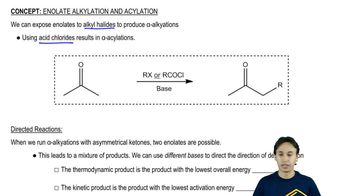
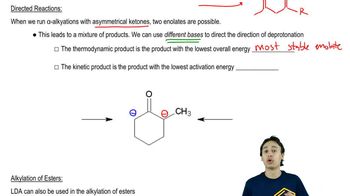
Enolate Alkylation and Acylation
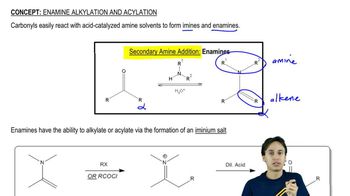
Enamine Alkylation and Acylation
Beta-Dicarbonyl Synthesis Pathway
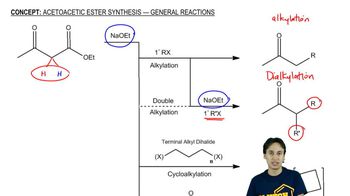
Acetoacetic Ester Synthesis
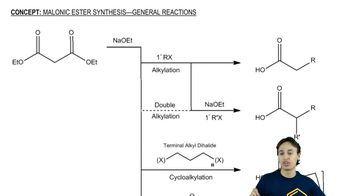
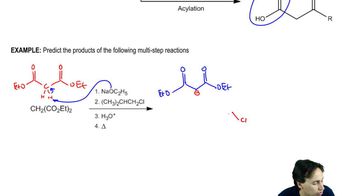
Malonic Ester Synthesis
Condensation Reactions
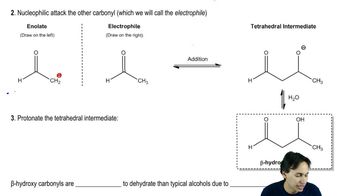
Aldol Condensation
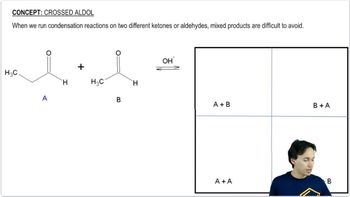
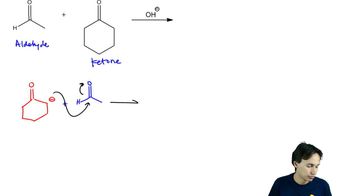
Crossed Aldol Condensation
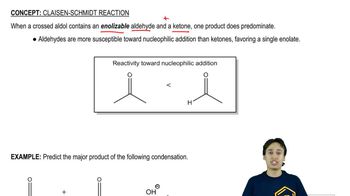
Claisen-Schmidt Reaction
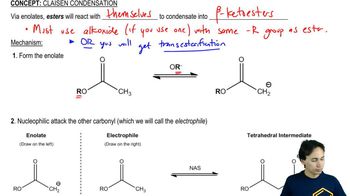
Claisen Condensation
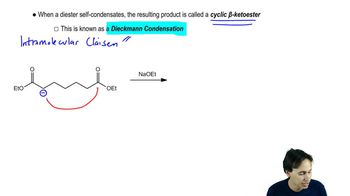
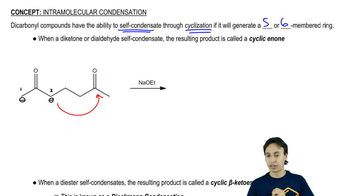
Intramolecular Condensation
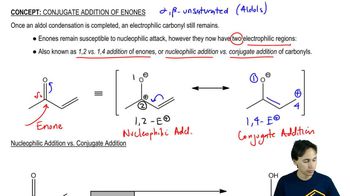
Conjugate Addition of Enones
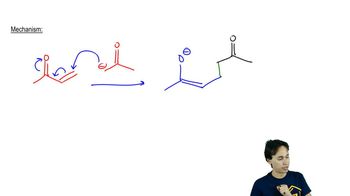
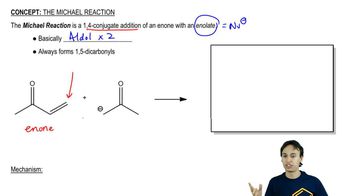
The Michael Reaction
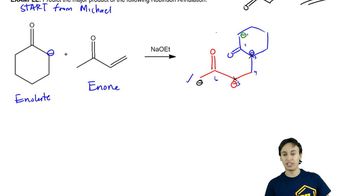
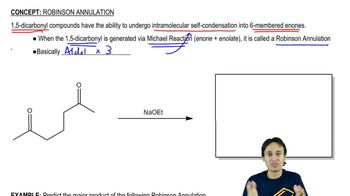
Robinson Annulation
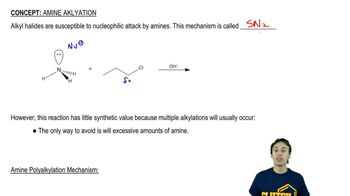
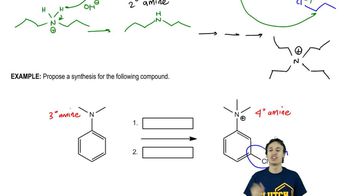
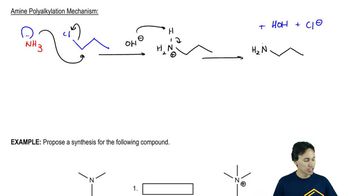
Amine Alkylation
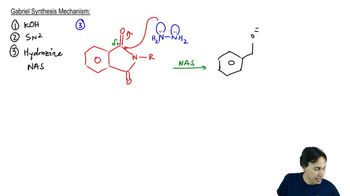
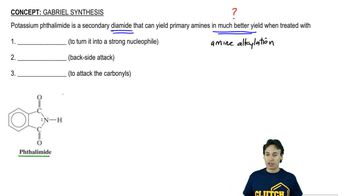
Gabriel Synthesis
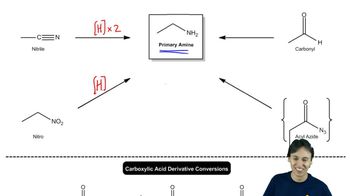
Amines by Reduction
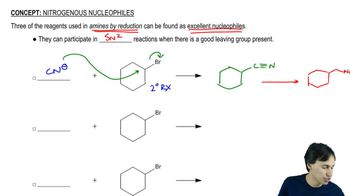
Nitrogenous Nucleophiles
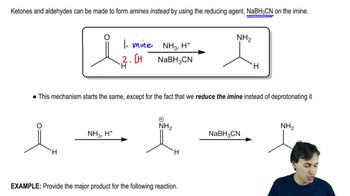
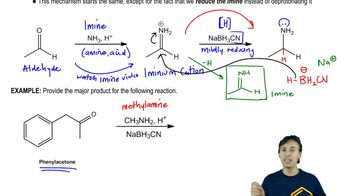
Reductive Amination
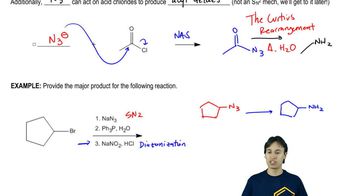
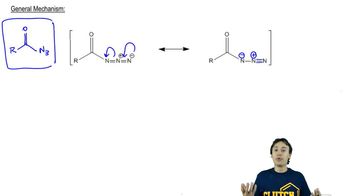
Curtius Rearrangement
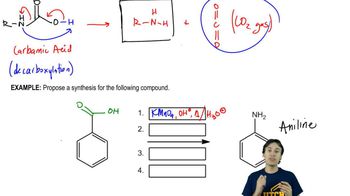
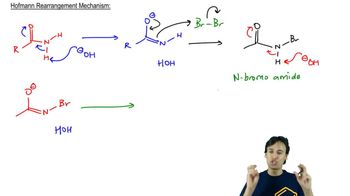
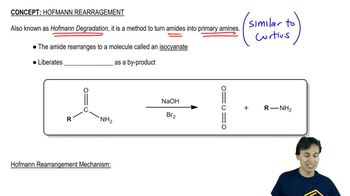
Hofmann Rearrangement
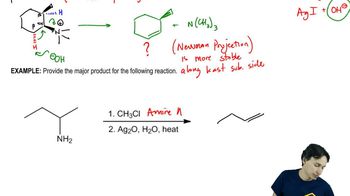
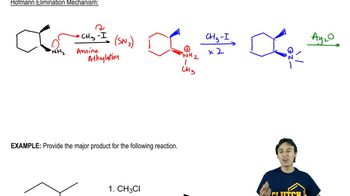
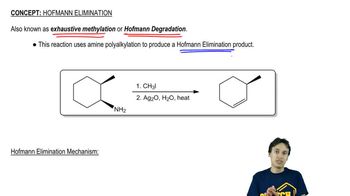
Hofmann Elimination
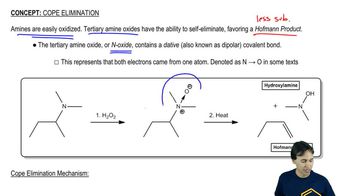
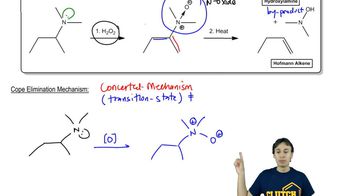
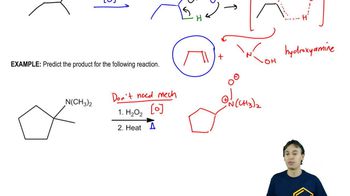
Cope Elimination
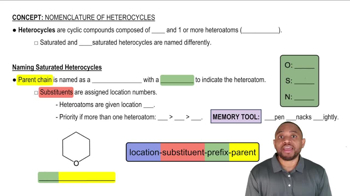
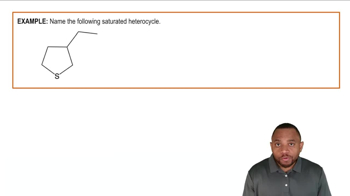
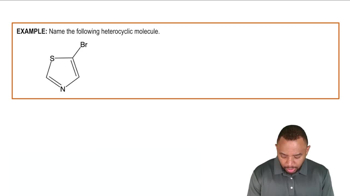
Nomenclature of Heterocycles
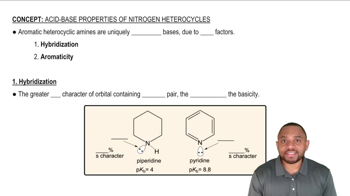
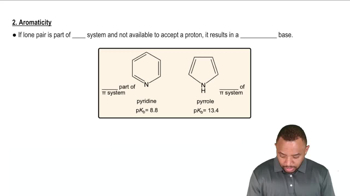
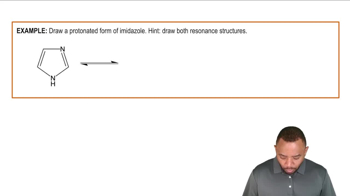
Acid-Base Properties of Nitrogen Heterocycles
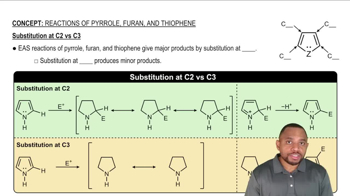
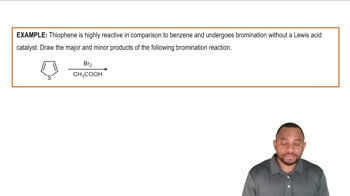
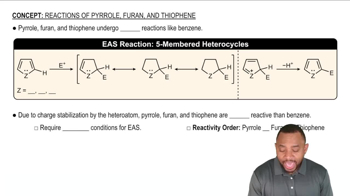
Reactions of Pyrrole, Furan, and Thiophene
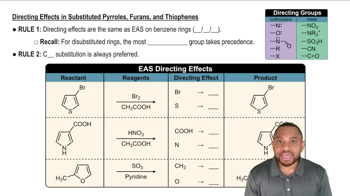
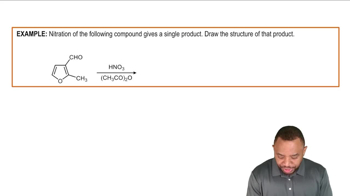
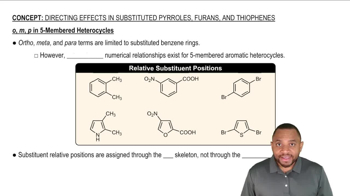
Directing Effects in Substituted Pyrroles, Furans, and Thiophenes
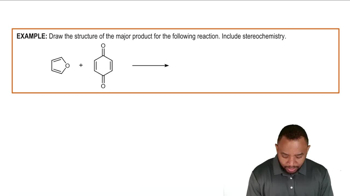
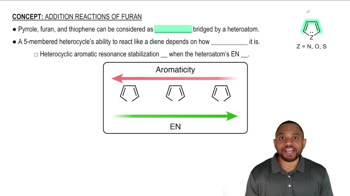
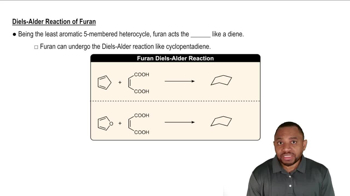
Addition Reactions of Furan
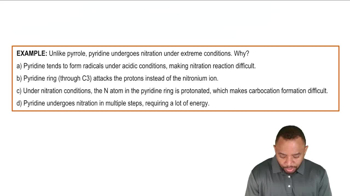
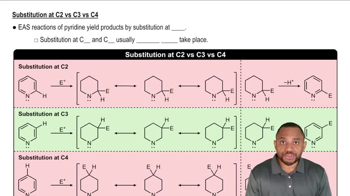
EAS Reactions of Pyridine
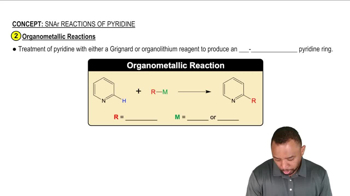
SNAr Reactions of Pyridine
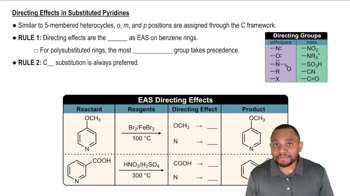
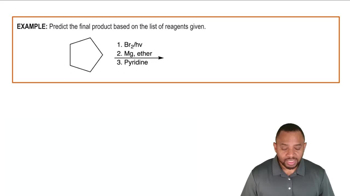
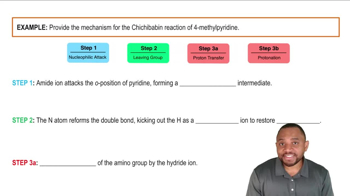
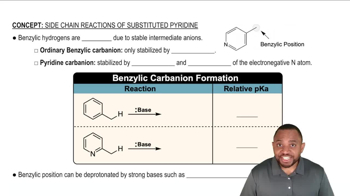
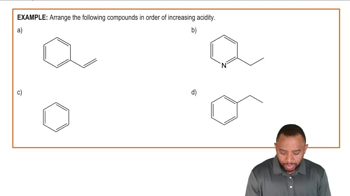
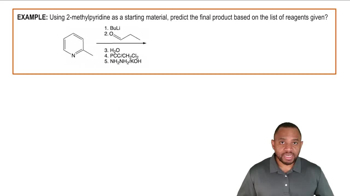
Side-Chain Reactions of Substituted Pyridines
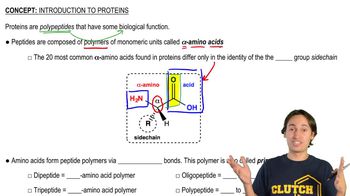
Introduction to Proteins
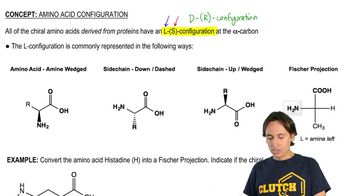
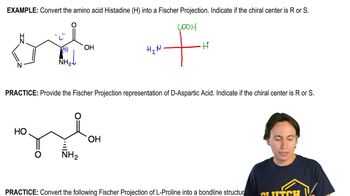
Amino Acid Configuration
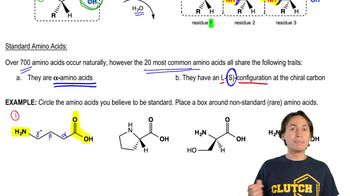
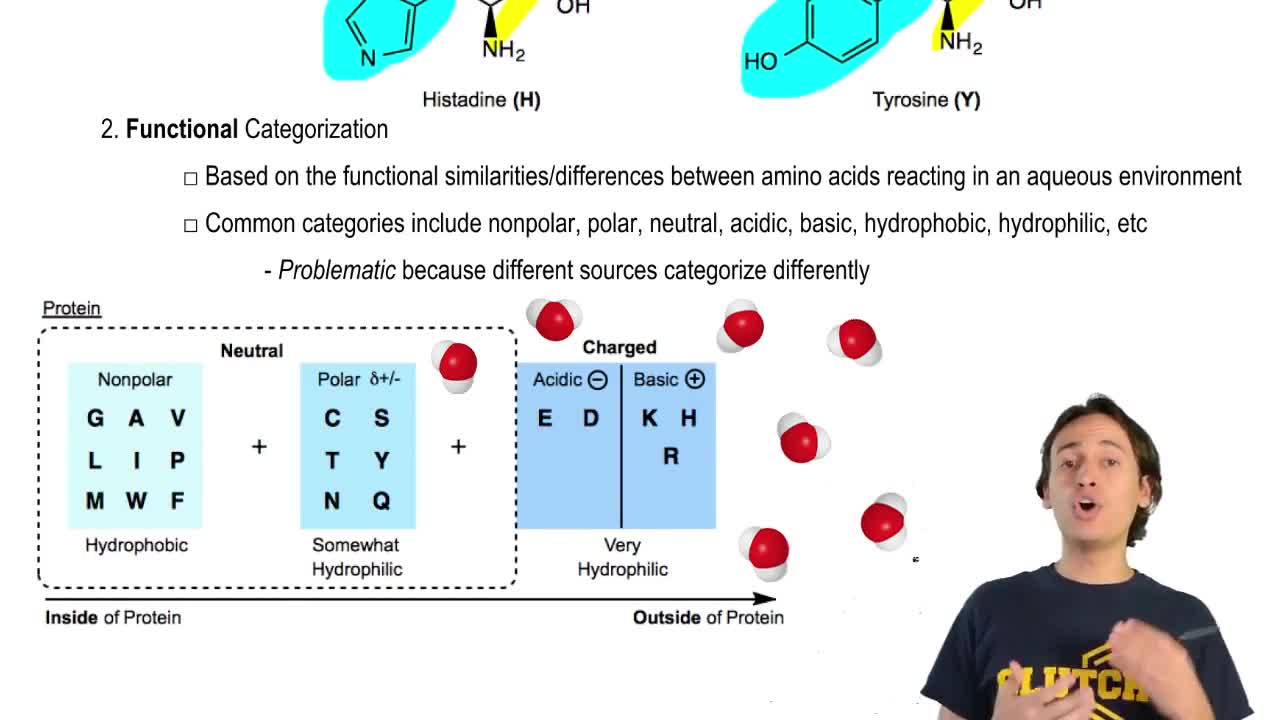
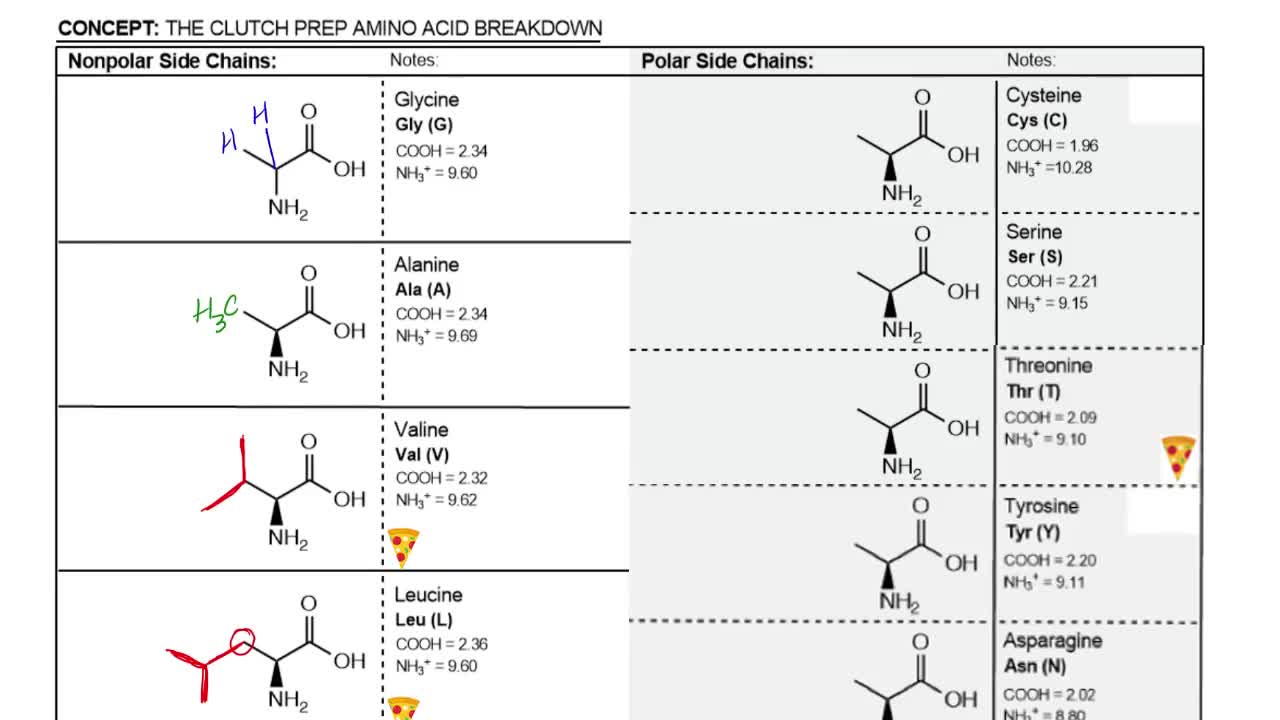
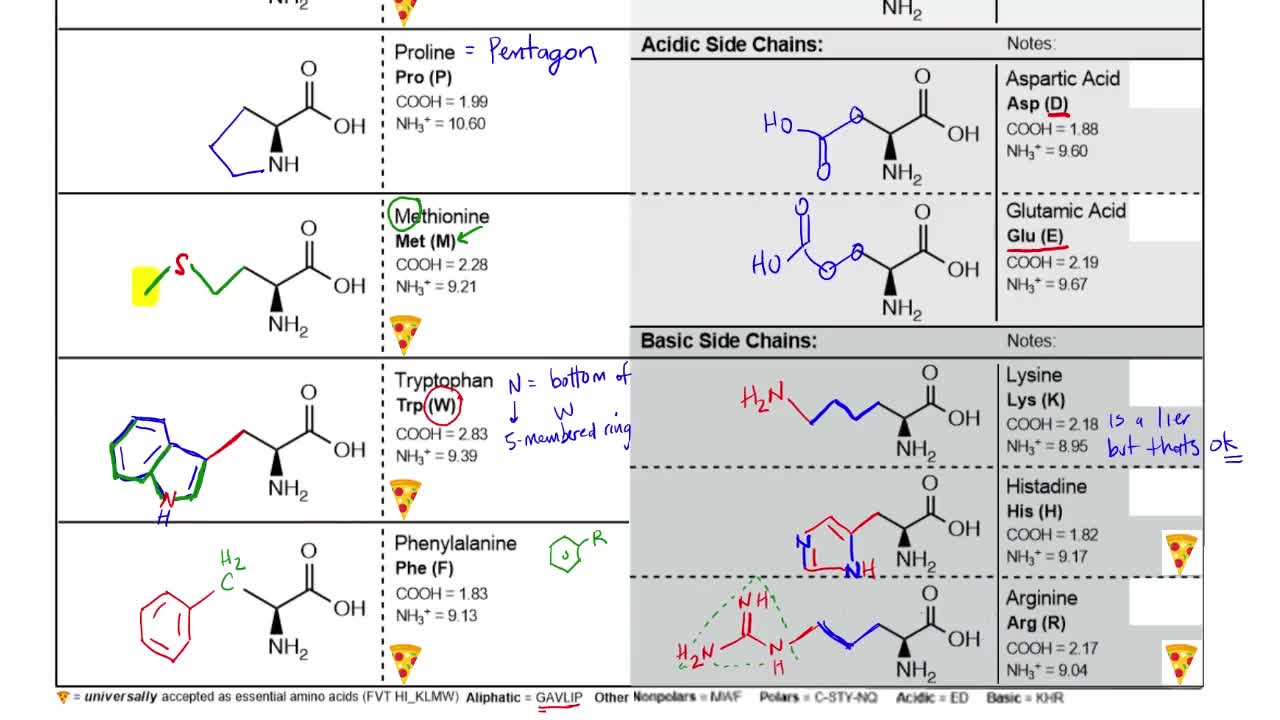
The 20 Amino Acids - Introduction
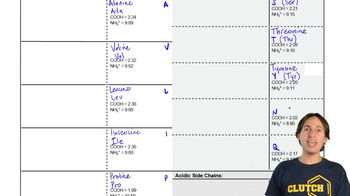
Amino Acid Chart
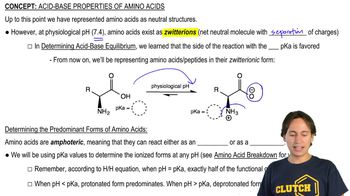
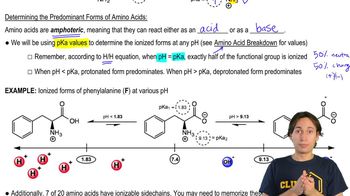
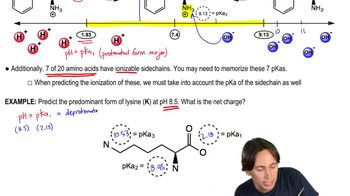
Acid-Base Properties of Amino Acids
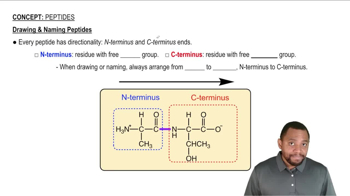
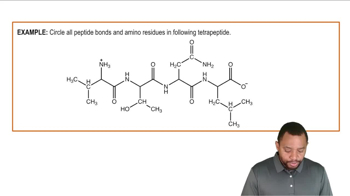
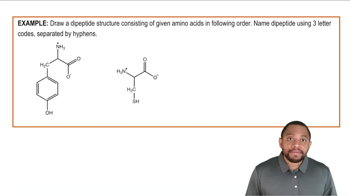
Peptides
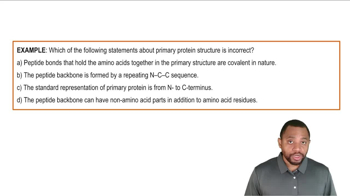
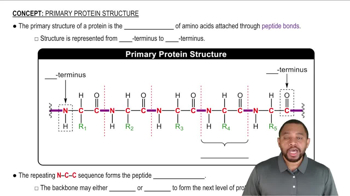
Primary Protein Structure
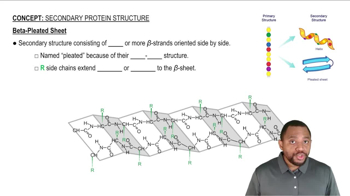
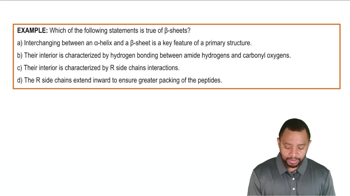
Secondary Protein Structure
Tertiary Protein Structure
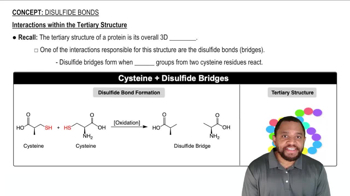
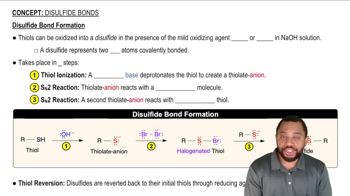
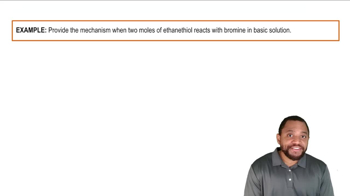
Disulfide Bonds
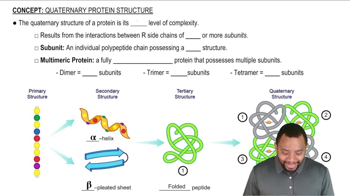
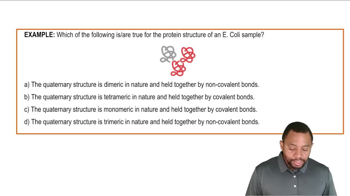
Quaternary Protein Structure
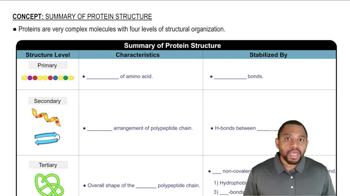
Summary of Protein Structure
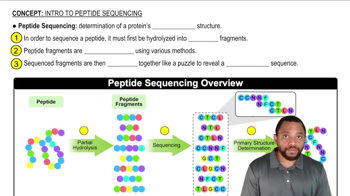
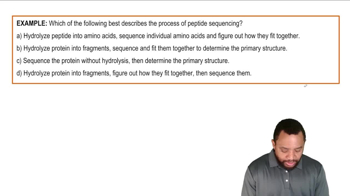
Intro to Peptide Sequencing
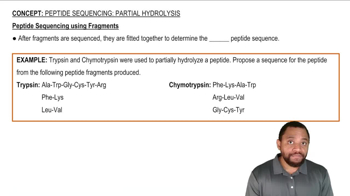
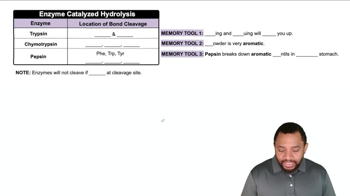
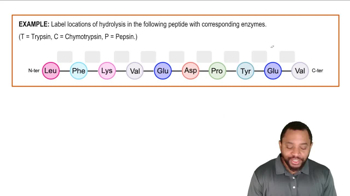
Peptide Sequencing: Partial Hydrolysis
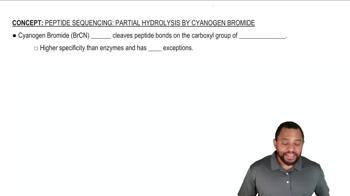
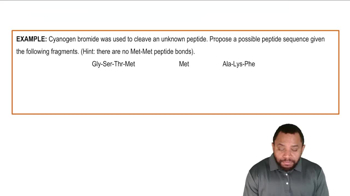
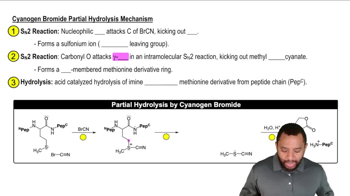
Peptide Sequencing: Partial Hydrolysis with Cyanogen Bromide
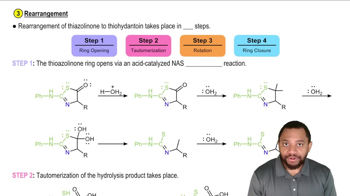
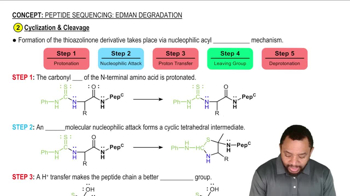
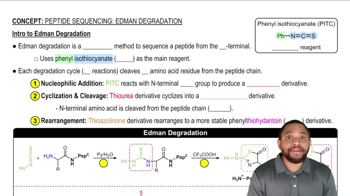
Peptide Sequencing: Edman Degradation
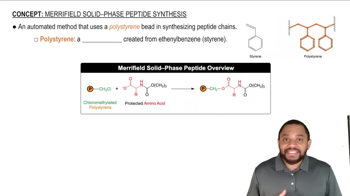
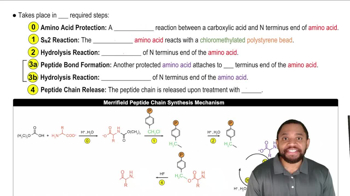
Merrifield Solid-Phase Peptide Synthesis
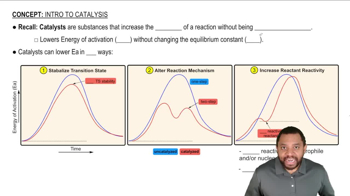
Intro to Catalysis
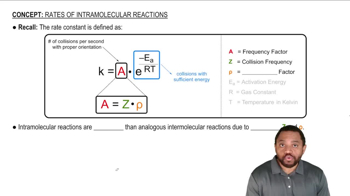
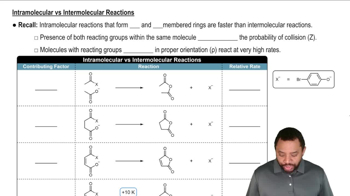
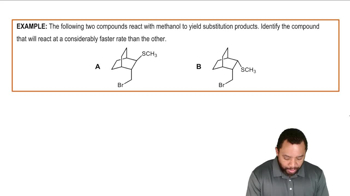
Rates of Intramolecular Reactions
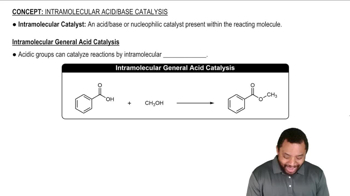
Intramolecular Acid-Base Catalysis
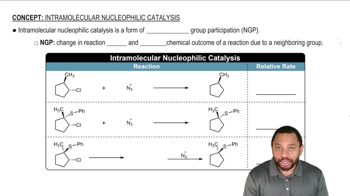
Intramolecular Nucleophilic Catalysis
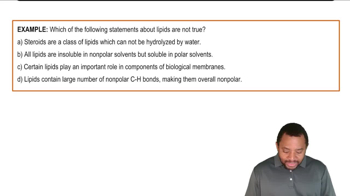
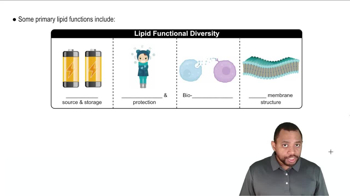
Intro to Lipids
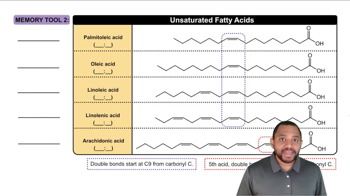
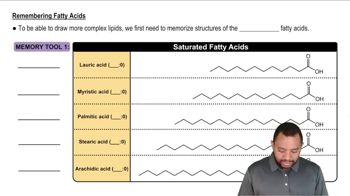
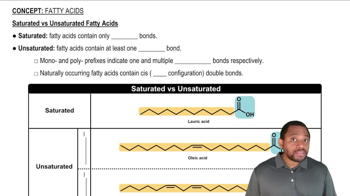
Fatty Acids
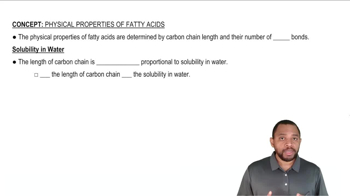
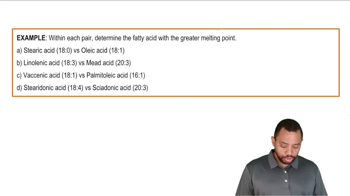
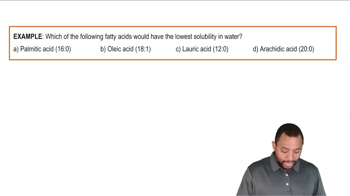
Physical Properties of Fatty Acids
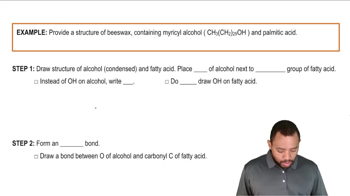
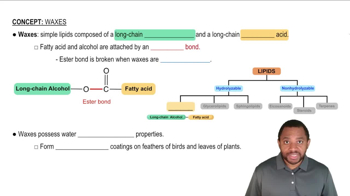
Waxes
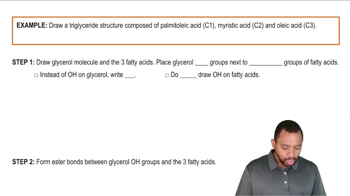
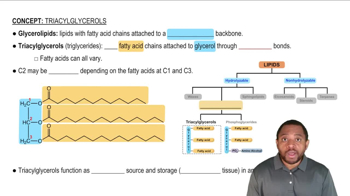
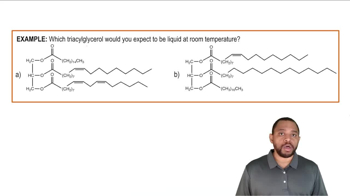
Triacylglycerols
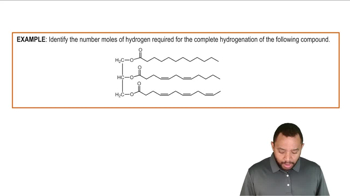
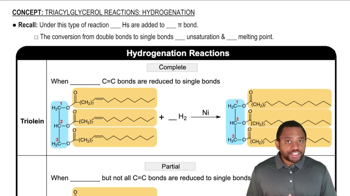
Triacylglycerol Reactions: Hydrogenation
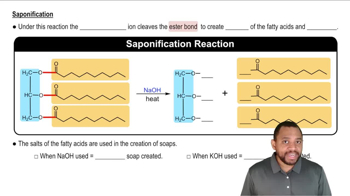
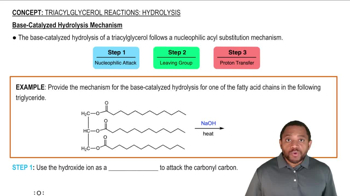
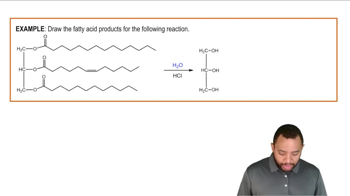
Triacylglycerol Reactions: Hydrolysis
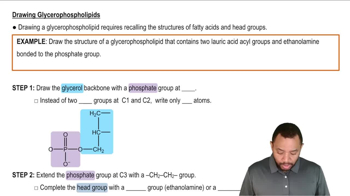
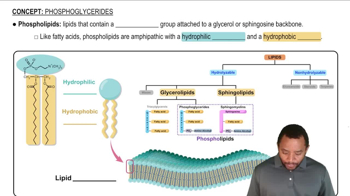
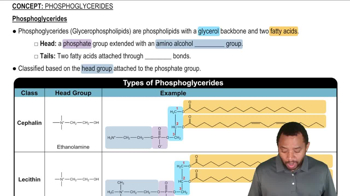
Phosphoglycerides
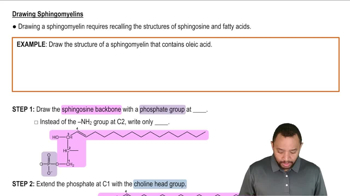
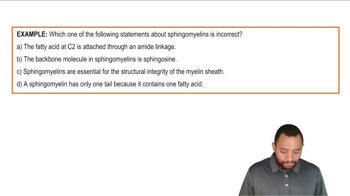
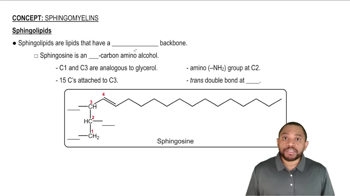
Sphingomyelins
Steroids
Intro to Metabolism
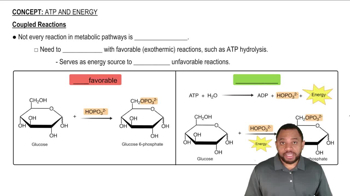
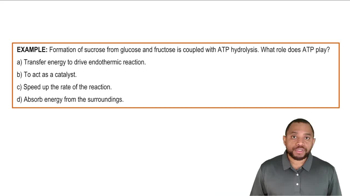
ATP and Energy
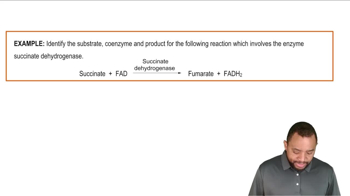
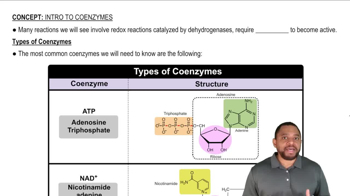
Intro to Coenzymes
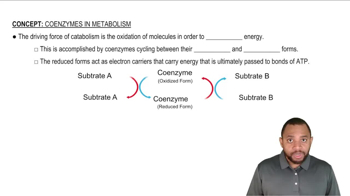
Coenzymes in Metabolism
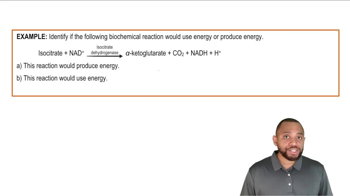
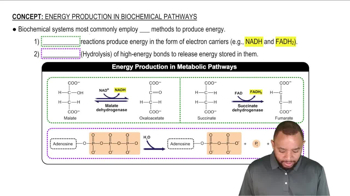
Energy Production in Biochemical Pathways
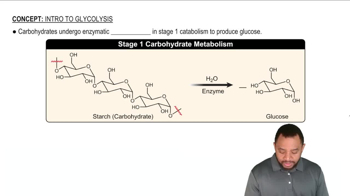
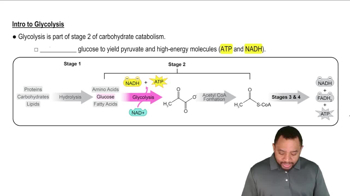
Intro to Glycolysis
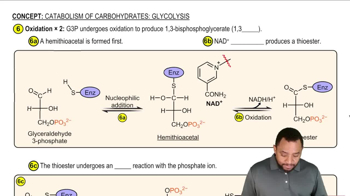
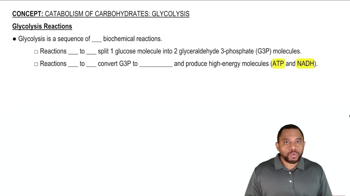
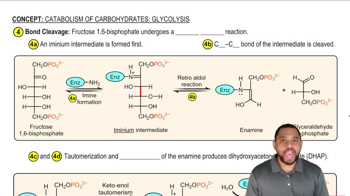
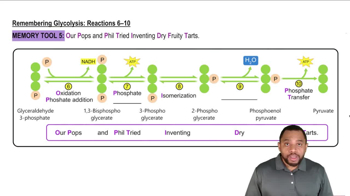
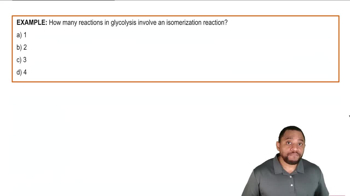
Catabolism of Carbohydrates: Glycolysis
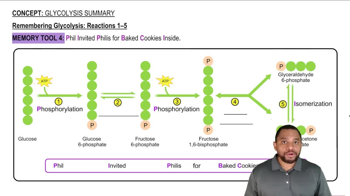
Glycolysis Summary
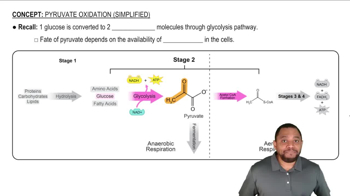
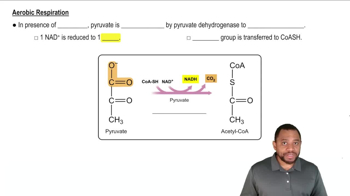
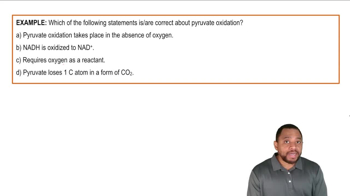
Pyruvate Oxidation (Simplified)
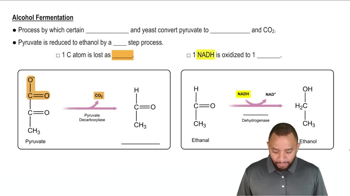
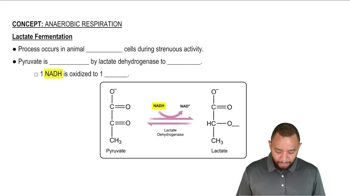
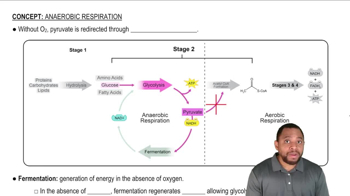
Anaerobic Respiration
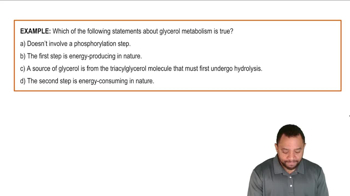
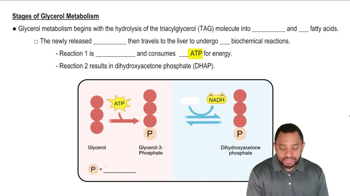
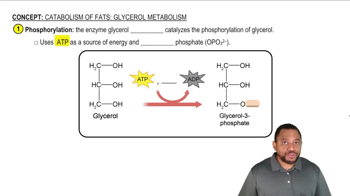
Catabolism of Fats: Glycerol Metabolism
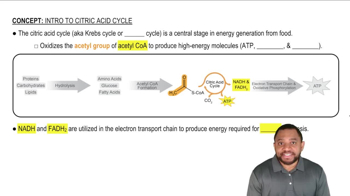
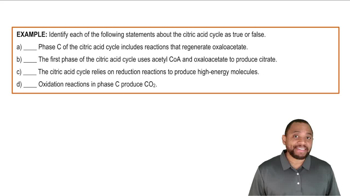
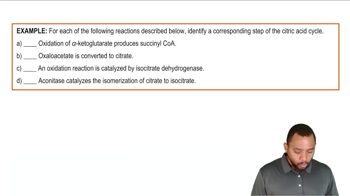
Intro to Citric Acid Cycle
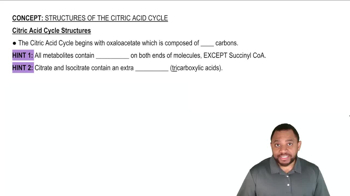
Structures of the Citric Acid Cycle
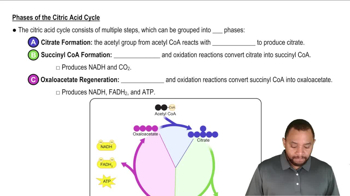
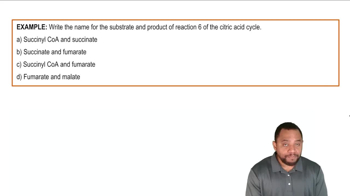
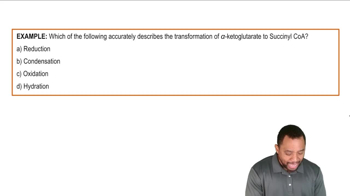
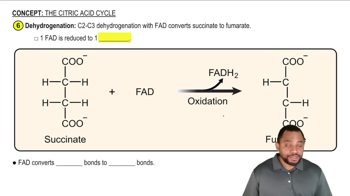
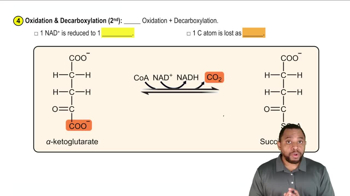
The Citric Acid Cycle
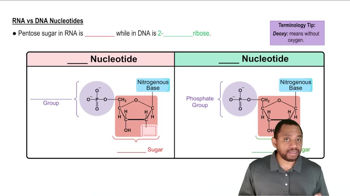
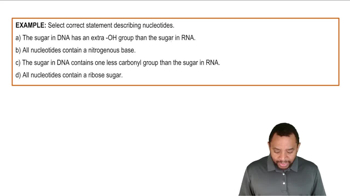
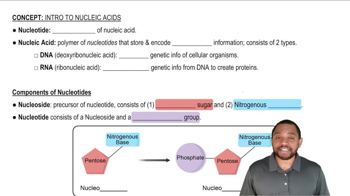
Intro to Nucleic Acids
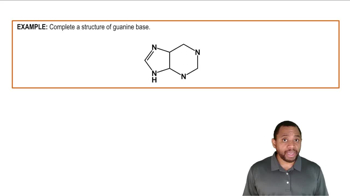
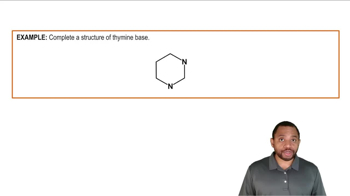
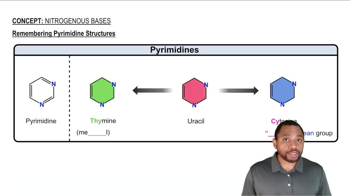
Nitrogenous Bases
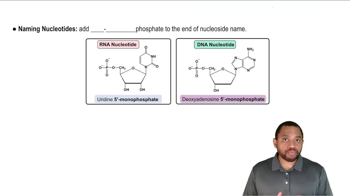
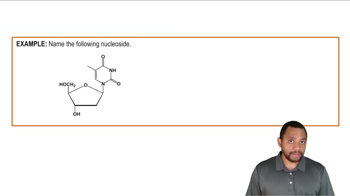
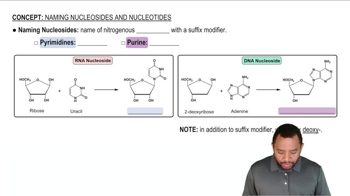
Naming Nucleosides and Nucleotides
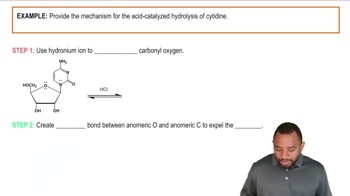
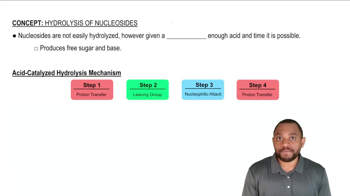
Hydrolysis of Nucleosides
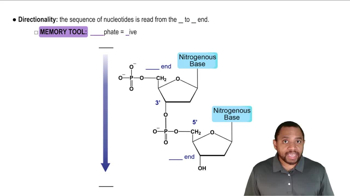
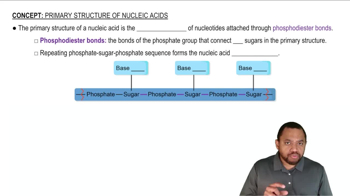
Primary Structure of Nucleic Acids
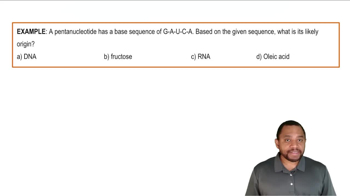
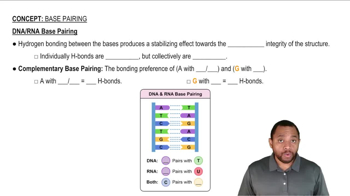
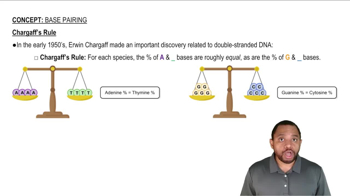
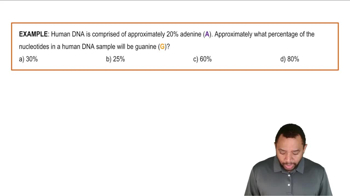
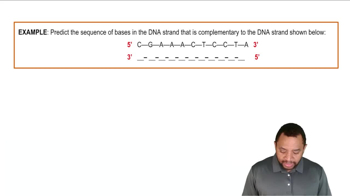
Base Pairing
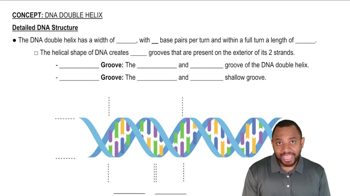
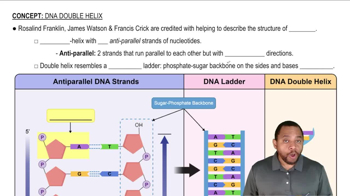
DNA Double Helix
 Indietro
 Lezioni curate abbinate al materiale che hai caricato – impara ogni argomento passo dopo passo.
 02:08