Indietro

Organic Chemistry Exam Study Guidance

Guida di studio - Impara con i video

Lezioni curate abbinate al materiale che hai caricato – impara ogni argomento passo dopo passo.

Hybridization

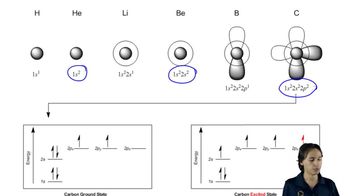
  • How carbon creates 4 partially-filled orbitals.
    02:53
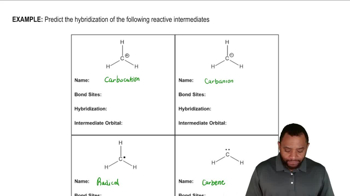
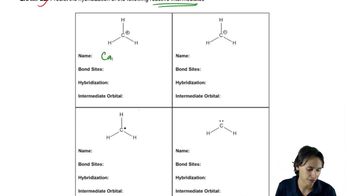
  • Bond sites, hybridization, and intermediate orbitals
    04:58
  • Introduction to the reactive intermediates.
    02:47

Radical Stability

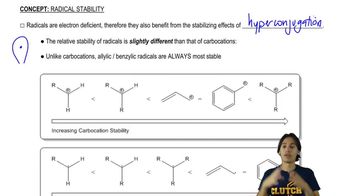
  • The radical stability trend.
    03:43
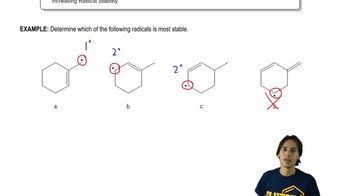
  • Determine which of the following radicals is the most stable.
    03:25

Heat of Combustion

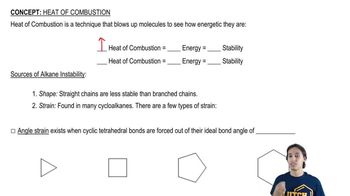
  • Understanding Heat of Combustion
    01:11
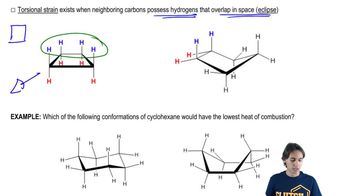
  • What is torsional strain?
    02:00
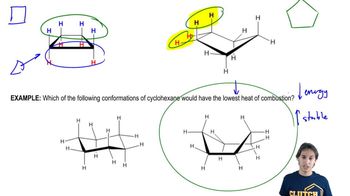
  • Lowest Heat of Combustion
    02:34

Reaction Mechanism

  • How to tell if charged molecules will react as nucleophiles or electrophiles.
    02:39
  • Nucleophile or Electrophile
    01:49
  • How to tell if uncharged molecules will react as nucleophiles or electrophiles.
    02:48

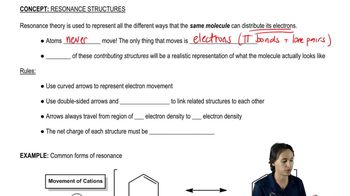
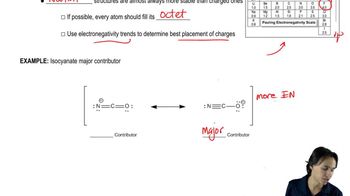
Resonance Structures

  • How to draw a resonance hybrid.
    03:24
  • The rules you need for resonance:
    03:34
  • How to determine which structure is most stable.
    01:32

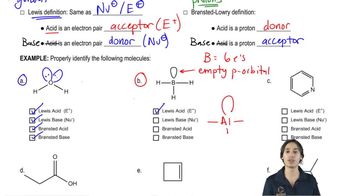
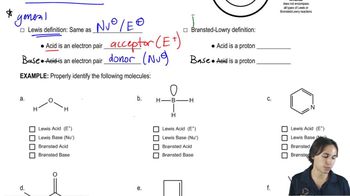
Acid and Base Definitions

  • Lewis vs. Bronsted-Lowry Definition
    07:46
  • The Bronsted-Lowry definition of acids and bases.
    00:54
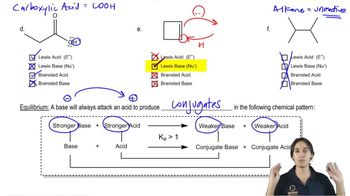
  • Equilibrium constant and conjugates.
    02:11

Acid Base Equilibrium

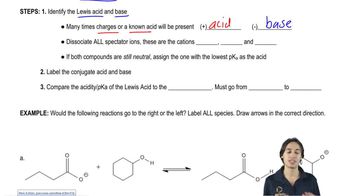
  • The 3 steps for determining the direction of acid and base equilibrium.
    05:11
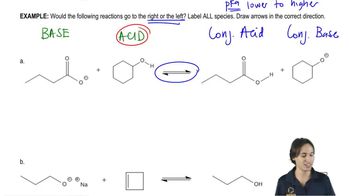
  • Determining Acid/Base Equilibrium
    04:00
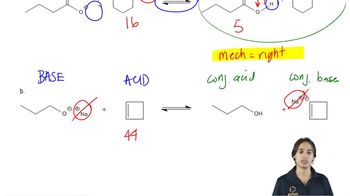
  • Determining Acid/Base Equilibrium
    02:34

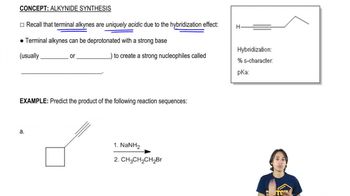
Alkynide Synthesis

  • Understanding how to convert terminal alkynes to alkynides.
    04:19
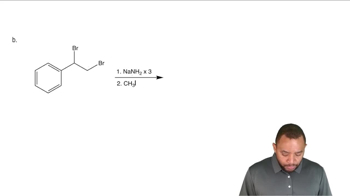
  • Using double dehydrohalogenation to perform alkynide synthesis.
    02:57
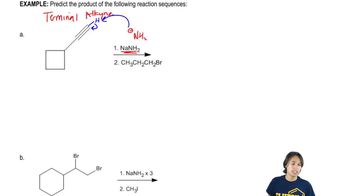
  • The mechanism of alkynide synthesis.
    03:48

Alkyne Hydration

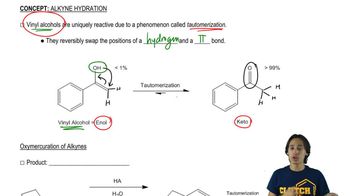
  • Alkyne Hydration
    09:11

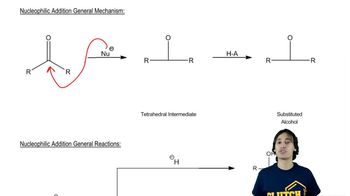
Nucleophilic Addition

  • Nucleophilic Addition
    08:27

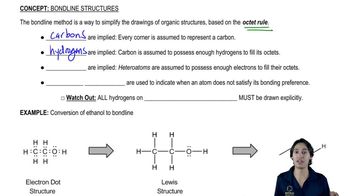
Skeletal Structure

  • How bondline is different from Lewis Structures.
    04:03
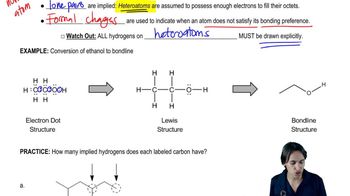
  • Conversion of ethanol from electron dot to bondline
    01:50