Indietro

Organic Chemistry I: Core Concepts and Mechanisms (Chapters 1, 3, 4, 9)

Guida di studio - Impara con i video

Lezioni curate abbinate al materiale che hai caricato – impara ogni argomento passo dopo passo.

Lewis Structure

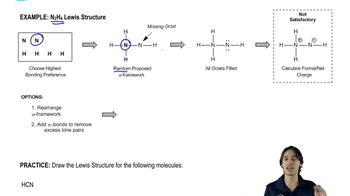
  • Drawing the Lewis Structure for N2H4.
    04:12
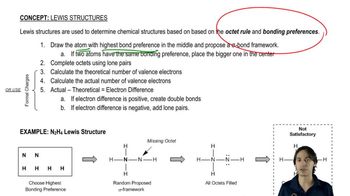
  • How to use Organic Chemistry to make Lewis Structures easier.
    03:49

Formal Charges

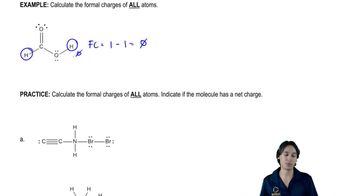
  • Calculate the formal charges of ALL atoms.
    02:21
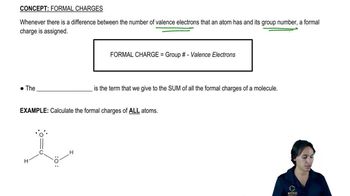
  • Calculating formal and net charge.
    01:34

Hybridization

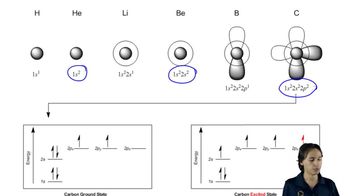
  • How carbon creates 4 partially-filled orbitals.
    02:53
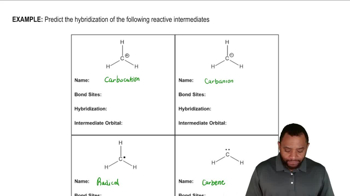
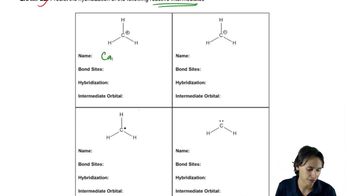
  • Bond sites, hybridization, and intermediate orbitals
    04:58
  • Introduction to the reactive intermediates.
    02:47

Molecular Geometry

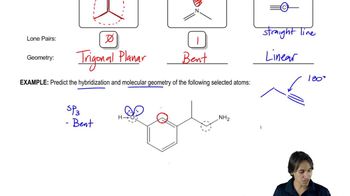
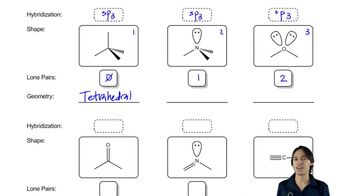
  • Predict the hybridization and molecular geometry
    01:54
  • Molecular Geometry Explained.
    07:44

Alkane Nomenclature

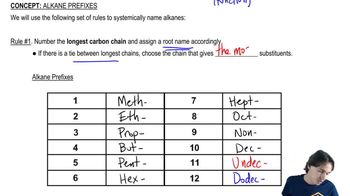
  • Naming the root chain
    01:02
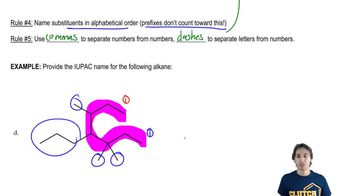
  • Provide the IUPAC name for the following alkane
    07:08
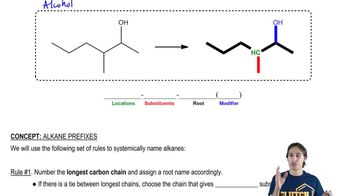
  • The different parts of an IUPAC name
    03:43

Cycloalkanes

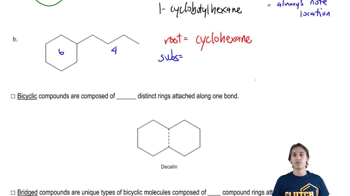
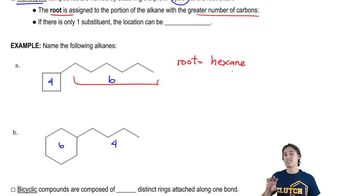
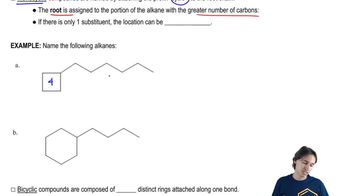
  • Name the following alkane
    00:53
  • Determining Root Name
    00:18
  • Determining Root Name
    00:34

Newman Projections – Method

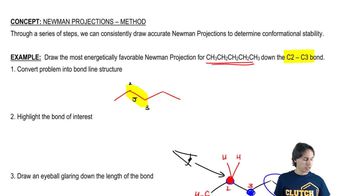
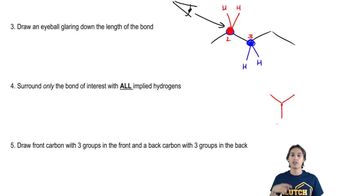
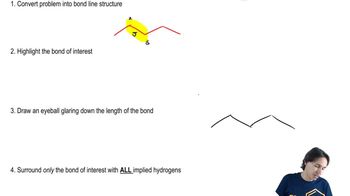
  • Step 6 to Drawing Newman Projections
    01:31
  • Step 5 to Drawing Newman Projections
    01:51
  • Step 3 to Drawing Newman Projections
    00:28

Newman Projections – Conformational Energy

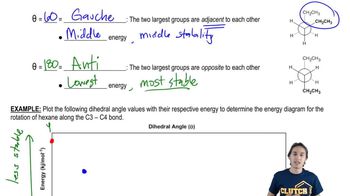
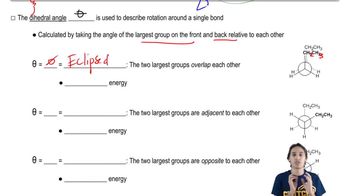
  • How to draw a Newman Projection Energy Diagram.
    07:27
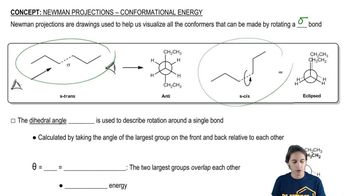
  • How sigma bond rotation is visualized
    03:11
  • The energy states of 3 different Newman Projections.
    03:51

Chair Flip

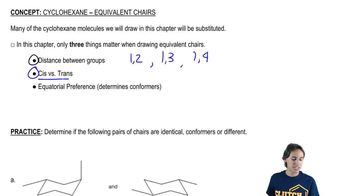
  • The 3 important factors when drawing chairs
    05:12
Equatorial Preference

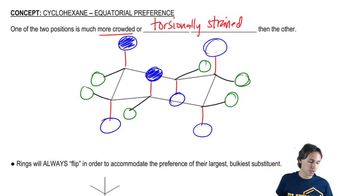
  • Equatorial Preference
    04:02
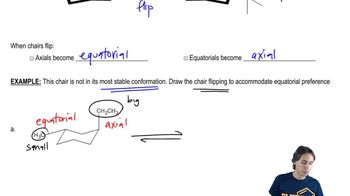
  • Draw the following chair in the most stable conformation.
    03:17

Types of Isomers

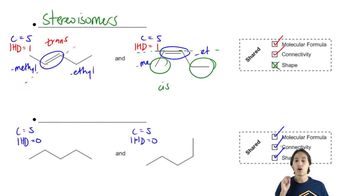
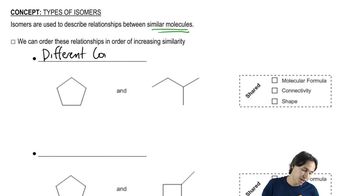
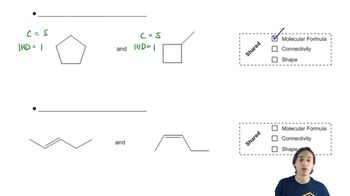
  • Determining when molecules are conformers.
    01:39
  • Determining when molecules are different.
    03:51
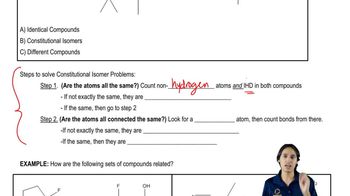
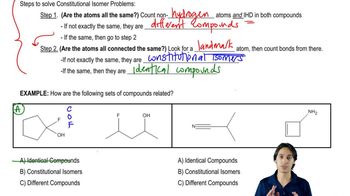
  • Determining when molecules are constitutional isomers.
    01:33

Chirality

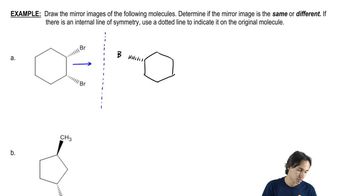
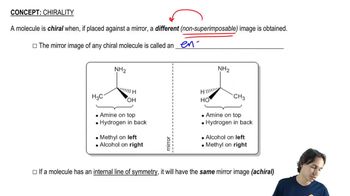
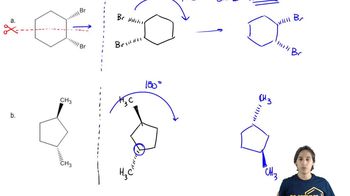
  • Drawing Mirror Images and Determining Chirality
    03:24
  • What is chirality?
    05:10
  • Drawing Mirror Images and Determining Chirality
    03:44

Cahn-Ingold-Prelog Nomenclature

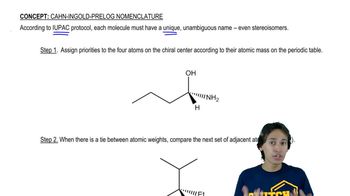
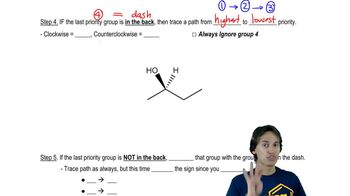
  • R and S Naming- Step 4
    03:07
  • Why stereoisomers need their own naming system.
    01:48
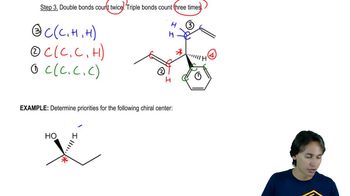
  • Determining Priorities
    01:19

Optical Activity

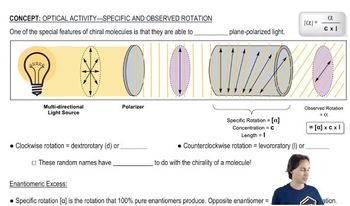
  • Specific rotation vs. observed rotation.
    05:43

Enantiomeric Excess

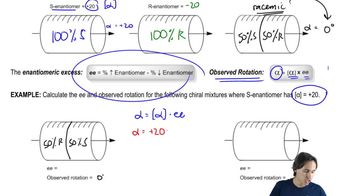
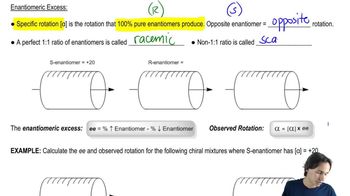
  • Calculating Enantiomeric Excess and Observed Rotation
    00:50
  • How to calculate enantiomeric excess.
    04:21
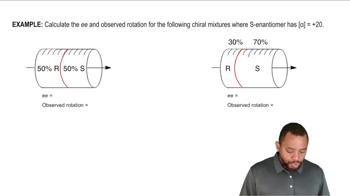
  • Calculating Enantiomeric Excess and Observed Rotation
    03:59

Constitutional Isomers

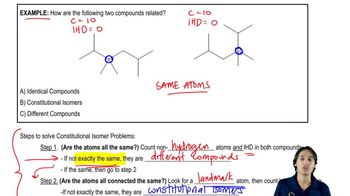
  • Isomeric Relationships
    03:28
  • Using the flowchart to determine isometric relationships.
    05:02
  • Isomeric Relationships
    02:56

The SN1 Mechanism

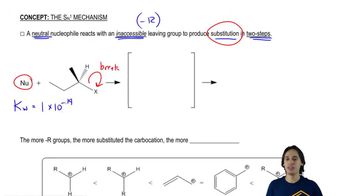
  • Drawing the SN1 Mechanism
    10:49
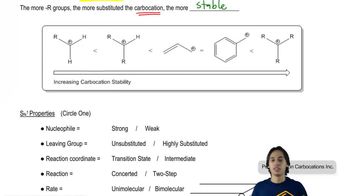
  • Why highly substituted leaving groups favor SN1.
    01:13
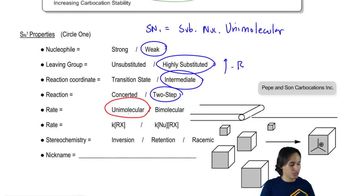
  • Understanding the properties of SN1.
    08:16

The SN2 Mechanism

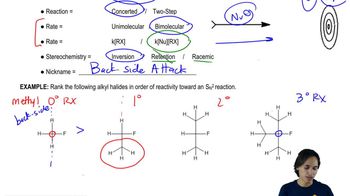
  • Ranking reactivity toward SN2
    04:03
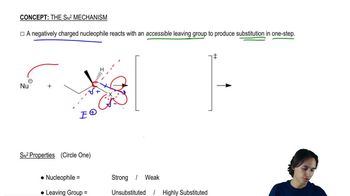
  • Drawing the SN2 Mechanism
    08:33
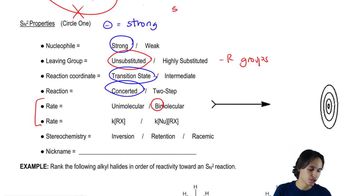
  • Understanding the properties of SN2.
    11:57

Introduction to Substitution

  • Predict the product
    05:55
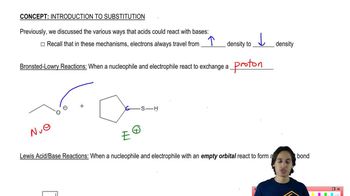
  • Nucleophiles and Electrophiles can react in Bronsted-Lowry Reactions.
    05:01
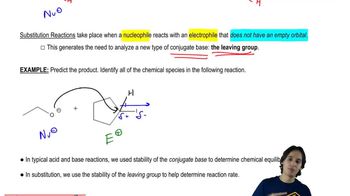
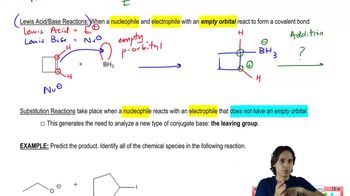
  • Nucleophiles and Electrophiles can react in Substitution Reactions.
    01:47

Solvents

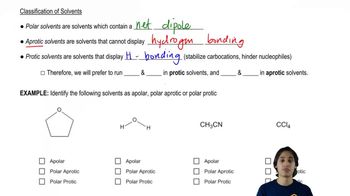
  • The difference between protic vs. aprotic solvents.
    03:57
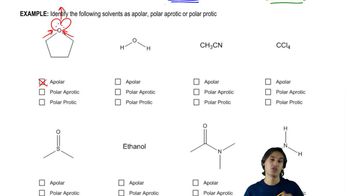
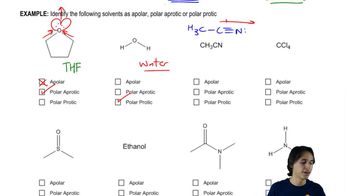
  • Identification of polarity in solvents
    01:16
  • Identification of polarity in solvents
    00:39