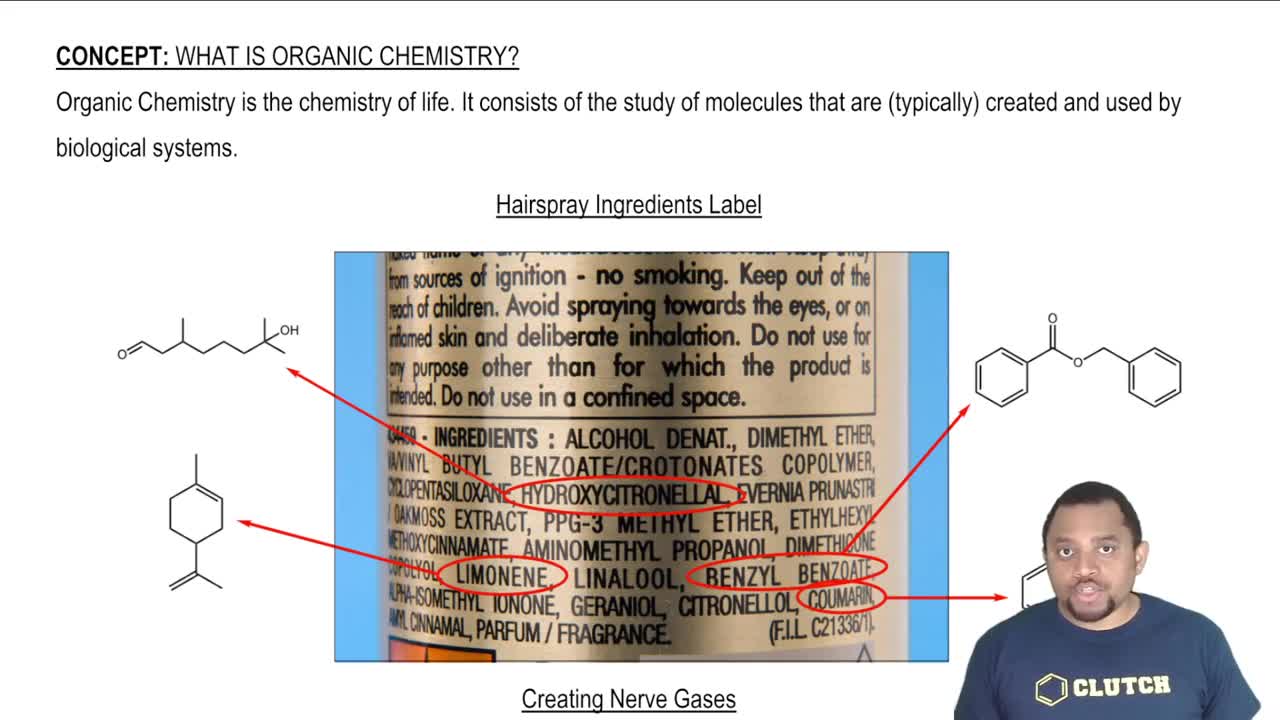
What is Organic Chemistry?
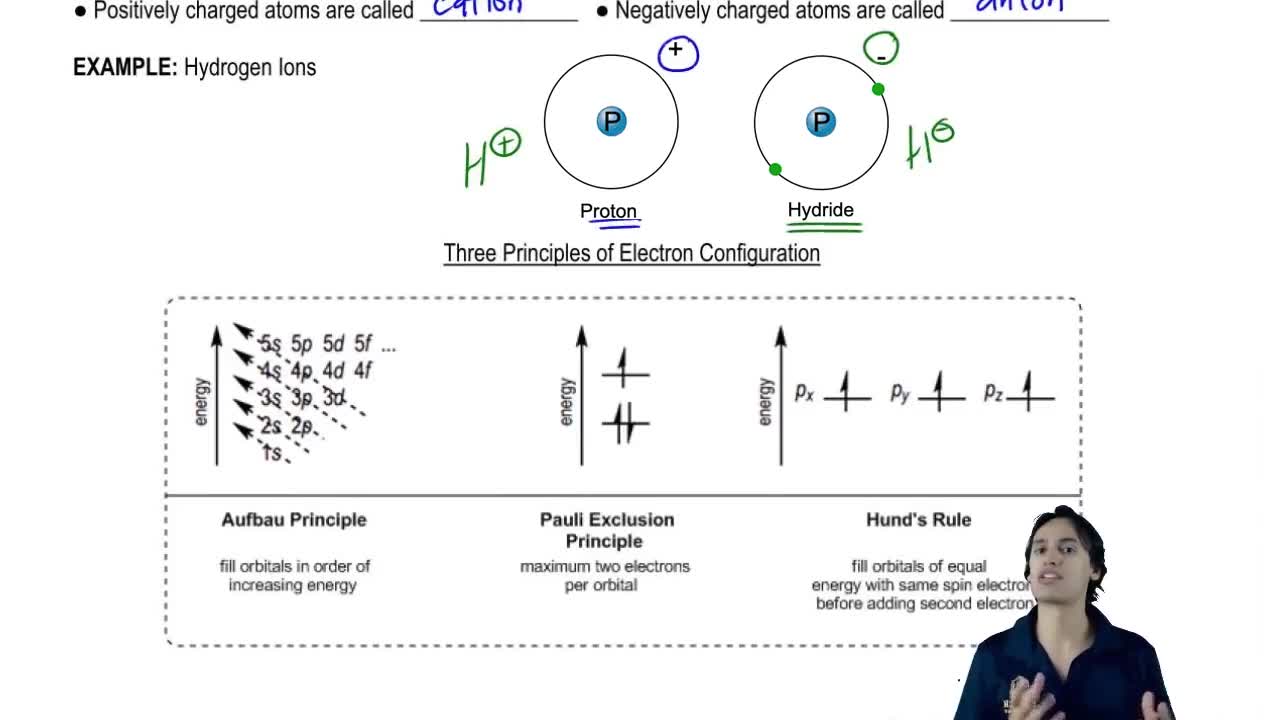
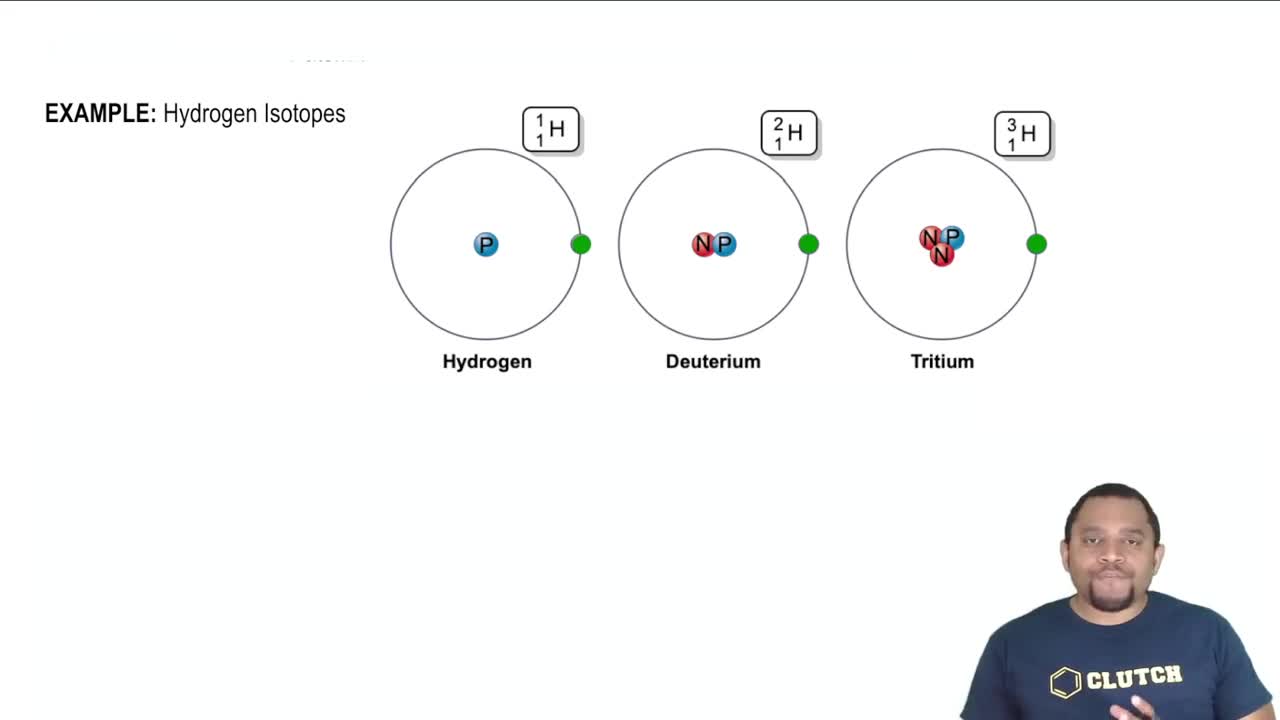
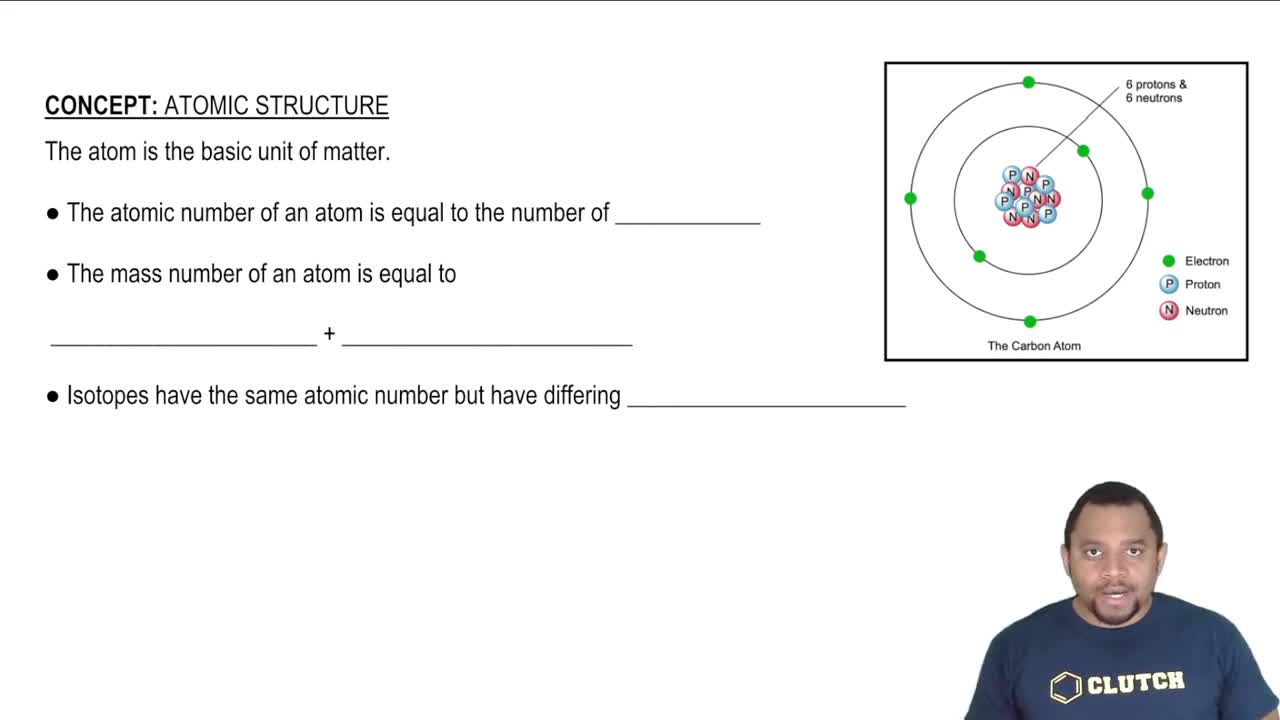
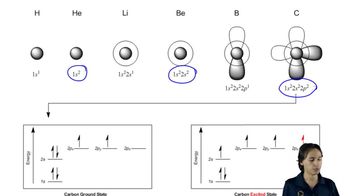
Atomic Structure
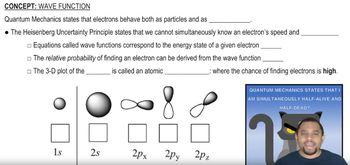
Wave Function
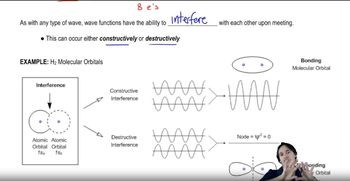
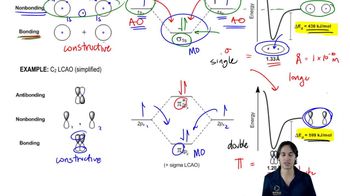
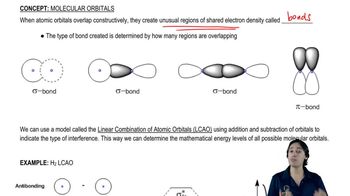
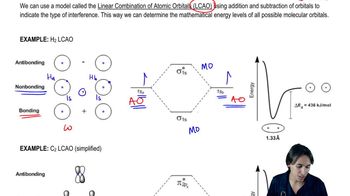
Molecular Orbitals
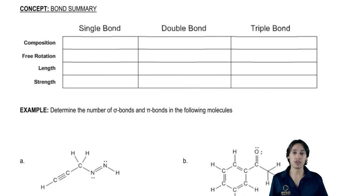
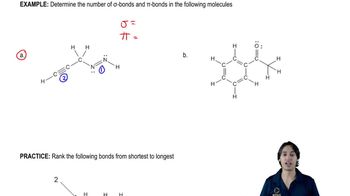
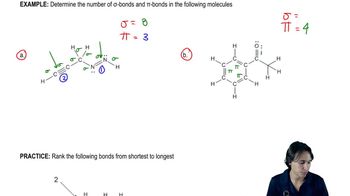
Sigma and Pi Bonds
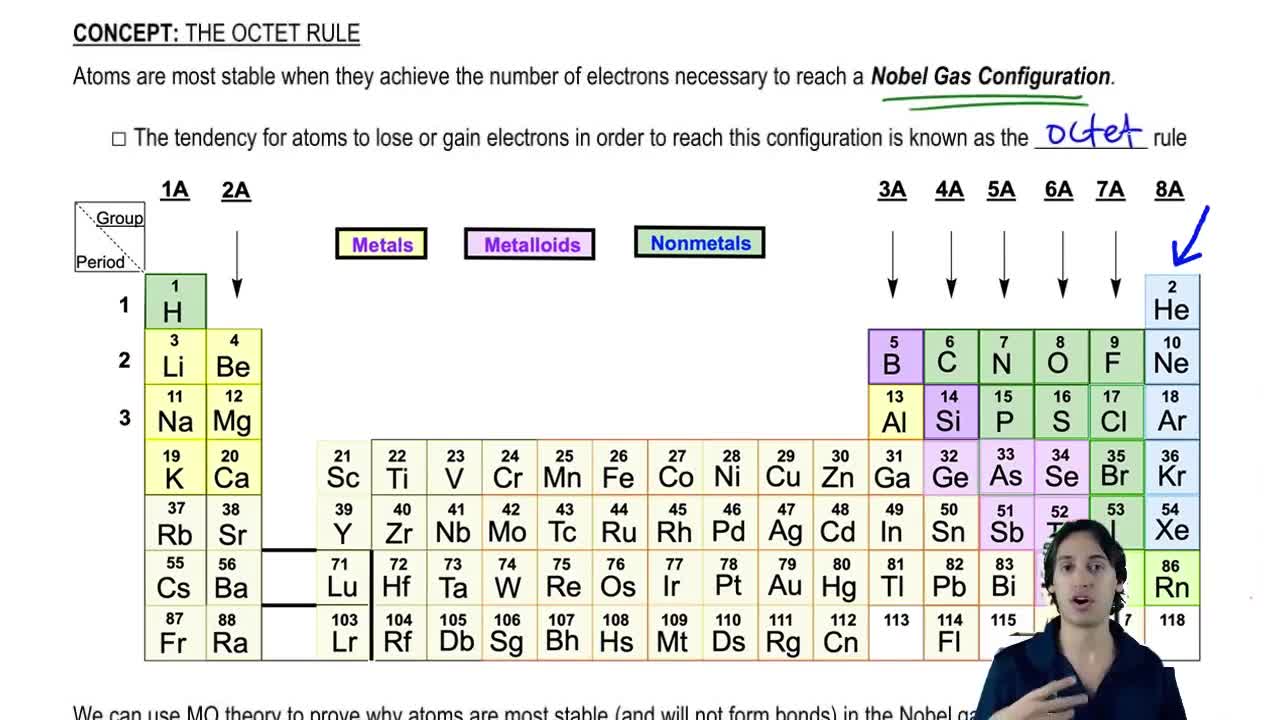
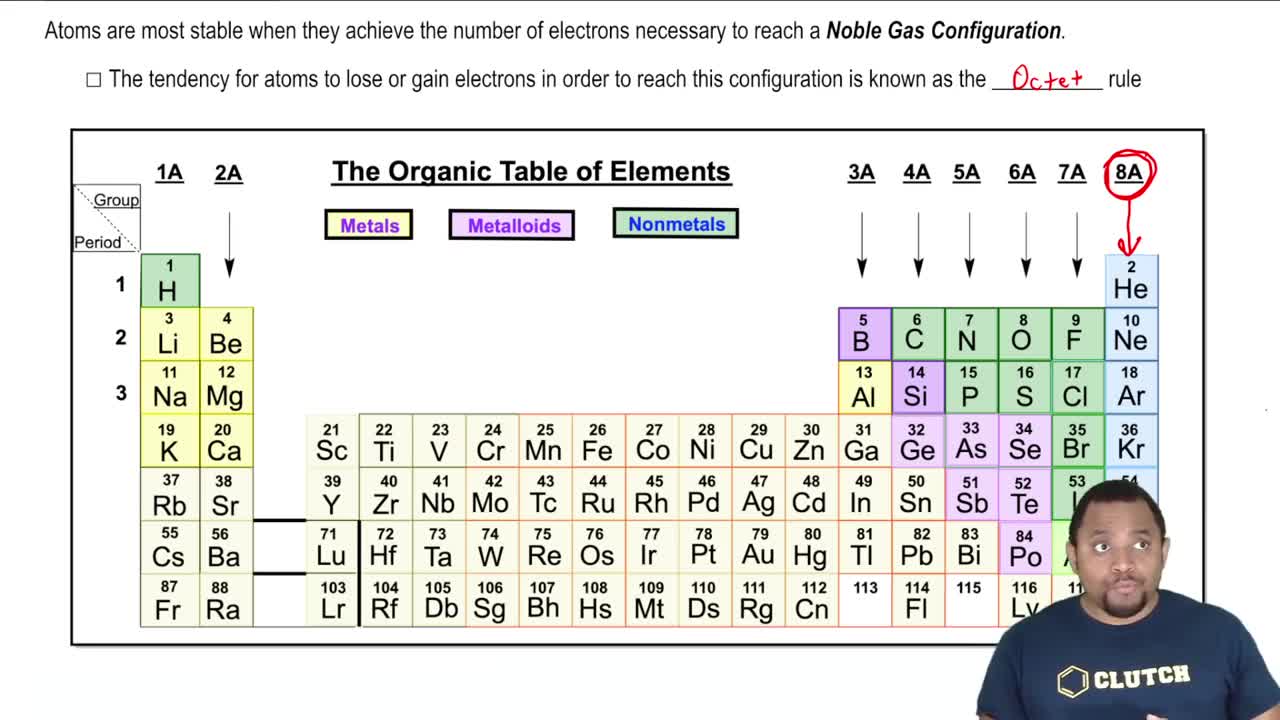
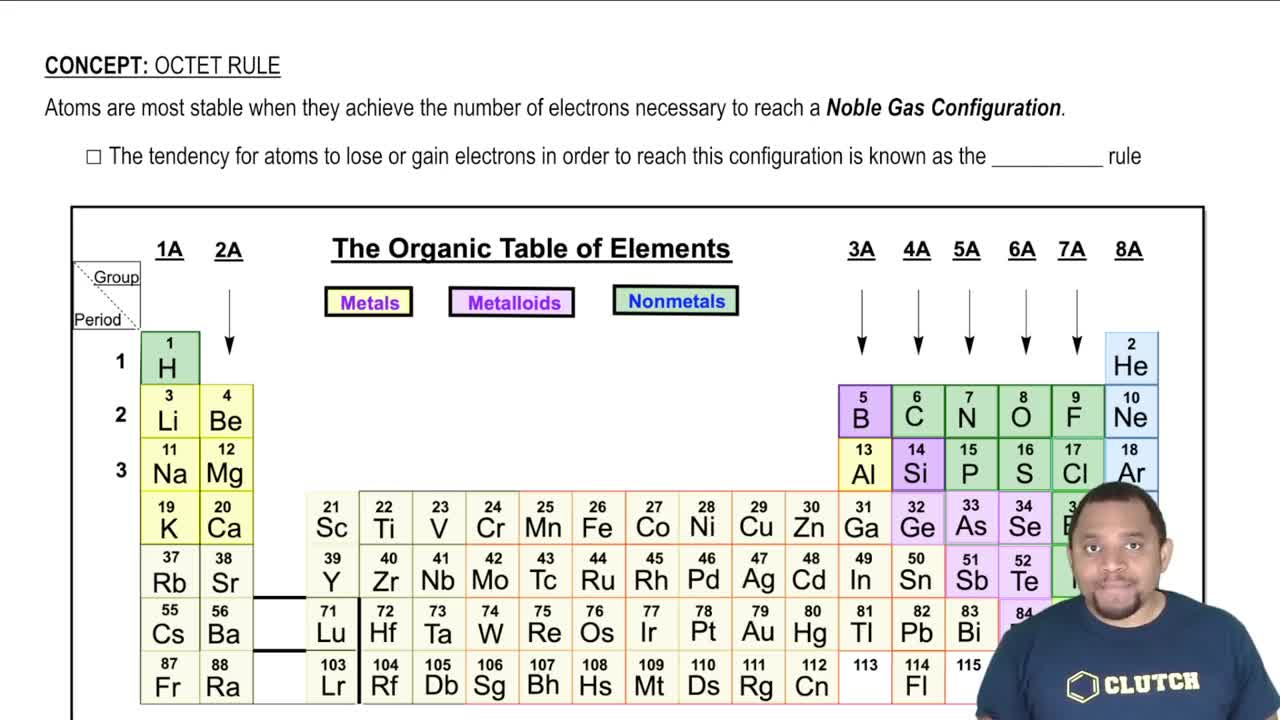
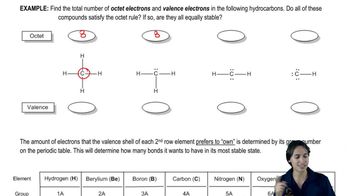
Octet Rule
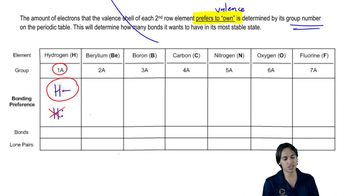
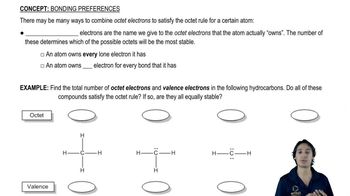
Bonding Preferences
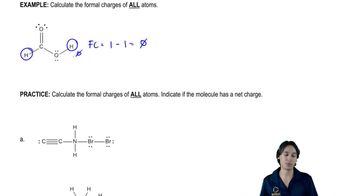
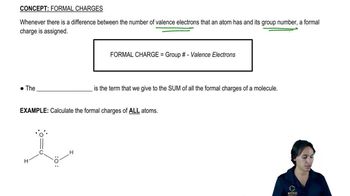
Formal Charges
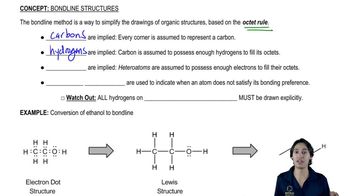
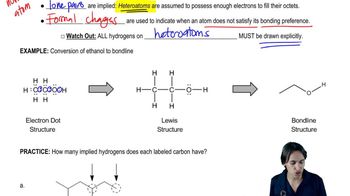
Skeletal Structure
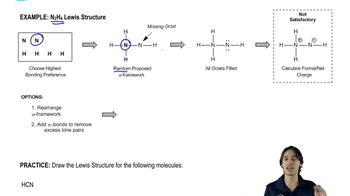
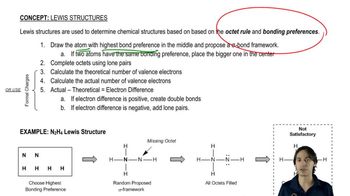
Lewis Structure
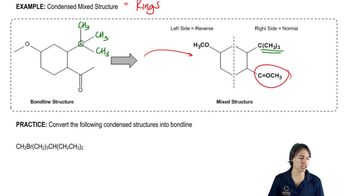
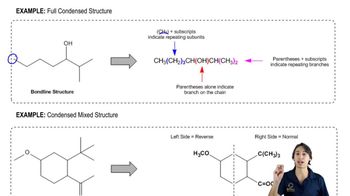
Condensed Structural Formula
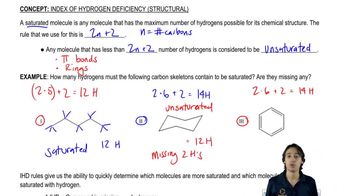
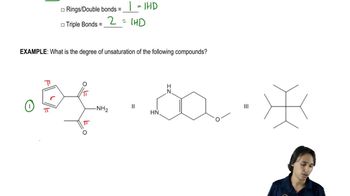
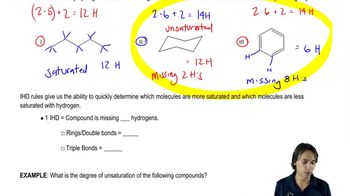
Index of Hydrogen Deficiency (Structural)
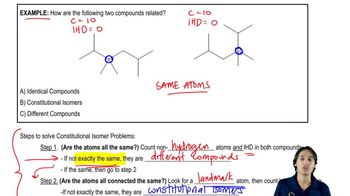
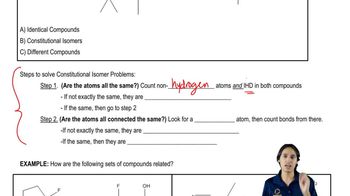
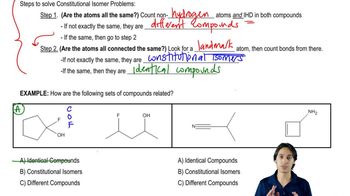
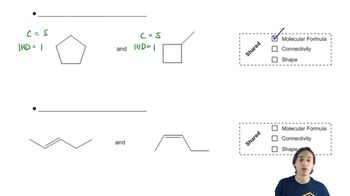
Constitutional Isomers
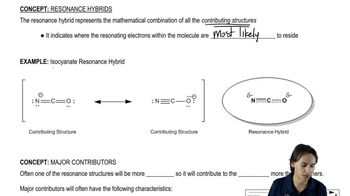
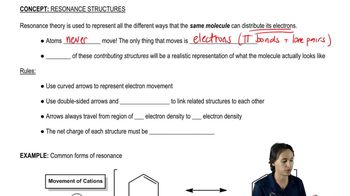
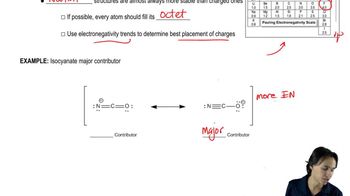
Resonance Structures
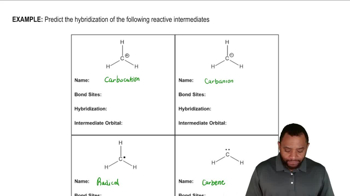
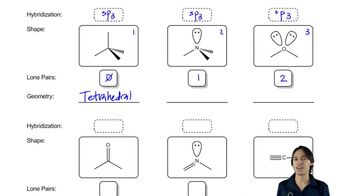
Hybridization
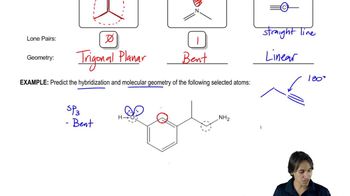
Molecular Geometry
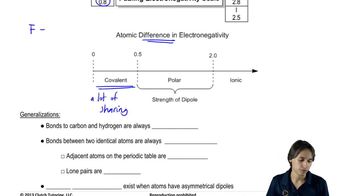
Electronegativity
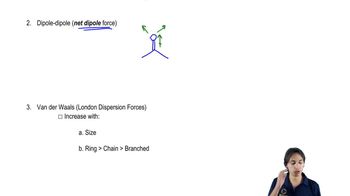
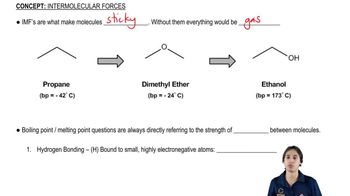
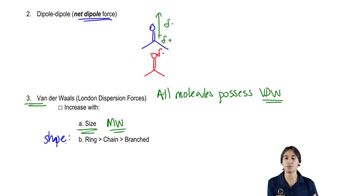
Intermolecular Forces
Solubility
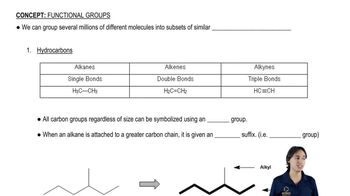
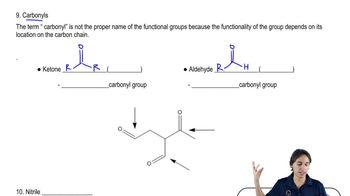
Functional Groups
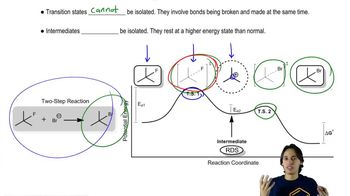
Reaction Mechanism
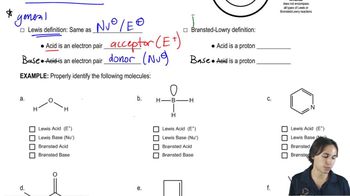
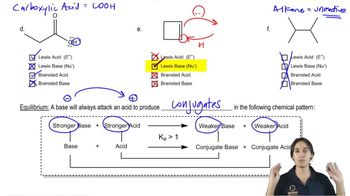
Acid and Base Definitions
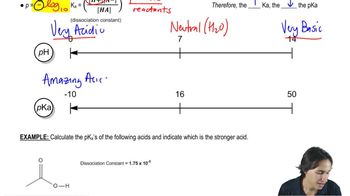
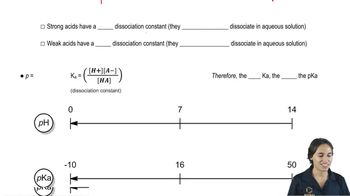
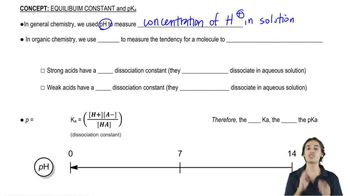
Equilibrium Constant and pKa
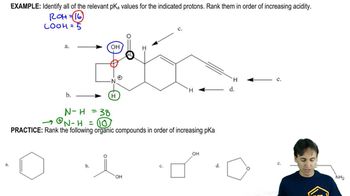
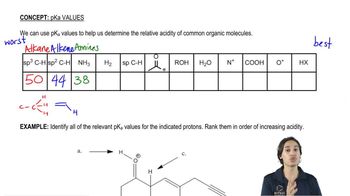
pKa Values
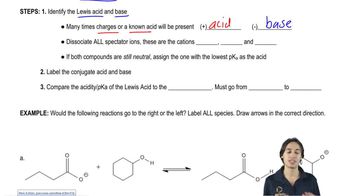
Acid Base Equilibrium
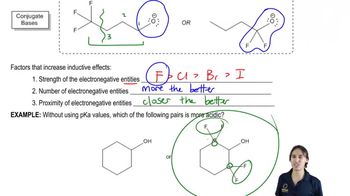
Factors Affecting Acidity
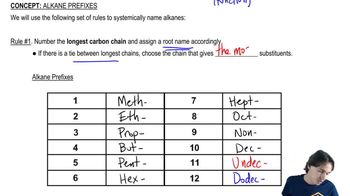
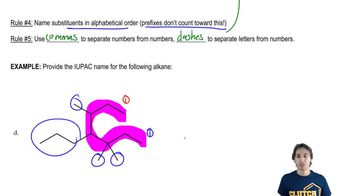
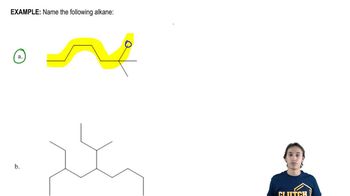
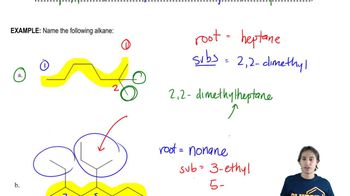
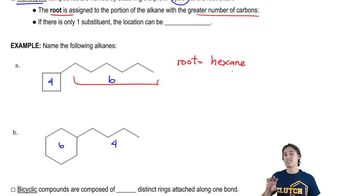
Alkane Nomenclature
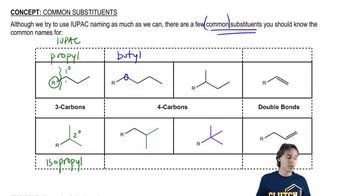
Common Substituents
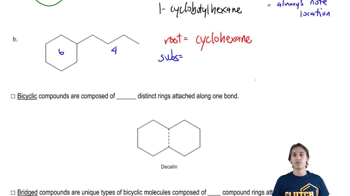
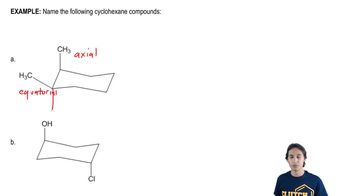
Cycloalkanes
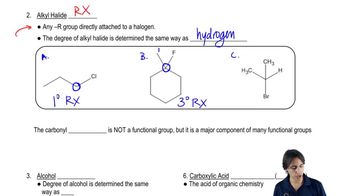
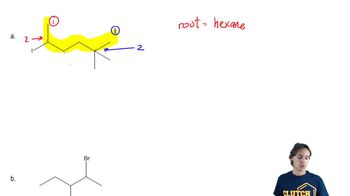
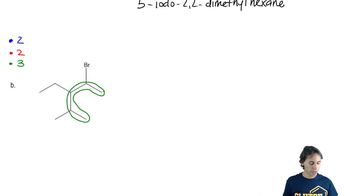
Alkyl Halides
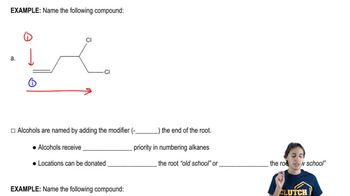
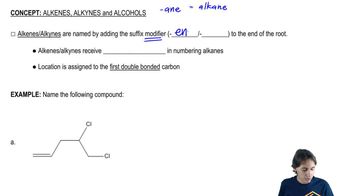
Alkenes, Alkynes and Alcohols
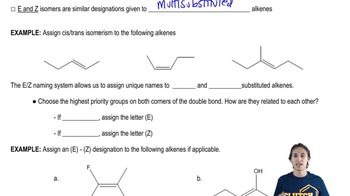
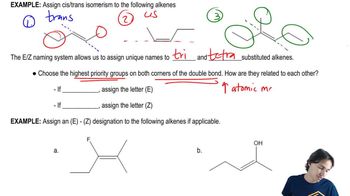
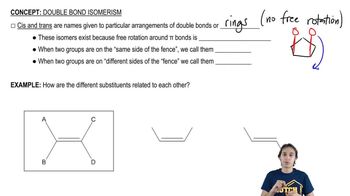
Cis vs Trans
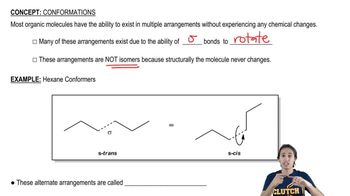
Conformations
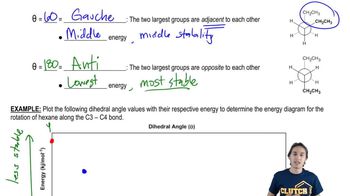
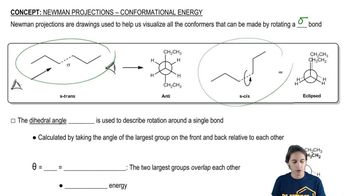
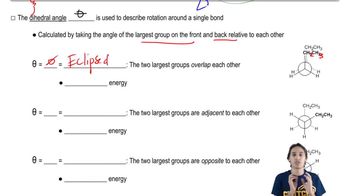
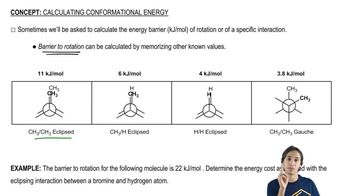
Newman Projections – Conformational Energy
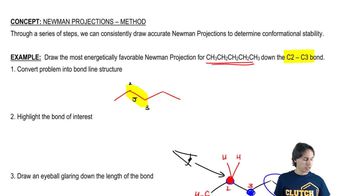
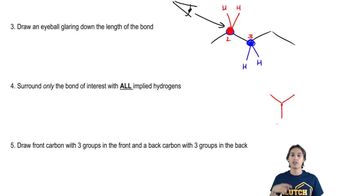
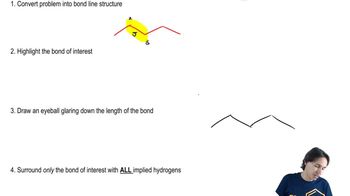
Newman Projections – Method
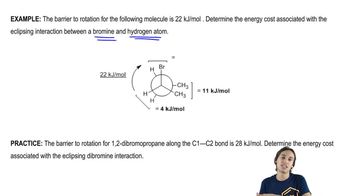
Barrier To Rotation
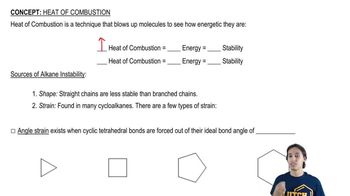
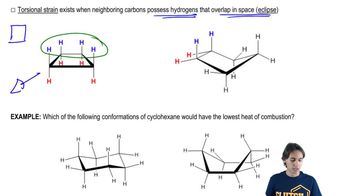
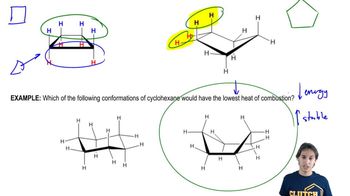
Heat of Combustion
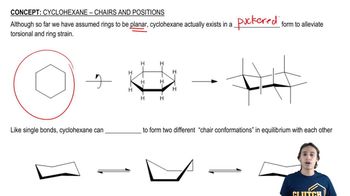
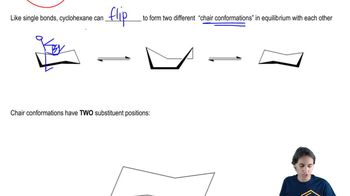
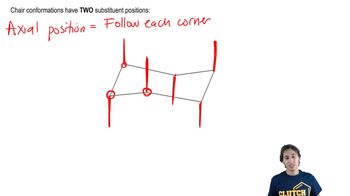
Cyclohexane – Chairs and Positions
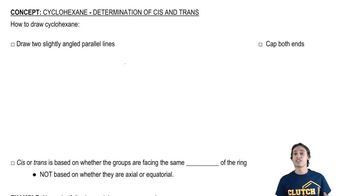
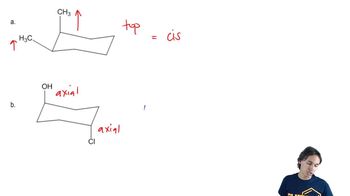
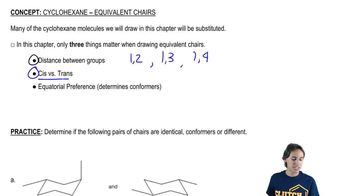
Cyclohexane – Determination of Cis and Trans
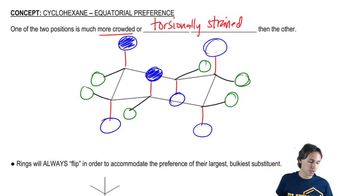
Equatorial Preference
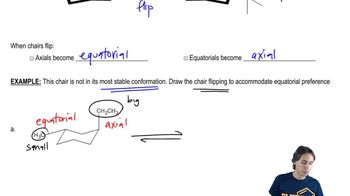
Chair Flip
Calculating Flip Energy
A-Values
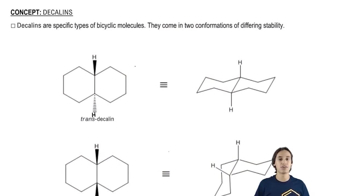
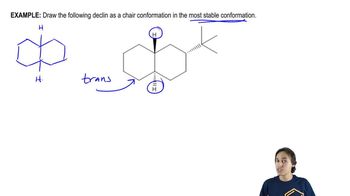
Decalin
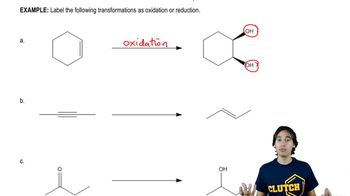
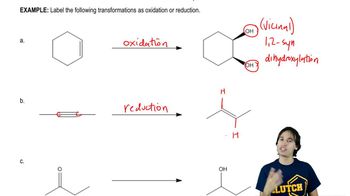
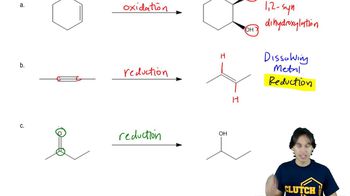
Intro to Redox
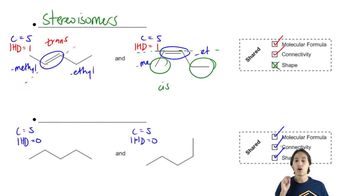
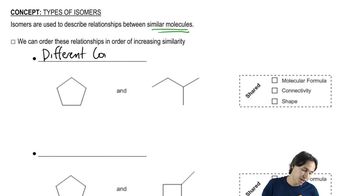
Types of Isomers
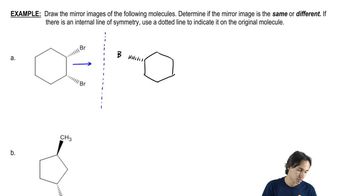
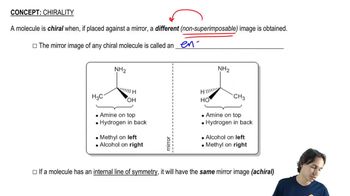
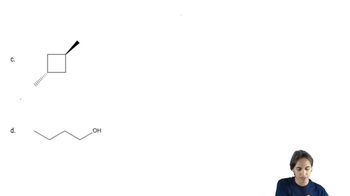
Chirality
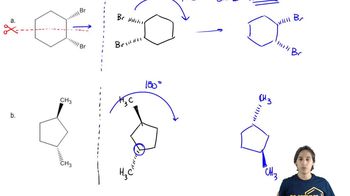
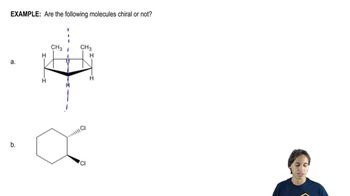
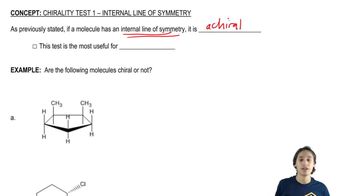
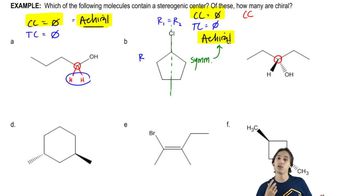
Chirality Test 1 - Internal Line of Symmetry
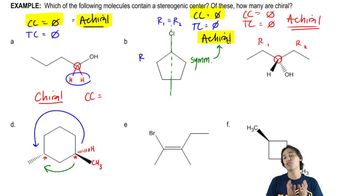
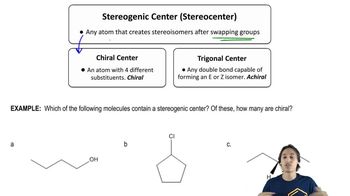
Chirality Test 2 - Stereocenters
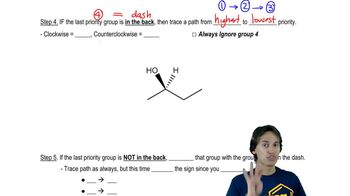
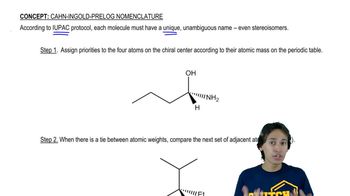
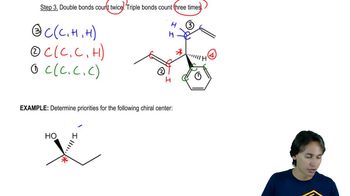
Cahn-Ingold-Prelog Nomenclature
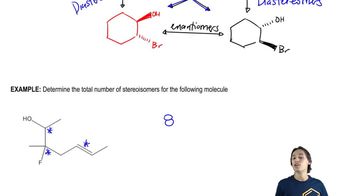
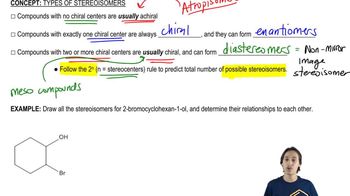
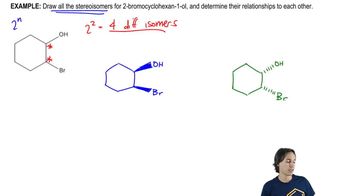
Types of Stereoisomers
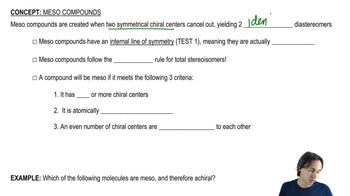
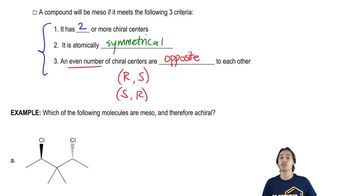
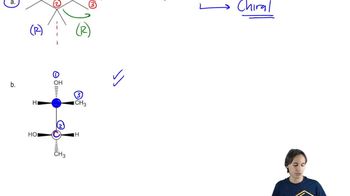
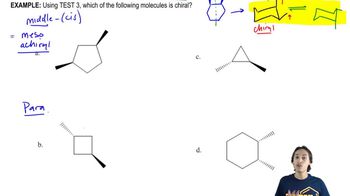
Meso Compounds
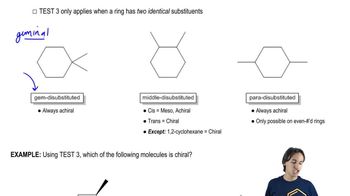
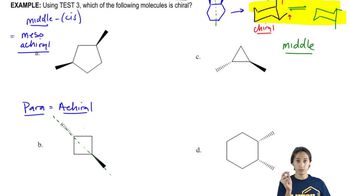
Chirality Test 3 - Disubstituted Cycloalkanes Shortcuts
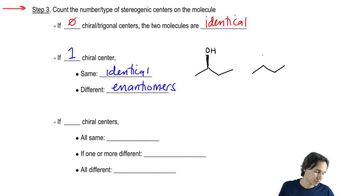
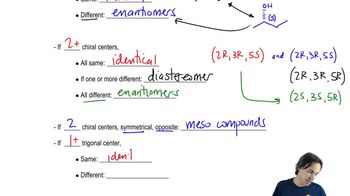
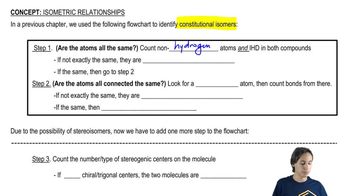
Isometric Relationships
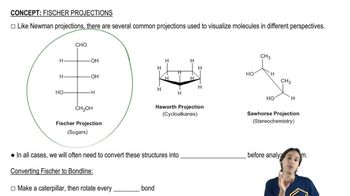
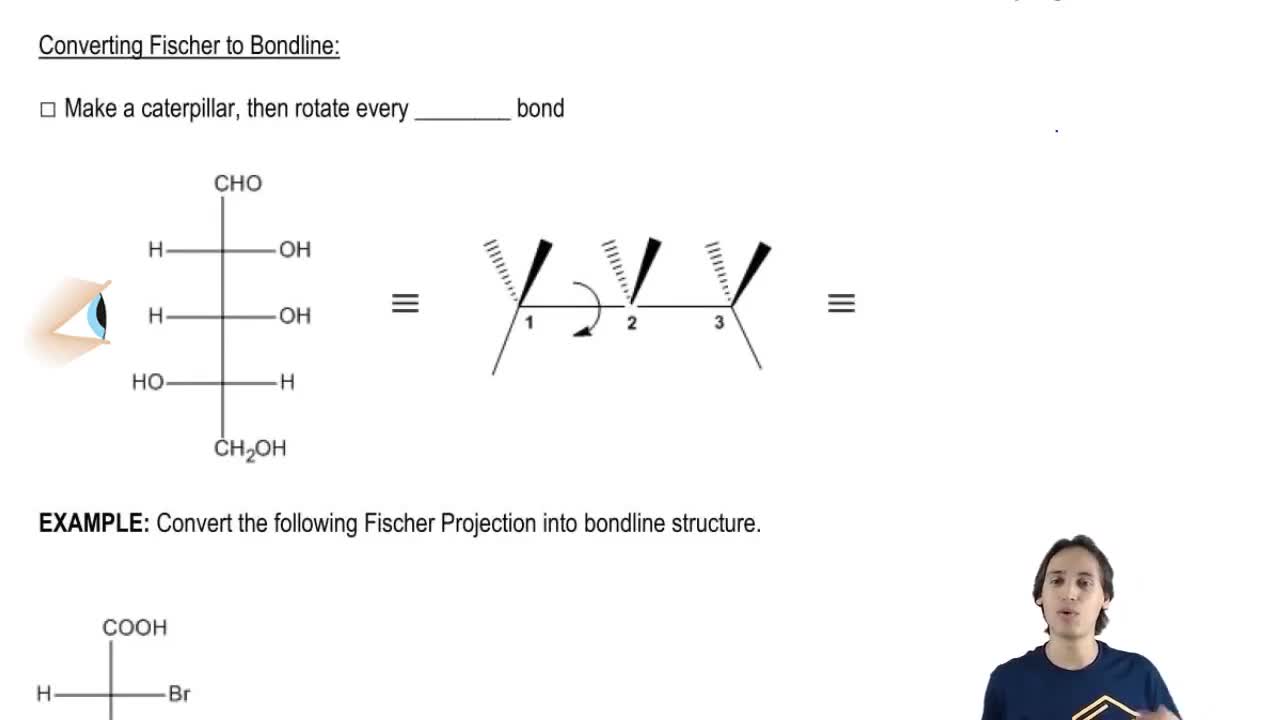
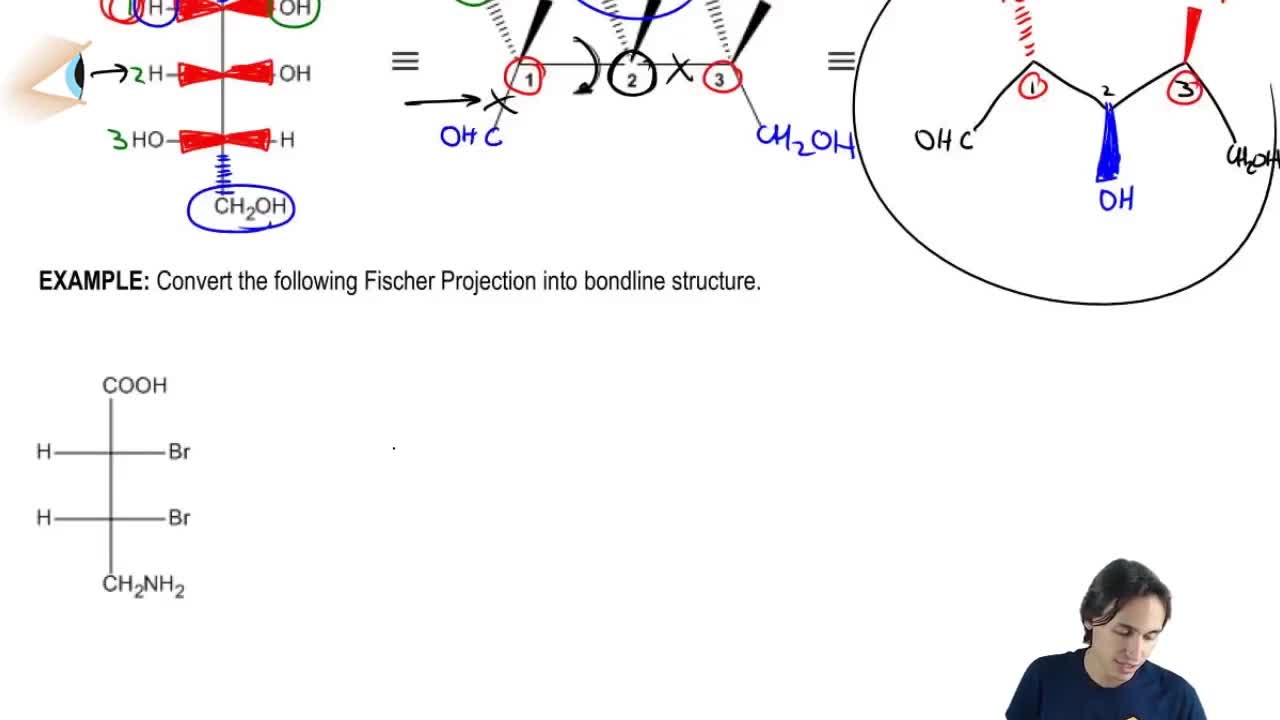
Fischer Projection
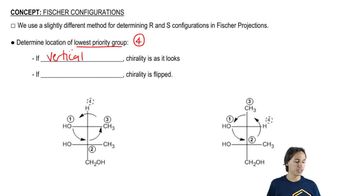
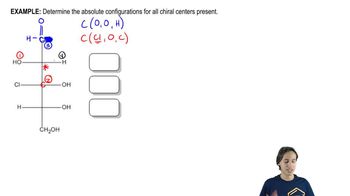
Fischer Configurations
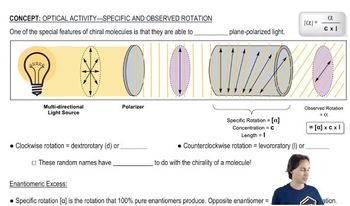
Optical Activity
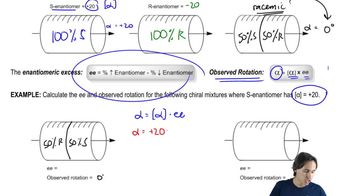
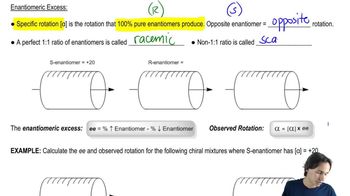
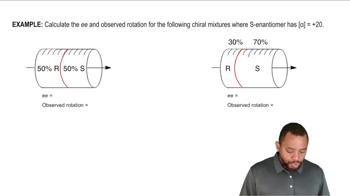
Enantiomeric Excess
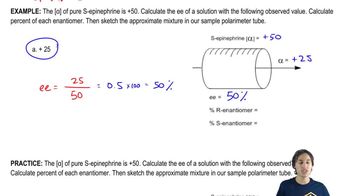
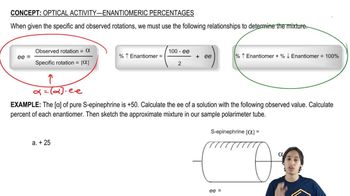
Calculations with Enantiomeric Percentages
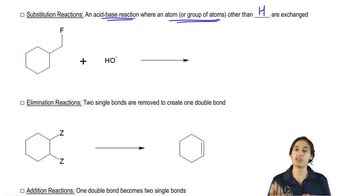
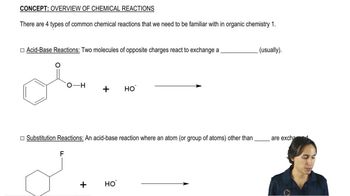
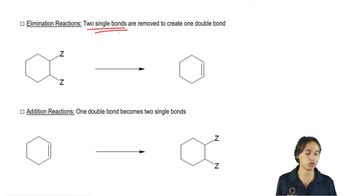
Overview of Chemical Reactions
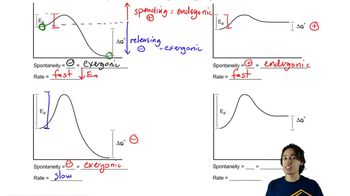
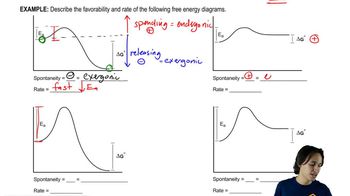
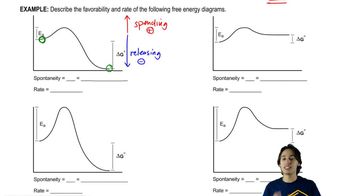
Energy Diagram
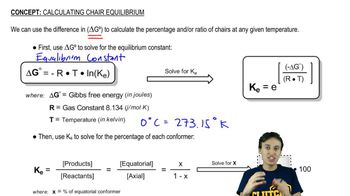
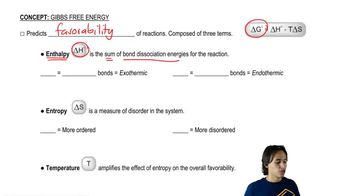
Gibbs Free Energy
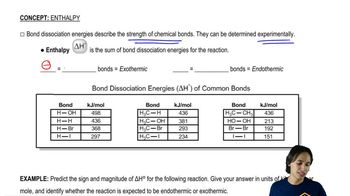
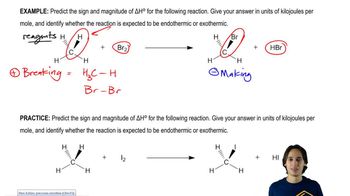
Enthalpy
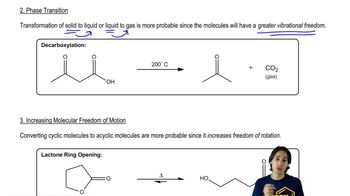
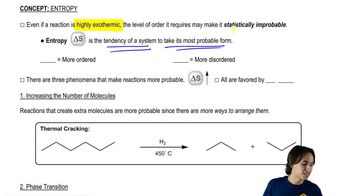
Entropy
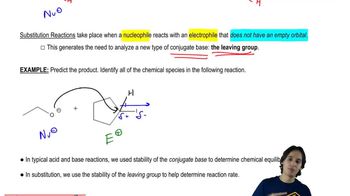
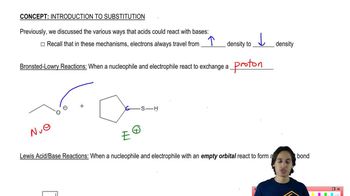
Introduction to Substitution
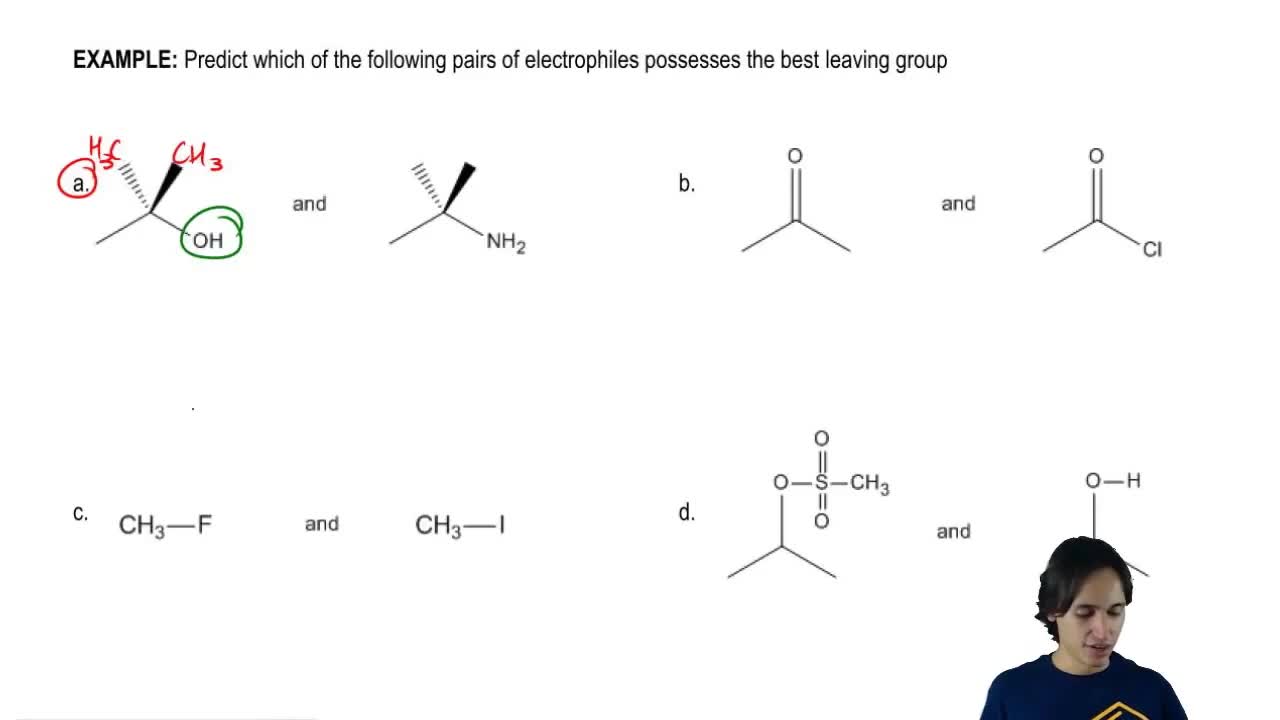
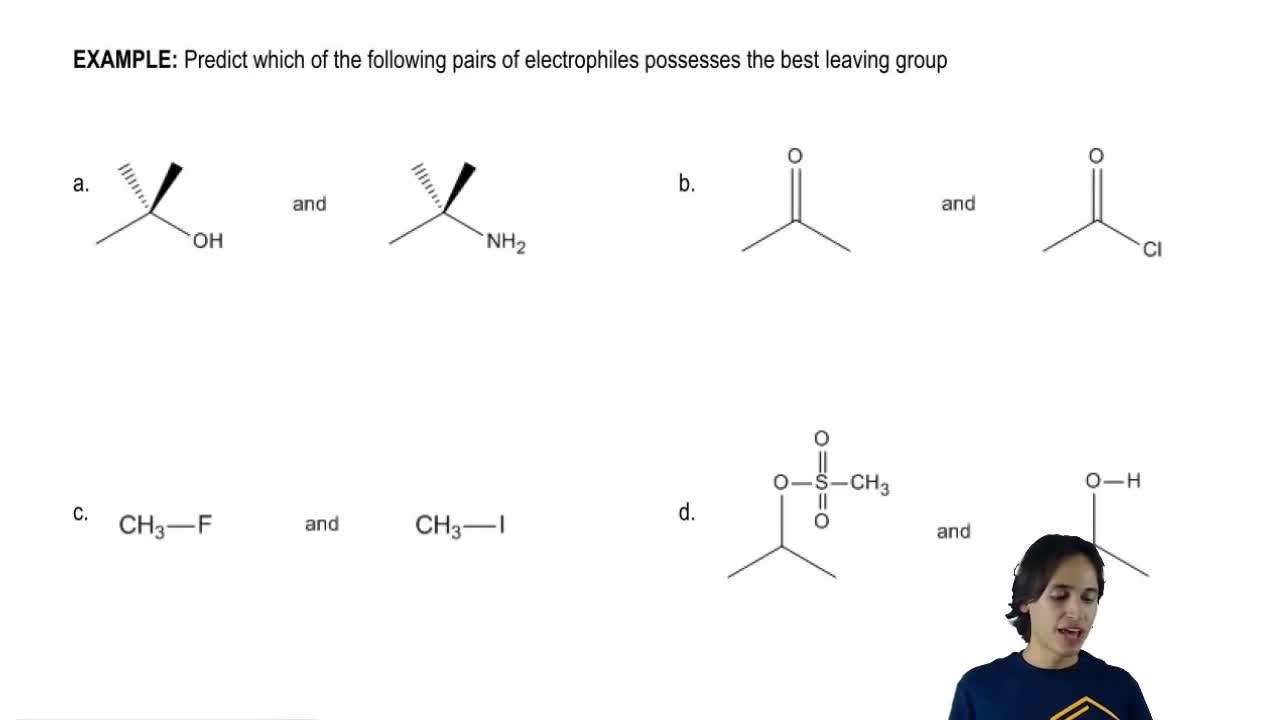
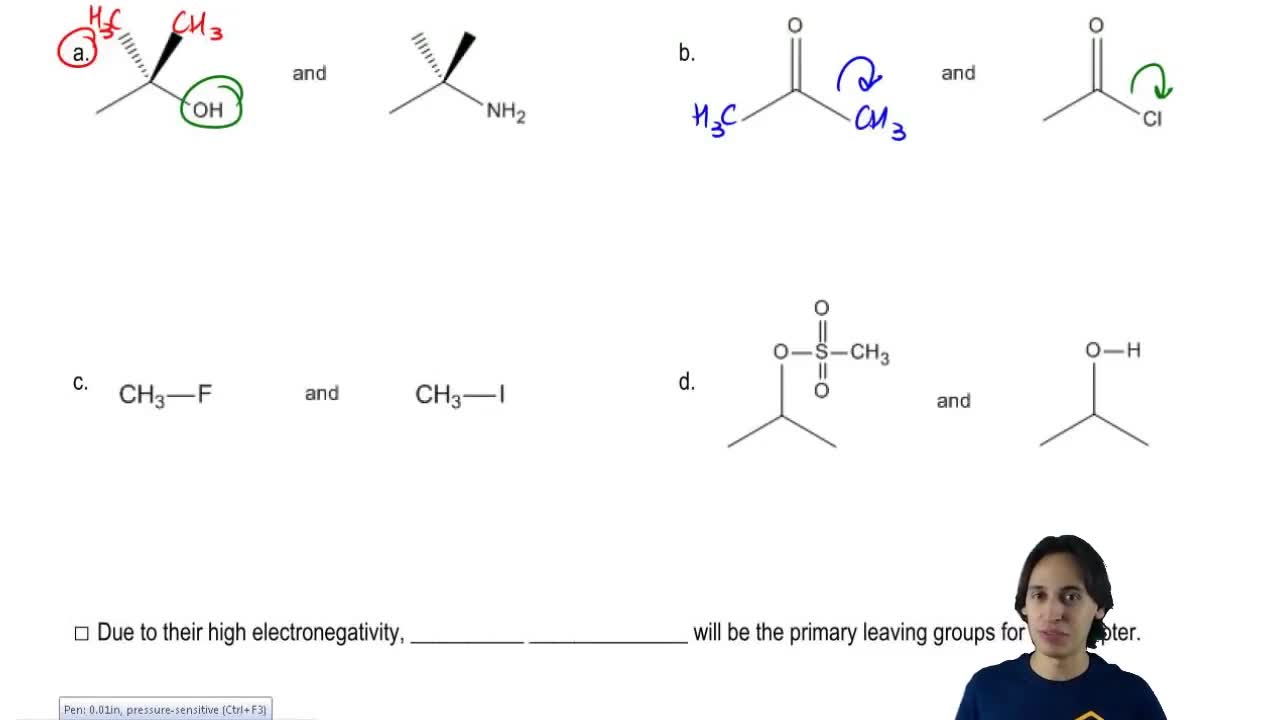
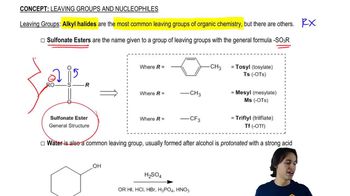
Leaving Groups
The SN2 Mechanism
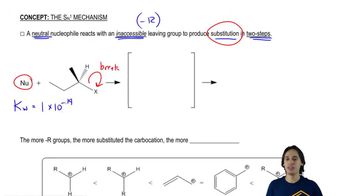
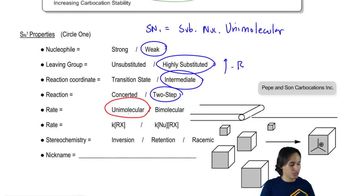
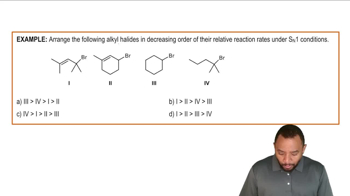
The SN1 Mechanism
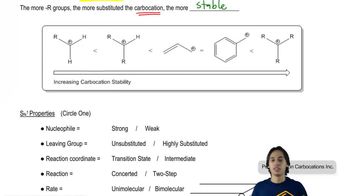
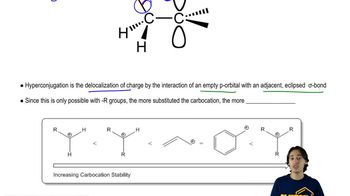
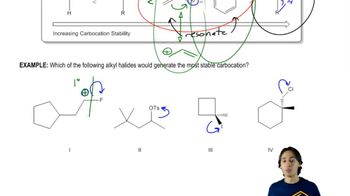
Carbocation Intermediates – Stability
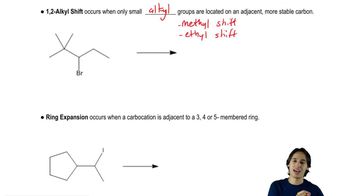
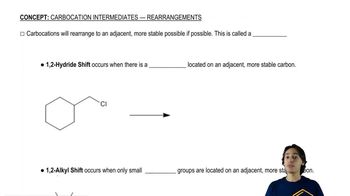
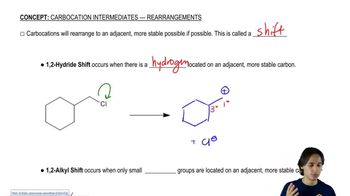
Carbocation Intermediate – Rearrangements
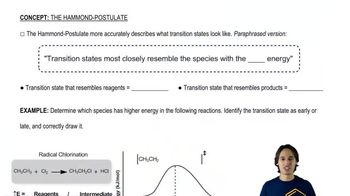
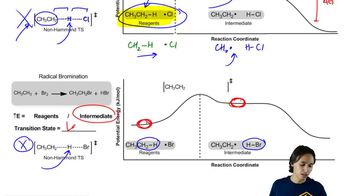
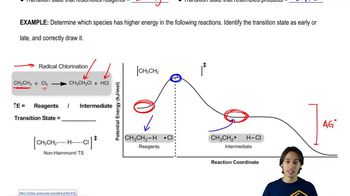
Hammond Postulate
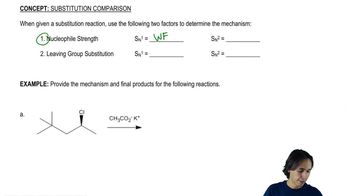
Substitution Comparison
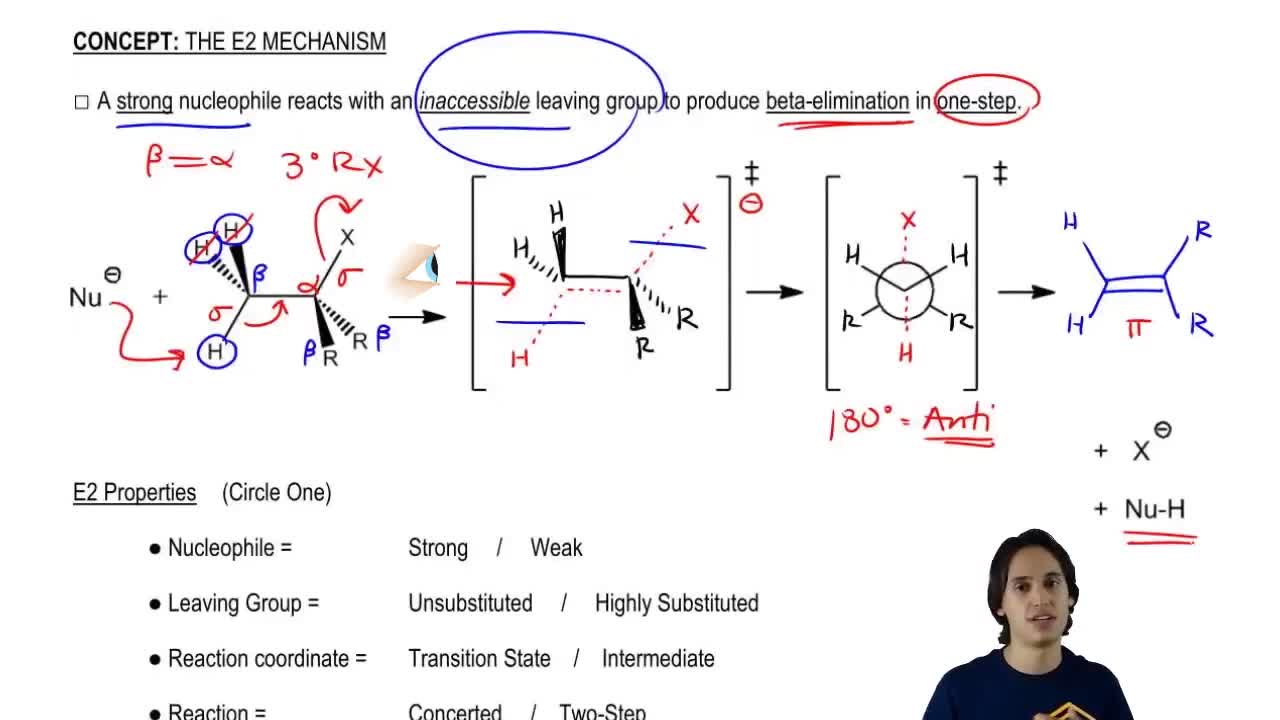
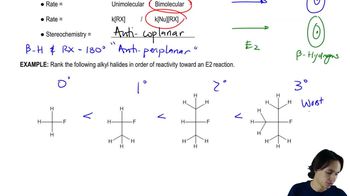
E2 Mechanism
Recognizing Different β-Hydrogens
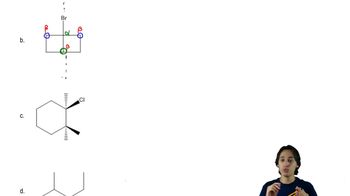
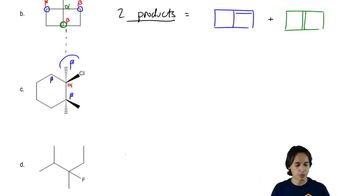
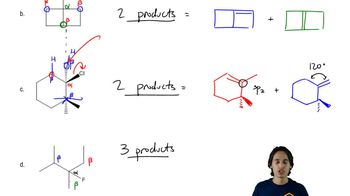
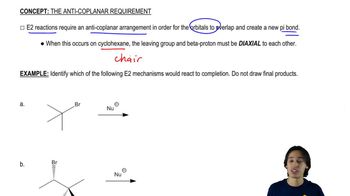
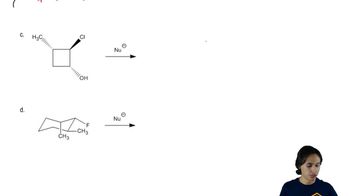
The Anti-Coplanar Requirement
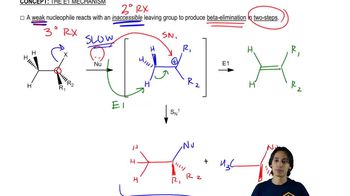
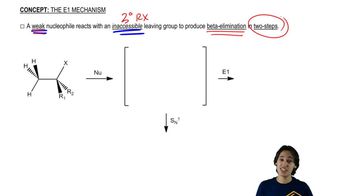
The E1 Mechanism
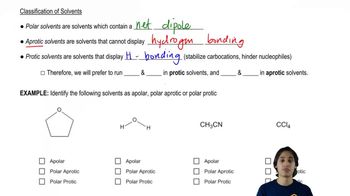
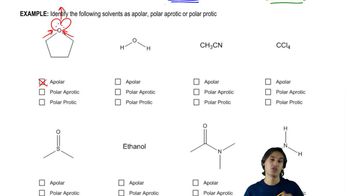
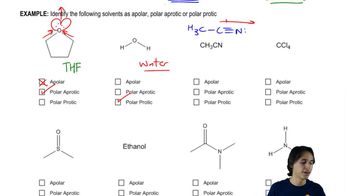
Solvents
Leaving Groups
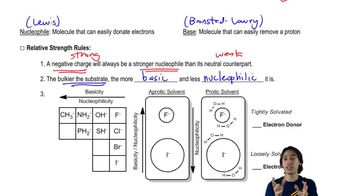
Nucleophiles and Basicity
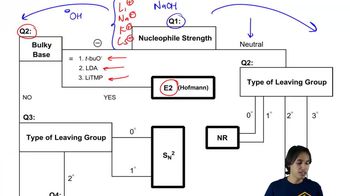
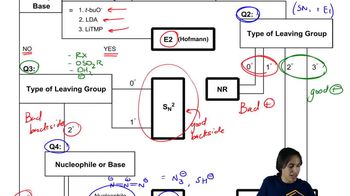
SN1 SN2 E1 E2 Chart (Big Daddy Flowchart)
Cumulative Substitution/Elimination
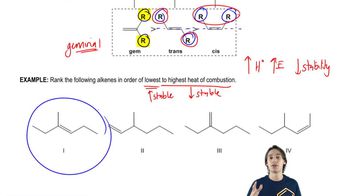
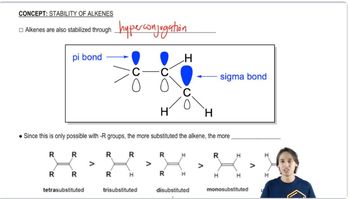
Stability of Alkenes
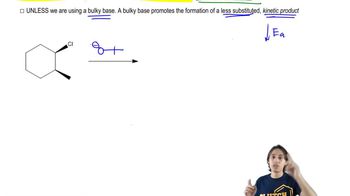
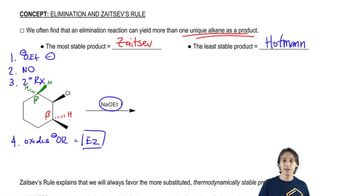
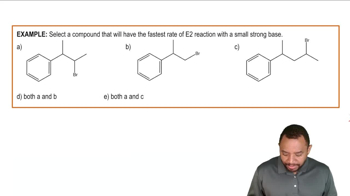
Elimination and Zaitsev's Rule
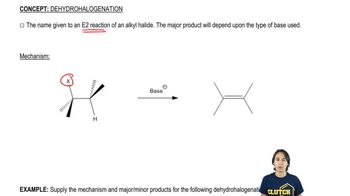
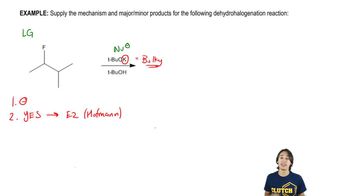
Dehydrohalogenation
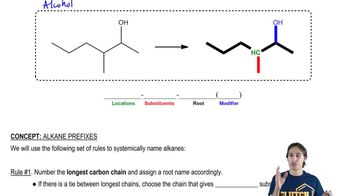
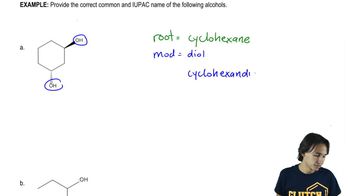
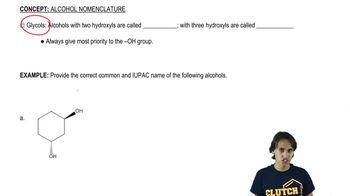
Alcohol Nomenclature
Acid-Catalyzed Dehydration
Synthesis of Alcohols Overview
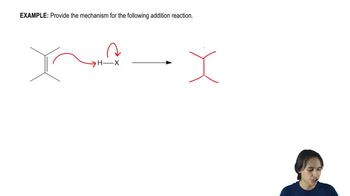
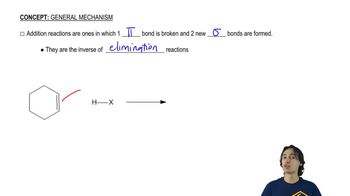
General Mechanism – Addition Reaction
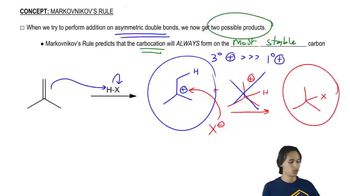
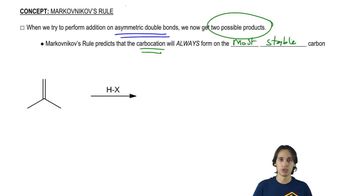
Markovnikov's Rule
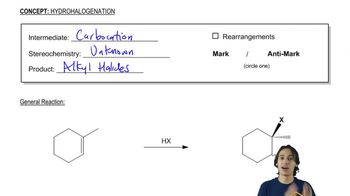
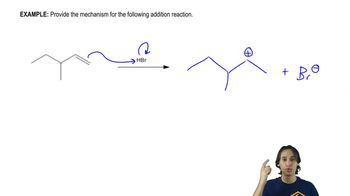
Hydrohalogenation
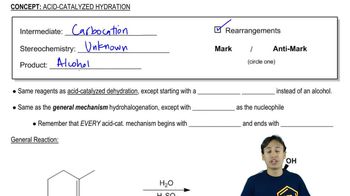
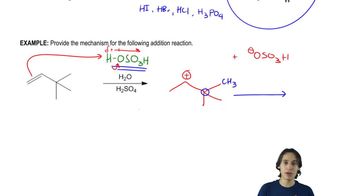
Acid-Catalyzed Hydration
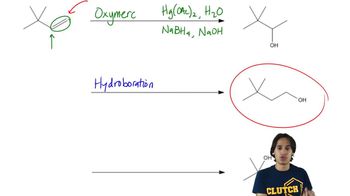
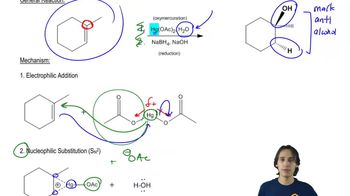
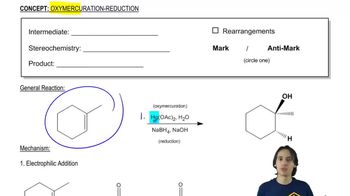
Oxymercuration-Reduction
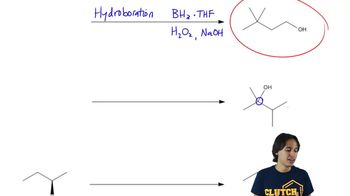
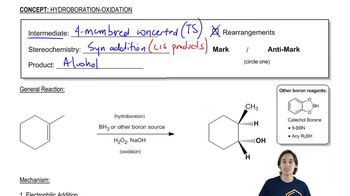
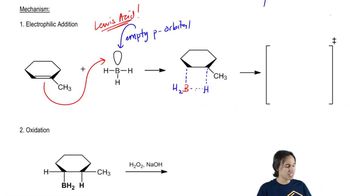
Hydroboration-Oxidation
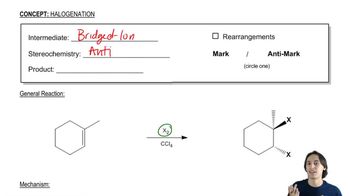
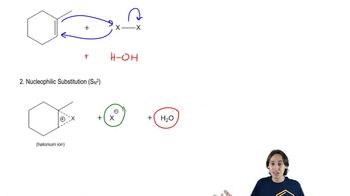
Halogenation
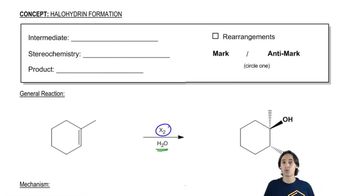
Halohydrin Formation
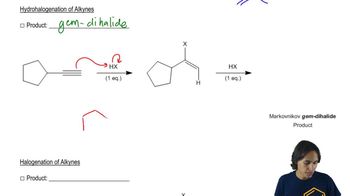
Alkyne Hydrohalogenation
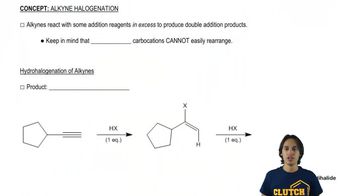
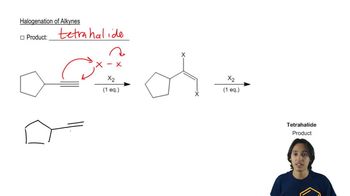
Alkyne Halogenation
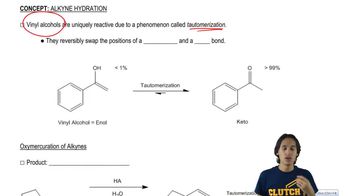
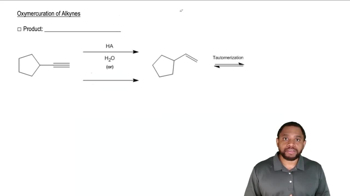
Alkyne Hydration
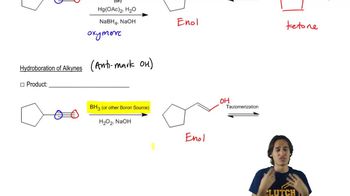
Alkyne Hydroboration
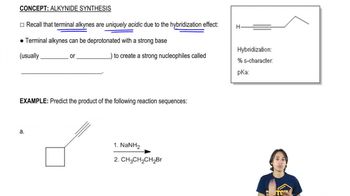
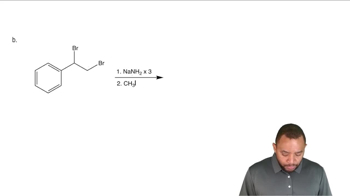
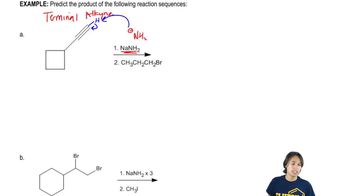
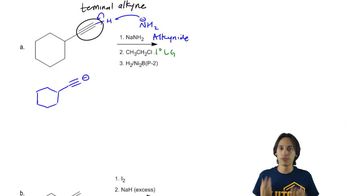
Alkynide Synthesis
Alkynide Synthesis and Retrosynthesis
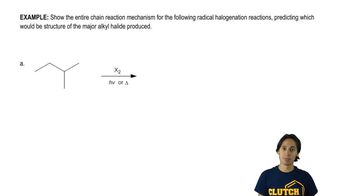
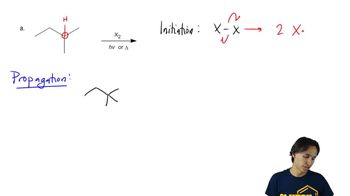
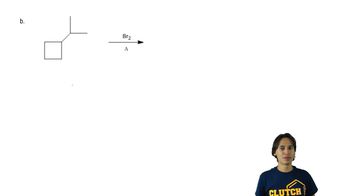
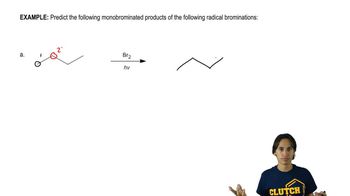
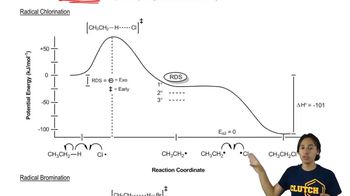
Alkane Halogenation
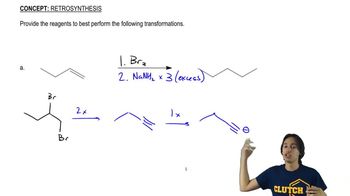
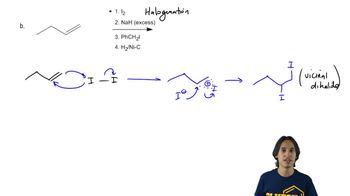
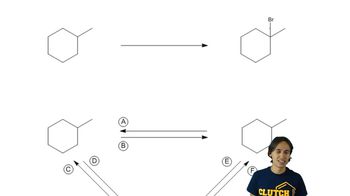
Retrosynthesis
Intro to Redox
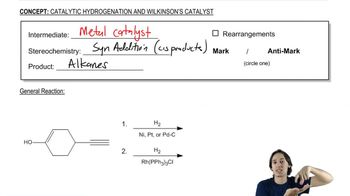
Catalytic Hydrogenation and Wilkinson's Catalyst
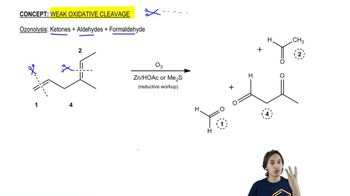
Weak Oxidative Cleavage
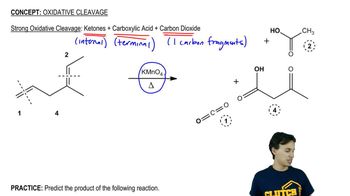
Oxidative Cleavage
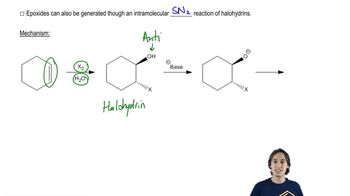
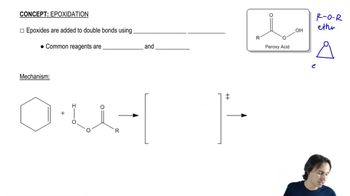
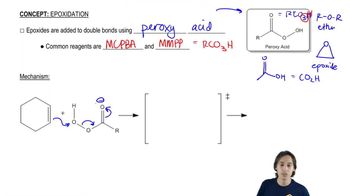
Epoxidation
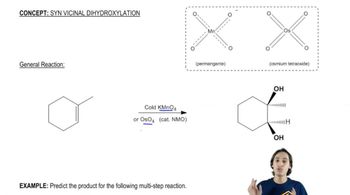
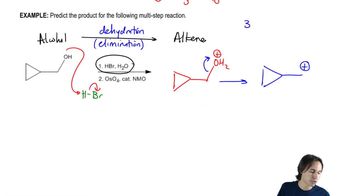
Syn Vicinal Dihydroxylation
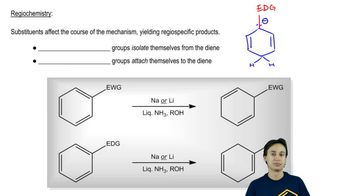
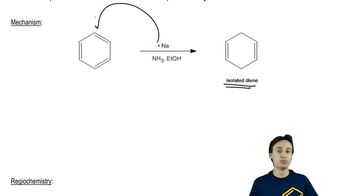
Birch Reduction
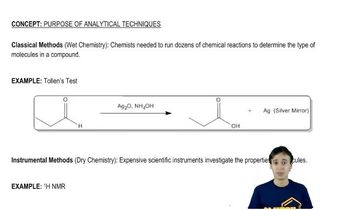
Purpose of Analytical Techniques
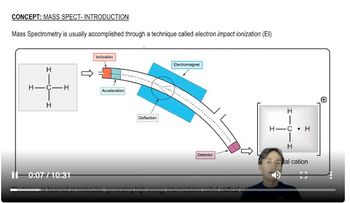
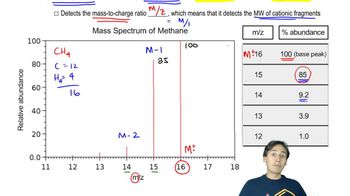
Mass Spect - Introduction
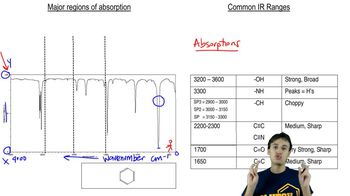
Infrared Spectroscopy
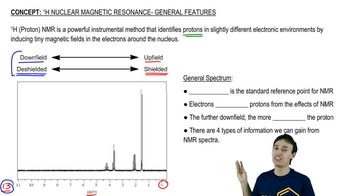
1H Nuclear Magnetic Resonance - General Features
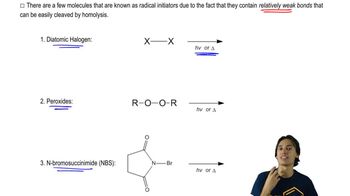
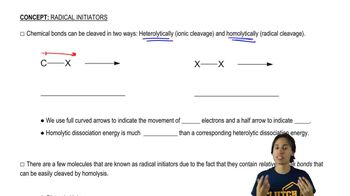
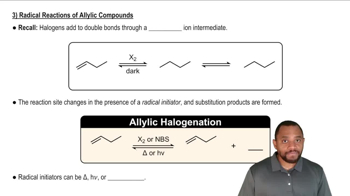
Radical Initiators
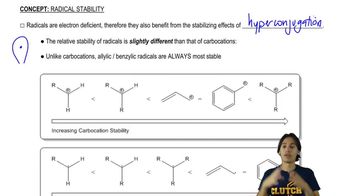
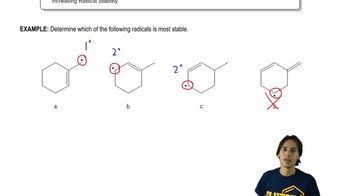
Radical Stability
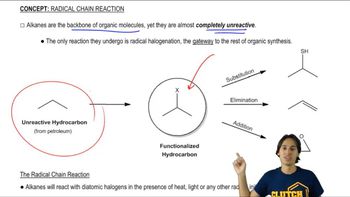
Radical Chain Reaction
Radical Selectivity
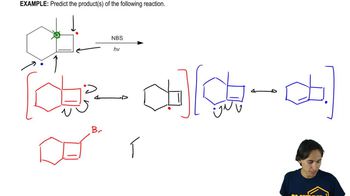
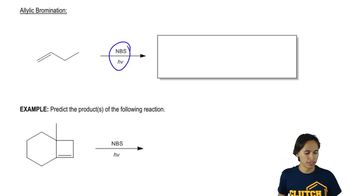
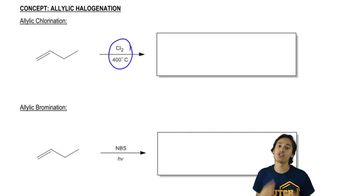
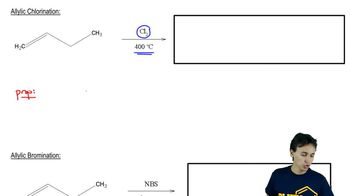
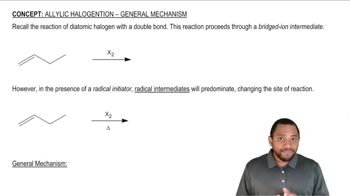
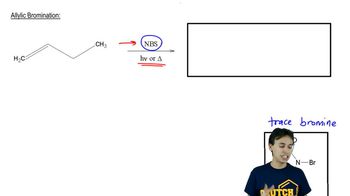
Allylic Halogenation
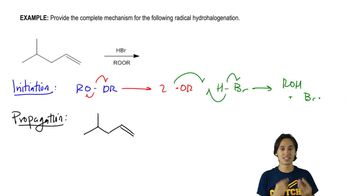
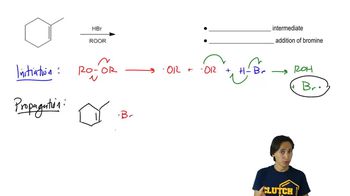
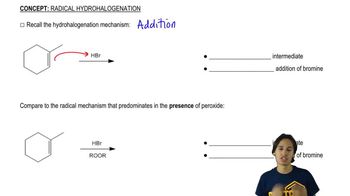
Radical Hydrohalogenation
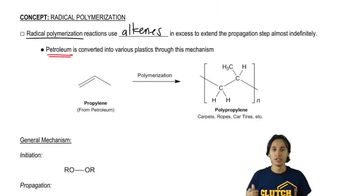
Radical Polymerization
Radical Synthesis
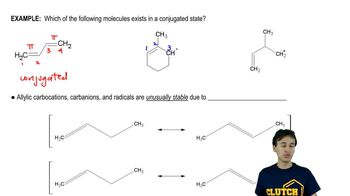
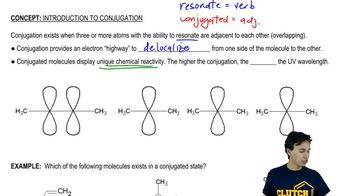
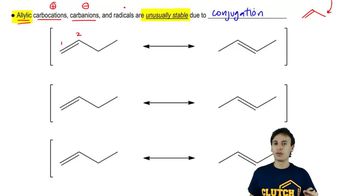
Introduction to Conjugation
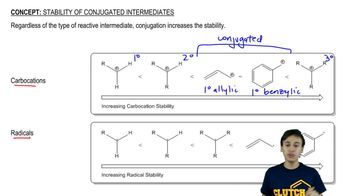
Stability of Conjugated Intermediates
Allylic Halogenation
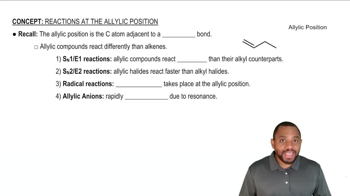
Reactions at the Allylic Position
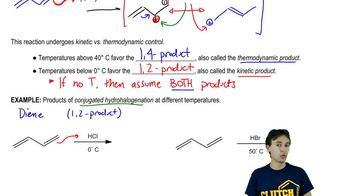
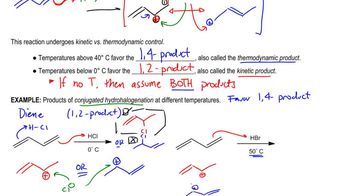
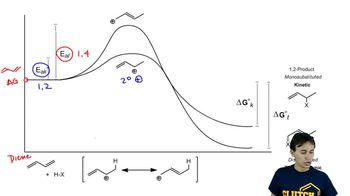
Conjugated Hydrohalogenation
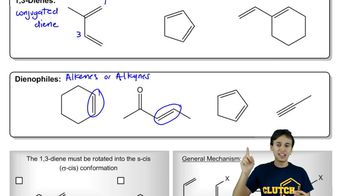
Diels-Alder Reaction - General Features
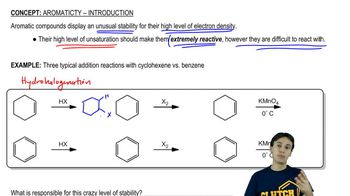
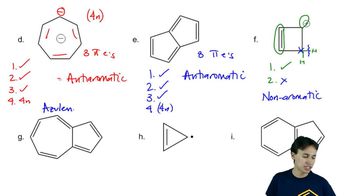
Aromaticity - Introduction
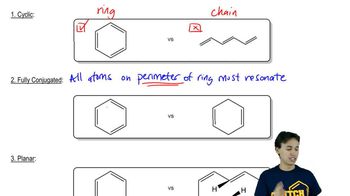
Four Tests of Aromaticity
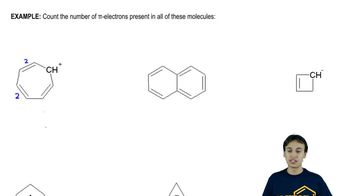
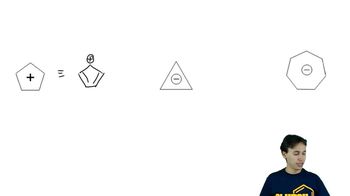
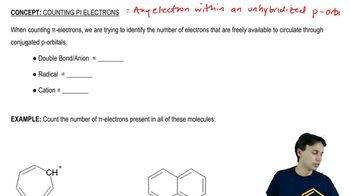
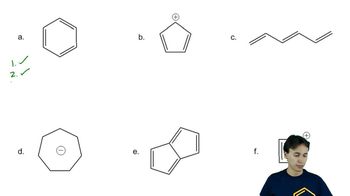
Counting Pi Electrons
Aromaticity of Hydrocarbons
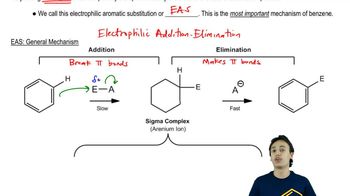
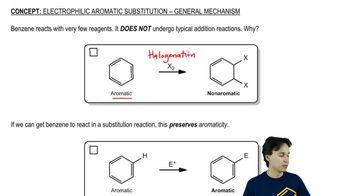
Electrophilic Aromatic Substitution – General Mechanism
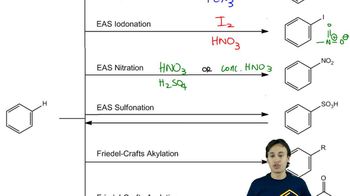
Electrophilic Aromatic Substitution – Reactions
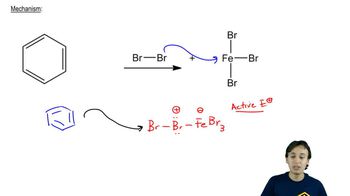
Generating Electrophiles – EAS Halogenation
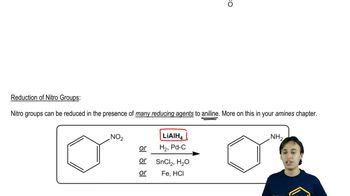
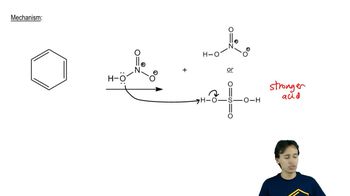
Generating Electrophiles – EAS Nitration
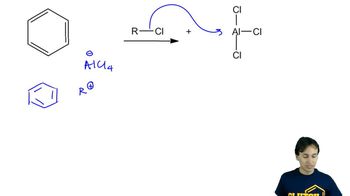
Generating Electrophiles – Friedel-Crafts Alkylation
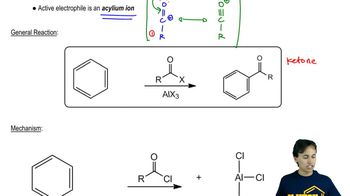
Generating Electrophiles – Friedel-Crafts Acylation
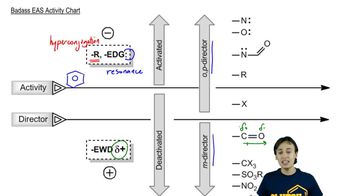
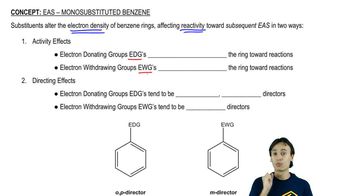
EAS – Monosubstituted Benzene
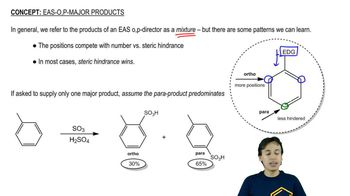
EAS-o, p-Major Products
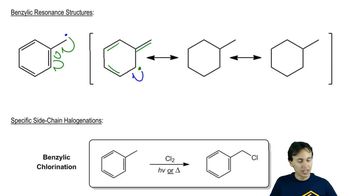
Side-Chain Halogenation
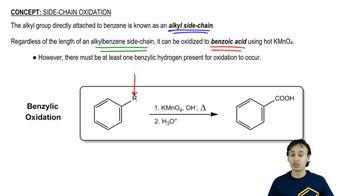
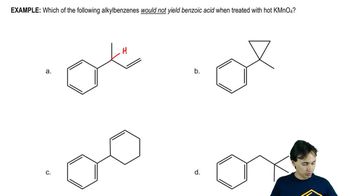
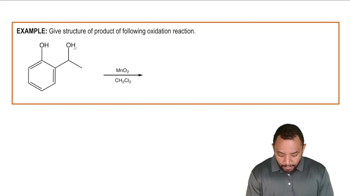
Side-Chain Oxidation
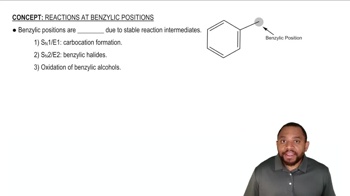
Reactions at Benzylic Positions
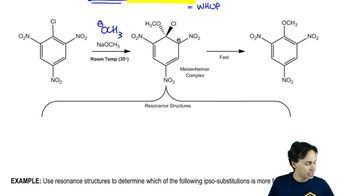
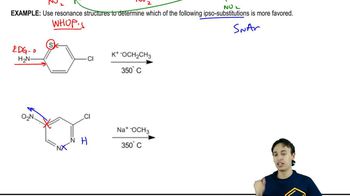
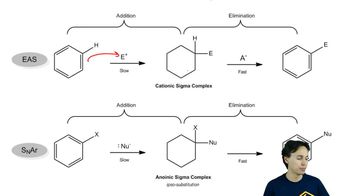
SNAr Addition-Elimination Mechanism
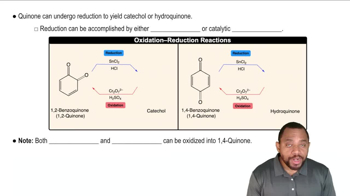
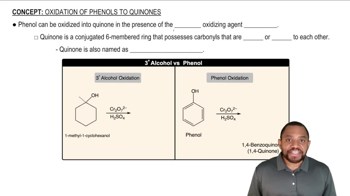
Oxidation of Phenols to Quinones
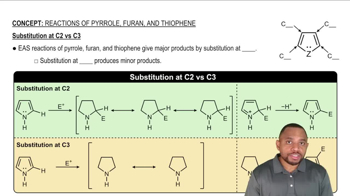
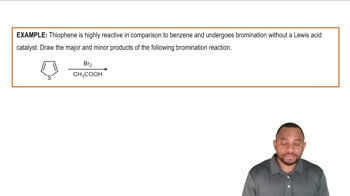
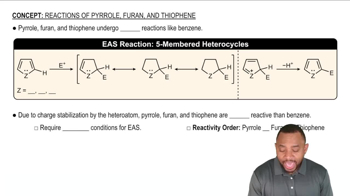
Reactions of Pyrrole, Furan, and Thiophene
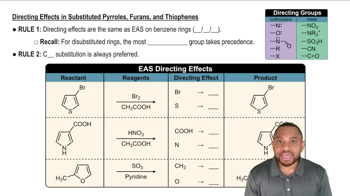
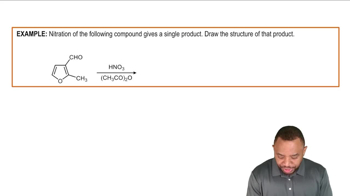
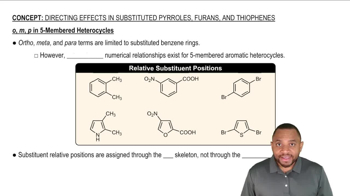
Directing Effects in Substituted Pyrroles, Furans, and Thiophenes
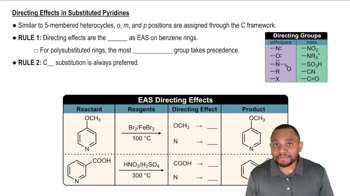
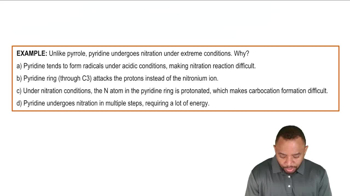
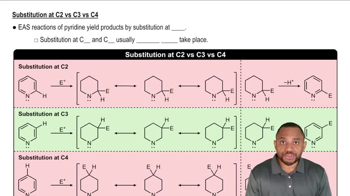
EAS Reactions of Pyridine
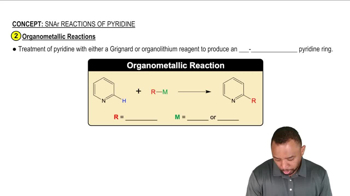
SNAr Reactions of Pyridine
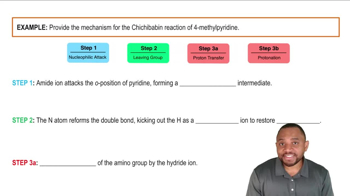
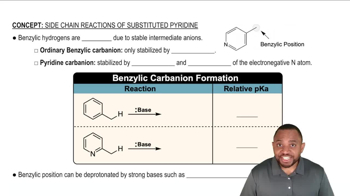
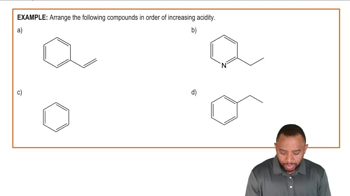
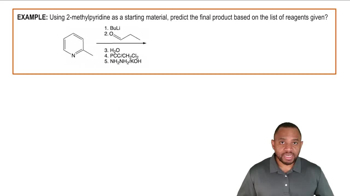
Side-Chain Reactions of Substituted Pyridines
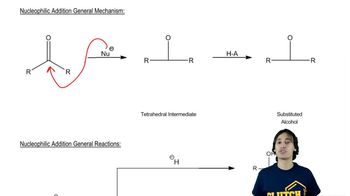
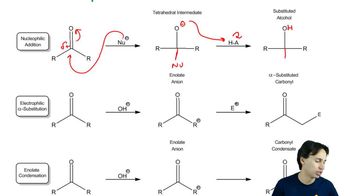
Nucleophilic Addition
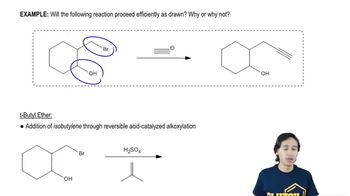
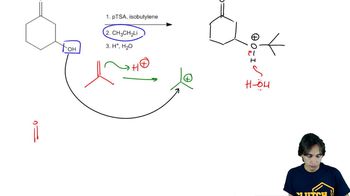
Alcohol Protecting Groups
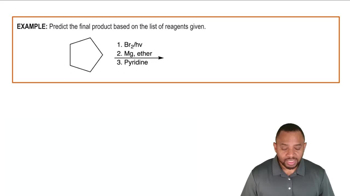
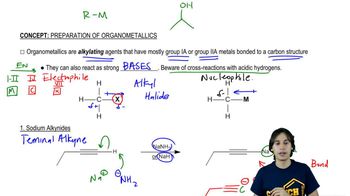
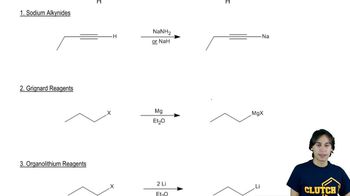
Preparation of Organometallics
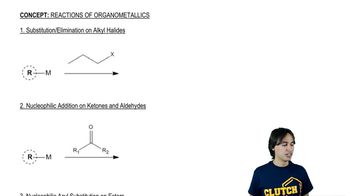
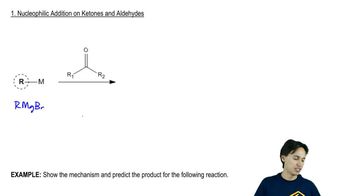
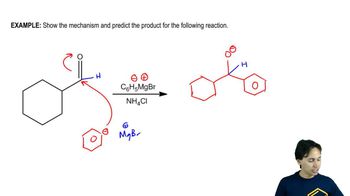
Reactions of Organometallics
Organometallics
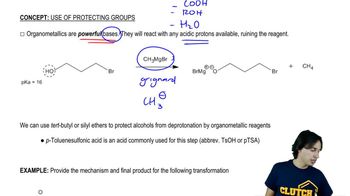
Use of Protecting Groups
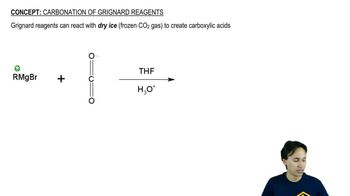
Carbonation of Grignard Reagents
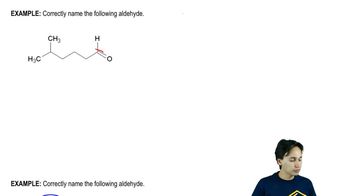
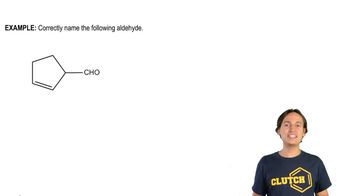
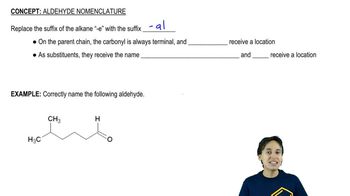
Aldehyde Nomenclature
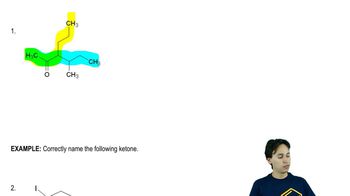
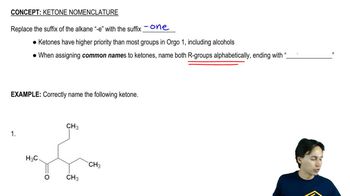
Ketone Nomenclature
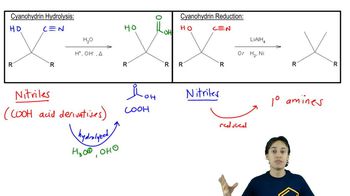
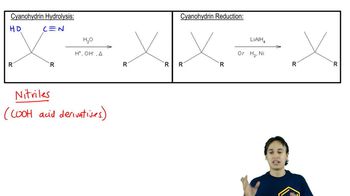
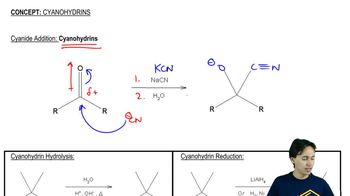
Cyanohydrins
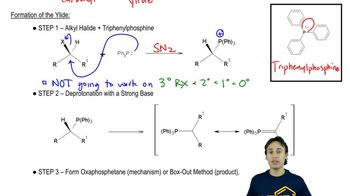
Wittig Reaction
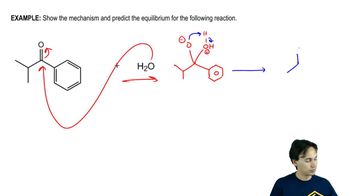
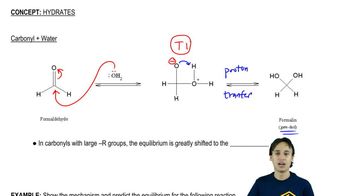
Hydrates
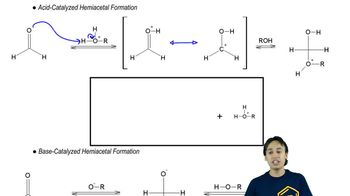
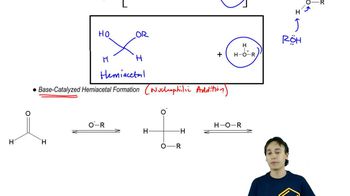
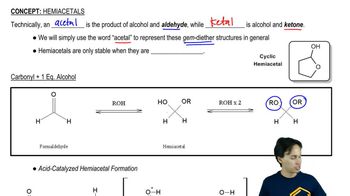
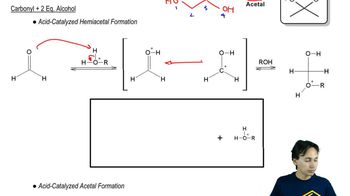
Hemiacetals
Acetals
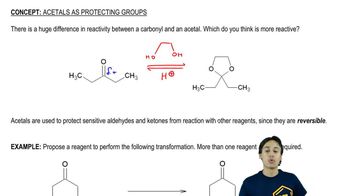
Acetals as Protecting Groups
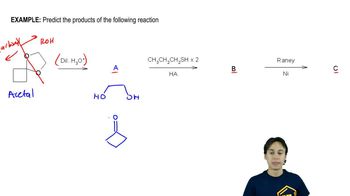
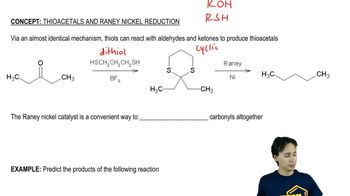
Thioacetals and Raney Nickel Reduction
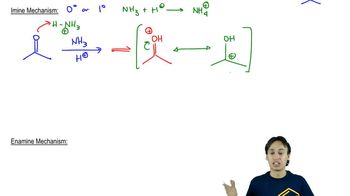
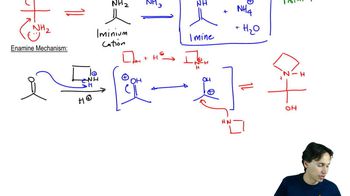
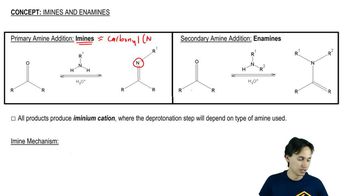
Imines and Enamines
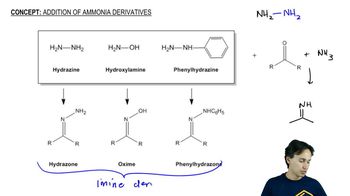
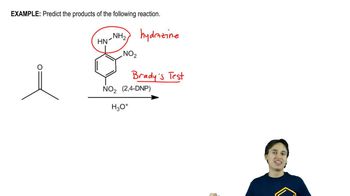
Addition of Ammonia Derivatives
Ketone and Aldehyde Synthesis Reactions
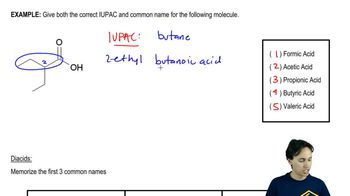
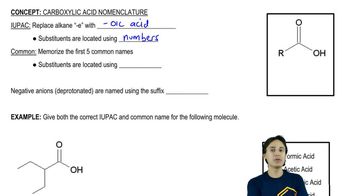
Carboxylic Acid Nomenclature
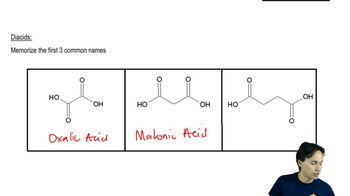
Diacid Nomenclature
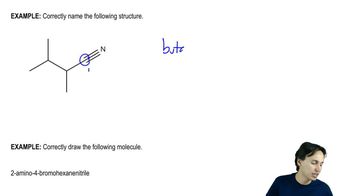
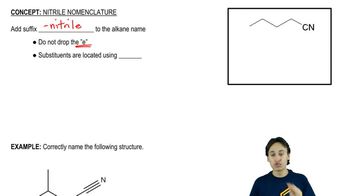
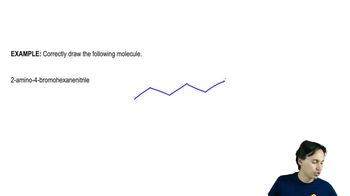
Nitrile Nomenclature
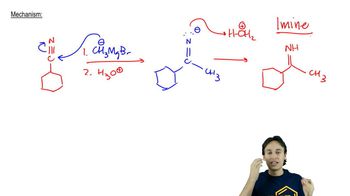
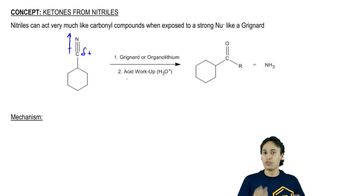
Ketones from Nitriles
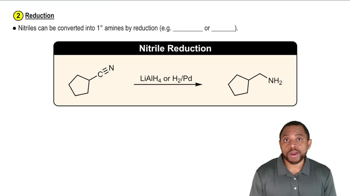
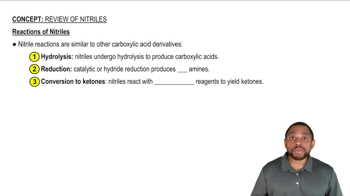
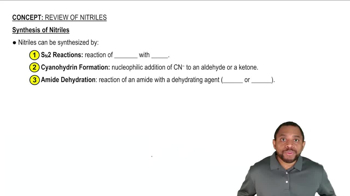
Review of Nitriles
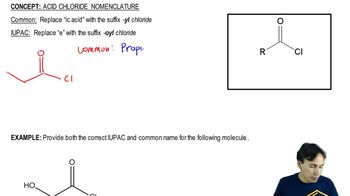
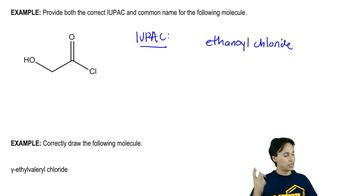
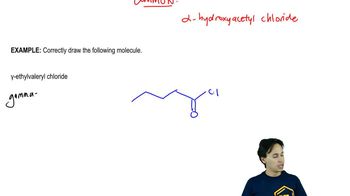
Acid Chloride Nomenclature
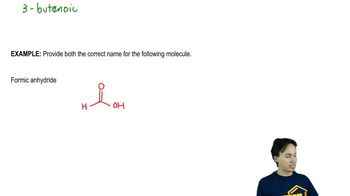
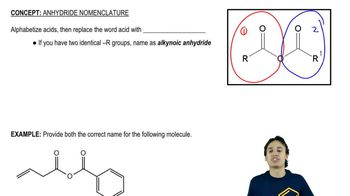
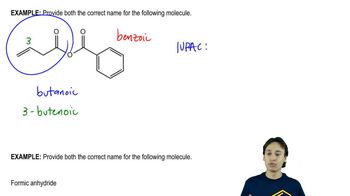
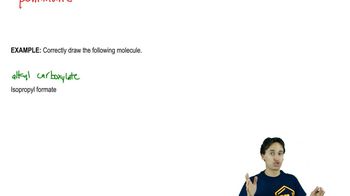
Anhydride Nomenclature
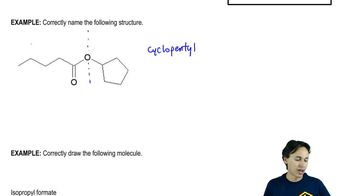
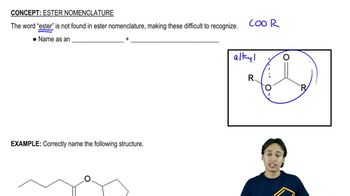
Ester Nomenclature
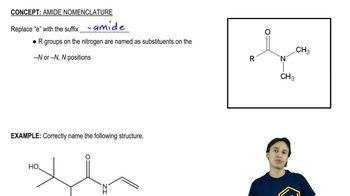
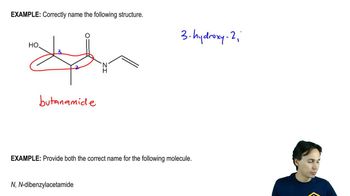
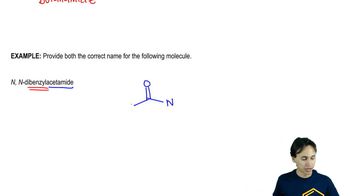
Amide Nomenclature
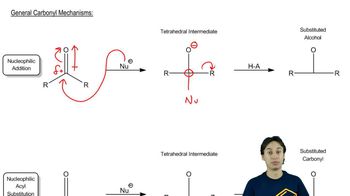
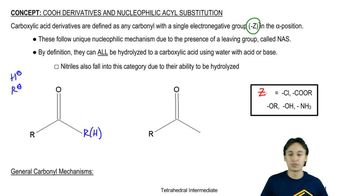
COOH Derivatives and Nucleophilic Acyl Substitution
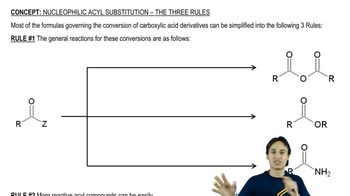
Nucleophilic Acyl Substitution – The Three Rules
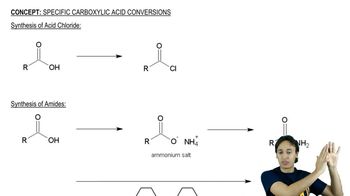
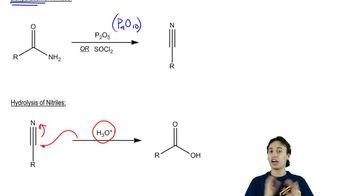
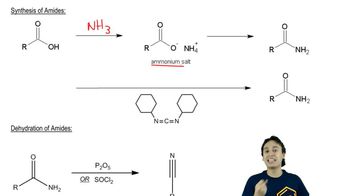
Specific Carboxylic Acid Conversions
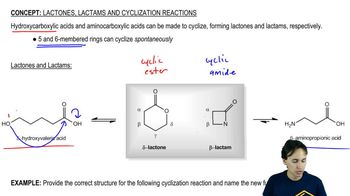
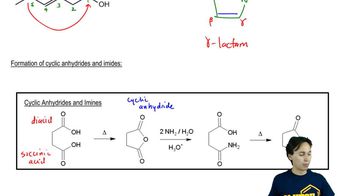
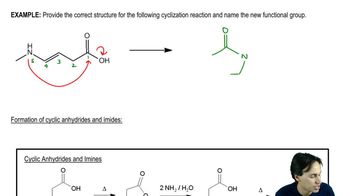
Lactones, Lactams and Cyclization Reactions
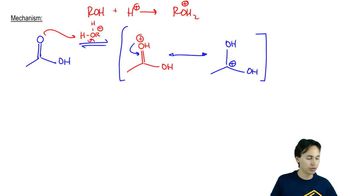
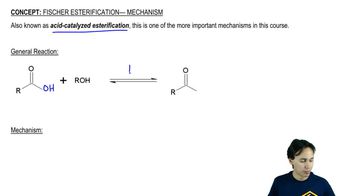
Fischer Esterification – Mechanism
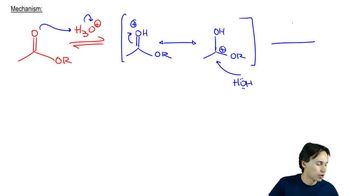
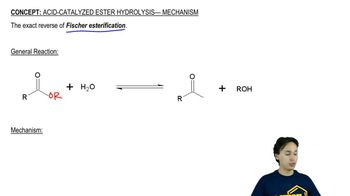
Acid-Catalyzed Ester Hydrolysis – Mechanism
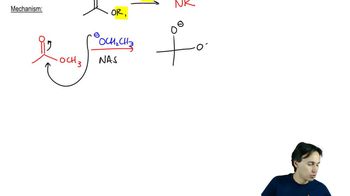
Base-Catalyzed Ester Hydrolysis – Mechanism
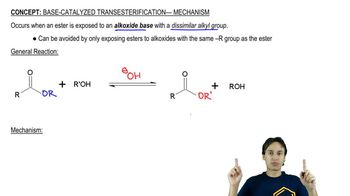
Base-Catalyzed Transesterificaation – Mechanism
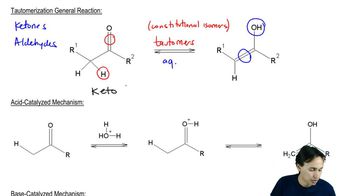
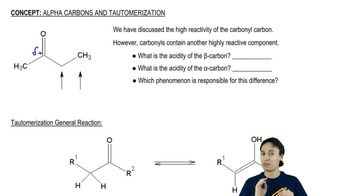
Alpha Carbons and Tautomerization
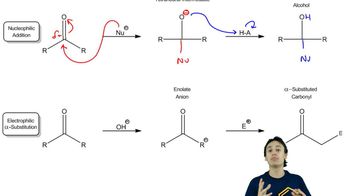
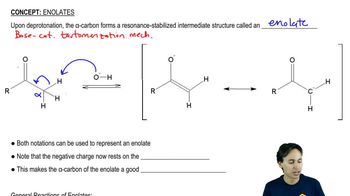
Enolates
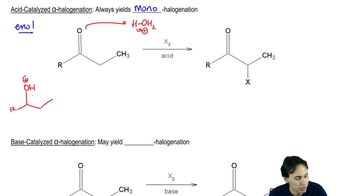
Acid-Catalyzed Alpha-Halogenation
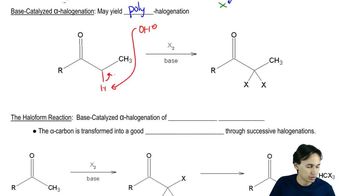
Base-Catalyzed Alpha-Halogenation
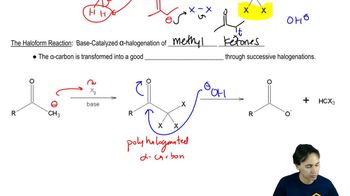
Haloform Reaction
Hell-Volhard-Zelinski Reaction
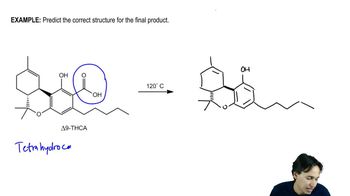
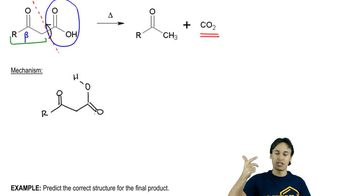
Decarboxylation
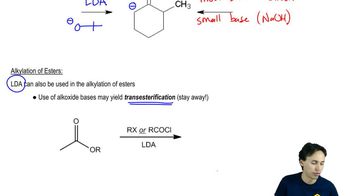
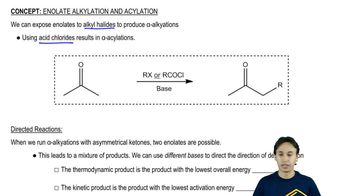
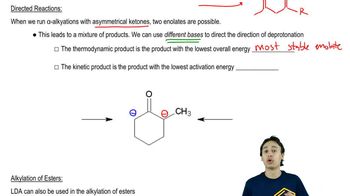
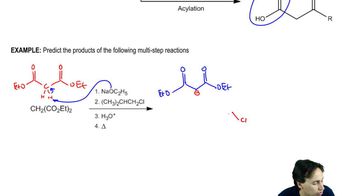
Enolate Alkylation and Acylation
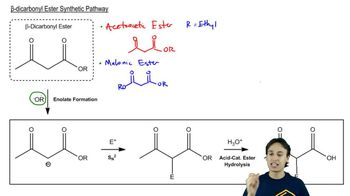
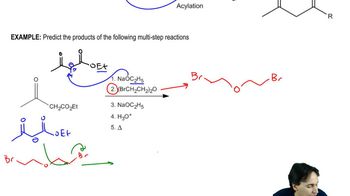
Beta-Dicarbonyl Synthesis Pathway
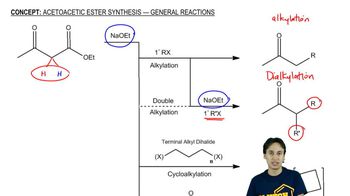
Acetoacetic Ester Synthesis
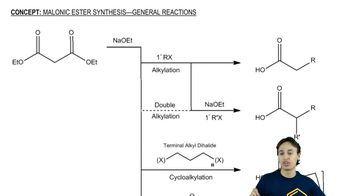
Malonic Ester Synthesis
Condensation Reactions
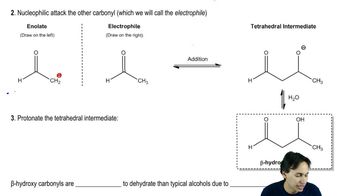
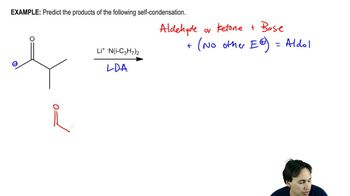
Aldol Condensation
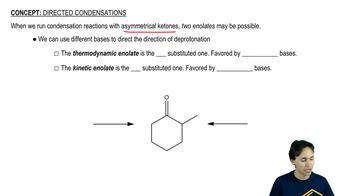
Directed Condensations
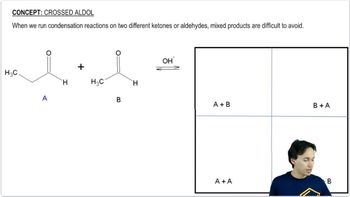
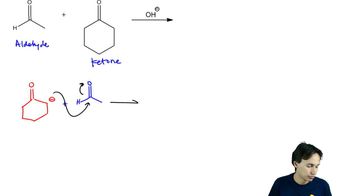
Crossed Aldol Condensation
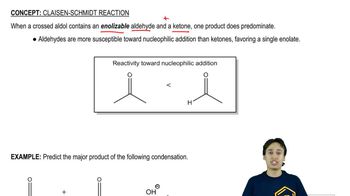
Claisen-Schmidt Reaction
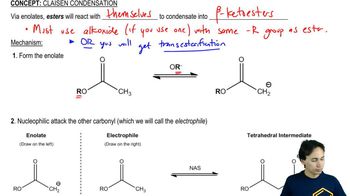
Claisen Condensation
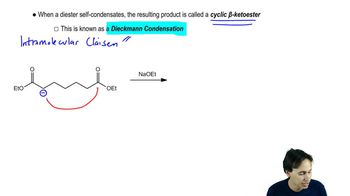
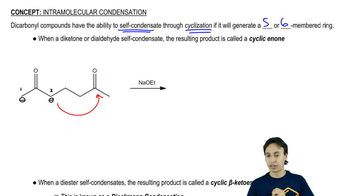
Intramolecular Condensation
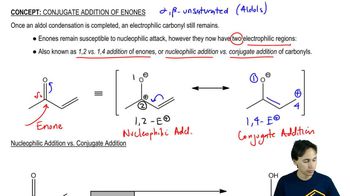
Conjugate Addition of Enones
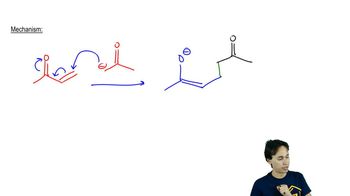
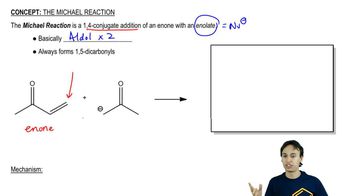
The Michael Reaction
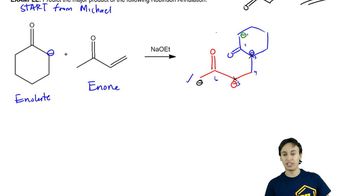
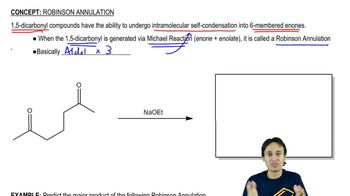
Robinson Annulation
 Indietro
 Lezioni curate abbinate al materiale che hai caricato – impara ogni argomento passo dopo passo.
 02:08