Indietro

Organic Chemistry II: Foundations of Structure, Bonding, and Acidity (Chapters 1 & 2 Study Guide)

Guida di studio - Impara con i video

Lezioni curate abbinate al materiale che hai caricato – impara ogni argomento passo dopo passo.

Bonding Preferences

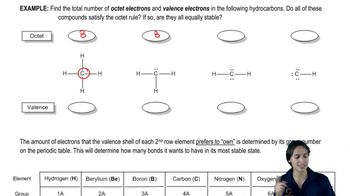
  • What is the difference between valence and octet electrons?
    02:04
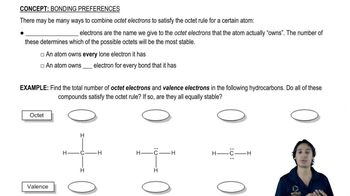
  • Understanding the hydrogen isotopes.
    08:32
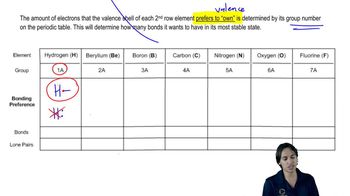
  • What is a valence electron?
    02:14
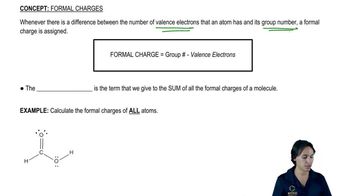
Formal Charges

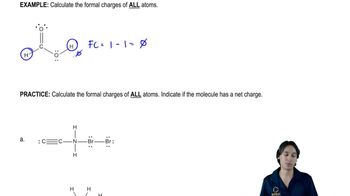
  • Calculate the formal charges of ALL atoms.
    02:21
  • Calculating formal and net charge.
    01:34

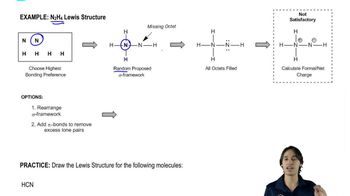
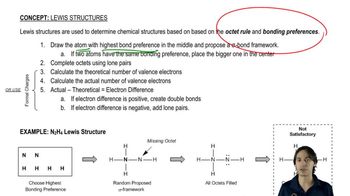
Lewis Structure

  • Drawing the Lewis Structure for N2H4.
    04:12
  • How to use Organic Chemistry to make Lewis Structures easier.
    03:49

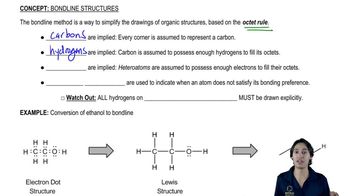
Skeletal Structure

  • How bondline is different from Lewis Structures.
    04:03
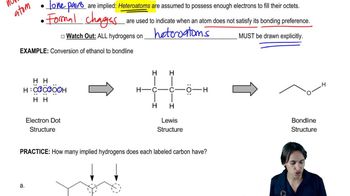
  • Conversion of ethanol from electron dot to bondline
    01:50

Condensed Structural Formula

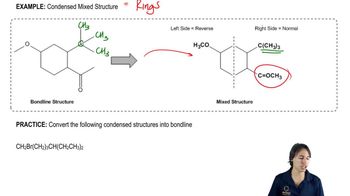
  • How to draw condensed mixed structures.
    05:21
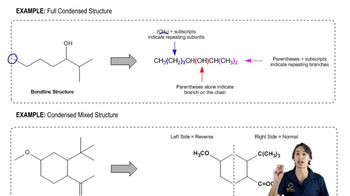
  • How to interpret condensed structures.
    06:06

Hybridization

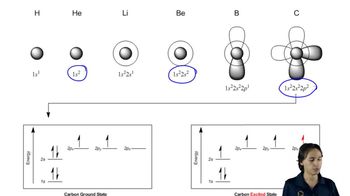
  • How carbon creates 4 partially-filled orbitals.
    02:53
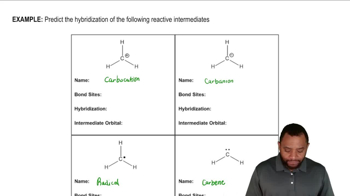
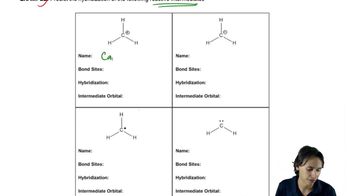
  • Bond sites, hybridization, and intermediate orbitals
    04:58
  • Introduction to the reactive intermediates.
    02:47

Molecular Orbitals

  • Sigma bond vs. pi bond, which is stronger?
    03:25
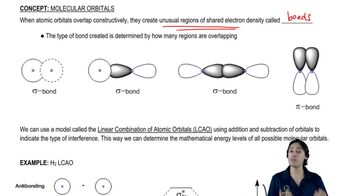
  • What’s the difference between sigma and pi bonds?
    02:19
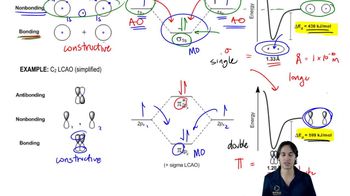
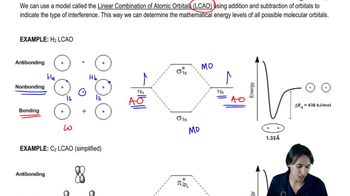
  • What’s the difference between atomic and molecular orbitals?
    11:25

Sigma and Pi Bonds

  • Single bonds, double bonds, and triple bonds.
    06:00
  • Sigma bonds and pi bonds
    01:05
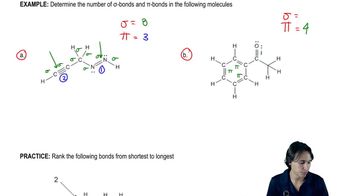
  • Sigma bonds and pi bonds
    00:59

Molecular Geometry

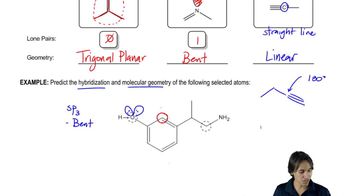
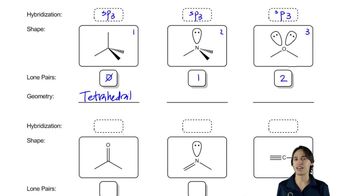
  • Predict the hybridization and molecular geometry
    01:54
  • Molecular Geometry Explained.
    07:44

Electronegativity

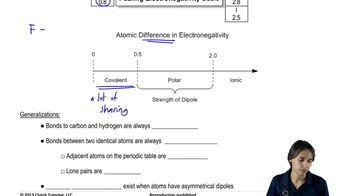
  • Differences between ionic, polar and covalent bonds
    11:33

Intermolecular Forces

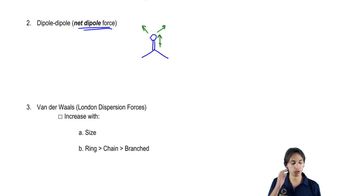
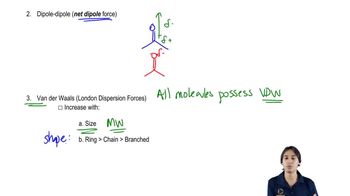
  • How dipole-dipole forces work.
    01:46
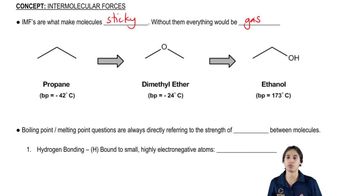
  • How IMFs are related to melting and boiling points.
    03:08
  • How Van der Waals forces work.
    03:01

Resonance Structures

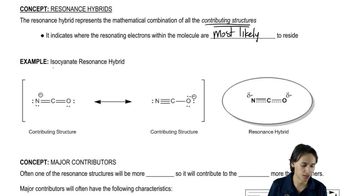
  • How to draw a resonance hybrid.
    03:24
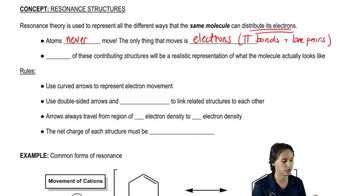
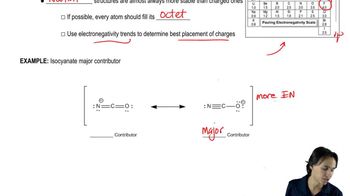
  • The rules you need for resonance:
    03:34
  • How to determine which structure is most stable.
    01:32

Acid and Base Definitions

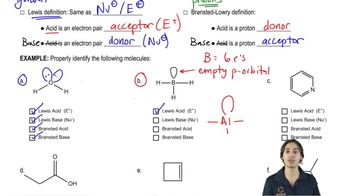
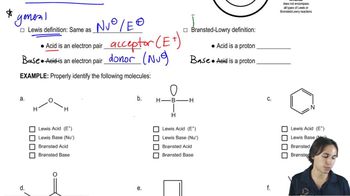
  • Lewis vs. Bronsted-Lowry Definition
    07:46
  • The Bronsted-Lowry definition of acids and bases.
    00:54
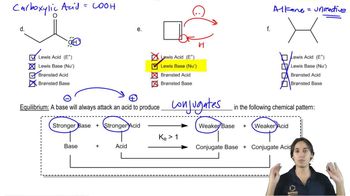
  • Equilibrium constant and conjugates.
    02:11

Equilibrium Constant and pKa

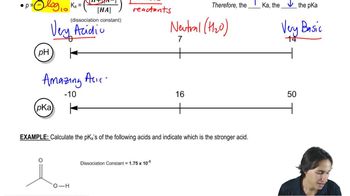
  • The pH scale vs. the pKa scale.
    02:15
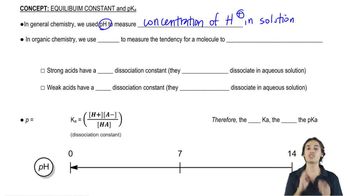
  • The relationship between equilibrium constant and pKa.
    02:19
  • Why we use pKa instead of pH.
    01:46

pKa Values

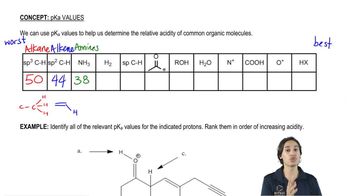
  • Identifying pKa values
    07:45
  • The 12 pKa values you want to memorize (because they are important!).
    09:36

Acid Base Equilibrium

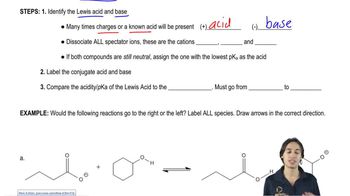
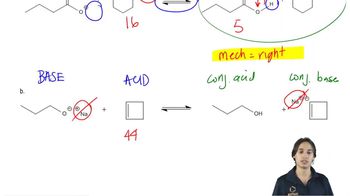
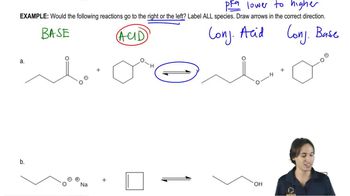
  • The 3 steps for determining the direction of acid and base equilibrium.
    05:11
  • Determining Acid/Base Equilibrium
    04:00
  • Determining Acid/Base Equilibrium
    02:34

Factors Affecting Acidity

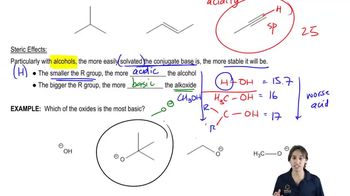
  • Which of the oxides is the most basic?
    00:30
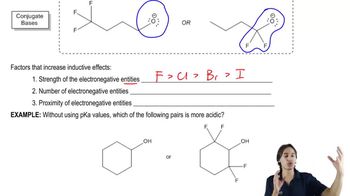
  • The 3 factors that determine the strength of inductive effects.
    03:09
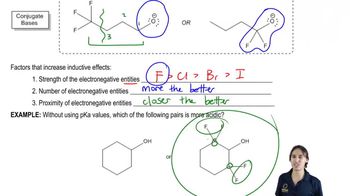
  • Using Inductive Effect to determine acidity
    01:54

Reaction Mechanism

  • How to tell if charged molecules will react as nucleophiles or electrophiles.
    02:39
  • Nucleophile or Electrophile
    01:49
  • How to tell if uncharged molecules will react as nucleophiles or electrophiles.
    02:48