Indietro

Organic Chemistry Study Guide: Alkenes, Stereochemistry, and Reaction Mechanisms (Chapters 4-6)

Guida di studio - Impara con i video

Lezioni curate abbinate al materiale che hai caricato – impara ogni argomento passo dopo passo.

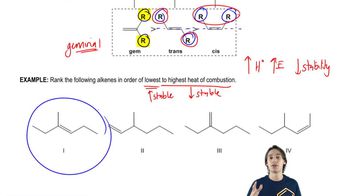
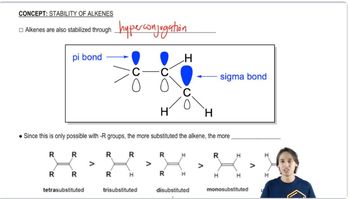
Stability of Alkenes

  • Heat of Combustion
    02:55
  • Understanding trends of alkene stability.
    04:28

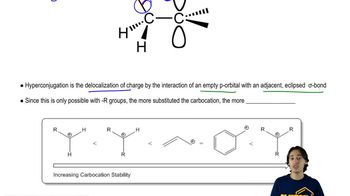
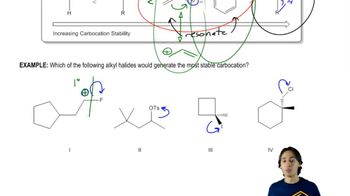
Carbocation Intermediates – Stability

  • Determining Carbocation Stability
    05:58
  • Predicting the most stable carbocation
    01:21

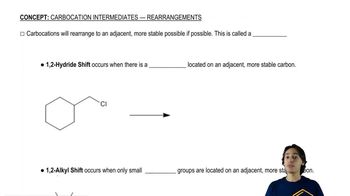
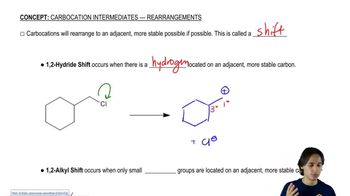
Carbocation Intermediate – Rearrangements

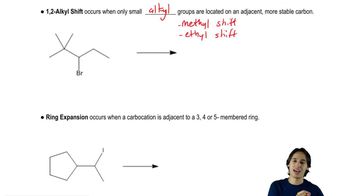
  • Alkyl Shift
    03:43
  • Understanding why carbocations shift.
    00:47
  • Hydride Shift
    03:34

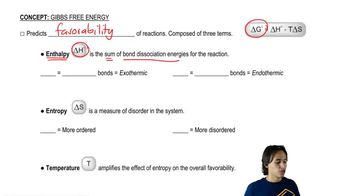
Gibbs Free Energy

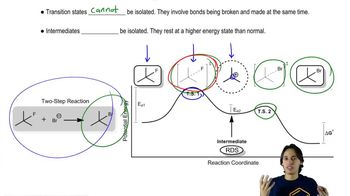
  • Intermediates vs. Transition States
    06:55
  • Breaking down the different terms of the Gibbs Free Energy equation.
    05:02

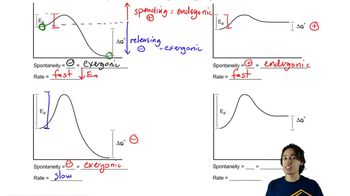
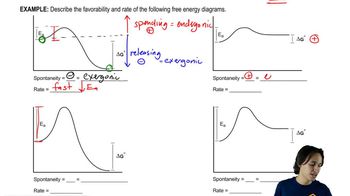
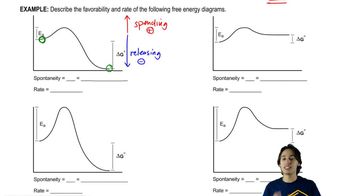
Energy Diagram

  • Favorability and rate of Free Energy Diagrams
    01:14
  • Favorability and rate of Free Energy Diagrams
    00:34
  • Favorability and rate of Free Energy Diagrams
    02:18

Cahn-Ingold-Prelog Nomenclature

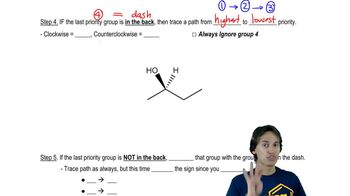
  • R and S Naming- Step 4
    03:07
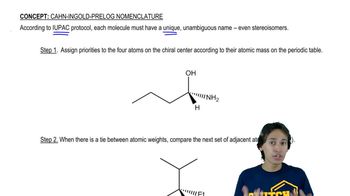
  • Why stereoisomers need their own naming system.
    01:48
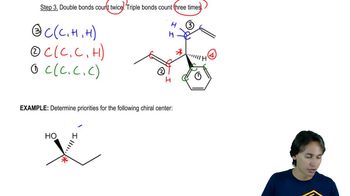
  • Determining Priorities
    01:19

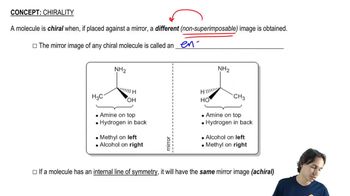
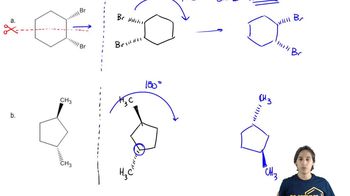
Chirality

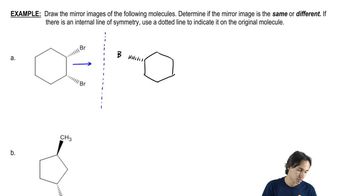
  • Drawing Mirror Images and Determining Chirality
    03:24
  • What is chirality?
    05:10
  • Drawing Mirror Images and Determining Chirality
    03:44

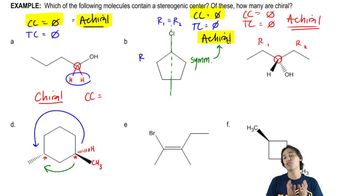
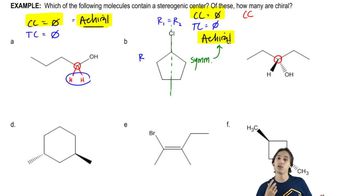
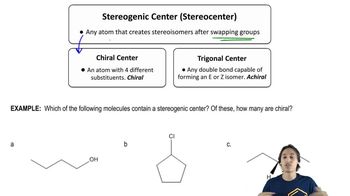
Chirality Test 2 - Stereocenters

  • Determining Chirality using Stereocenter
    02:25
  • Determining Chirality using Stereocenter
    00:36
  • The difference between chiral and trigonal centers.
    02:38

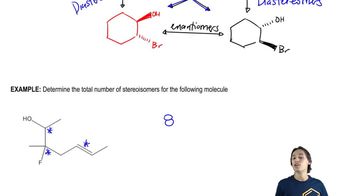
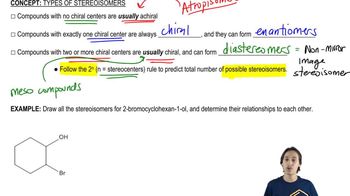
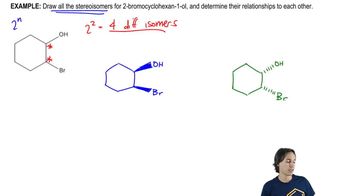
Types of Stereoisomers

  • Determine total number of stereoisomers
    00:49
  • How to predict the total number of stereoisomers.
    01:03
  • Draw stereoisomers and determine relationship
    07:41

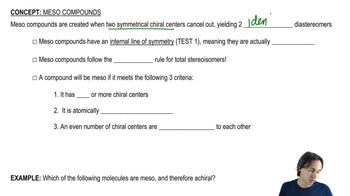
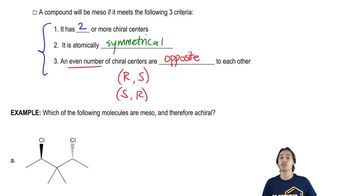
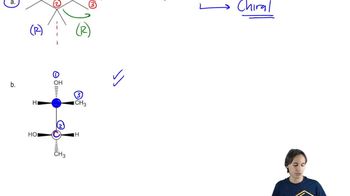
Meso Compounds

  • Defining meso compounds.
    01:40
  • The 3 rules of meso compounds.
    04:10
  • Which of the following molecules are meso?
    03:44

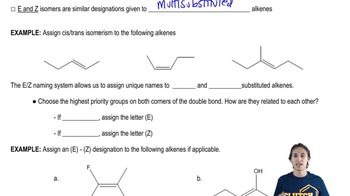
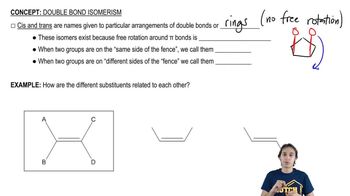
Cis vs Trans

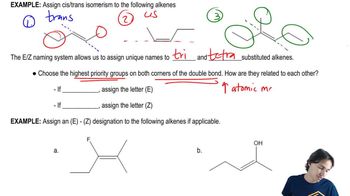
  • Why we need to use the E/Z naming system
    02:07
  • What does E and Z stand for?
    00:50
  • How to name different types of double bonds or rings
    04:28

Alkenes, Alkynes and Alcohols

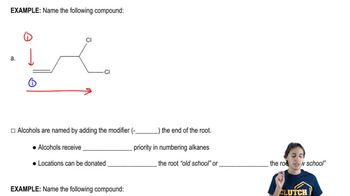
  • Name the following alkene
    02:04
  • How to name alkenes and alkynes
    01:55
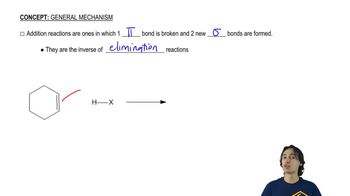
General Mechanism – Addition Reaction

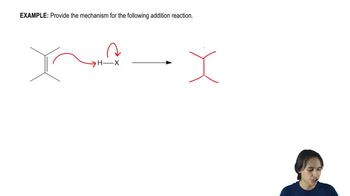
  • Provide the mechanism
    01:15
  • Features of Addition Mechanisms.
    05:39

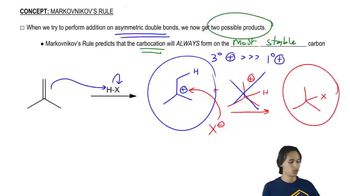
Markovnikov's Rule

  • Provide the mechanism
    01:26
  • How to add to asymmetrical double bonds.
    03:38

Hydroboration-Oxidation

  • General properties of hydroboration-oxidation.
    06:38
  • Acid-catalyzed hydroboration-oxidation mechanism
    06:14

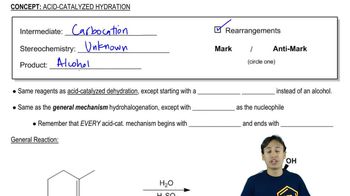
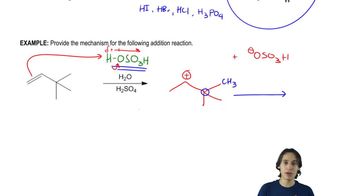
Acid-Catalyzed Hydration

  • General properties of acid-catalyzed hydration.
    06:32
  • Acid-catalyzed hydration mechanism
    06:34