Indietro

Organic Chemistry Study Guide: Chapters 7–9 (Wade 9e)

Guida di studio - Impara con i video

Lezioni curate abbinate al materiale che hai caricato – impara ogni argomento passo dopo passo.

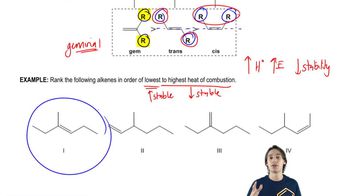
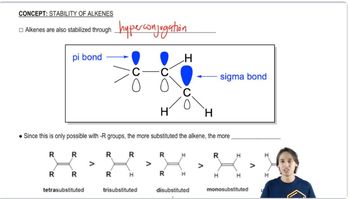
Stability of Alkenes

  • Heat of Combustion
    02:55
  • Understanding trends of alkene stability.
    04:28

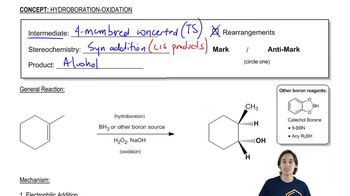
Hydroboration-Oxidation

  • General properties of hydroboration-oxidation.
    06:38
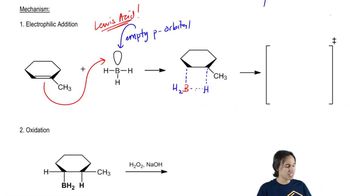
  • Acid-catalyzed hydroboration-oxidation mechanism
    06:14

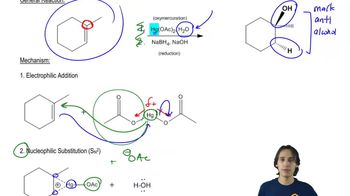
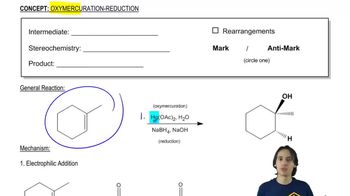
Oxymercuration-Reduction

  • Acid-catalyzed oxymercuration-reduction mechanism
    09:01
  • General properties of oxymercuration-reduction.
    05:

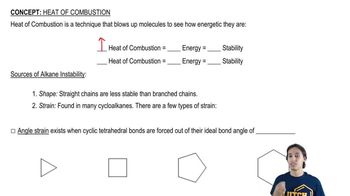
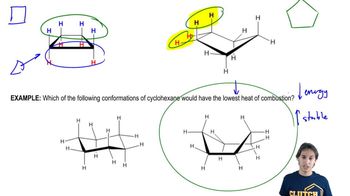
Heat of Combustion

  • Understanding Heat of Combustion
    01:11
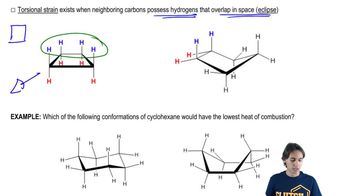
  • What is torsional strain?
    02:00
  • Lowest Heat of Combustion
    02:34

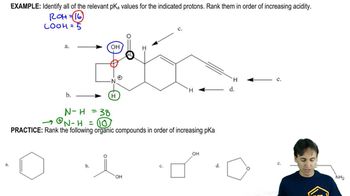
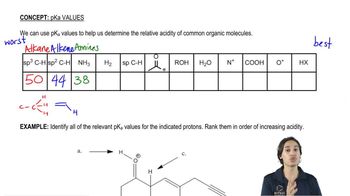
pKa Values

  • Identifying pKa values
    07:45
  • The 12 pKa values you want to memorize (because they are important!).
    09:36

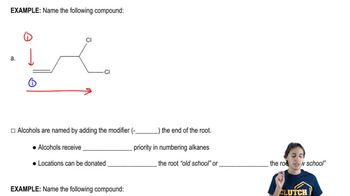
Alkenes, Alkynes and Alcohols

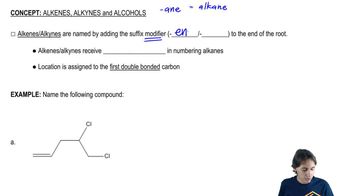
  • Name the following alkene
    02:04
  • How to name alkenes and alkynes
    01:55
Alkenes, Alkynes and Alcohols

  • Name the following alkene
    02:04
  • How to name alkenes and alkynes
    01:55
Alkane Nomenclature

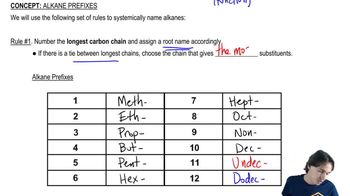
  • Naming the root chain
    01:02
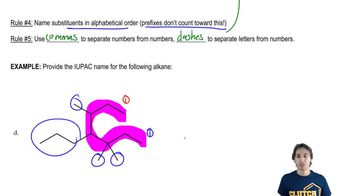
  • Provide the IUPAC name for the following alkane
    07:08
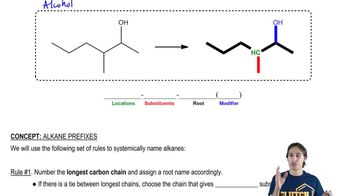
  • The different parts of an IUPAC name
    03:43

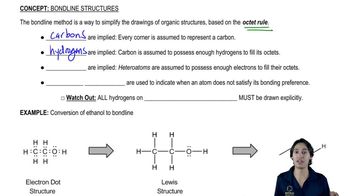
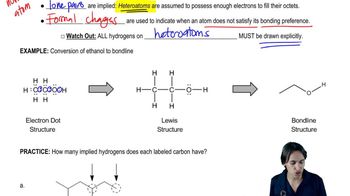
Skeletal Structure

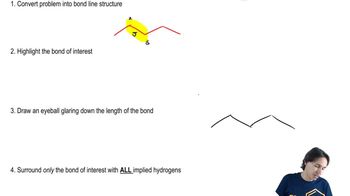
  • How bondline is different from Lewis Structures.
    04:03
  • Conversion of ethanol from electron dot to bondline
    01:50

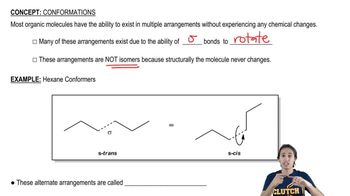
Conformations

  • Understanding what a conformer is.
    03:29

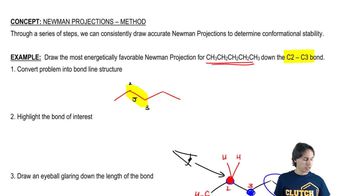
Newman Projections – Method

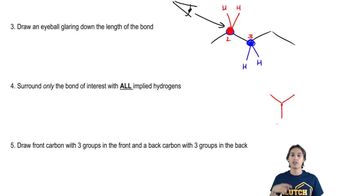
  • Step 6 to Drawing Newman Projections
    01:31
  • Step 5 to Drawing Newman Projections
    01:51
  • Step 3 to Drawing Newman Projections
    00:28

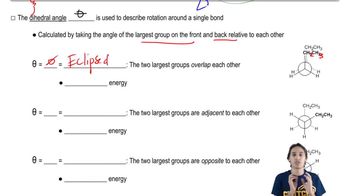
Newman Projections – Conformational Energy

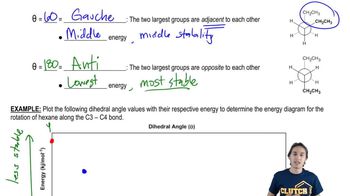
  • How to draw a Newman Projection Energy Diagram.
    07:27
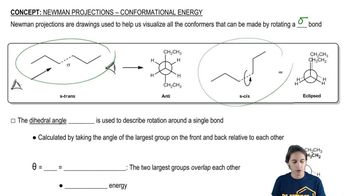
  • How sigma bond rotation is visualized
    03:11
  • The energy states of 3 different Newman Projections.
    03:51

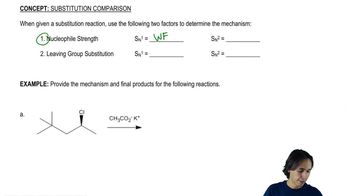
Substitution Comparison

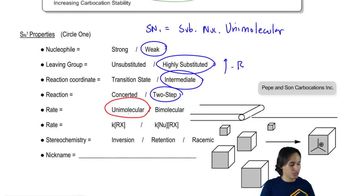
  • How do we predict if the mechanism is SN1 or SN2?
    03:32

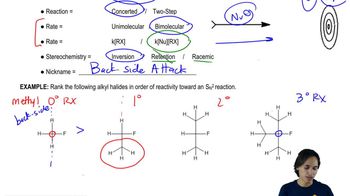
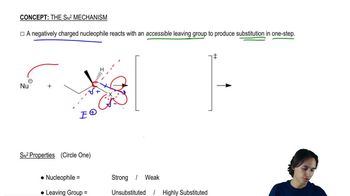
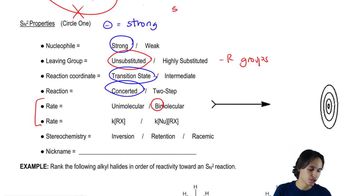
The SN2 Mechanism

  • Ranking reactivity toward SN2
    04:03
  • Drawing the SN2 Mechanism
    08:33
  • Understanding the properties of SN2.
    11:57

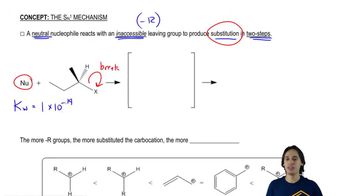
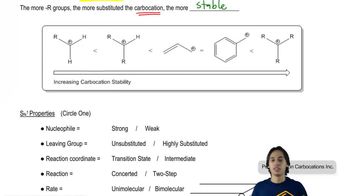
The SN1 Mechanism

  • Drawing the SN1 Mechanism
    10:49
  • Why highly substituted leaving groups favor SN1.
    01:13
  • Understanding the properties of SN1.
    08:16

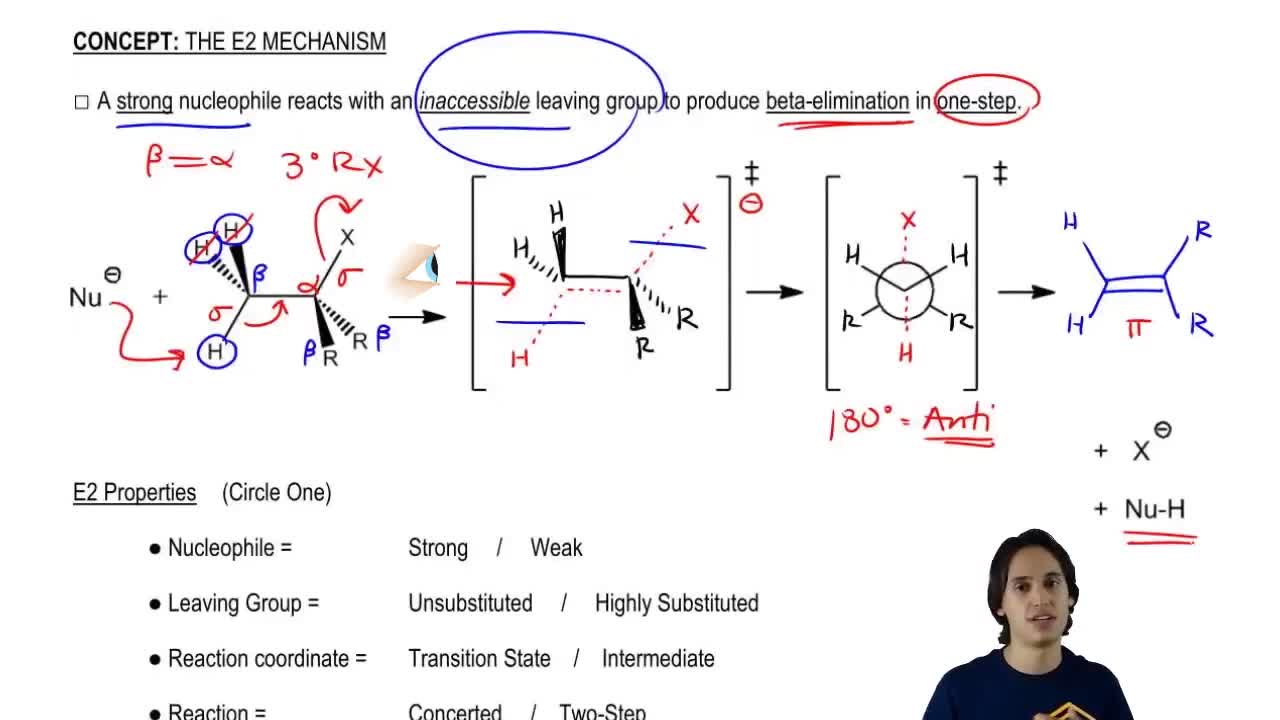
E2 Mechanism

  • Understanding the properties of E2.
    04:42
  • Drawing the E2 Mechanism.
    09:36
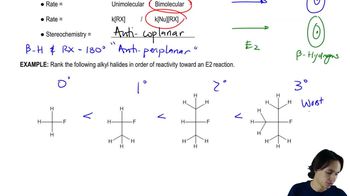
  • Rank reactivity toward E2
    02:03

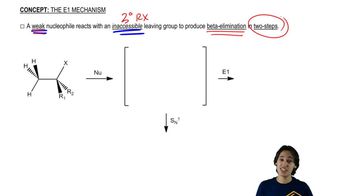
The E1 Mechanism

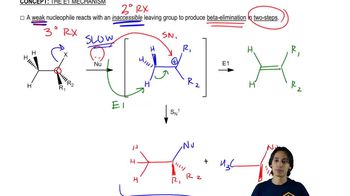
  • Understanding the properties of E1.
    03:32
  • Drawing the E1 Mechanism.
    08:09

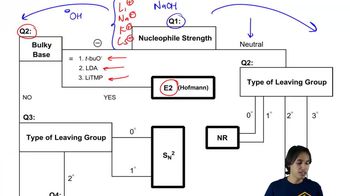
SN1 SN2 E1 E2 Chart (Big Daddy Flowchart)

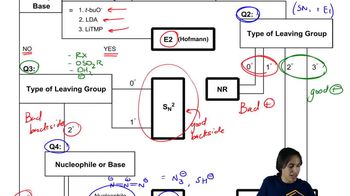
  • How to predict SN2 and E2 mechanisms.
    09:52
  • How to predict SN1 and E1 mechanisms.
    06:30
  • Overview of the flowchart.
    02:27

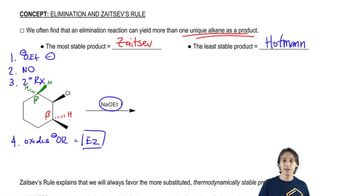
Elimination and Zaitsev's Rule

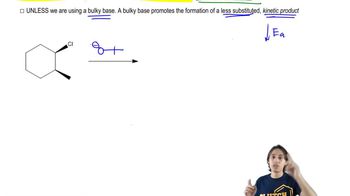
  • Hofmann product
    02:39
  • Defining Zaitsev’s Rule
    01:18
  • Zaitsev product
    07:01

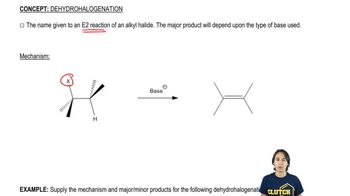
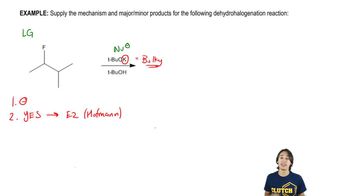
Dehydrohalogenation

  • The dehydrohalogenation mechanism.
    03:02
  • Dehydrohalogenation mechanism and products
    04:35

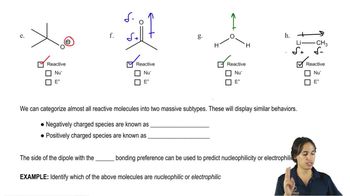
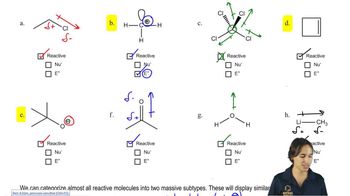
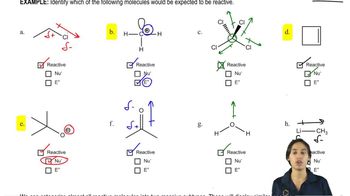
Reaction Mechanism

  • How to tell if charged molecules will react as nucleophiles or electrophiles.
    02:39
  • Nucleophile or Electrophile
    01:49
  • How to tell if uncharged molecules will react as nucleophiles or electrophiles.
    02:48