Indietro

Organic Chemistry Study Guide: Foundations, Acids/Bases, Nomenclature, and Stereochemistry

Guida di studio - Impara con i video

Lezioni curate abbinate al materiale che hai caricato – impara ogni argomento passo dopo passo.

Wave Function

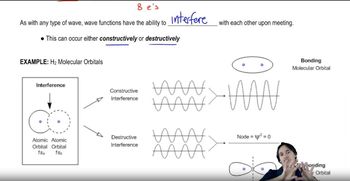
  • Constructive vs. destructive interference.
    03:18
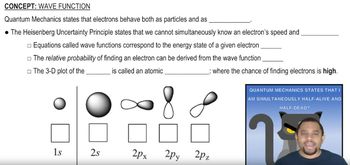
  • The probability of finding electrons in a given place.
    05:41

Hybridization

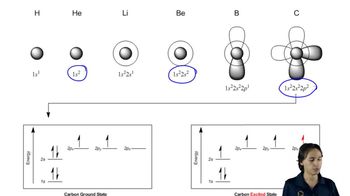
  • How carbon creates 4 partially-filled orbitals.
    02:53
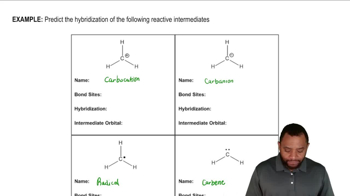
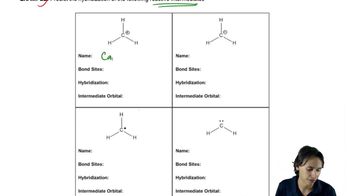
  • Bond sites, hybridization, and intermediate orbitals
    04:58
  • Introduction to the reactive intermediates.
    02:47

Molecular Geometry

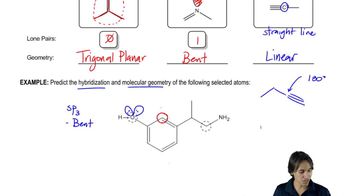
  • Predict the hybridization and molecular geometry
    01:54
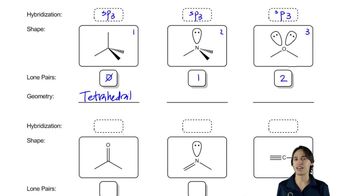
  • Molecular Geometry Explained.
    07:44

Bonding Preferences

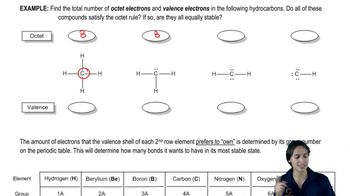
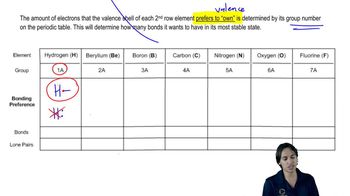
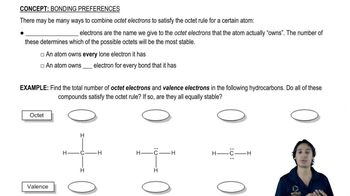
  • What is the difference between valence and octet electrons?
    02:04
  • Understanding the hydrogen isotopes.
    08:32
  • What is a valence electron?
    02:14

Skeletal Structure

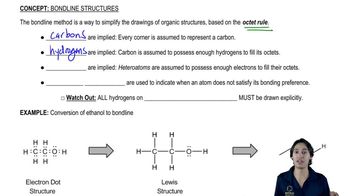
  • How bondline is different from Lewis Structures.
    04:03
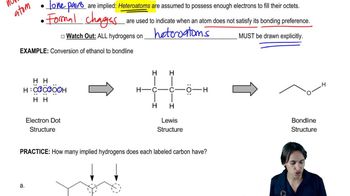
  • Conversion of ethanol from electron dot to bondline
    01:50

Lewis Structure

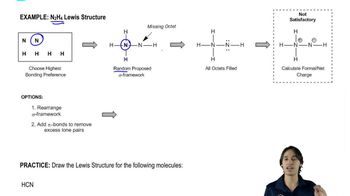
  • Drawing the Lewis Structure for N2H4.
    04:12
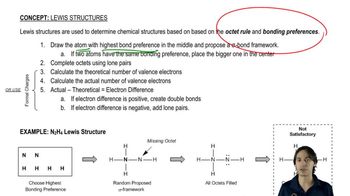
  • How to use Organic Chemistry to make Lewis Structures easier.
    03:49

Resonance Structures

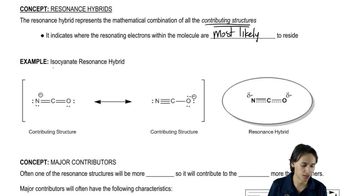
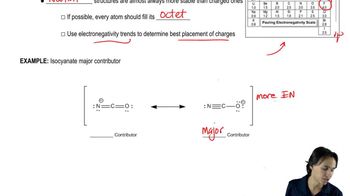
  • How to draw a resonance hybrid.
    03:24
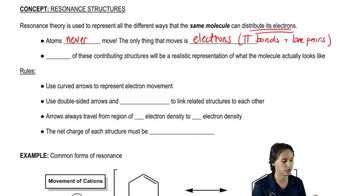
  • The rules you need for resonance:
    03:34
  • How to determine which structure is most stable.
    01:32

Acid and Base Definitions

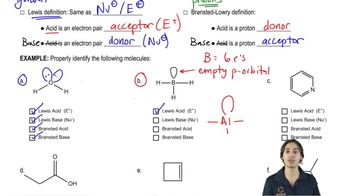
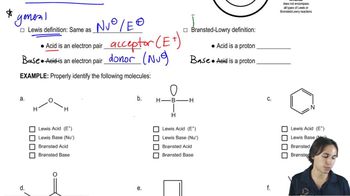
  • Lewis vs. Bronsted-Lowry Definition
    07:46
  • The Bronsted-Lowry definition of acids and bases.
    00:54
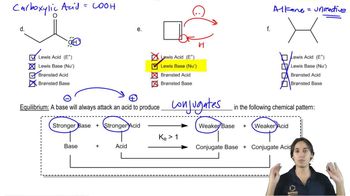
  • Equilibrium constant and conjugates.
    02:11

Equilibrium Constant and pKa

  • The pH scale vs. the pKa scale.
    02:15
  • The relationship between equilibrium constant and pKa.
    02:19
  • Why we use pKa instead of pH.
    01:46

pKa Values

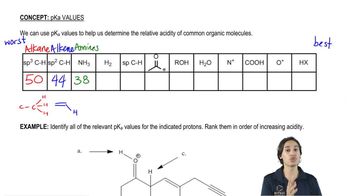
  • Identifying pKa values
    07:45
  • The 12 pKa values you want to memorize (because they are important!).
    09:36

Acid Base Equilibrium

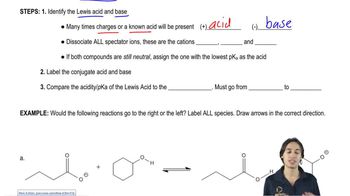
  • The 3 steps for determining the direction of acid and base equilibrium.
    05:11
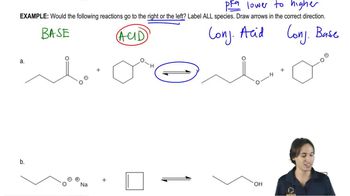
  • Determining Acid/Base Equilibrium
    04:00
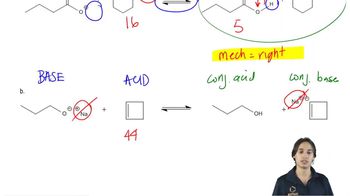
  • Determining Acid/Base Equilibrium
    02:34

Factors Affecting Acidity

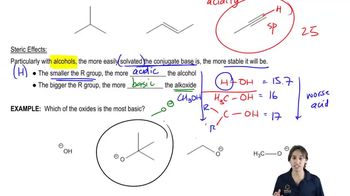
  • Which of the oxides is the most basic?
    00:30
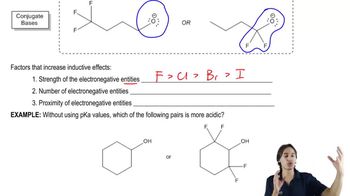
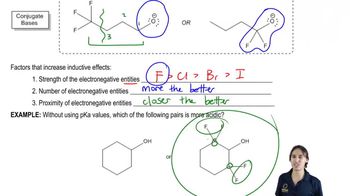
  • The 3 factors that determine the strength of inductive effects.
    03:09
  • Using Inductive Effect to determine acidity
    01:54

Electronegativity

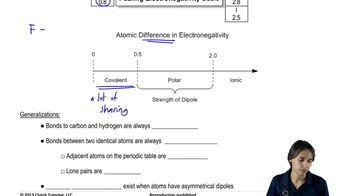
  • Differences between ionic, polar and covalent bonds
    11:33

Alkane Nomenclature

  • Naming the root chain
    01:02
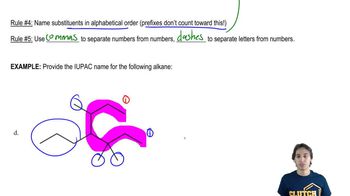
  • Provide the IUPAC name for the following alkane
    07:08
  • The different parts of an IUPAC name
    03:43

Alkyl Groups

  • Name the following alkane
    02:33
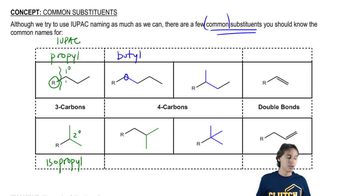
  • Understanding Non-IUPAC Substituents
    06:42
  • Name the following alkane
    03:56

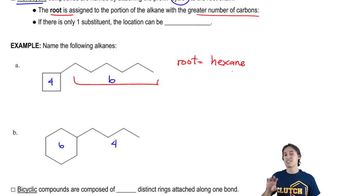
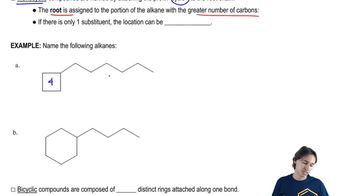
Naming Cycloalkanes

  • Name the following alkane
    00:53
  • Determining Root Name
    00:18
  • Determining Root Name
    00:34

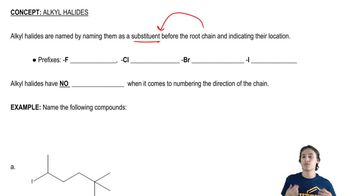
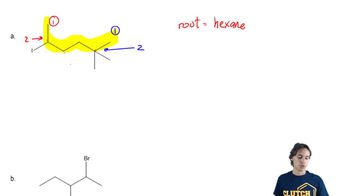
Naming Alkyl Halides

  • How to name alkyl halides
    01:52
  • Name the following alkyl halide
    01:58
  • Name the following alkyl halide
    03:53

Naming Alcohols

  • How to name alcohols
    01:01
  • Name the following compound
    03:59
  • Old school vs. new school naming
    03:03

Naming Amines

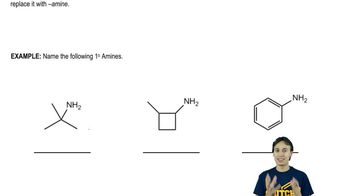
  • Naming Primary Amines
    06:50
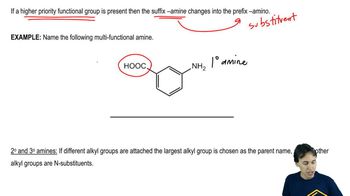
  • Primary Amines as Substituents
    02:58
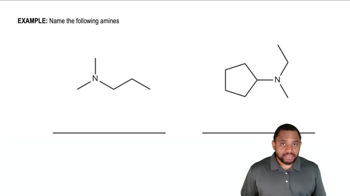
  • Naming Secondary and Tertiary Amines
    01:57

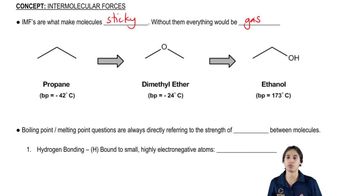
Intermolecular Forces

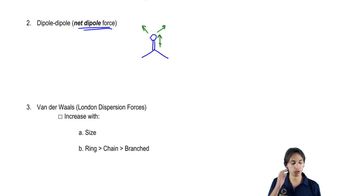
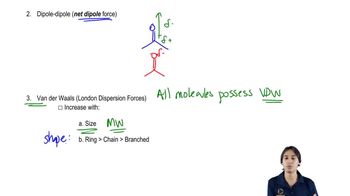
  • How dipole-dipole forces work.
    01:46
  • How IMFs are related to melting and boiling points.
    03:08
  • How Van der Waals forces work.
    03:01

Solubility

  • Introducing common solvents and other molecules in organic chemistry.
    02:01
  • Understanding “like dissolves like”.
    01:47

Newman Projections

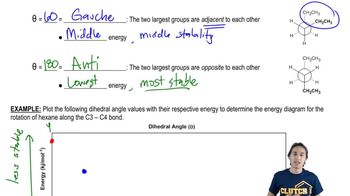
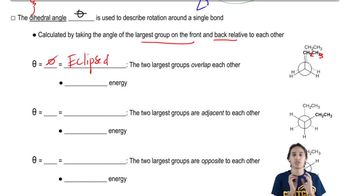
  • How to draw a Newman Projection Energy Diagram.
    07:27
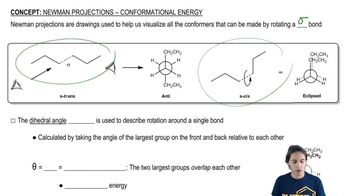
  • How sigma bond rotation is visualized
    03:11
  • The energy states of 3 different Newman Projections.
    03:51

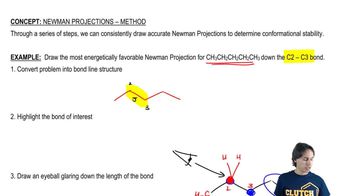
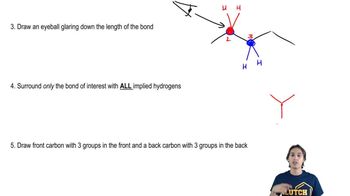
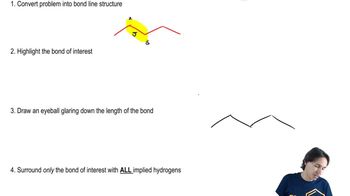
Drawing Newman Projections

  • Step 6 to Drawing Newman Projections
    01:31
  • Step 5 to Drawing Newman Projections
    01:51
  • Step 3 to Drawing Newman Projections
    00:28

Chair Flip

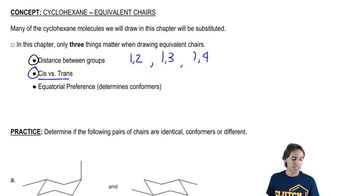
  • The 3 important factors when drawing chairs
    05:12

Axial vs Equatorial

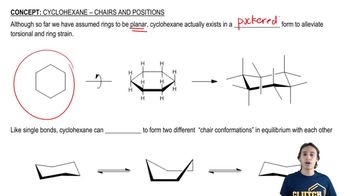
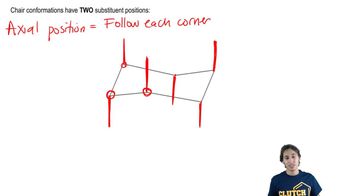
  • What is a chair conformation?
    01:05
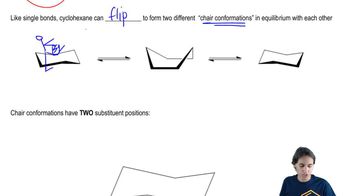
  • How chairs flip from one conformation to another
    02:22
  • How chairs flip from one conformation to another
    04:26

Cis vs Trans

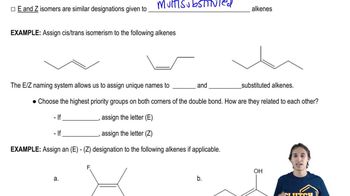
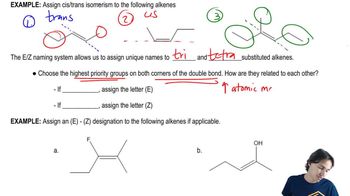
  • Why we need to use the E/Z naming system
    02:07
  • What does E and Z stand for?
    00:50
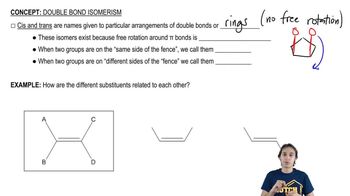
  • How to name different types of double bonds or rings
    04:28

Conformational Isomers

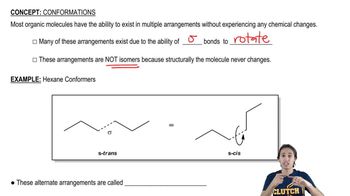
  • Understanding what a conformer is.
    03:29

Chirality

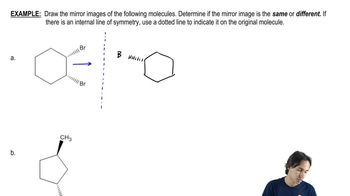
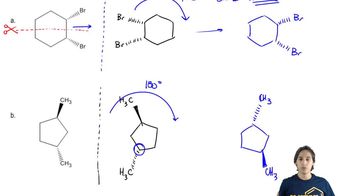
  • Drawing Mirror Images and Determining Chirality
    03:24
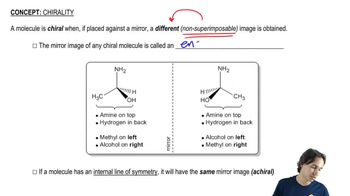
  • What is chirality?
    05:10
  • Drawing Mirror Images and Determining Chirality
    03:44

Chirality Test 1 - Internal Line of Symmetry

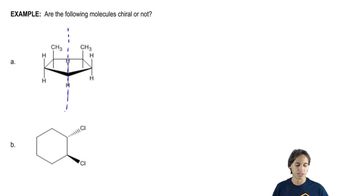
  • Determining Chirality with Plane of Symmetry
    00:25
  • Determining Chirality with Plane of Symmetry
    01:10
  • How and when to use the internal line of symmetry test.
    01:25

Chirality Test 2 - Stereocenters

  • Determining Chirality using Stereocenter
    02:25
  • Determining Chirality using Stereocenter
    00:36
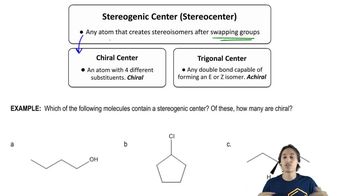
  • The difference between chiral and trigonal centers.
    02:38

Cahn-Ingold-Prelog Nomenclature

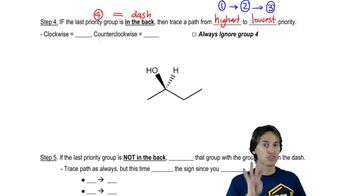
  • R and S Naming- Step 4
    03:07
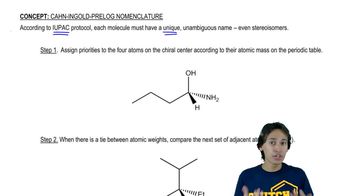
  • Why stereoisomers need their own naming system.
    01:48
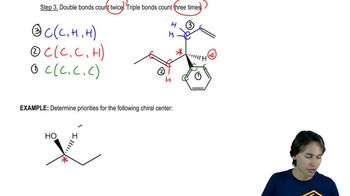
  • Determining Priorities
    01:19

Types of Stereoisomers

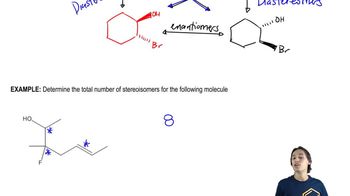
  • Determine total number of stereoisomers
    00:49
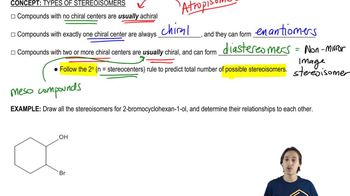
  • How to predict the total number of stereoisomers.
    01:03
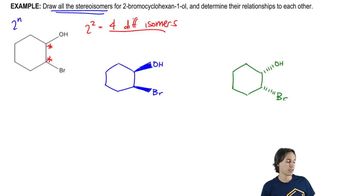
  • Draw stereoisomers and determine relationship
    07:41

Meso Compounds

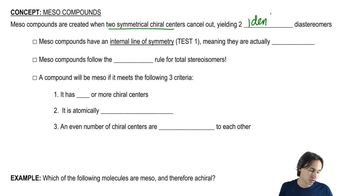
  • Defining meso compounds.
    01:40
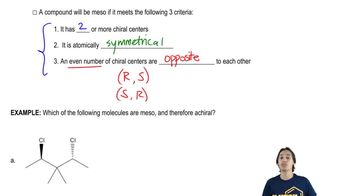
  • The 3 rules of meso compounds.
    04:10
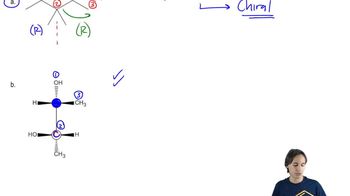
  • Which of the following molecules are meso?
    03:44