Indietro

Physical Organic Chemistry: Mechanisms, Reactivity, and Pericyclic Reactions

Guida di studio - Impara con i video

Lezioni curate abbinate al materiale che hai caricato – impara ogni argomento passo dopo passo.

Overview of Chemical Reactions

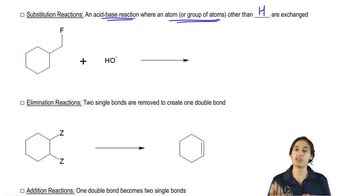
  • Recognizing Substitution Reactions.
    01:34
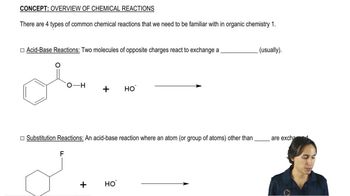
  • Recognizing Acid-Base Reactions.
    02:43
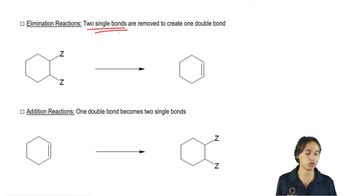
  • Recognizing Elimination Reactions.
    00:40

Reaction Mechanism

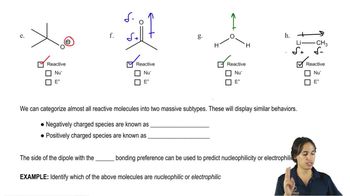
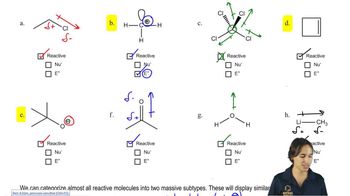
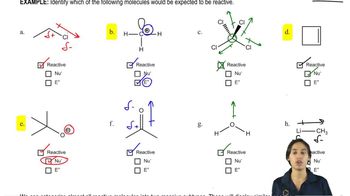
  • How to tell if charged molecules will react as nucleophiles or electrophiles.
    02:39
  • Nucleophile or Electrophile
    01:49
  • How to tell if uncharged molecules will react as nucleophiles or electrophiles.
    02:48

The SN2 Mechanism

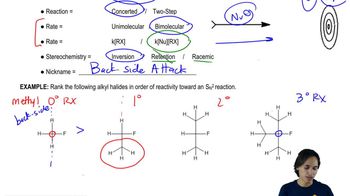
  • Ranking reactivity toward SN2
    04:03
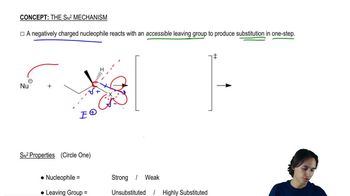
  • Drawing the SN2 Mechanism
    08:33
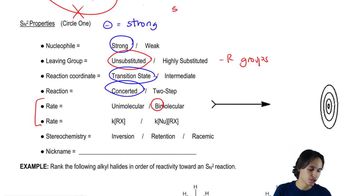
  • Understanding the properties of SN2.
    11:57

The SN1 Mechanism

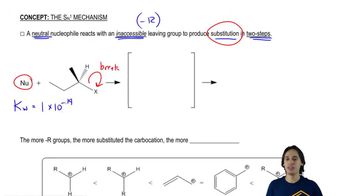
  • Drawing the SN1 Mechanism
    10:49
  • Why highly substituted leaving groups favor SN1.
    01:13
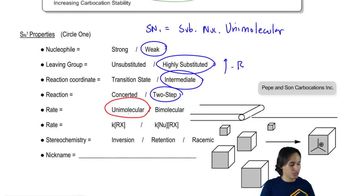
  • Understanding the properties of SN1.
    08:16

E2 Mechanism

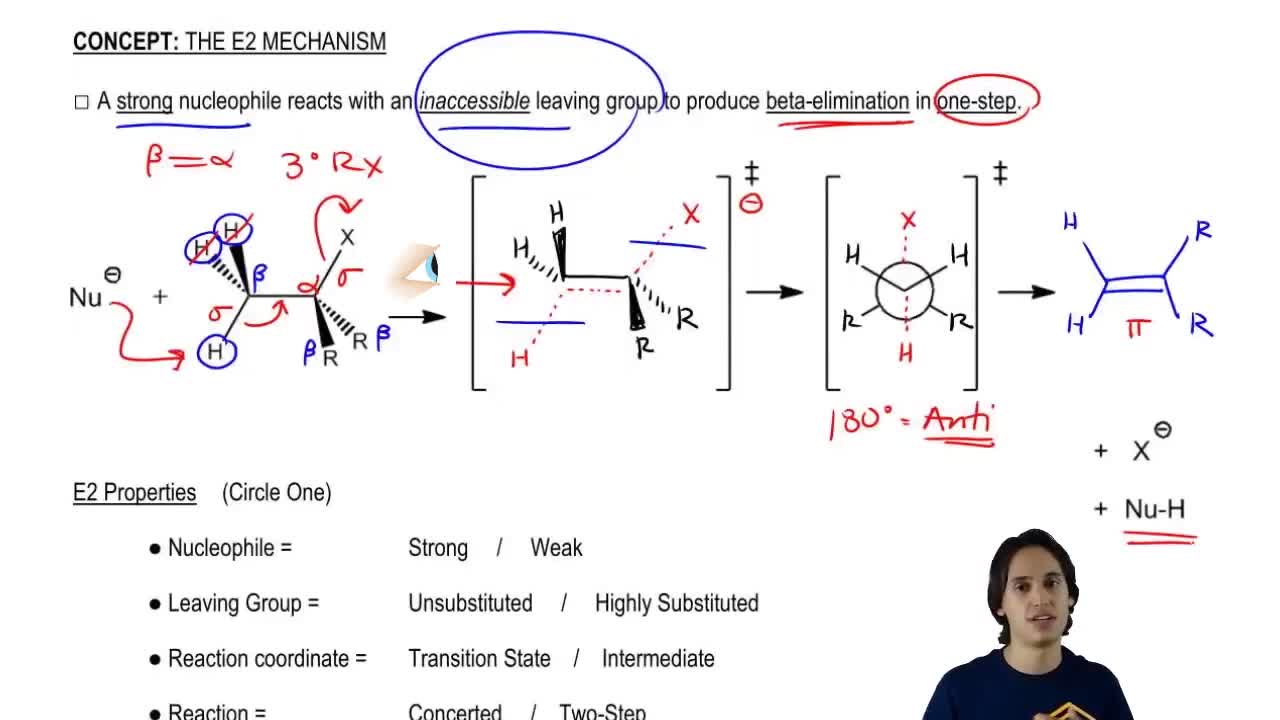
  • Understanding the properties of E2.
    04:42
  • Drawing the E2 Mechanism.
    09:36
  • Rank reactivity toward E2
    02:03

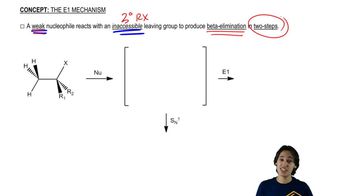
The E1 Mechanism

  • Understanding the properties of E1.
    03:32
  • Drawing the E1 Mechanism.
    08:09

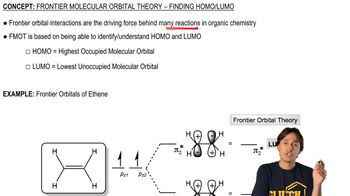
Frontier Molecular Orbital Theory - Finding HOMO/LUMO

  • HOMO vs. LUMO
    02:35

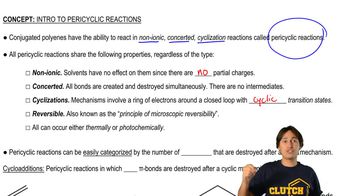
Intro to Pericyclic Reactions

  • Properties and Types of Pericyclic Reactions
    07:37

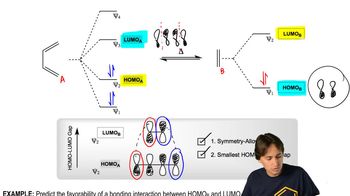
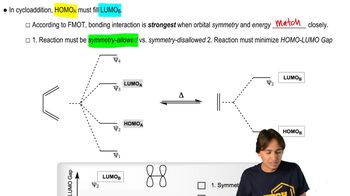
Thermal Cycloaddition Reactions

  • Determining Favorability of HOMOb to LUMOa
    04:23
  • MO Theory of Thermal Cycloadditions
    13:22

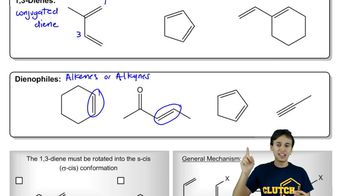
Diels-Alder Reaction - General Features

  • General Features
    09:48

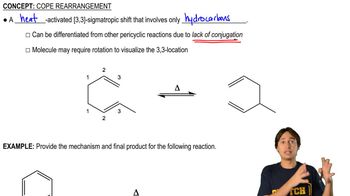
Cope Rearrangement

  • Definition of Cope Rearrangement
    06:28

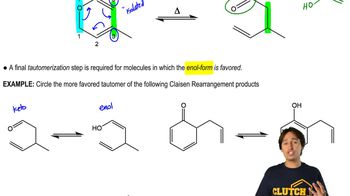
Claisen Rearrangement

  • When is Enol Tautomer Favored?
    03:15
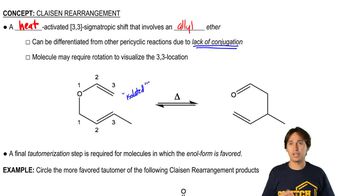
  • Definition of Claisen Rearrangement
    06:08
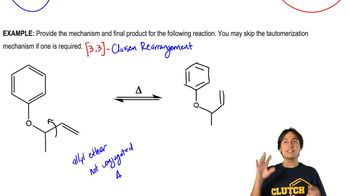
  • Predict the Product
    05:41

Carbocation Intermediates – Stability

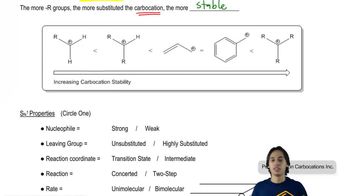
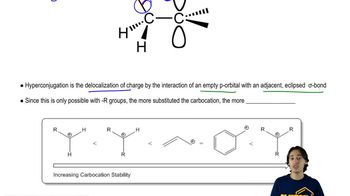
  • Determining Carbocation Stability
    05:58
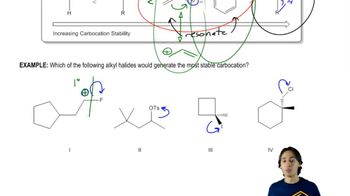
  • Predicting the most stable carbocation
    01:21

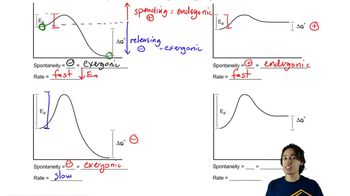
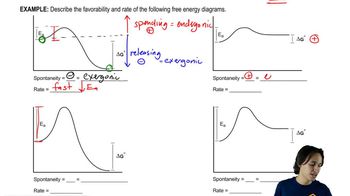
Energy Diagram

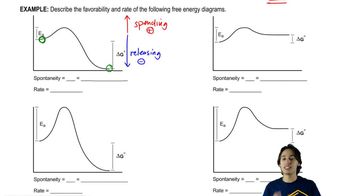
  • Favorability and rate of Free Energy Diagrams
    01:14
  • Favorability and rate of Free Energy Diagrams
    00:34
  • Favorability and rate of Free Energy Diagrams
    02:18

Gibbs Free Energy

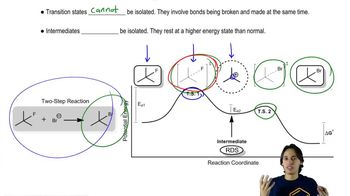
  • Intermediates vs. Transition States
    06:55
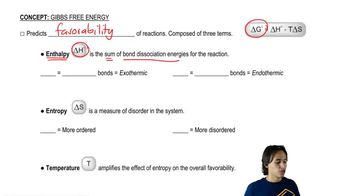
  • Breaking down the different terms of the Gibbs Free Energy equation.
    05:02

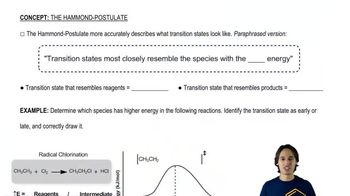
Hammond Postulate

  • Defining the Hammond Postulate.
    01:30
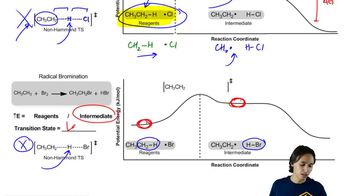
  • Bromination explains the Hammond Postulate.
    02:58
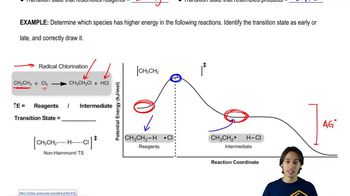
  • Chlorination explains the Hammond Postulate.
    05:23