 Indietro
Reactions of Benzene and Substituted Benzenes: Study Guide
Guida di studio - Note intelligenti
 Appunti personalizzati basati sui tuoi materiali, ampliati con definizioni chiave, esempi e contesto.
Reactions of Benzene and Substituted Benzenes
Introduction to Aromatic Compounds
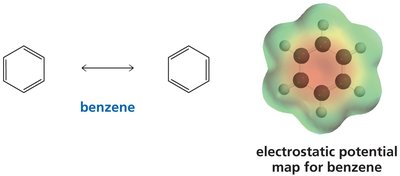
Aromatic compounds are a fundamental class of organic molecules characterized by cyclic, planar structures with delocalized π electrons. Benzene is the prototypical aromatic compound, and its derivatives are widely found in nature and industry.
Benzene: Cyclic, planar, and contains an uninterrupted cloud of π electrons, making it unusually stable.
Aromaticity: The stability arising from delocalized electrons in a conjugated ring system.
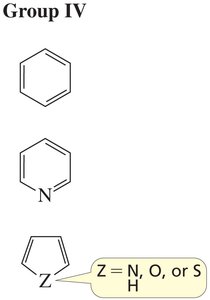
Group IV Aromatics: Includes benzene, pyridine (N in ring), and five-membered rings with N, O, or S.
Substituted Benzenes in Nature and Medicine
Many biologically active compounds and pharmaceuticals contain substituted benzene rings. These substitutions affect the physical, chemical, and biological properties of the molecules.
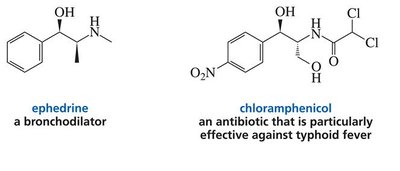
Ephedrine: Bronchodilator
Chloramphenicol: Antibiotic effective against typhoid fever
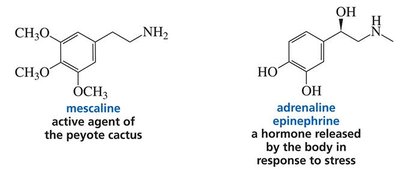
Mescaline: Active agent of peyote cactus
Adrenaline/Epinephrine: Hormone released in response to stress
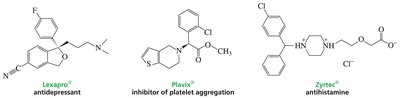
Lexapro: Antidepressant
Plavix: Inhibitor of platelet aggregation
Zyrtec: Antihistamine
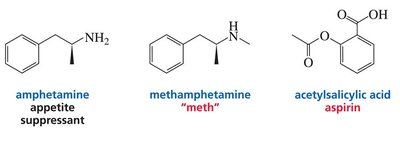
Amphetamine: Appetite suppressant
Methamphetamine: Stimulant
Aspirin (acetylsalicylic acid): Analgesic
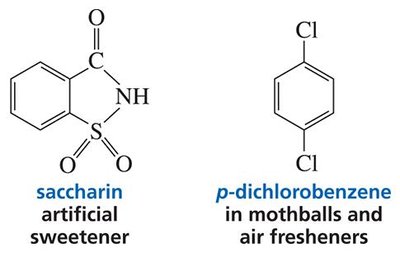
Saccharin: Artificial sweetener
p-Dichlorobenzene: Used in mothballs and air fresheners
Nomenclature of Benzene Derivatives
Benzene derivatives are named based on the substituents attached to the ring. Monosubstituted benzenes are named by adding the substituent to "benzene." Some have special names.
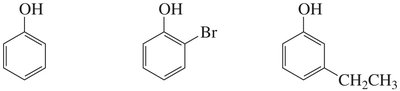
Monosubstituted Benzenes: Bromobenzene, chlorobenzene, nitrobenzene, ethylbenzene
Special Names: Toluene (methylbenzene), phenol, aniline, benzenesulfonic acid
Other Derivatives: Anisole, styrene, benzaldehyde, benzoic acid, benzonitrile
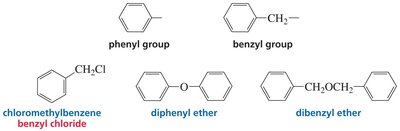
Phenyl and Benzyl Groups: Phenyl (C6H5–), benzyl (C6H5CH2–)
Alkyl-Substituted Benzenes: Isopropylbenzene (cumene), sec-butylbenzene, tert-butylbenzene, 2-phenylpentane, 3-phenylpentane




Electrophilic Aromatic Substitution (EAS)
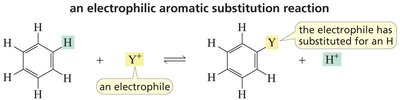
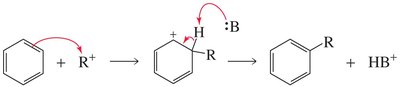
Benzene and its derivatives undergo electrophilic aromatic substitution reactions, where an electrophile replaces a hydrogen atom on the ring. This mechanism preserves aromaticity.
General Mechanism: An electrophile (Y+) substitutes for H+ on the benzene ring.
Steps:
Electrophile attacks the ring, forming a carbocation intermediate.
A base removes the proton from the carbon bonded to the electrophile, restoring aromaticity.
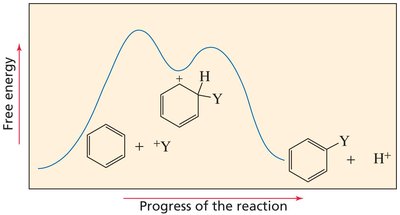
Reaction Coordinate: EAS has a high activation energy due to the loss of aromaticity in the intermediate.
Halogenation of Benzene
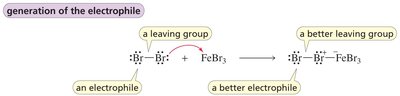
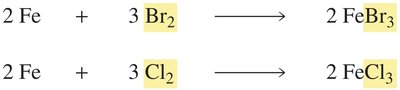
Benzene reacts with halogens (Br2, Cl2) in the presence of a Lewis acid catalyst (FeBr3, FeCl3) to form halobenzenes. The catalyst generates a more reactive electrophile.
Bromination: Benzene + Br2 (FeBr3) → Bromobenzene + HBr
Chlorination: Benzene + Cl2 (FeCl3) → Chlorobenzene + HCl
Electrophile Generation: Lewis acid polarizes the halogen molecule, making it a better electrophile.
Catalyst Preparation: Ferric halides are generated in situ from iron filings and halogen.


Iodination and Nitration of Benzene
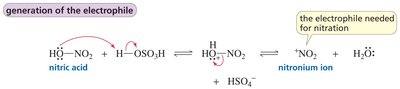
Iodination and nitration are other important EAS reactions. Iodination requires oxidizing agents, while nitration uses a mixture of nitric and sulfuric acids to generate the nitronium ion.
Iodination: Benzene + I2 (H2O2, H2SO4) → Iodobenzene + H+
Nitration: Benzene + HNO3 (H2SO4) → Nitrobenzene + H2O
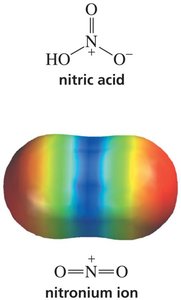
Electrophile Generation: Nitronium ion (NO2+) is formed by protonation and dehydration of nitric acid.





Sulfonation of Benzene
Sulfonation introduces a sulfonic acid group (SO3H) onto benzene using concentrated sulfuric acid. The reaction is reversible under acidic conditions.
Sulfonation: Benzene + H2SO4 (heat) → Benzenesulfonic acid + H2O
Electrophile Generation: Sulfonium ion is formed by protonation and dehydration of sulfuric acid.
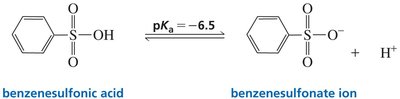
Acidity: Benzenesulfonic acid is a strong acid due to resonance stabilization of its conjugate base.
Reversibility: Heating benzenesulfonic acid in dilute acid removes the SO3H group.





Friedel–Crafts Reactions
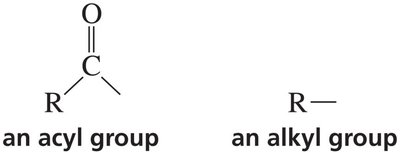
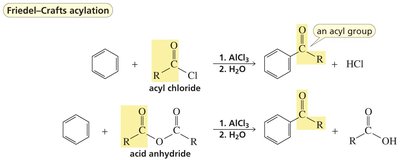
Friedel–Crafts reactions are key methods for introducing alkyl and acyl groups onto benzene rings. Acylation uses acyl chlorides or anhydrides, while alkylation uses alkyl halides. Both require a Lewis acid catalyst (AlCl3).
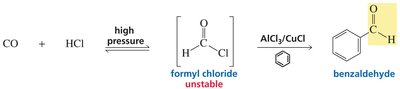
Acylation: Benzene + acyl chloride/anhydride (AlCl3) → Acylbenzene
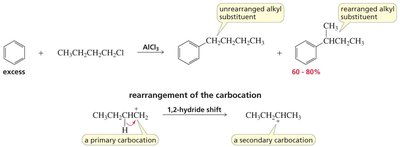
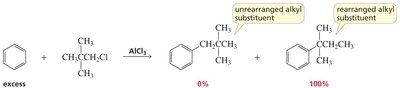
Alkylation: Benzene + alkyl halide (AlCl3) → Alkylbenzene
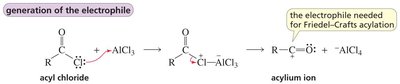
Electrophile Generation: Acylation forms an acylium ion; alkylation forms a carbocation.
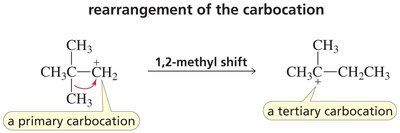
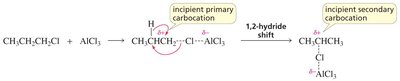
Carbocation Rearrangement: Alkylation may lead to rearranged products due to carbocation stability.
Limitations: Friedel–Crafts reactions do not occur with meta-directing substituents or strongly deactivating groups.




Strategies for Synthesis of Substituted Benzenes
The order of reactions and the nature of substituents are crucial in designing syntheses of multi-substituted benzenes. Directing effects and reactivity must be considered.
Directing Effects: Activating groups direct new substituents to ortho/para positions; deactivating groups direct to meta.
Order of Reactions: Some reactions must be performed before others to avoid deactivation or blocking of positions.
Coupling Reactions: Suzuki and other coupling reactions can introduce alkyl groups when Friedel–Crafts is not possible.
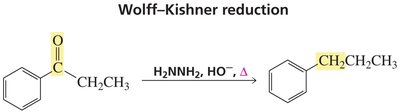
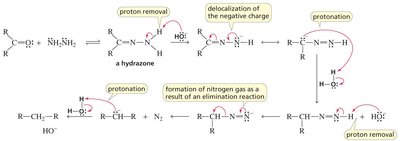
Reduction Methods: Wolff–Kishner reduction and catalytic hydrogenation convert carbonyl groups to methylene.


Summary Table: Common Electrophilic Aromatic Substitution Reactions
Reaction | Reagents | Electrophile | Product |
|---|---|---|---|
Bromination | Br2, FeBr3 | Br+ | Bromobenzene |
Chlorination | Cl2, FeCl3 | Cl+ | Chlorobenzene |
Iodination | I2, H2O2, H2SO4 | I+ | Iodobenzene |
Nitration | HNO3, H2SO4 | NO2+ | Nitrobenzene |
Sulfonation | H2SO4 | SO3H+ | Benzenesulfonic acid |
Friedel–Crafts Acylation | Acyl chloride/anhydride, AlCl3 | Acylium ion | Acylbenzene |
Friedel–Crafts Alkylation | Alkyl halide, AlCl3 | Carbocation | Alkylbenzene |
Key Equations (LaTeX Format)
Bromination:
Chlorination:
Nitration:
Sulfonation:
Friedel–Crafts Acylation:
Friedel–Crafts Alkylation:
Conclusion
Benzene and its derivatives are central to organic chemistry, with their reactivity governed by aromaticity and the nature of substituents. Understanding electrophilic aromatic substitution and the effects of substituents is essential for designing syntheses and predicting product distributions.
