Indietro

Study Guide: Alkyl Halides, Alkenes, and Alcohols (Chapters 7, 8, and 12)

Guida di studio - Impara con i video

Lezioni curate abbinate al materiale che hai caricato – impara ogni argomento passo dopo passo.

Alkyl Halides

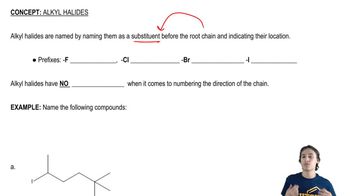
  • How to name alkyl halides
    01:52
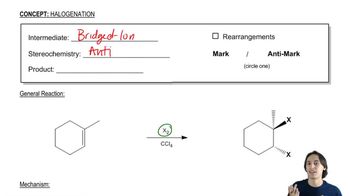
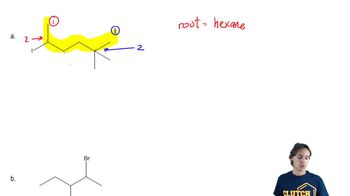
  • Name the following alkyl halide
    01:58
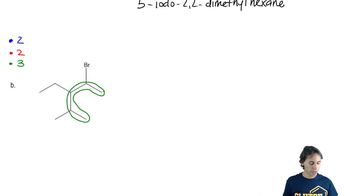
  • Name the following alkyl halide
    03:53

Leaving Groups

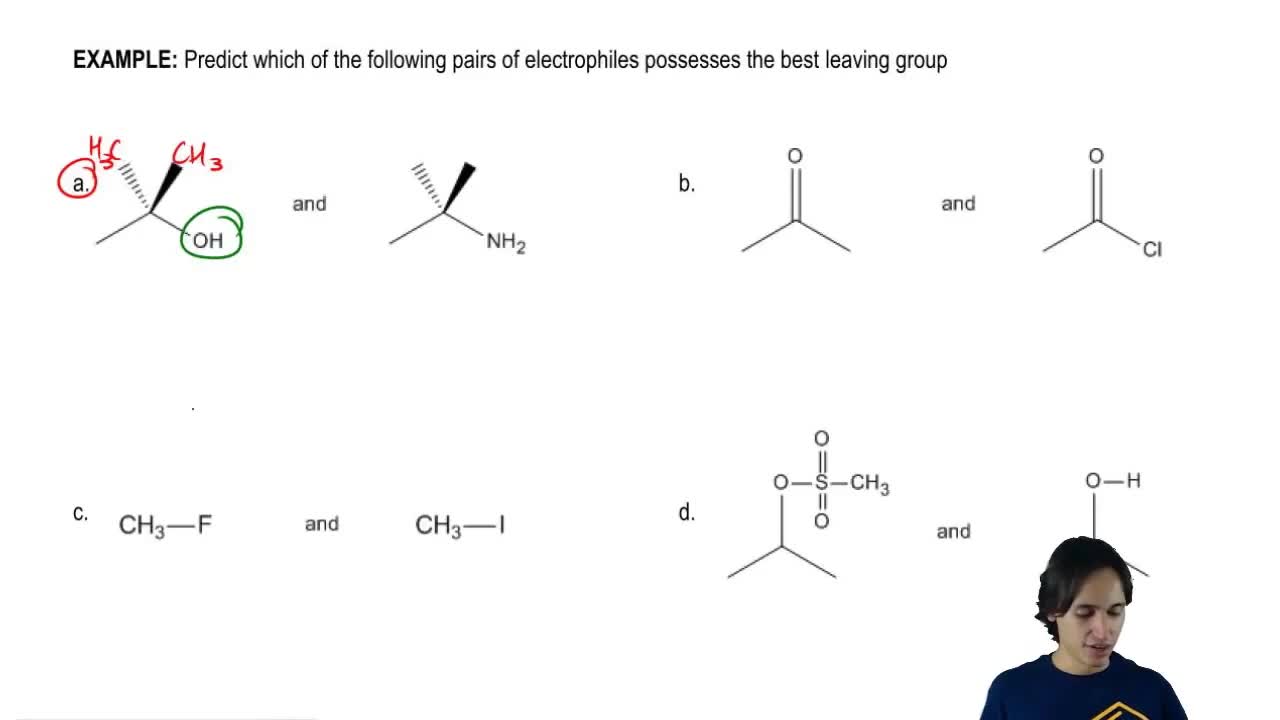
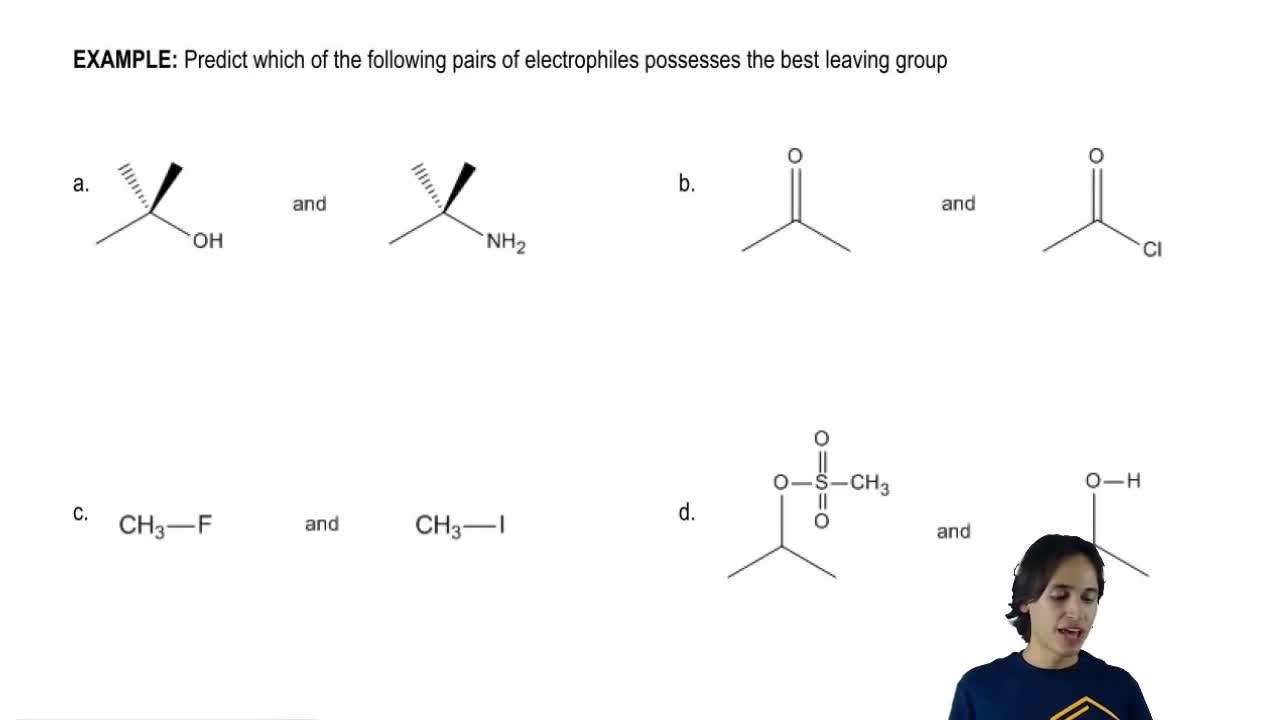
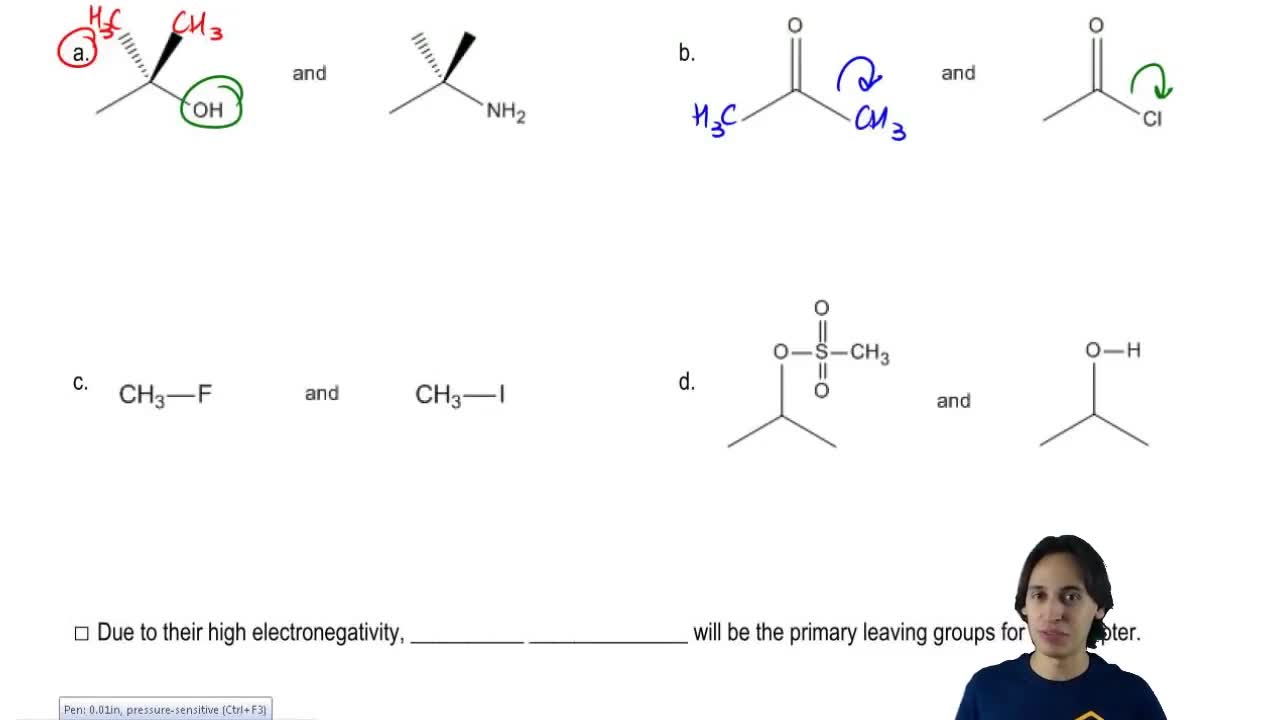
  • Predict the best leaving group
    00:50
  • Predict the best leaving group
    01:12
  • Predict the best leaving group
    00:36

Nucleophiles and Basicity

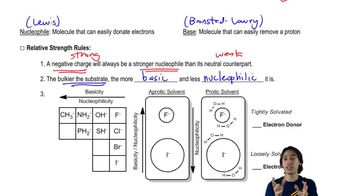
  • Understanding the difference between basicity and nucleophilicity.
    06:21

The SN2 Mechanism

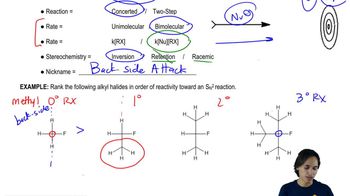
  • Ranking reactivity toward SN2
    04:03
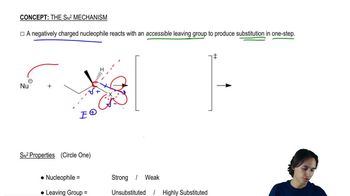
  • Drawing the SN2 Mechanism
    08:33
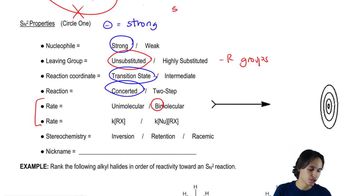
  • Understanding the properties of SN2.
    11:57

The SN1 Mechanism

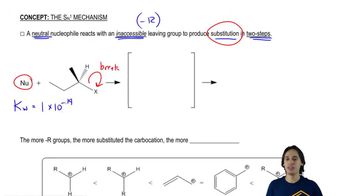
  • Drawing the SN1 Mechanism
    10:49
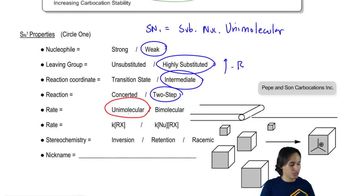
  • Why highly substituted leaving groups favor SN1.
    01:13
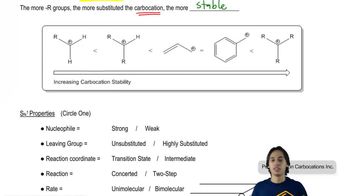
  • Understanding the properties of SN1.
    08:16

E2 Mechanism

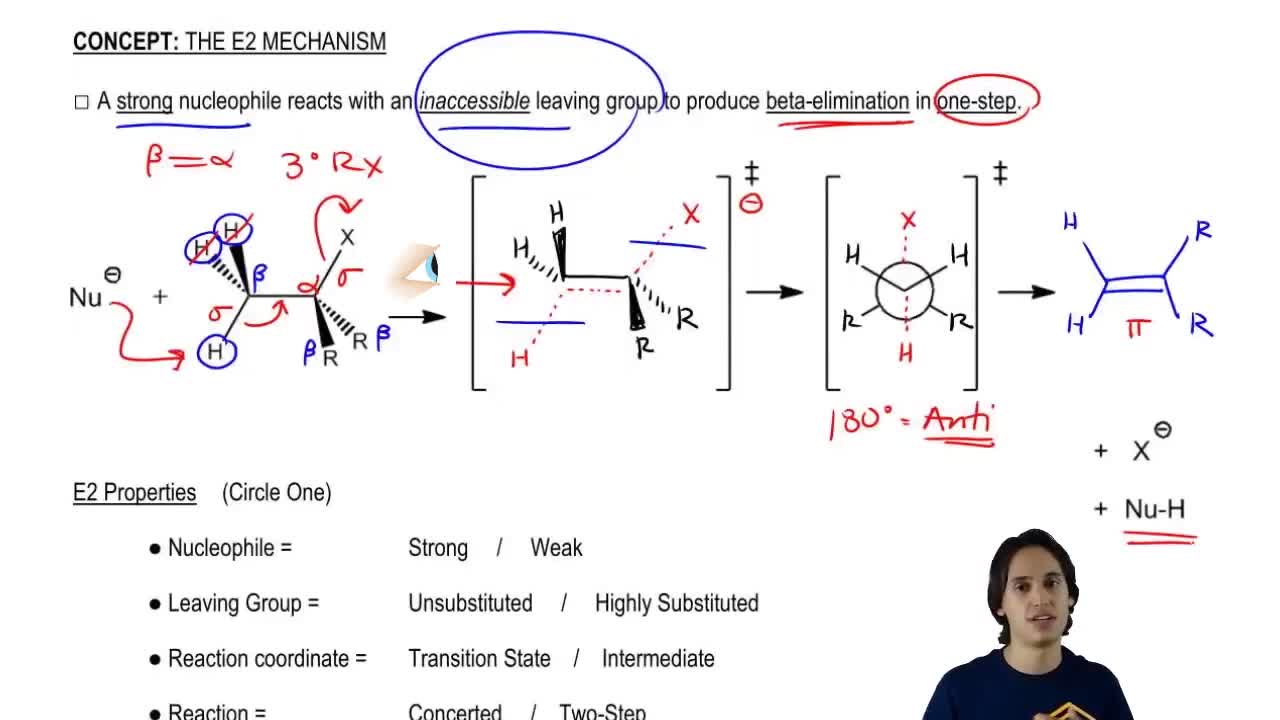
  • Understanding the properties of E2.
    04:42
  • Drawing the E2 Mechanism.
    09:36
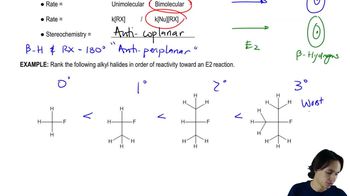
  • Rank reactivity toward E2
    02:03

The E1 Mechanism

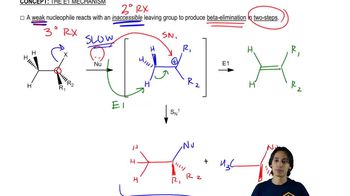
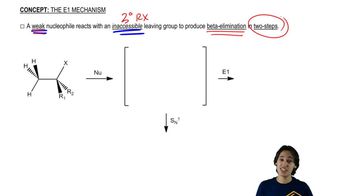
  • Understanding the properties of E1.
    03:32
  • Drawing the E1 Mechanism.
    08:09

Stability of Alkenes

  • Heat of Combustion
    02:55
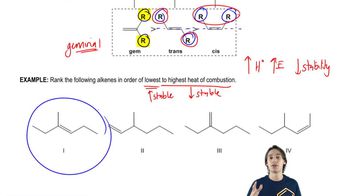
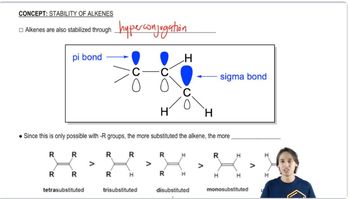
  • Understanding trends of alkene stability.
    04:28

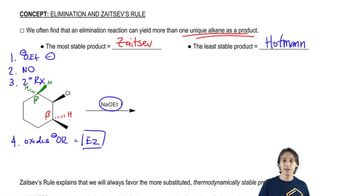
Elimination and Zaitsev's Rule

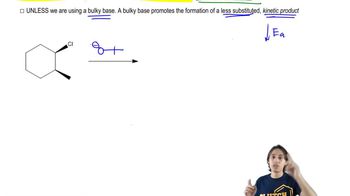
  • Hofmann product
    02:39
  • Defining Zaitsev’s Rule
    01:18
  • Zaitsev product
    07:01

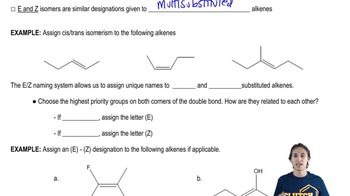
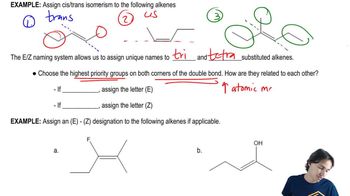
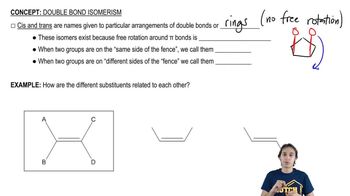
Cis vs Trans

  • Why we need to use the E/Z naming system
    02:07
  • What does E and Z stand for?
    00:50
  • How to name different types of double bonds or rings
    04:28

Hydrohalogenation

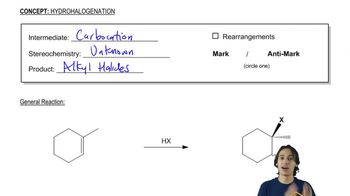
  • General properties of hydrohalogenation.
    04:07
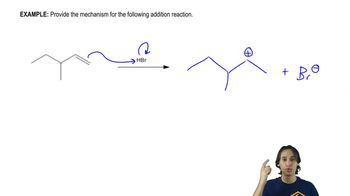
  • Provide the mechanism
    02:24

Acid-Catalyzed Hydration

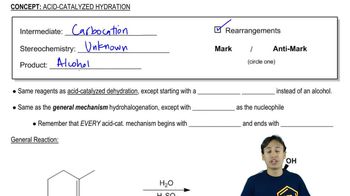
  • General properties of acid-catalyzed hydration.
    06:32
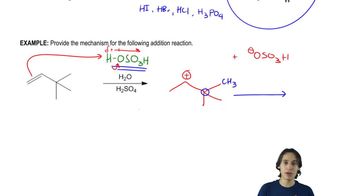
  • Acid-catalyzed hydration mechanism
    06:34

Halogenation

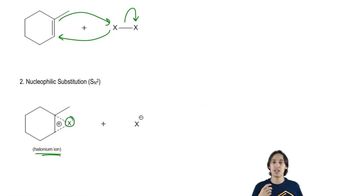
  • Halogenation Mechanism
    03:45
  • General properties of halogenation.
    02:27

Halohydrin Formation

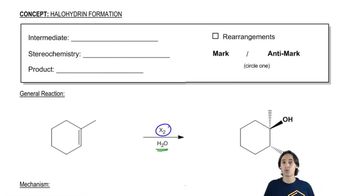
  • Halohydrin Mechanism
    04:48
  • General properties of halohydrin formation.
    01:44

Oxymercuration-Reduction

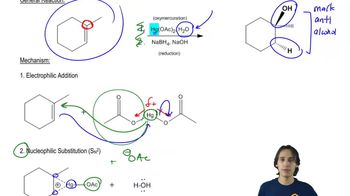
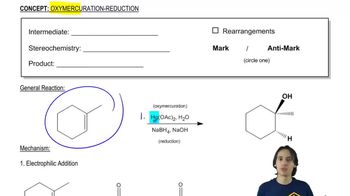
  • Acid-catalyzed oxymercuration-reduction mechanism
    09:01
  • General properties of oxymercuration-reduction.
    05:

Hydroboration-Oxidation

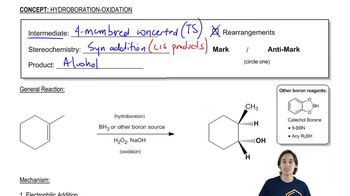
  • General properties of hydroboration-oxidation.
    06:38
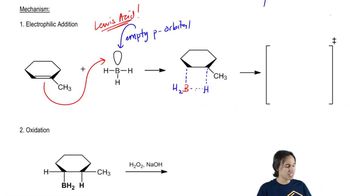
  • Acid-catalyzed hydroboration-oxidation mechanism
    06:14

Catalytic Hydrogenation and Wilkinson's Catalyst

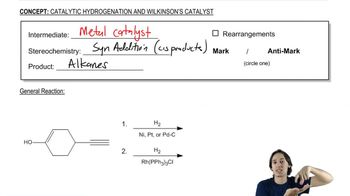
  • General properties of catalytic hydrogenation.
    05:21

Syn Vicinal Dihydroxylation

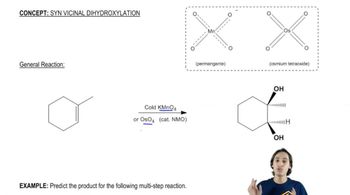
  • General properties of syn vicinal dihydroxylation.
    03:50
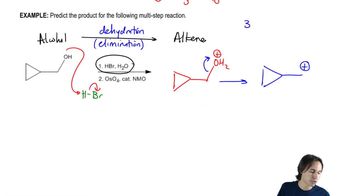
  • Predict the product for the following multi-step reaction.
    04:42

Syn Vicinal Dihydroxylation

  • General properties of syn vicinal dihydroxylation.
    03:50
  • Predict the product for the following multi-step reaction.
    04:42

Alcohol Nomenclature

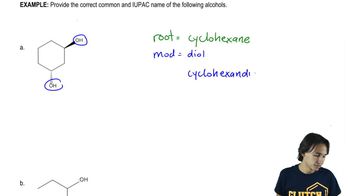
  • Provide the correct common and IUPAC name.
    01:49
  • How to name polyols.
    01:47
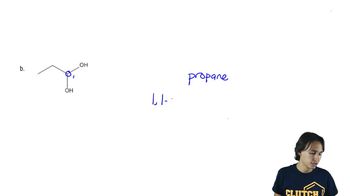
  • Provide the correct common and IUPAC name.
    00:59

Reduction

  • Intro
    00:15
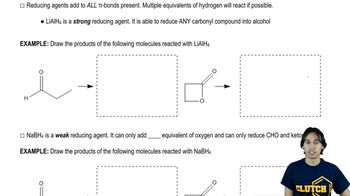
  • Reducing Agents
    09:28

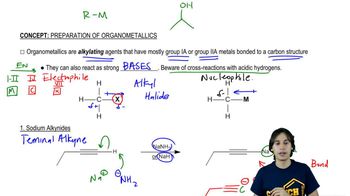
Preparation of Organometallics

  • Ruining Organometallics
    02:50
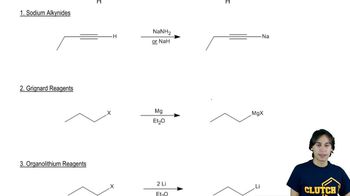
  • General Reaction
    12:21

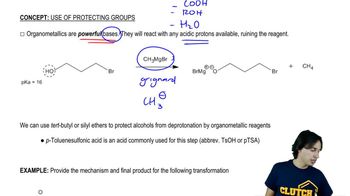
Use of Protecting Groups

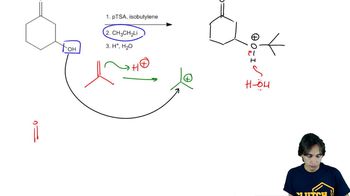
  • Use of Protecting Groups
    04:34
  • Provide mechanism and final product of transformation.
    04:45

Leaving Group Conversions - SOCl2 and PBr3

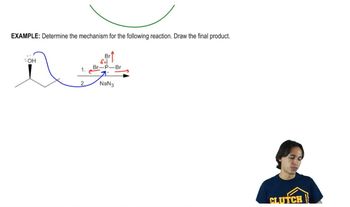
  • Predict the mechanism of PBr3, and draw the final product.
    06:01
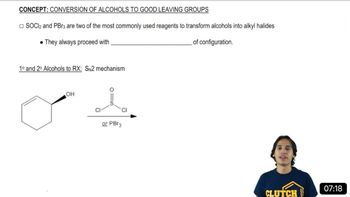
  • Learning the mechanism of SOCl2.
    07:18

Leaving Group Conversions - Using HX

  • Why do we need to convert Alcohol into a good leaving group?
    02:03
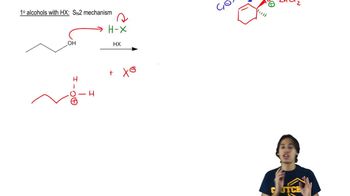
  • Using HX acids via SN2 reaction.
    02:16
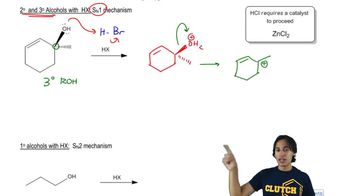
  • Using HX acids via SN1 reaction.
    07:20

Oxidization

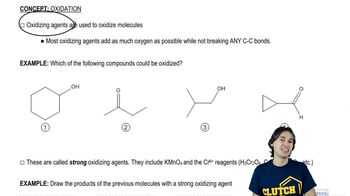
  • Reagents
    01:52
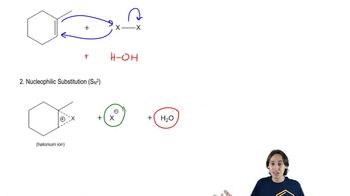
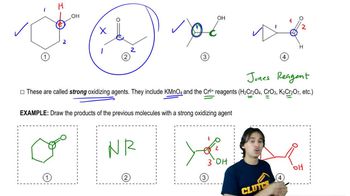
  • Strong oxidizing agents
    05:53
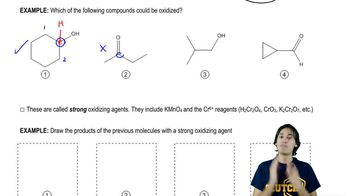
  • Strong oxidizing agents
    03:40