 Indietro
Cardiorespiratory Fitness and Cardiovascular Disease: Study Guide
Guida di studio - Note intelligenti
 Appunti personalizzati basati sui tuoi materiali, ampliati con definizioni chiave, esempi e contesto.
Cardiorespiratory Fitness & Cardiovascular Disease
Definition and Importance of Cardiorespiratory Endurance
Cardiorespiratory endurance refers to the ability of the heart, lungs, and blood vessels to supply oxygen to working muscles during sustained physical activity. The maximal oxygen uptake, or VO2 max, is a key measure of cardiorespiratory endurance, representing the maximum amount of oxygen the body can utilize during intense exercise.
VO2 max: Indicates aerobic fitness; higher values reflect greater endurance.
Importance: Predicts performance in endurance activities and correlates with reduced risk of chronic diseases.
Formula:
Example: Athletes typically have higher VO2 max values than sedentary individuals.
Cardiovascular Disease (CVD) Overview
Cardiovascular disease is an umbrella term for conditions affecting the heart and blood vessels, including hypertension, coronary artery disease, and stroke. These diseases are major contributors to morbidity and mortality worldwide.
Components: Heart muscle, vasculature (blood vessels), and electrical conduction system.
Hypertension: High blood pressure, often asymptomatic, known as "the silent killer."

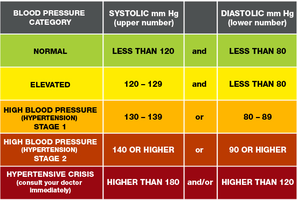
Blood Pressure Classification
Blood pressure is classified based on systolic (upper number) and diastolic (lower number) values. Understanding these classifications is crucial for exercise science professionals to assess health risks and guide exercise prescriptions.
Blood Pressure Category | Systolic mm Hg | Diastolic mm Hg |
|---|---|---|
Normal | Less than 120 | Less than 80 |
Elevated | 120–129 | Less than 80 |
Hypertension Stage 1 | 130–139 | 80–89 |
Hypertension Stage 2 | 140 or higher | 90 or higher |
Hypertensive Crisis | Higher than 180 | Higher than 120 |
Benefits of Cardiorespiratory Fitness
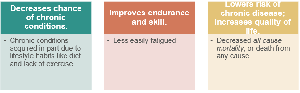
Developing cardiorespiratory fitness offers numerous health benefits, including reduced risk of chronic diseases, improved ability to perform daily activities, and enhanced quality of life.
Lower incidence of chronic diseases: Such as heart disease, diabetes, and hypertension.
Easier aging: Maintains independence and functional ability.
Improved endurance: Less fatigue during physical tasks.
Cardiorespiratory System and Exercise
Components and Function
The cardiorespiratory system consists of the heart, lungs, and blood vessels, working together to deliver oxygen and remove carbon dioxide during exercise. Aerobic exercise challenges this system, leading to physiological adaptations.
Heart: Pumps oxygenated blood throughout the body.
Lungs: Facilitate gas exchange (oxygen in, carbon dioxide out).
Blood vessels: Transport blood to and from tissues.
Cardiorespiratory endurance: Ability to sustain aerobic activity for extended periods.
Aerobic vs. Anaerobic Energy Systems
Muscle cells utilize two main energy systems during exercise: aerobic and anaerobic. Each system has distinct characteristics and roles in physical activity.
Anaerobic: Provides energy for short-term, high-intensity activities; uses carbohydrates only.
Aerobic: Supports prolonged, moderate-intensity exercise; uses fats, carbohydrates, and proteins.
Most daily activities: Rely on aerobic energy production.
Cardiorespiratory Fitness in Daily Living
Cardiorespiratory fitness impacts everyday activities such as walking, cleaning, gardening, and climbing stairs. Higher fitness levels make these tasks easier and less tiring.
Example: Walking to class or cleaning a multi-story home requires endurance.
Measuring Cardiorespiratory Fitness
Laboratory and Field Tests
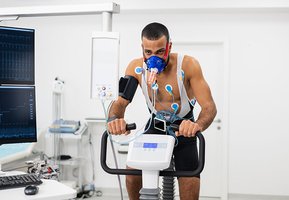
Cardiorespiratory fitness is assessed using laboratory and field tests, each with advantages and limitations. Laboratory tests are more accurate but require specialized equipment, while field tests are more accessible.
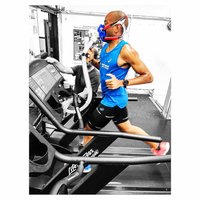
Lab tests: Require trained personnel, equipment (e.g., masks, treadmills, bikes), and protocols (Ramp, Bruce, Modified Bruce, Naughton).
Field tests: Include Rockport walking test, 3-minute step test; less accurate but practical.
Heart rate measurement: Can be done via palpation or monitors.
Considerations for Testing
When performing cardiorespiratory fitness tests, consider factors such as equipment availability, testing location, mask fit, and participant characteristics (e.g., facial hair, hair on head).
Lab tests: Require proper mask fit and protocol selection.
Field tests: Depend on equipment and location; learning curve for accurate heart rate measurement.
Physiological Responses and Adaptations to Exercise
Immediate Responses
During exercise, the body undergoes several acute responses to meet increased oxygen demands.
Heart rate increases: More blood is pumped to muscles.
Blood vessels widen: Facilitates greater blood flow.
Respiratory rate elevates: Enhances oxygen intake and carbon dioxide removal.
Long-Term Adaptations
Regular aerobic training leads to beneficial adaptations in the cardiorespiratory system and skeletal muscles, reducing disease risk and improving performance.
Lower resting heart rate: Indicates a stronger heart.
Faster recovery time: After exercise.
Lower resting blood pressure: Reduces risk of hypertension.
Reduced risk of type 2 diabetes: Due to improved insulin sensitivity.
Improved oxygen delivery and utilization: Enhances endurance and performance.
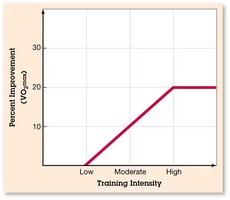
Types of Training to Improve Cardiovascular Fitness
Training Methods
Various training methods can be used to enhance cardiovascular fitness, each targeting different aspects of endurance and performance.
Continuous training: Sustained aerobic activity (e.g., running, cycling).
Interval training: Alternating periods of high and low intensity.
Circuit training: Combines aerobic and resistance exercises.
Cross-training: Incorporates multiple exercise modalities.
Summary Table: Blood Pressure Classification
The following table summarizes the main categories of blood pressure and their clinical significance:
Category | Systolic (mm Hg) | Diastolic (mm Hg) | Clinical Significance |
|---|---|---|---|
Normal | <120 | <80 | Healthy |
Elevated | 120–129 | <80 | Monitor, lifestyle changes |
Hypertension Stage 1 | 130–139 | 80–89 | Medical evaluation |
Hypertension Stage 2 | >=140 | >=90 | Medical intervention |
Hypertensive Crisis | >180 | >120 | Emergency care |
Additional Info
Cardiorespiratory fitness is a key component of overall wellness and is linked to longevity and quality of life.
Regular assessment and improvement of cardiorespiratory fitness are recommended for all individuals.
