 Indietro
Housing, Food Security, and Environmental Impacts on Personal Health
Guida di studio - Note intelligenti
 Appunti personalizzati basati sui tuoi materiali, ampliati con definizioni chiave, esempi e contesto.
Housing and Health
Understanding the Housing Crisis
The housing crisis in Canada is a significant public health concern, affecting both physical and mental well-being. It is characterized by a shortage of affordable homes, rapidly increasing prices, and rising rents, which have led to delayed home ownership, increased homelessness, and greater health inequalities.
Key Causes:
Insufficient new housing construction relative to population growth
Restrictions on higher-density housing and increased construction timelines
Rapid population growth, especially in urban centers
Rising construction costs (labor, materials, borrowing)
Urban concentration and real estate investment competition
Impacts:
Delayed home ownership and rising rental costs
Increased risk of homelessness
Negative effects on mental and physical health
Exacerbation of social inequality
Government Responses:
Housing Accelerator Fund
First Home Savings Account (FHSA)
Zoning reforms and Build Canada Homes initiative



Home Price and Rent Changes
Home prices and rents have increased rapidly in major Canadian cities, making housing less accessible for many.
City | Avg Home Price (2016) | Avg Home Price (2023) | Price Change |
|---|---|---|---|
Toronto | $600,000 | $1,100,000 | +83% |
Vancouver | $800,000 | $1,200,000 | +50% |
Montreal | $350,000 | $600,000 | +71% |
Calgary | $400,000 | $500,000 | +25% |
Ottawa | $400,000 | $600,000 | +50% |
Hamilton | $350,000 | $700,000 | +100% |

City | Avg Rent (2016) | Avg Rent (2023) | Rent Change |
|---|---|---|---|
Toronto | $1,200 | $2,300 | +92% |
Vancouver | $1,400 | $2,500 | +79% |
Montreal | $800 | $1,200 | +50% |
Ottawa | $1,000 | $1,600 | +60% |
Calgary | $1,000 | $1,400 | +40% |

Homelessness and Precarious Housing
Homelessness is a visible indicator of the housing crisis, with significant impacts on health and quality of life. Precarious housing includes situations where individuals lack stable, safe, or affordable housing.
Statistics:
30,000–35,000+ people homeless nightly in Canada
66.7% are males; 33.1% are Indigenous
Annual cost of homelessness exceeds $10 billion
Health Impacts:
Reduced life expectancy
Exacerbation of mental health conditions
Barriers to employment and social relationships

Government Strategies for Homelessness
The Canadian government has implemented strategies to reduce chronic homelessness, focusing on affordable, stable, and safe housing, with special attention to Indigenous communities and alignment of housing initiatives.
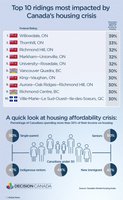
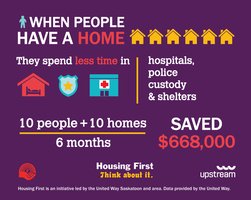
Health Impacts of Housing Needs
Inadequate, crowded, and unaffordable housing can lead to aggressive behaviors, property offenses, diminished school performance, asthma, injury risks, and faster spread of communicable diseases. Unstable housing affects emotional health and academic outcomes, while inaccessible housing impacts independence and mobility.
Food Security and Health
Definition and Prevalence of Food Insecurity
Food insecurity is the inability to acquire or consume adequate diet quality or sufficient quantity of food in socially acceptable ways, often due to financial constraints. It is a key predictor of unhealthy eating and a major determinant of health.
18.4% of Canadian households experience food insecurity
1 million children affected
Most prevalent among Indigenous peoples, those in extreme poverty, single mothers, renters, and recipients of social assistance


Categories of Food Insecurity
Marginal: Worry about running out of food, limited selection
Moderate: Compromised quality and/or quantity of food
Severe: Miss meals, reduce intake, go days without food

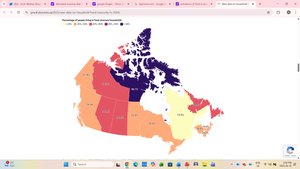
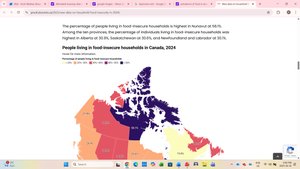
Food Insecurity and Income
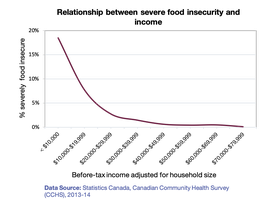
Household income is the strongest predictor of food security status. Lower education levels and reliance on social assistance are also associated with higher prevalence of food insecurity.
Adverse Effects of Food Insecurity
Nutrient inadequacies and poorer diets
Childhood mental health problems (hyperactivity, inattention)
Increased risk of asthma, depression, suicidal ideation
Higher prevalence of chronic conditions (diabetes, heart disease, hypertension, arthritis, back problems)
Disordered eating patterns and increased overweight/obesity
Premature Mortality and Food Insecurity
Severely food-insecure adults have an average lifespan 9 years shorter than food-secure adults
Higher risk of premature mortality from infectious diseases, injuries, and suicides
Food Deserts
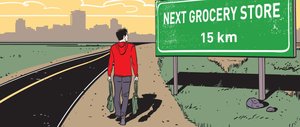
Food deserts are areas lacking access to healthy, nutritious food within one mile. Residents depend on convenience stores and fast food, which offer mostly processed foods, exacerbating food insecurity.
Foodborne Illness
Foodborne illnesses affect 4 million Canadians annually and can be caused by biological (bacteria, viruses, parasites), chemical (pesticides, toxic chemicals), physical (dirt, glass, metal), and food additives.
Programs Addressing Food Insecurity
Food banks
Community kitchens
Community gardens
Food buying clubs
Farmers’ markets
Food boxes

National Food Security Strategy
Increase grocery store competition
Boost domestic food production
Grow fruits and vegetables year-round
Reduce supply chain barriers
Policy Implications for Food Insecurity
Increase minimum wage and social assistance
Ensure healthy and safe foods are affordable and available
Affordable housing and childcare to free up resources for food
Improve food insecurity monitoring systems
Environmental Impacts on Health
Overpopulation and Environmental Management
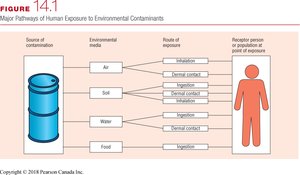
Global population growth increases demand for resources and effective environmental management is needed to prevent diseases and deaths. Unsafe water and air pollution contribute to millions of preventable deaths annually.

Air Pollution
Sources: Sulphur dioxide, particulates, carbon monoxide, nitrogen oxides, ozone, lead, hydrocarbons
Health Effects: Difficulty breathing, burning eyes, headaches, nausea; vulnerable populations include children, elderly, pregnant women, and those with lung diseases
Smog: Brown, hazy mix of particulates and gases; temperature inversion traps cool air under warm air
Ozone Layer Depletion: Caused by chlorofluorocarbons (CFCs), which are banned in Canada
Indoor Air Pollution: Wood stove smoke, asbestos, passive smoke, formaldehyde, radon, household chemicals
Reducing Air Pollution
Transition to renewable resources: solar, wind, water-power
Change practices in energy, industry, and transportation
Water Pollution
Sources: septic systems, landfills, gasoline, petroleum products, dioxins, PCBs, lead
Health impacts: contamination of drinking water, increased risk of disease
Noise Pollution
Loud noises cause physical and mental distress
Short-term exposure reduces productivity, concentration, and attention span
Symptoms: sleep disturbance, headaches, negative health
Prevention: reasonable music levels, earplugs, physical barriers
Land Pollution
Municipal solid waste: reduce, reuse, recycle, repurpose
Hazardous waste: managed by Canadian Environmental Protection Agency
Radiation
Ionizing Radiation: Exposure from nature, X-rays, TV; can damage genetic material
Nonionizing Radiation: Household appliances, power lines; little known about biological effects
Nuclear Power Plants: Less than 1% of total radiation exposure; concerns about waste disposal and meltdown risk
Interconnections: Housing, Food Security, and Environment
Summary and Take-Home Messages
Housing and food insecurity are often linked, with vulnerable groups overrepresented
Affordable housing is increasingly limited, leading to higher spending on housing and less money for food
Food insecurity ranges from episodic to constant deprivation
Food programs do not significantly reduce risk unless income and access to nutritious food are addressed
Early childhood impacts later life health, growth, and development
Environmental health impacts both individual and community health
