Indietro
Chapter 6: Work and Energy – Physics with Algebra Study Notes
Guida di studio - Note intelligenti
 Appunti personalizzati basati sui tuoi materiali, ampliati con definizioni chiave, esempi e contesto.
Chapter 6: Work and Energy
Introduction to Work and Energy
In physics, work and energy are fundamental concepts that describe how forces cause motion and how energy is transferred or transformed. This chapter explores the relationship between force, displacement, and energy, and introduces the principles of conservation and transformation of energy.
6-1 Work Done by a Constant Force
Definition of Work
Work is done when a force causes an object to move in the direction of the force. The amount of work depends on the magnitude of the force, the displacement, and the angle between the force and displacement.
Formula:
Unit: Joule (J), where
Key Point: Only the component of force parallel to displacement does work.
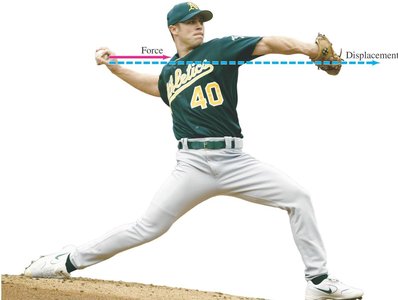
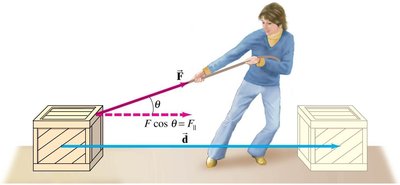
Example: Work Calculation
Firefighter climbing stairs:
Hammer falling on a nail:
6-2 Work Done by a Varying Force
Varying Forces
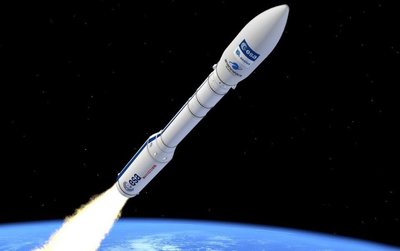
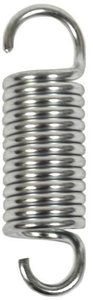
When the force changes in magnitude or direction, the work done is calculated using integration. Examples include gravitational force on a rocket and the force exerted by a spring.
Formula:
Spring force: where is the spring constant and is the displacement.
6-3 Kinetic Energy and the Work-Energy Principle
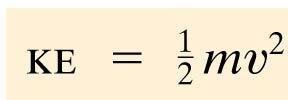
Kinetic Energy (KE)
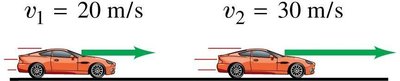
Kinetic energy is the energy an object possesses due to its motion. The work-energy principle states that the net work done on an object is equal to the change in its kinetic energy.
Formula:
Work-Energy Principle:
Units: Joules (J)

6-4 Potential Energy
Types of Potential Energy
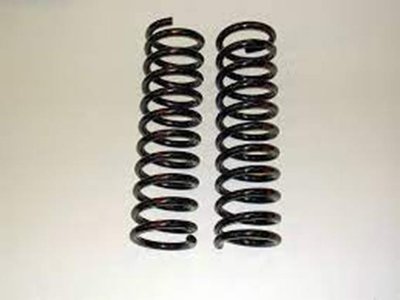
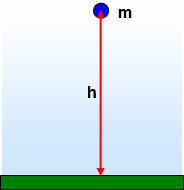
Potential energy is stored energy due to an object's position or configuration. Common types include elastic potential energy (in springs) and gravitational potential energy (due to height).
Elastic Potential Energy:
Gravitational Potential Energy:
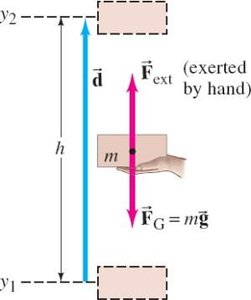
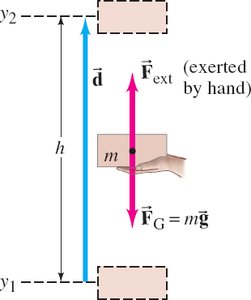
Work Done Against Gravity
Formula:
Reference Level: Potential energy depends on the chosen reference level.
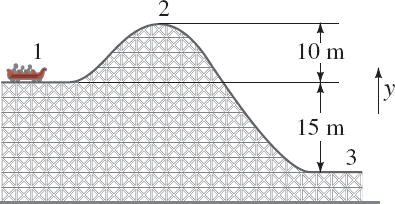
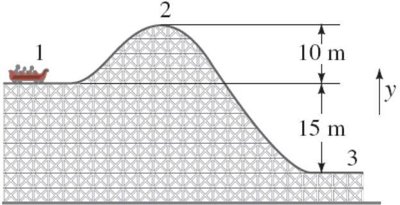
Example: Roller Coaster Potential Energy
Calculating potential energy at different points relative to a reference level.
Elastic Potential Energy
Spring Forces and Energy
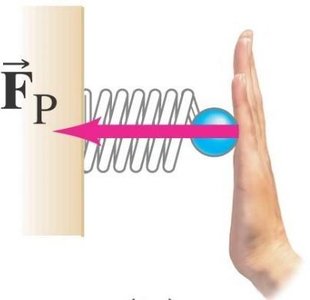
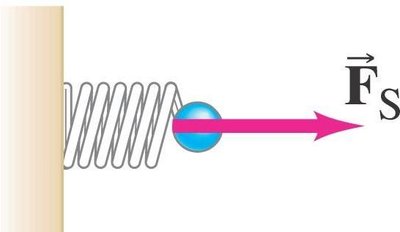
When a spring is compressed or stretched, it stores elastic potential energy. The force exerted by the spring is proportional to the displacement and acts in the opposite direction.
Spring Force:
Elastic Potential Energy:
6-5 Conservative and Nonconservative Forces
Classification of Forces
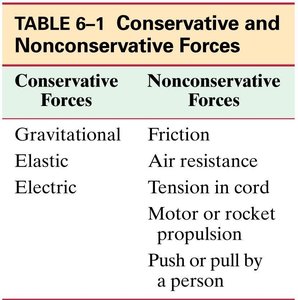
Forces are classified as conservative or nonconservative. Conservative forces (like gravity and elastic forces) do not dissipate energy, while nonconservative forces (like friction) convert mechanical energy into other forms such as heat.
Conservative Force: Work depends only on initial and final positions, not the path.
Nonconservative Force: Work depends on the path taken.
Conservative Forces | Nonconservative Forces |
|---|---|
Gravitational | Friction |
Elastic | Air resistance |
Electric | Tension in cord |
Motor or rocket propulsion | |
Push or pull by a person |
6-6 Mechanical Energy and Its Conservation
Conservation of Mechanical Energy
If only conservative forces act, the total mechanical energy (kinetic plus potential) remains constant.
Formula:
Total Mechanical Energy:
Conservation:
6-7 Problem Solving Using Conservation of Mechanical Energy
Energy Transformation Example
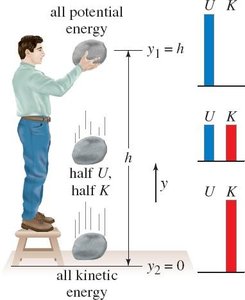
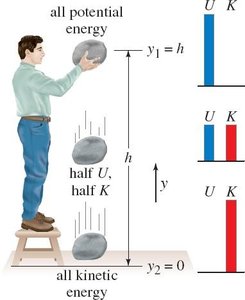
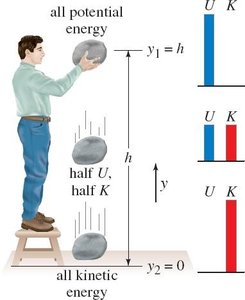
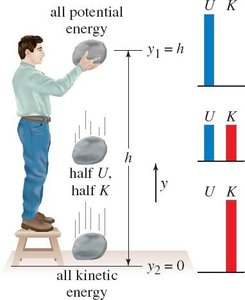
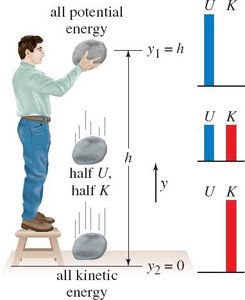
As an object falls, its potential energy decreases and its kinetic energy increases, but the total energy remains constant.
Formula:
6-9 Energy Conservation with Dissipative Forces
Including Nonconservative Forces
When nonconservative forces like friction are present, mechanical energy is not conserved. The work done by these forces is accounted for in the energy balance.
Formula:
With friction:
6-10 Power
Definition and Calculation of Power
Power is the rate at which work is done or energy is transferred. It is measured in watts (W).
Formula:
Unit:
Horsepower:

Summary of Chapter 6
Work done by a constant force:
Work done by a varying force:
Kinetic Energy:
Potential Energy: ,
Conservative and Nonconservative Forces
Mechanical Energy Conservation:
Energy Conservation with Dissipative Forces:
Power: