 Indietro
Chapter 1: The Science of Psychology
Guida di studio - Note intelligenti
 Appunti personalizzati basati sui tuoi materiali, ampliati con definizioni chiave, esempi e contesto.
The Science of Psychology
Introduction to Psychology
Psychology is the scientific study of behavior and mental processes. It uses systematic methods to investigate phenomena, understand why behaviors occur, predict future behaviors, and apply findings to improve lives.
The History of Psychology
Early Pioneers
The foundation of psychology was laid by several key figures who established its scientific basis and methodologies.
Wilhelm Wundt: Established the first psychology laboratory in Leipzig, Germany (1879). He believed consciousness could be broken down into basic elements and developed objective introspection—the process of objectively examining and measuring one’s own thoughts and mental activities. Known as the "father of psychology."
Edward Titchener: Wundt’s student who brought structuralism to America. Structuralism focused on the structure of the mind, breaking experiences into emotions and sensations.
Margaret Washburn: First woman to earn a Ph.D. in psychology; published The Animal Mind (1908).
William James: Developed functionalism, which explored how the mind allows people to adapt, live, work, and play. Wrote Principles of Psychology.
Mary Whiton Calkins: Conducted early research on human memory and the psychology of the self, but was denied a Ph.D. due to her gender.
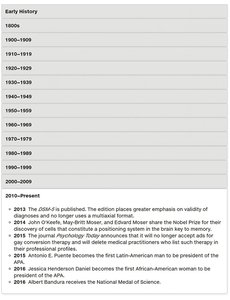
Contributions of People of Color
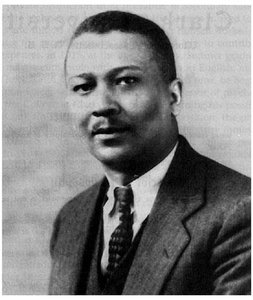
Francis Cecil Sumner: First Black American to earn a Ph.D. in psychology.
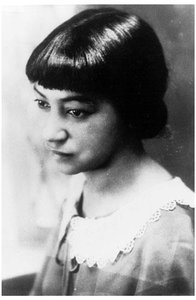
Inez Beverly Prosser: First Black American woman to earn a Ph.D. in educational psychology.
Kenneth and Mamie Clark: Studied effects of school segregation on Black children.
George Sanchez: Studied cultural bias in intelligence tests.
Carlos Albizu Miranda: One of the first Latinx individuals to earn a Ph.D. in clinical psychology.
Three Influential Approaches
Several early approaches shaped the development of psychology:
Gestalt Psychology: Founded by Max Wertheimer, it emphasizes viewing psychological phenomena as organized wholes. Gestalt principles are now part of cognitive psychology, which studies perception, learning, memory, and problem solving.
Psychoanalysis: Developed by Sigmund Freud, this theory focuses on the unconscious mind, repressed urges, and the importance of early childhood experiences. Modern psychotherapy is based on psychoanalysis.
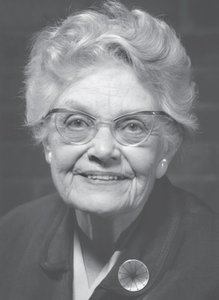
Behaviorism: Proposed by John B. Watson, it focuses on observable behavior that can be measured. Influenced by Pavlov’s work on conditioning. Mary Cover Jones contributed to early behavior therapy.

The Field of Psychology Today
Seven Modern Perspectives
Contemporary psychology uses multiple perspectives to explain behavior and mental processes:
Psychodynamic Perspective: Modern version of psychoanalysis, focusing on self-development and motivations beyond sexual drives.
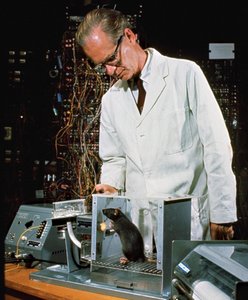
Behavioral Perspective: B.F. Skinner’s operant conditioning explains how voluntary behavior is learned through reinforcement.
Humanistic Perspective: Emphasizes free will and self-actualization. Founded by Abraham Maslow and Carl Rogers.
Cognitive Perspective: Focuses on memory, intelligence, perception, thought processes, problem solving, and language. Includes cognitive neuroscience.
Sociocultural Perspective: Examines the relationship between social behavior and culture, including social and cultural psychology.
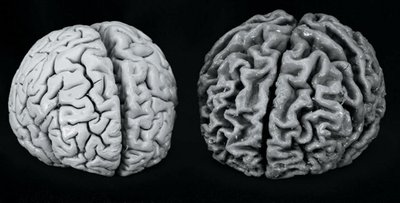
Biopsychological Perspective: Attributes behavior to biological events such as genetics, hormones, and nervous system activity.
Evolutionary Perspective: Studies the biological bases of universal mental characteristics and adaptive behaviors.

Psychological Professionals and Areas of Specialization
Types of Professionals
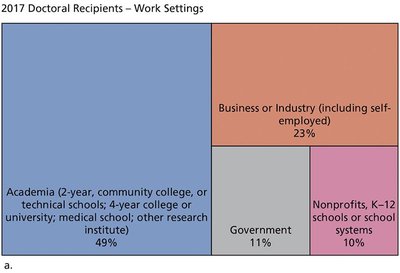
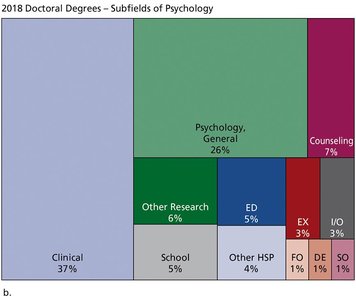
Psychologist: Holds an academic degree and specialized training in psychology. May work in clinical, counseling, developmental, social, or personality psychology, and conduct research.
Psychiatrist: Medical doctor specializing in the diagnosis and treatment of psychological disorders; can prescribe medication.
Psychiatric Social Worker: Social worker trained in therapy methods, focusing on environmental factors affecting mental health.

Scientific Research in Psychology
Critical Thinking
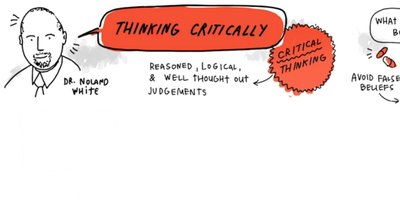
Critical thinking involves making reasoned judgments about claims. Four basic criteria:
Few “truths” do not need testing.
All evidence is not equal in quality.
Authority does not guarantee truth.
Critical thinking requires an open mind.
The Scientific Approach
The scientific approach reduces bias and error in measurement. Psychology’s goals are description, explanation, prediction, and control.
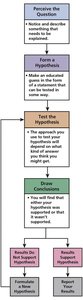
Steps:
Perceive the question
Form a hypothesis
Test the hypothesis
Draw conclusions
Report results
Descriptive Methods
Descriptive methods are used to observe and describe behavior:
Naturalistic Observation: Observing behavior in its natural environment. Advantages: realistic picture; Disadvantages: observer effect, observer bias.
Laboratory Observation: Observing behavior in a controlled environment. Advantages: control and specialized equipment; Disadvantage: artificial behavior.
Case Studies: In-depth study of one individual. Advantage: detail; Disadvantage: cannot generalize.
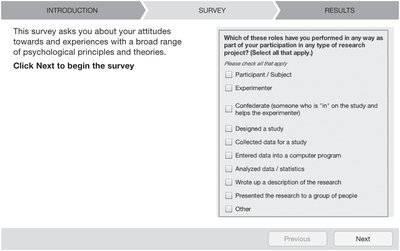
Surveys: Asking questions to a representative sample. Advantages: large data, covert behaviors; Disadvantages: sample bias, courtesy bias.


Correlations: Finding Relationships
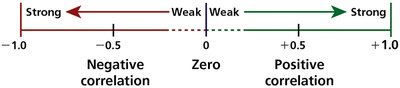
Correlation measures the relationship between two variables. The correlation coefficient (r) ranges from -1.00 to +1.00.
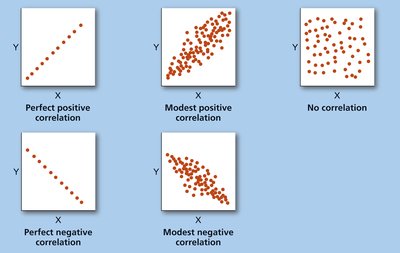
Positive correlation: Variables move in the same direction.
Negative correlation: Variables move in opposite directions.
No correlation: No relationship.
Correlation does not prove causation.
The Experiment
Experiments manipulate variables to determine cause-and-effect relationships.
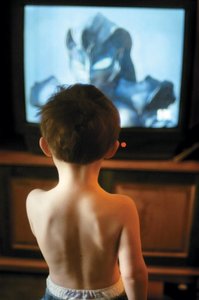
Independent Variable (IV): Manipulated by the experimenter (e.g., violent TV).
Dependent Variable (DV): Measured response (e.g., aggressive play).
Experimental Group: Receives the IV.
Control Group: Does not receive the IV; may receive placebo.
Random Assignment: Subjects are randomly assigned to groups to control for confounding variables.
Experimental Hazards and Controls
Two common sources of problems in experiments:
Placebo Effect: Participants’ expectations influence their behavior.
Experimenter Effect: Experimenter’s expectations unintentionally influence results.
Single-blind Study: Subjects do not know their group assignment.
Double-blind Study: Neither experimenter nor subjects know group assignments.
Ethics of Psychological Research
Guidelines for Research with People
Rights and well-being of participants must be weighed against scientific value.
Informed consent is required.
Deception must be justified.
Participants may withdraw at any time.
Protection from risks or explicit disclosure of risks.
Debriefing after study.
Confidentiality of data.
Researchers must correct undesirable consequences.
Nonhuman Animal Research
Animal research is used when questions cannot be investigated with humans. Researchers avoid unnecessary pain or suffering, and only about 7% of psychological studies use animals.
Applying Psychology to Everyday Life
Critical Thinking and Social Media
Critical thinking skills help students evaluate information on social media, distinguishing fact from fiction.
Key Terms and Concepts
Behavior: Observable actions and reactions.
Mental Processes: Internal, covert activity of the mind.
Introspection: Examining one’s own thoughts and mental activities.
Structuralism: Study of the structure of the mind.
Functionalism: Study of how the mind helps people adapt.
Gestalt Psychology: Study of organized wholes.
Psychoanalysis: Theory of unconscious mind and repressed urges.
Behaviorism: Study of observable behavior.
Correlation: Measure of relationship between variables.
Experiment: Manipulation of variables to determine causation.
Placebo Effect: Influence of expectations on behavior.
Ethics: Guidelines for research with humans and animals.
