 Indietro
Chapter 4: Consciousness – Study Notes for Introduction to Psychology
Guida di studio - Note intelligenti
 Appunti personalizzati basati sui tuoi materiali, ampliati con definizioni chiave, esempi e contesto.
Consciousness
Definition of Consciousness
Consciousness refers to a person's awareness of everything that is happening around them at any given moment. It is generated by patterns of action potentials in the communication among neurons in the brain.
Consciousness: Awareness of internal and external stimuli.
It is a central concept in psychology, philosophy, and neuroscience, with definitions varying by field.

Levels of Consciousness
There are different levels of consciousness, ranging from full alertness to various altered states. These states can be distinguished by the clarity and organization of thoughts, feelings, and sensations.
Waking consciousness: State in which thoughts, feelings, and sensations are clear and organized, and the person feels alert.
Altered state of consciousness: A shift in the quality or pattern of mental activity compared to waking consciousness. Examples include daydreaming, hypnosis, meditation, and drug-induced states.
Two kinds of thought processes: Controlled (conscious, deliberate) and Automatic (unconscious, effortless).

Sleep
The Biology of Sleep
Sleep is regulated by biological processes that follow a daily cycle known as the circadian rhythm. The hypothalamus, particularly the suprachiasmatic nucleus (SCN), plays a key role in controlling the sleep–wake cycle by responding to changes in light and signaling the pineal gland to secrete melatonin.
Circadian rhythm: A 24-hour cycle of bodily rhythms, including sleep and wakefulness.
Suprachiasmatic nucleus (SCN): Internal clock sensitive to light, regulates melatonin production.
Melatonin: Hormone that induces sleepiness by suppressing alertness-related neurons.

Why We Sleep
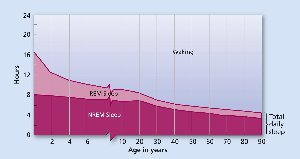
Sleep is essential for optimal functioning, with adults typically needing 7–8 hours per night. Theories explaining the need for sleep include:
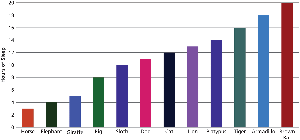
Adaptive theory: Sleep patterns evolved to avoid predators by sleeping when they are most active.
Restorative theory: Sleep is necessary for physical health, chemical replenishment, and cellular repair.
Sleep is crucial for memory formation and cognitive performance.
Sleep deprivation: Leads to problems in concentration, irritability, and can cause microsleeps (brief, involuntary episodes of sleep).
The Stages of Sleep
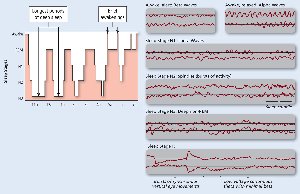
Sleep consists of several stages, including rapid eye movement (REM) and non-REM (NREM) sleep. These stages are characterized by distinct patterns of brain activity, as measured by an electroencephalograph (EEG).
REM sleep: Characterized by rapid eye movements, vivid dreams, and brain activity similar to wakefulness.
NREM sleep: Includes stages N1 (light sleep), N2 (sleep spindles), and N3 (deep sleep with delta waves).
EEG waves: Beta (alert), Alpha (relaxed), Theta (light sleep), Delta (deep sleep).
REM rebound: Increased REM sleep after deprivation.
Sleep paralysis: Inability to move voluntary muscles during REM sleep.
REM behavior disorder (RBD): Failure of muscle paralysis during REM, leading to acting out dreams.

Sleep Disorders
Various sleep disorders can disrupt normal sleep patterns and impact health and safety.
Nightmares: Bad dreams during REM sleep, more common in children.
Night terrors: Extreme fear and movement during deep sleep, without full awakening.
Sleepwalking (somnambulism): Walking or moving during deep sleep, more common in children.
Insomnia: Difficulty falling or staying asleep, or poor sleep quality.
Sleep apnea: Breathing stops for periods during sleep; may require a CPAP device.
Narcolepsy: Sudden onset of REM sleep during waking hours, sometimes with cataplexy (loss of muscle tone).

Dreams
Why Do We Dream?
Dreams have been explained by several theories:
Freud's theory: Dreams are unconscious wish fulfillment. Manifest content is the dream itself; latent content is the hidden meaning.
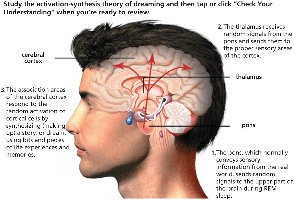
Activation-synthesis hypothesis: Dreams result from the brain's attempt to make sense of random neural signals from the brainstem during REM sleep.
Activation-information-mode model (AIM): Dreams are influenced by information accessed during waking hours.
What Do People Dream About?
Dream content often reflects everyday experiences, with some common patterns and gender differences.
Most dreams are about daily events and are in color.
Women tend to dream about people they know and personal concerns; men dream more about strangers, tools, and sexual themes.

Hypnosis
How Hypnosis Works
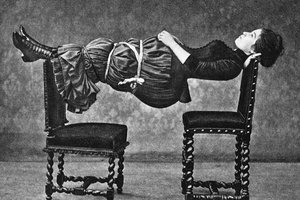
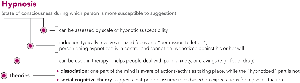
Hypnosis is a state of consciousness in which a person is especially susceptible to suggestion. It involves focusing attention, relaxation, acceptance of suggestion, and vivid imagination.
Hypnotic susceptibility: Degree to which a person is a good hypnotic subject.
Theories of Hypnosis
Dissociation theory: Hypnosis splits consciousness, with a 'hidden observer' remaining aware.
Social-cognitive theory: Hypnotized individuals are not in an altered state but are playing a role expected of them.
The Influence of Psychoactive Drugs
Dependence
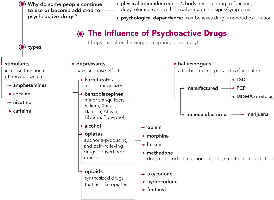
Psychoactive drugs alter thinking, perception, and memory. Dependence can be physical or psychological.
Physical dependence: The body cannot function normally without the drug; involves tolerance and withdrawal symptoms.
Psychological dependence: The belief that the drug is needed for emotional or psychological well-being.
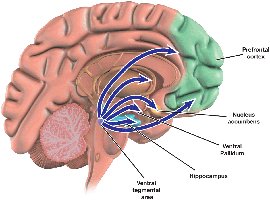
The brain's reward pathway, involving dopamine, is central to addiction.

Stimulants
Stimulants increase nervous system activity and include both natural and synthetic substances.
Amphetamines: Synthetic stimulants.
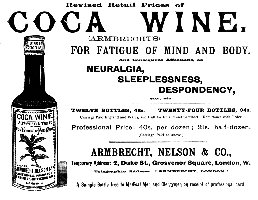
Cocaine: Natural stimulant, produces euphoria and energy.
Nicotine: Found in tobacco, highly addictive.
Caffeine: Found in coffee, tea, sodas, and energy drinks.


Depressants
Depressants decrease nervous system activity and include barbiturates, benzodiazepines, alcohol, and opiates.
Barbiturates: Sedative drugs.
Benzodiazepines: Lower anxiety and stress (e.g., Valium, Xanax).
Alcohol: Most commonly used depressant; impairs judgment and coordination.
Opiates/Opioids: Pain-relieving drugs derived from opium (e.g., morphine, heroin, fentanyl).

Hallucinogens
Hallucinogens cause false sensory perceptions and alter reality. They can be synthetic or naturally occurring.
LSD: Powerful synthetic hallucinogen.
PCP: Can have stimulant, depressant, or hallucinogenic effects.
MDMA (Ecstasy): Both stimulant and hallucinogen.
Marijuana: Mild hallucinogen, can cause sensory distortions and psychological dependence.

Multitasking and Consciousness
Negative Impacts of Multitasking
Multitasking can lead to decreased performance, increased errors, and safety risks, especially when tasks require conscious attention (e.g., driving while using a phone).
Most people are less effective at multitasking than they believe.
Divided attention can result in accidents and reduced memory for events.
