 Indietro
Chapter 5: Consciousness – Sleep, Dreams, and Altered States
Guida di studio - Note intelligenti
 Appunti personalizzati basati sui tuoi materiali, ampliati con definizioni chiave, esempi e contesto.
Consciousness
Definition and Characteristics
Consciousness refers to the subjective experience of the world and ourselves. It is not directly observable or accessible by others, and it encompasses a range of states, including being awake, asleep, or in transitional phases. Consciousness is influenced by brain chemistry, expectations, and cultural factors.
Subjective experience: Only accessible to the individual.
States of consciousness: Awake, asleep, and in-between states.
Influences: Brain chemistry, expectations, and culture can alter conscious experience.
The Biology of Sleep
Why Do We Sleep?
Sleep serves several essential biological functions, including restoration, memory consolidation, and regulation of brain activity.
Rest and rejuvenation: Restores strength and conserves energy.
Memory consolidation: Helps consolidate and retain memories.
Synaptic regulation: Regulates the strength of synapses and removes unnecessary neural connections.
Immune and cognitive support: Supports immune system function and problem-solving abilities.
Circadian Rhythms and the Biological Clock
Circadian rhythms are cyclical processes that occur on a roughly 24-hour basis, regulating sleep and wakefulness. The biological clock, located in the hypothalamus, controls these cycles by releasing melatonin and is influenced by external stimuli such as light. Disruptions to circadian rhythms (e.g., jet lag, shift work) can be harmful.
Sleep Requirements and Consequences of Sleep Deprivation
Sleep needs: Decrease with age (newborns ~16 hours, adults >65 ~7-8 hours, college students ~9 hours).
Sleep debt: Accumulating sleep debt over time can have significant negative effects.
Physiological consequences: Weight gain, depression, decreased immune function.
Cognitive consequences: Impaired learning, slower reaction times, reduced problem-solving ability.
Stages and Types of Sleep
REM and NREM Sleep
There are two main types of sleep: REM (Rapid Eye Movement) and NREM (Non-Rapid Eye Movement). Sleep cycles through five stages in approximately 90-minute intervals.
REM sleep: High brain activity, rapid eye movements, vivid dreaming.
NREM sleep: Deep relaxation, reduced brain activity, fewer dreams.
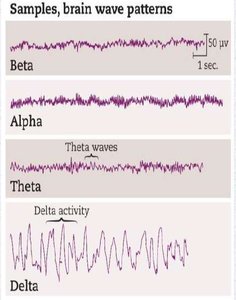
Brain Waves and Sleep Stages
Brain activity during sleep is measured by EEG and is characterized by different wave patterns:
Beta waves: Awake
Alpha waves: Calm wakefulness
Theta waves: Drowsiness/light sleep
Delta waves: Deep NREM sleep
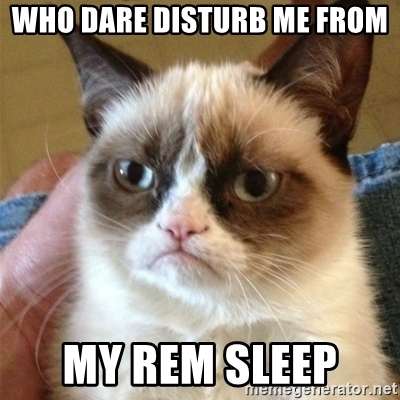
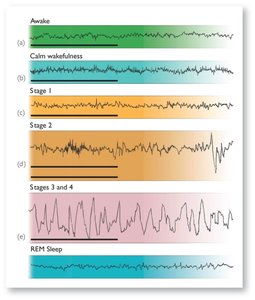
Sleep Stages
Stage 1: Light sleep, theta waves, hypnagogic imagery, myoclonic jerks (5-10 min/cycle).
Stage 2: Theta waves, sleep spindles, K-complexes, heart rate slows, body temperature drops (10-30 min/cycle, ~65% of sleep).
Stages 3 & 4: Delta waves, deep sleep, restorative, 40% of sleep in children, 25% in adults (15-30 min/cycle).
Stage 5 (REM): Brain activity similar to wakefulness, vivid dreams, increased heart rate and blood pressure, 20-25% of sleep (10-20 min/cycle).
Dreams and Sleep Disorders
Dreams: Types and Theories
NREM dreams: Shorter, more thought-like, repetitive, related to daily tasks.
REM dreams: Longer, emotional, illogical, prone to plot shifts, biologically crucial.
Theories of Dreaming
Freudian theory: Dreams are meaningful and represent repressed desires.
Activation-synthesis theory: Dreams are not inherently meaningful but result from random brain activity.
Neurocognitive theory: Dreams reflect cognitive abilities and are meaningful in terms of personal concerns and development.
Lucid Dreaming
Lucid dreaming occurs when a person is aware that they are dreaming and may be able to exert some control over the dream narrative. This state blurs the line between being asleep and awake.
REM Sleep Disorders
REM Behavior Disorder: The brain fails to inhibit muscle activity during REM sleep, causing individuals to act out their dreams.
REM rebound: Increased REM sleep and intense dreams following REM deprivation.
Common Sleep Disorders
Insomnia: Difficulty falling asleep, staying asleep, or waking too early; often comorbid with depression or medical conditions.
Narcolepsy: Sudden, uncontrollable sleep attacks; may include cataplexy (muscle paralysis while conscious); linked to genetics and orexin deficiency.
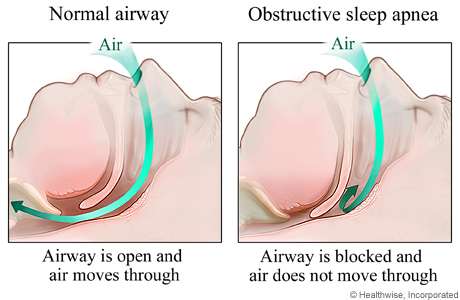
Sleep apnea: Airway blockage during sleep, causing breathing interruptions and poor sleep quality.

Sleepwalking: Performing complex behaviors while asleep, most common in children, occurs during NREM sleep.
Other Alterations of Consciousness
Sleep Paralysis
Sleep paralysis is a phenomenon where a person wakes up but is temporarily unable to move. It may be accompanied by hallucinations and a sensation of pressure on the chest. It is generally harmless but can be distressing.
Hypnosis
Hypnosis is a set of techniques intended to alter perceptions, thoughts, and feelings. While some people are highly suggestible, hypnosis is not a trance state and does not produce unique physiological phenomena. Many claims about hypnosis are exaggerated or pseudoscientific.
Myths: Hypnosis does not make people mindless, unaware, or enhance memory accuracy.
Hallucinations and Out-of-Body Experiences (OBEs)
Hallucinations: Realistic perceptual experiences in the absence of external stimuli; can occur in healthy individuals under certain conditions (e.g., sensory deprivation, exhaustion, drugs).
OBEs: The sensation of consciousness leaving the body; reports do not match reality and are likely due to sensory integration errors in the brain.
Near-Death Experiences (NDEs) and Déjà Vu
NDEs: Experiences such as seeing a tunnel of light or deceased loved ones; can be culturally influenced and experimentally triggered.
Déjà vu: The feeling of having experienced a moment before, possibly due to miscommunication between brain regions responsible for recognition.
Drugs and Consciousness
Drug Use and Dependence
Both legal and illegal drugs can alter consciousness. Substance use disorder is characterized by repetitive, significant impairment or distress due to drug use. Key concepts include tolerance (needing more of a drug for the same effect) and withdrawal (negative symptoms when stopping use).
Physical dependence: Using a drug to avoid withdrawal symptoms.
Psychological dependence: Using a drug due to intense cravings.
Explanations for Drug Use
Short-term effects: Euphoria, relief from distress.
Sociocultural influences: Peer pressure, cultural norms.
Personality traits: Impulsivity, sociability may increase risk, but no single 'addictive personality.'
Genetic factors: Some genetic predisposition to substance use disorders.
Major Classes of Psychoactive Drugs
Depressants: Decrease CNS activity (e.g., alcohol, sedative-hypnotics like benzodiazepines).
Stimulants: Increase CNS activity (e.g., nicotine, cocaine, amphetamines).
Narcotics: Opiates such as morphine, heroin, and codeine; relieve pain and induce euphoria but have high addiction potential.
Psychedelics: Hallucinogens like LSD and marijuana; alter perception, mood, and thought.
Sleep Hygiene Tips
Do: Hide clocks, sleep in a cool room, maintain a regular schedule.
Don't: Drink caffeine, take naps, read in bed, or use screens before sleep.
