 Indietro
Consciousness, Dreaming, and Psychoactive Substances: Study Notes for Introduction to Psychology
Guida di studio - Note intelligenti
 Appunti personalizzati basati sui tuoi materiali, ampliati con definizioni chiave, esempi e contesto.
Dreams and Theories of Dreaming
Functions of Dreaming
Dreams serve several psychological and cognitive functions, including processing emotional memories, integrating new experiences, learning new strategies, simulating threatening events, and reorganizing and consolidating memories. These functions help us adapt and cope with everyday life.
Emotional Processing: Dreams help us work through emotional events and stressors.
Memory Integration: New experiences are incorporated into established memories during dreaming.
Learning: Dreaming can facilitate learning new strategies and problem-solving.
Threat Simulation: Dreams may simulate threatening events, preparing us for real-life challenges.
Memory Consolidation: Dreams reorganize and consolidate memories for long-term storage.
Freud’s Dream Protection Theory
Freud proposed that dreams transform our sexual and aggressive instincts into symbols, which require interpretation to reveal their true meaning. He distinguished between manifest content (surface meaning) and latent content (hidden meaning), suggesting dreams are a form of wish fulfillment. However, this theory is largely rejected by modern scientists due to lack of empirical evidence.
Activation-Synthesis Theory
This theory posits that dreams reflect the brain’s attempt to make sense of random and internally generated neural signals during REM sleep. These signals originate in the pons and move to the forebrain, where the brain synthesizes them into a coherent narrative.
Origin of Signals: Pons generates neural signals.
Interpretation: Forebrain attempts to synthesize these signals into meaningful dreams.
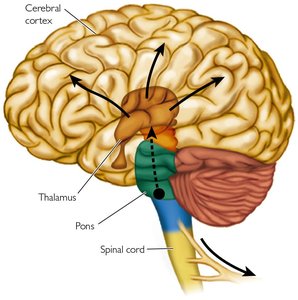
Dreaming and the Forebrain
Alternative theories emphasize the role of the forebrain in dreaming. Damage to the forebrain and parietal lobes can eliminate dreams entirely, even if the pons is intact. Additionally, dreams are often consistent over time, which challenges the randomness predicted by Activation-Synthesis Theory.
Neurocognitive Theory
Neurocognitive theory suggests that dreams are a meaningful product of our cognitive capacities, shaped by neurodevelopment and life experience. Children’s dreams are simple, while adult dreams are more complex and bizarre. The dream continuity hypothesis argues that dreams reflect life experiences, though this is not always consistent.
Cognitive Achievements: Dream complexity increases with cognitive development.
Life Experience: Dreams often mirror real-life events and concerns.
Alterations in Consciousness
Hallucinations
Hallucinations are realistic perceptual experiences in the absence of external stimuli. The brain activates similarly for hallucinations as for real sensory experiences. They are relatively common, with 10-35% of people reporting at least one episode, and can occur due to sensory deprivation, hypoxia, or drug use.
Out-of-Body Experiences (OBE)
An out-of-body experience is the sensation that one’s consciousness has left the body. OBEs are more commonly reported by individuals with other unusual experiences and may occur in various disorders, with medication, or recreational drugs.
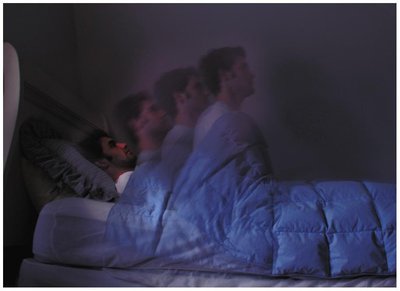
Brain Regions Associated with OBEs
The temporal-parietal junction is implicated in OBEs, as stimulation of this area can induce such experiences.
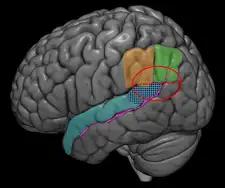
Near-Death Experiences (NDE)
OBEs are often reported during near-death experiences. NDEs differ across cultures based on expectations about the afterlife, but some themes are consistent. NDE-like experiences can also be triggered by drugs, hypoxia, and temporal lobe stimulation.


Déjà Vu
Déjà vu is the feeling of reliving an experience that is actually new. It is very common, with up to two-thirds of people experiencing at least one episode. Possible causes include excess dopamine or small seizures in the temporal lobes, or similarity between new and previous experiences.
Mystical Experiences
Mystical experiences involve a sense of unity or oneness with the world, often religious in nature. They can be induced by fasting, seizures, prayer, or drugs.
Hypnosis
Nature of Hypnosis
Hypnosis is an interpersonal situation in which imaginative suggestions are administered for changes in consciousness. It is useful as adjunctive therapy but less effective alone. About 15-20% of people are highly suggestible, with an equal proportion of low suggestibility.

Common Myths about Hypnosis
Trance State: Hypnosis does not produce a trance state or turn people into mindless robots.
Biological Differences: No biological difference between hypnosis and wakefulness.
Sleeplike State: Hypnosis is not biologically similar to sleep.
Awareness: Most people are fully aware of their surroundings during hypnosis.
Memory Enhancement: Hypnosis increases recall but much of it is inaccurate; it also increases confidence in eyewitnesses.

Theories of Hypnosis
Sociocognitive Theory: Hypnosis is influenced by a person’s attitudes, beliefs, and experiences.
Dissociation Theory: Hypnosis involves a separation between personality functions that are normally well-integrated.
Substance Abuse and Dependence
Definitions and Symptoms
Abuse: Causes recurrent problems associated with drug use.
Dependence: Leads to clinically significant impairment or distress.
Tolerance: Increasing doses are required to achieve the same effect.
Withdrawal: Distressing symptoms emerge when use is discontinued.
Physical Dependence: Related to withdrawal symptoms.
Psychological Dependence: Related to cravings.
Explanations for Use and Abuse
Sociocultural Influences: Acceptance and cultural norms affect use.
Personality Traits: Certain traits influence use, but the concept of an addictive personality is not supported.
Self-Medication: People may use substances to reduce tension or anxiety.
Genetic Influence: Genes affect drug metabolism and experiences.
Types of Psychoactive Drugs
Depressants
Depressants, such as alcohol and sedative-hypnotics, depress the effects of the central nervous system (CNS). Sedatives are calming, while hypnotics are sleep-inducing. Alcohol is the most widely used and abused drug in society, with stimulating effects at low doses and depressant effects at higher doses.
Alcohol
Females experience the effects of alcohol more heavily than males. Expectations about alcohol’s effects also influence social behavior.
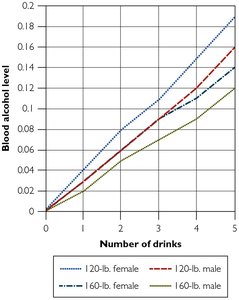
Stimulants
Stimulants rev up the CNS, increasing heart rate, respiration, and blood pressure. Nicotine is highly addictive and activates acetylcholine receptors, providing adjustive value by enhancing positive and minimizing negative emotional reactions.

Cocaine and Amphetamines
Cocaine: Most powerful natural stimulant; increases dopamine and serotonin activity, causing euphoria and enhanced capacity.
Amphetamines: Used occasionally, medically, or in repeated street use; can lead to dependency.
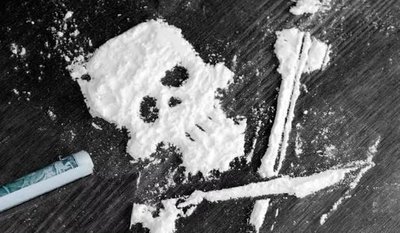
Narcotics
Narcotics, such as opiates (heroin, morphine, codeine), relieve pain and induce sleep. Heroin is the most abused opiate. These drugs are often used medically but can lead to abuse and dangerous interactions with other substances.
Psychedelics
Psychedelics, also called hallucinogens, produce dramatic alterations in perception, mood, and thought. Marijuana is the most used psychedelic in Canada, with effects due to THC. Chronic use can impair cognitive function, but this is reversible. Ecstasy (MDMA) is both stimulant and hallucinogenic, triggering serotonin release and promoting well-being, but long-term abuse can cause depression and neuronal damage.
Summary Table: Types of Psychoactive Drugs
Drug Type | Main Effects | Examples |
|---|---|---|
Depressants | Calming, sleep-inducing, depress CNS | Alcohol, sedative-hypnotics |
Stimulants | Increase CNS activity, heart rate, alertness | Nicotine, cocaine, amphetamines |
Narcotics | Pain relief, sleep induction | Heroin, morphine, codeine |
Psychedelics | Alter perception, mood, thought | Marijuana, ecstasy (MDMA) |
Additional info: Academic context and explanations have been expanded for clarity and completeness.
