 Indietro
Intraoperative Nursing Management: Study Notes for Introduction to Psychology (Biopsychology and Health Contexts)
Guida di studio - Note intelligenti
 Appunti personalizzati basati sui tuoi materiali, ampliati con definizioni chiave, esempi e contesto.
Chapter 15: Intraoperative Nursing Management
The Surgical Team
The surgical team is a multidisciplinary group responsible for patient care during surgery. Each member has specific roles to ensure patient safety and successful outcomes.
Anesthesiologist/CRNA: Administers anesthesia and monitors the patient's vital signs and physiological status throughout the procedure.
Surgeon: Performs the surgical procedure and leads the team.
Nurses (Scrub and Circulating): Scrub nurses maintain the sterile field and provide instruments; circulating nurses coordinate care, manage documentation, and advocate for the patient.
Surgical Technicians and RNFAs: Assist with technical aspects and support the surgeon.
The Patient: Emotional and Physical Considerations
Patients may experience a range of emotions before and during surgery, including anxiety, fear, and stress. These feelings can be influenced by preoperative education and sedation.
Common Fears: Loss of control, pain, death, changes in body image, and lifestyle disruption.
Risks: Surgery can disrupt major body systems and temporarily impair cognitive and self-protective functions.
Nurse's Role: Acts as a patient advocate, ensuring safety, dignity, and emotional support.
Gerontologic Considerations
Older adults are at higher risk for surgical complications due to age-related changes and chronic conditions.
Common Disorders: Congestive heart failure, electrolyte imbalances, diabetes, drug toxicity.
Nursing Management: Use warming techniques, careful positioning, anti-embolic devices, and monitor fluid/electrolyte balance.
Cultural Diversity in the OR
Cultural, ethnic, and religious factors can influence patient care in the operating room.
Medication Restrictions: Some patients may avoid certain products for religious reasons (e.g., porcine-based medications).
Communication: Use certified translators rather than family members to ensure accurate communication.
Roles of the Circulating Nurse and Scrub Nurse
These nurses have distinct but complementary responsibilities in the OR.
Circulating Nurse: Manages the OR environment, verifies consent, coordinates the team, and documents events.
Scrub Nurse: Maintains sterility, prepares instruments, assists the surgeon, and ensures accurate counts of surgical items.
Safety and Infection Prevention
Preventing surgical site infections (SSIs) and maintaining a safe environment are critical in the OR.
Facility Structure: Restricted access, air filtration, and aseptic practices reduce infection risk.
Personnel Practices: Hand hygiene, sterile attire, and environmental cleaning are essential.
Prevention of OR Fires
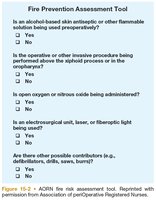
Fire risk in the OR is assessed using a structured tool to identify potential hazards related to flammable solutions, oxygen use, and electrical equipment.
Annual Fire Drills: Ensure staff are familiar with evacuation plans and safety protocols.
Monitoring Hazards: Includes electrical safety, equipment storage, and anesthetic gas management.
Surgical Attire and Zones
The OR is divided into zones with specific attire requirements to maintain sterility and safety.
Unrestricted Zone: Street clothes allowed.
Semirestricted Zone: Scrub clothes and caps required.
Restricted Zone: Full sterile attire, including masks and shoe covers.
Principles of Surgical Asepsis
Surgical asepsis involves the complete absence of microorganisms in the surgical field.
Preparation: Scrubbing hands and arms, wearing sterile gowns and gloves.
Sterilization: All instruments and supplies must be sterilized before use.
Environmental Controls
Maintaining a clean and safe OR environment is essential for infection prevention.
Cleaning: Surfaces are cleaned between cases; equipment is regularly inspected.
Ventilation: Standard ORs have 15 air exchanges per hour; laminar airflow units can provide up to 500 exchanges per hour.
Health Hazards in the Surgical Environment
OR personnel are exposed to various hazards, including faulty equipment, toxic substances, and infectious waste.
Laser Risks: Require protective goggles and masks; safety checklists are used to confirm correct equipment and procedures.
Surgical Smoke: Contains toxic substances; smoke evacuators and N95 masks are recommended for protection.
Robotics in Surgery
Robotic systems are increasingly used for minimally invasive procedures, enhancing precision and reducing recovery time.
Technological Advancements: Include 3D imaging, telesurgery, and remote assistance.
Types of Anesthesia and Sedation
Several types of anesthesia are used in surgery, each with specific indications and risks.
General Anesthesia: Induces unconsciousness and loss of sensation; requires airway management and ventilatory support.
Regional Anesthesia: Blocks sensation in a specific area; patient remains awake.
Moderate Sedation: Depresses consciousness but allows patient to maintain airway and respond to stimuli.
Local Anesthesia: Numbs a small area; minimal systemic effects.
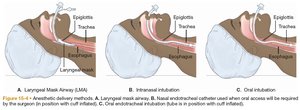
General Anesthesia: Stages and Airway Management
General anesthesia progresses through four stages, from initial sedation to deep CNS depression. Airway management is critical and may involve different techniques.
Stage I: Beginning anesthesia (dizziness, detachment).
Stage II: Excitement (struggling, irregular respirations).
Stage III: Surgical anesthesia (unconsciousness, stable vital signs).
Stage IV: Medullary depression (risk of death without intervention).
Regional Anesthesia: Epidural and Spinal Techniques
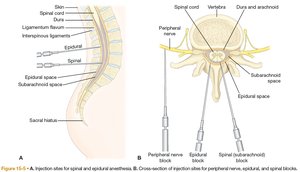
Regional anesthesia involves injecting anesthetic near nerves to block sensation in a region of the body. Epidural and spinal anesthesia are common techniques for lower body procedures.
Epidural: Injected into the epidural space; blocks sensory, motor, and autonomic functions.
Spinal: Injected into the subarachnoid space; used for lower extremities and abdomen.
Peripheral Nerve Blocks: Target specific nerve bundles for localized anesthesia.
Potential Intraoperative Complications
Surgical patients are at risk for several complications, including anesthesia awareness, nausea and vomiting, anaphylaxis, hypoxia, hypothermia, and malignant hyperthermia.
Anesthesia Awareness: Unintended consciousness during surgery; can cause psychological distress.
Nausea and Vomiting: Managed with antiemetics and airway protection.
Anaphylaxis: Severe allergic reaction; requires immediate intervention and latex-free products for sensitive patients.
Hypoxia: Inadequate oxygenation; requires vigilant monitoring and airway management.
Hypothermia: Core temperature below 36.6°C; managed with warming devices and fluids.
Malignant Hyperthermia: Rare, life-threatening reaction to anesthetics; treated with dantrolene and supportive measures.
Clinical Judgment in Intraoperative Nursing
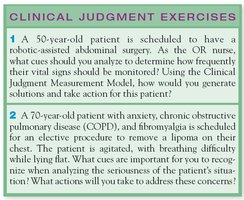
Nurses must use clinical judgment to recognize cues, generate solutions, and take action in complex situations. This includes monitoring for latex allergies, assessing patient anxiety, and responding to complications.
Assessment, Planning, and Evaluation
Intraoperative nurses assess patient status, identify risks, and plan interventions to ensure safety and positive outcomes.
Assessment: Includes physiologic, psychosocial, and ethical factors.
Planning: Goals include reduced anxiety, absence of complications, and maintenance of dignity.
Evaluation: Expected outcomes are decreased anxiety, no positioning injuries, and preserved dignity.
Summary Table: Types of Anesthesia
Type | Method | Patient State | Key Risks |
|---|---|---|---|
General | Inhalation/IV | Unconscious | Respiratory depression, awareness, malignant hyperthermia |
Regional | Epidural/Spinal/Block | Awake (with/without sedation) | Hypotension, headache, nerve injury |
Moderate Sedation | IV | Conscious, drowsy | Respiratory depression (rare) |
Local | Injection/topical | Fully awake | Local toxicity (LAST) |
Key Equations and Concepts
Core Body Temperature for Hypothermia: (98°F)
Incidence of Malignant Hyperthermia: surgeries in adults
Additional info: These notes integrate intraoperative nursing management with psychological and physiological considerations relevant to biopsychology and health psychology, including stress, anxiety, and patient safety in surgical settings.
