 Indietro
Stress, Lifestyle, and Health: Study Guide for Introduction to Psychology
Guida di studio - Note intelligenti
 Appunti personalizzati basati sui tuoi materiali, ampliati con definizioni chiave, esempi e contesto.
Stress, Lifestyle, and Health
What is Stress?
Stress is a multifaceted concept describing unpleasant feeling states and physiological responses to demanding or threatening situations. Definitions of stress can be stimulus-based (focusing on external events) or response-based (emphasizing bodily reactions), but neither fully captures the complexity of stress.
Stimulus-based definition: Stress is a demanding or threatening event or situation.
Response-based definition: Stress is the physiological response to environmental conditions.
Cognitive appraisal: Stress is a process involving how individuals perceive and respond to events they judge as overwhelming or threatening.
Primary appraisal: Judgement about the degree of potential harm or threat a stressor might entail. Secondary appraisal: Judgement of available coping options and their effectiveness.
Stress is likely to occur when a stressor is perceived as highly threatening and coping options are limited.
Good Stress vs. Bad Stress
Stress can be both beneficial and harmful, depending on its level and context.
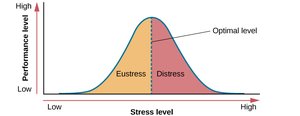
Eustress: Positive stress that motivates and is associated with optimal health and performance.
Distress: Negative stress that leads to burnout, fatigue, and declining performance.
Performance increases with stress up to an optimal level, after which excessive stress leads to distress and reduced performance.
The Prevalence of Stress
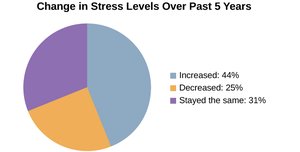
Stress is a common experience, affecting physiological, cognitive, and behavioral responses. Nearly half of U.S. adults report increased stress levels over the past five years.
Physiological responses: Accelerated heart rate, headaches, gastrointestinal problems.
Cognitive responses: Difficulty concentrating, decision-making problems.
Behavioral responses: Alcohol use, smoking, actions to eliminate stressors.
Health Psychology
Health psychology studies the influence of psychological factors on health, illness, and responses to illness. It examines the connection between stress and illness, life choices, intervention effectiveness, and risk groups.
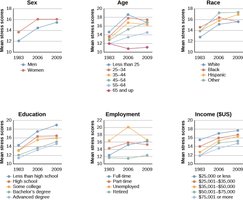
Women, unemployed, less educated, and lower-income individuals report higher stress.
Retired persons report lowest stress levels.
Economic downturns can increase stress in certain demographic groups.
Early Contributions to the Study of Stress
Walter Cannon identified the body's physiological reactions to stress, naming the fight-or-flight response, which prepares individuals to confront or escape threats. This response is produced by activation of the sympathetic nervous system and endocrine system.
Fight-or-flight response: Release of epinephrine and norepinephrine, causing physiological changes for survival.
General Adaptation Syndrome (Hans Selye)
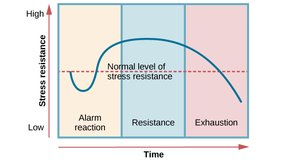
Hans Selye described the body's nonspecific physiological response to stress, known as the general adaptation syndrome, which consists of three stages:
Alarm Reaction: Immediate reaction to a threat, providing energy to manage the situation.
Stage of Resistance: Adaptation to the stressor, with diminished physiological reactions.
Stage of Exhaustion: Depletion of resources, leading to illness or death.
The Physiological Basis of Stress
The sympathetic nervous system triggers arousal via adrenaline release. The hypothalamic-pituitary-adrenal (HPA) axis is activated during stress, leading to cortisol release.
Cortisol: Provides energy during stress but chronic elevation weakens the immune system.
Types of Stressors
Stressors are events or situations that cause stress. They can be chronic or acute, traumatic, related to life changes, daily hassles, or other sources.
Chronic stressors: Persist over time (e.g., long-term unemployment).
Acute stressors: Brief but overwhelming events (e.g., injury).
Traumatic events: Exposure to death, injury, assault, disasters, or accidents; can lead to PTSD.
Life changes: Events requiring significant adjustment (e.g., moving, marriage, divorce).
Daily hassles: Minor irritations (e.g., commuting, minor conflicts).
High stress occupations: Jobs with excessive demands, low control, or exposure to unpleasant elements.
Close relationships: Conflicts, lack of support, or reciprocity.
Stress and Illness
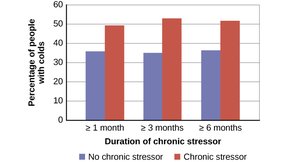
Chronic stress can lead to psychophysiological disorders, weaken the immune system, and increase risk for cardiovascular disease, depression, asthma, and tension headaches.
Psychophysiological disorders: Physical diseases worsened by stress (e.g., tension headaches, asthma, hypertension).
Immunosuppression: Decreased immune effectiveness due to stress hormones.
Autoimmune disease: Immune system attacks healthy cells.
Stress & the Immune System
Psychoneuroimmunology studies how psychological factors affect immune function. Stress hormones inhibit lymphocyte production, weakening immunity.
Stress & Aging
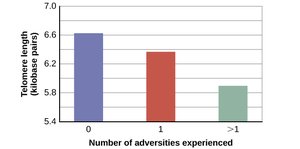
Stress can shorten telomeres, segments of DNA protecting chromosome ends. Shortened telomeres inhibit cell division, leading to accelerated aging.
Cardiovascular Disorders
Stress plays a central role in cardiovascular disorders such as heart disease and hypertension. Negative affectivity and high stress can increase risk.
Hypertension: High blood pressure, often caused by stressors.
Heart disease: Linked to job strain, marital conflict, and negative emotions.
Negative affectivity: Tendency to experience distressing emotions.
Type A & B Personalities
Type A individuals are competitive, driven, impatient, and hostile, and are at higher risk for heart disease. Type B individuals are relaxed and laid back. Anger and hostility are key risk factors for cardiovascular outcomes.
Depression & the Heart
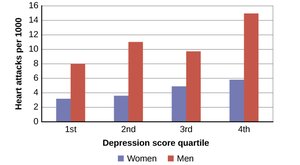
Depression is associated with increased risk of heart disease. Depressed individuals may adopt unhealthy lifestyles, increasing their risk for cardiovascular problems.
Asthma
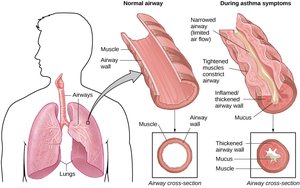
Asthma is a chronic disease involving airway inflammation and narrowing. Psychological factors, including stress and negative emotions, play a significant role in asthma symptoms and attacks.
Coping Styles
Coping styles are strategies individuals use to manage stress. Lazarus and Folkman identified two main types:
Problem-focused coping: Managing or altering the stressor itself; used when stressor is controllable.
Emotion-focused coping: Changing or reducing negative emotions; used when stressor is uncontrollable.
Example: Failing a class: Problem-focused (study more, seek help); Emotion-focused (distract oneself).
Control & Stress
Perceived control over outcomes is crucial for health and happiness. Greater personal control is linked to better physical and mental health, well-being, and lower stress reactivity.
Learned Helplessness
Learned helplessness is the acquired belief that one is powerless to change a situation, often resulting from repeated exposure to uncontrollable stressors. It is considered a possible cause of depression.
Social Support
Social support refers to the comfort, advice, and assistance provided by friends, family, and acquaintances. Strong social relationships are associated with better health outcomes, improved immune function, and reduced blood pressure.
Stress Reduction Techniques
Effective stress reduction techniques include:
Exercise: Reduces stress and increases resistance to its effects.
Meditation and relaxation: Reduces sympathetic arousal and blood pressure.
Biofeedback: Uses electronic equipment to help individuals gain voluntary control over physiological processes.
The Pursuit of Happiness
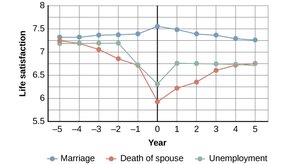
Happiness is an enduring state of well-being, joy, and contentment, with a sense of meaning and value in life. Positive psychology focuses on qualities that promote fulfillment and well-being.
Factors influencing happiness: Age, social relationships, income, religion, culture.
Life events: Dramatic events may cause temporary changes in happiness, but people often adapt over time.
Positive Psychology
Positive psychology seeks to identify and promote qualities leading to greater fulfillment, such as well-being, hope, optimism, love, courage, perseverance, and creativity. Positive affect and optimism are linked to favorable health outcomes.
Positive affect: Engagement with environment, happiness, joy, enthusiasm.
Optimism: Expectation that good things will happen; significant predictor of positive health outcomes.
Flow
Flow is a state of effortless concentration and focus, often experienced during engaging activities. It is associated with happiness and occurs when individuals use skills and knowledge in challenging tasks.
Type of Stressor | Definition | Example |
|---|---|---|
Chronic | Long-lasting, persistent | Long-term unemployment |
Acute | Short-term, intense | Car accident |
Traumatic | Exposure to death/injury | Military combat |
Life Changes | Events requiring adjustment | Marriage, divorce |
Daily Hassles | Minor irritations | Commuting |
Additional info: Academic context was added to clarify definitions, examples, and mechanisms of stress and health, and to ensure completeness for exam preparation.
