 Indietro
Eukaryotic Cells and Microorganisms: Structure, Function, and Diversity - Micro L 2
Guida di studio - Note intelligenti
 Appunti personalizzati basati sui tuoi materiali, ampliati con definizioni chiave, esempi e contesto.
Types of Microorganisms and Taxonomy
Classification of Organisms
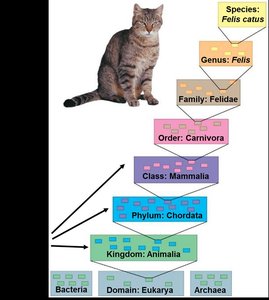
The science of taxonomy organizes living organisms into hierarchical groups based on shared, inherited characteristics. This system allows scientists to classify and name organisms in a standardized way, facilitating communication and study across the biological sciences.
Taxa: Hierarchical groups such as species, genus, family, order, class, phylum, kingdom, and domain.
Binomial nomenclature: Each species is given a two-part scientific name (Genus species), both italicized, with the genus capitalized (e.g., Homo sapiens).
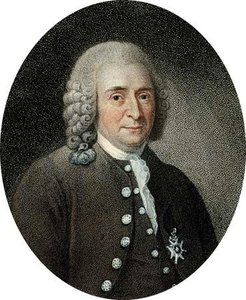
Developed by Carolus Linnaeus in the 18th century.
The Phylogenetic Tree of Life
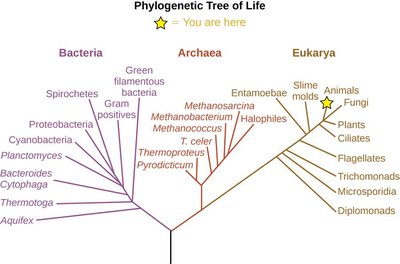
The modern phylogenetic tree of life demonstrates the evolutionary relationships among all living organisms, highlighting the dominance and diversity of microbes.
Three domains: Bacteria, Archaea, and Eukarya.
Microbes are found in all domains, with Eukarya including fungi, protists, plants, and animals.
Major Groups of Microorganisms
Microorganisms are classified into several major groups:
Bacteria (Prokaryotes)
Archaea (Prokaryotes)
Fungi (Eukaryotes)
Protozoa (Eukaryotes)
Algae (Eukaryotes)
Small multicellular animals (Eukaryotes)
Viruses (Acellular; not technically organisms)
Cellular Organization: Prokaryotes vs. Eukaryotes
Basic Components of All Cells
All living cells share several essential features:
Cell (plasma) membrane: Separates the cell from its environment and regulates transport.
Genome: DNA stores genetic information; RNA transmits information for protein synthesis.
Metabolic machinery: Enzymes and structures for synthesizing cell components and generating energy.
Prokaryotic vs. Eukaryotic Cells
Cells are divided into two major types based on structural differences:
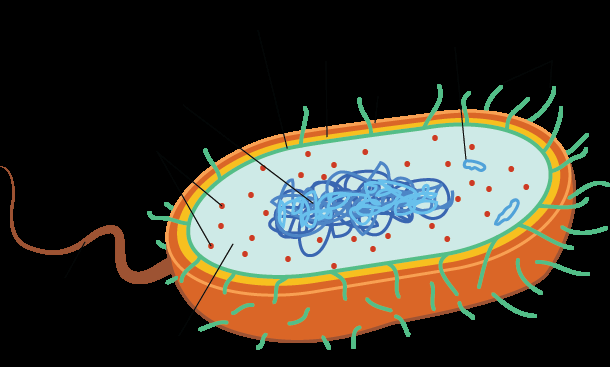
Feature | Prokaryotes | Eukaryotes |
|---|---|---|
Organization | Usually unicellular | Unicellular, colonies, multicellular |
Size | 1-10 μm | 10-100 μm (or more) |
Nucleus | DNA in nucleoid region | Membrane-bound nucleus |
DNA | Circular | Linear chromosomes |
Movement | Flagella (flagellin) | Cilia, flagella (tubulin), pseudopodia |
Membrane-bound organelles | None | Many |
Eukaryotic Cell Structure and Organelles
Compartmentalization and Organelles
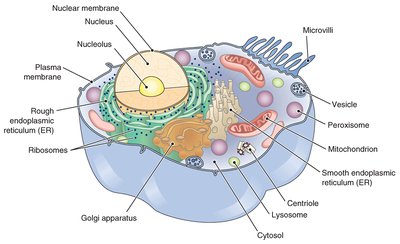
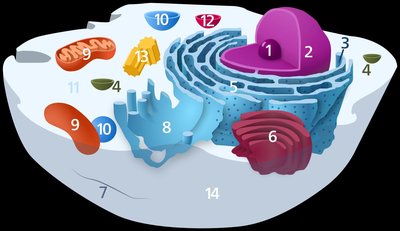
Eukaryotic cells contain multiple membrane-bound organelles, each specialized for distinct cellular functions. This compartmentalization allows for greater complexity and efficiency in cellular processes.
The Nucleus
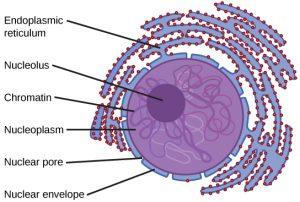
The nucleus is the largest organelle, housing the cell's DNA in linear chromosomes. It is the site of mRNA transcription and ribosome assembly (in the nucleolus).
Ribosomes
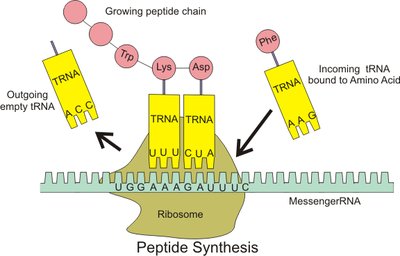
Ribosomes are either free in the cytosol or attached to the rough endoplasmic reticulum (ER). They are the sites of protein synthesis (translation), where mRNA is decoded to build polypeptides.
Central Dogma of Molecular Biology
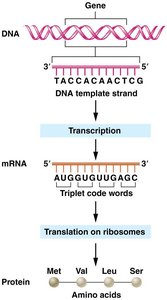
The flow of genetic information in cells follows the central dogma: DNA is transcribed into mRNA, which is then translated into protein.
Transcription: DNA → mRNA
Translation: mRNA → Protein
Endoplasmic Reticulum (ER)
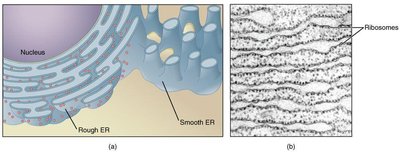
The ER is a network of membranes with two regions:
Rough ER: Studded with ribosomes; site of protein synthesis for membrane-bound or secreted proteins.
Smooth ER: Lacks ribosomes; site of lipid and membrane synthesis.
Golgi Apparatus
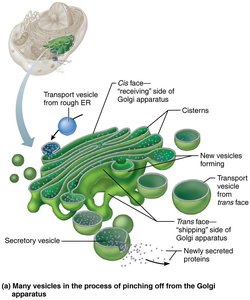
The Golgi apparatus modifies, sorts, and packages proteins received from the rough ER. It also produces specialized vesicles such as lysosomes and peroxisomes, and is a key component of the endomembrane system.
Vesicles
Vesicles are membrane-bound sacs that transport, store, or digest substances within the cell. Types include:
Vacuoles: Store water and other substances.
Transport vesicles: Move materials within the cell.
Secretory vesicles: Carry substances to the cell membrane for exocytosis.
Lysosomes: Contain digestive enzymes for breaking down macromolecules.
Peroxisomes: Contain enzymes to neutralize toxic byproducts of metabolism.
Cytoskeleton
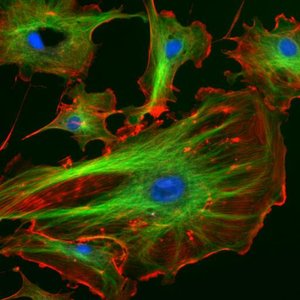
The cytoskeleton is a network of protein fibers that provides structural support, enables cell movement, and assists in cell division.
Major components: microfilaments (actin), intermediate filaments, microtubules.
Centrosome and Cell Division
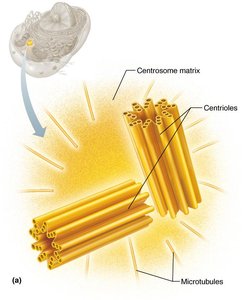
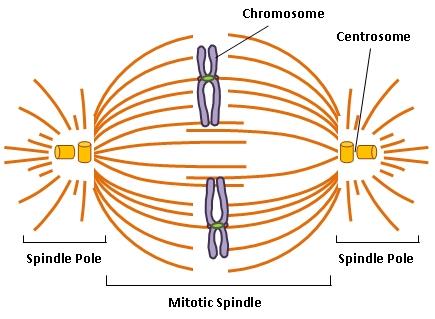
The centrosome contains two centrioles and organizes microtubules during cell division (mitosis and meiosis), ensuring proper chromosome segregation.
Mitochondria
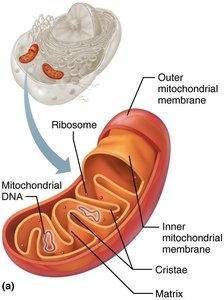
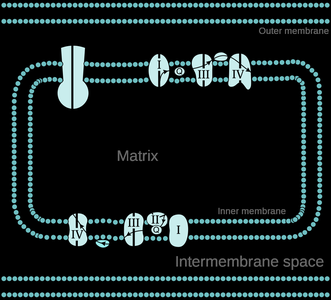
Mitochondria are the "powerhouses" of the cell, conducting most energy-producing reactions of catabolic metabolism. They have a double membrane, with the inner membrane hosting the electron transport chain and ATP synthesis by chemiosmosis.
Cell Membrane Structure and Function
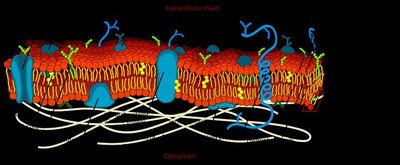
Eukaryotic cell membranes are composed of a phospholipid bilayer with embedded proteins and sterols (e.g., cholesterol). They can form temporary lipid rafts and perform endocytosis (cell eating).
Cell Walls in Eukaryotes
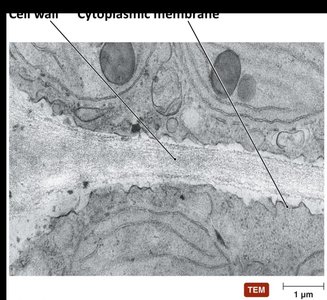
Some eukaryotes have cell walls made of polysaccharides:
Cellulose: Plant cell walls
Chitin: Fungal cell walls
Other polysaccharides: Algal cell walls
Locomotory Structures: Flagella, Cilia, and Pseudopodia
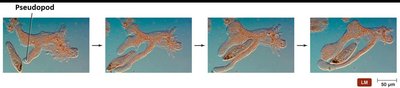
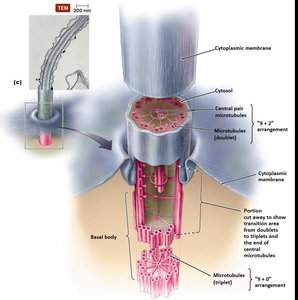
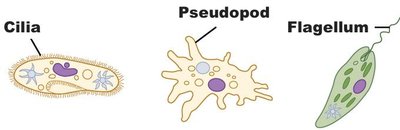
Eukaryotic cells may move using flagella (composed of microtubules), cilia (shorter, whip-like structures), or pseudopodia (cytoskeletal extensions).
Flagella undulate rather than rotate.
Cilia can move the cell or move substances across the cell surface.
Pseudopodia are used for movement and phagocytosis.
Eukaryotic Microbes
Protists
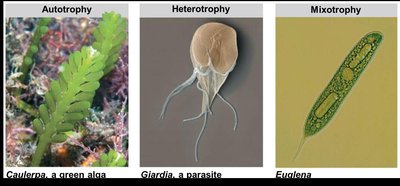
Protists include all eukaryotes that are not plants, animals, or fungi. They are highly diverse, with both unicellular and multicellular forms, and can be heterotrophic, autotrophic, or mixotrophic.
Protozoans
Protozoans are unicellular, eukaryotic organisms without cell walls. They are typically motile and require moist environments. Most are chemoheterotrophic and reproduce asexually.
Motile feeding stage: Trophozoite
Resting stage: Cyst
Some are pathogens (e.g., Plasmodium, Toxoplasma)
Fungi
Fungi are chemoheterotrophic eukaryotes with cell walls made of chitin. They can be unicellular (yeasts), multicellular (molds, mushrooms), or dimorphic. Fungi are essential decomposers and have significant ecological and industrial roles.
Hyphae: Filamentous structures forming mycelium and fruiting bodies.
Septate vs. aseptate hyphae; haustoria for parasitism.
Mycorrhizae: Symbiotic associations with plants.
Industrial uses: Antibiotics, fermentation, food production.
Pathogenic fungi: Cause plant and human diseases.
Additional info: Fungi are critical for nutrient cycling and ecosystem health, and their study is important in medicine, agriculture, and biotechnology.
