 Indietro
Introduction to Anatomy & Physiology: Foundations, Organization, and Homeostasis
Guida di studio - Note intelligenti
 Appunti personalizzati basati sui tuoi materiali, ampliati con definizioni chiave, esempi e contesto.
Introduction to Anatomy & Physiology
Definitions and Relationship
Anatomy is the study of the structure of the body, including the organization of bones, muscles, and organs. Physiology is the study of the function of the body, focusing on how organs and systems work together to sustain life. These two disciplines are closely related, as the structure of a body part often determines its function.
Example (Anatomy): Studying the structure of the heart or the arrangement of muscle fibers.
Example (Physiology): Understanding how nerves transmit signals or how the stomach digests food.
Types of Anatomy
Microscopic Anatomy: Structures too small to be seen without a microscope.
Cytology: Study of individual cells, the simplest units of life.
Histology: Study of tissues, which are groups of similar cells performing a common function.
Macroscopic (Gross) Anatomy: Structures visible to the naked eye, such as organs and organ systems.
Characteristics and Needs of Living Organisms
Major Characteristics of Life
Organization: Living things have distinct boundaries separating them from their environment (e.g., skin in humans, cell membrane in cells).
Responsiveness: Ability to sense and respond to changes in the environment (e.g., moving hand from a hot surface).
Growth and Differentiation: Increase in size and specialization of cells for specific functions.
Movement: Internal (transport of materials) and external (locomotion or manipulation of objects).
Metabolism and Excretion: All chemical processes in the body (metabolism) and removal of waste products (excretion).
Reproduction: Production of new organisms or cells to ensure species continuity.
Levels of Organization in the Human Body
Hierarchical Structure
The human body is organized into several levels, each building upon the previous one:
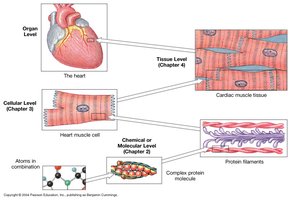
Chemical Level: Atoms combine to form molecules.
Cellular Level: Molecules form organelles and cells, the basic units of life.
Tissue Level: Similar cells group together to form tissues.
Organ Level: Different tissues combine to form organs with specific functions.
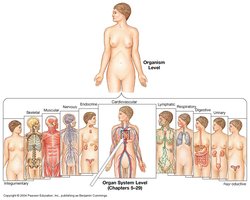
Organ System Level: Organs work together in systems to perform complex functions.
Organism Level: All organ systems function together to sustain the living organism.
Major Body Systems and Their Functions
Overview of Organ Systems
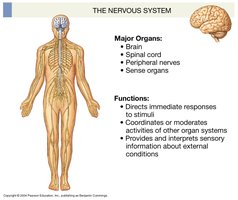
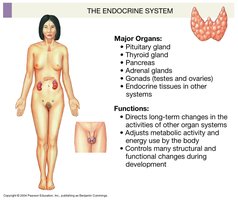
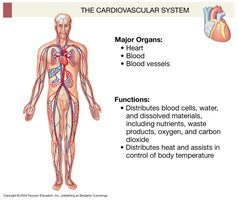
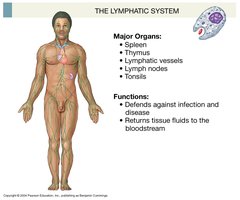
The human body consists of eleven major organ systems, each with specific organs and functions:
System | Main Organs | Primary Functions |
|---|---|---|
Integumentary | Skin | Protection, temperature regulation, prevents infection |
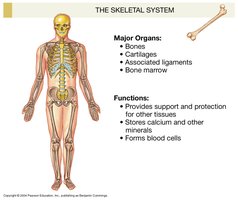
Skeletal | Bones | Support, movement, blood cell formation |
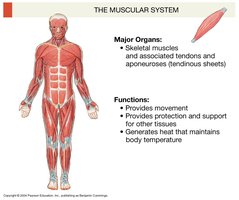
Muscular | Muscles | Movement, heat production |
Nervous | Brain, nerves | Directs stimuli and activities |
Endocrine | Glands (thyroid, etc.) | Hormone regulation |
Cardiovascular | Heart, vessels | Transport of nutrients and wastes |
Lymphatic | Lymph nodes, spleen | Defense, fluid return |
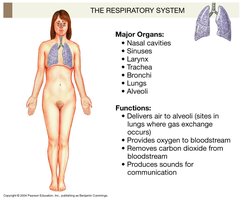
Respiratory | Lungs, nose | Gas exchange |
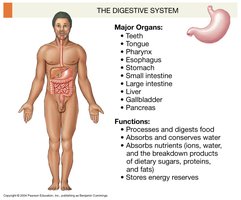
Digestive | Stomach, intestines | Food processing, nutrient absorption |
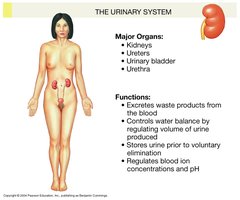
Urinary | Kidneys, bladder | Waste removal |
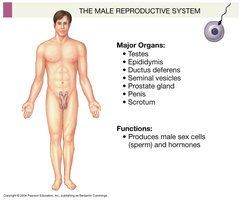
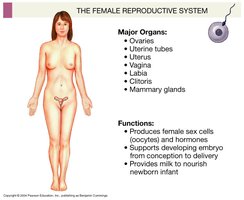
Reproductive | Genitalia | Sex hormone production, reproduction |
Homeostasis and Feedback Mechanisms
Definition and Importance
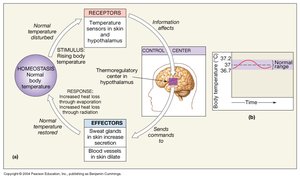
Homeostasis is the maintenance of a stable internal environment, essential for the survival of organisms. The body uses regulatory mechanisms to keep internal conditions within a narrow, healthy range.
Types of Feedback Mechanisms
Negative Feedback: A change in a condition triggers a response that counteracts the initial change, restoring balance.
Example: High blood pressure triggers mechanisms to lower blood pressure.
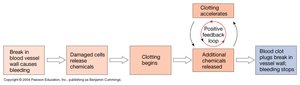
Positive Feedback: A change in a condition triggers a response that amplifies the initial change.
Example: Blood clotting—chemicals released during clotting cause more chemicals to be released, accelerating the process.
Anatomical Position, Body Regions, and Directional Terms
Anatomical Position
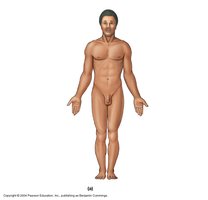
The standard anatomical position is standing upright, facing forward, arms at the sides with palms facing forward. This position is used as a reference for describing locations and directions on the body.
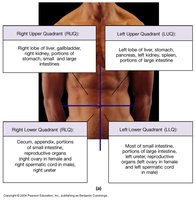
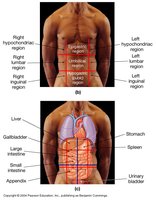
Abdominopelvic Quadrants and Regions
The abdominopelvic area can be divided in two ways:
Quadrants: Right Upper (RUQ), Left Upper (LUQ), Right Lower (RLQ), Left Lower (LLQ)
Regions: Nine regions including right/left hypochondriac, lumbar, inguinal, epigastric, umbilical, and hypogastric regions
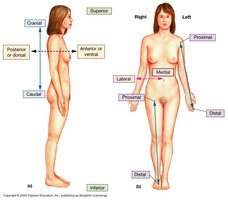
Directional Terms
Anterior (ventral): Toward the front
Posterior (dorsal): Toward the back
Superior: Above
Inferior: Below
Medial: Toward the midline
Lateral: Away from the midline
Proximal: Closer to the trunk
Distal: Farther from the trunk
Superficial: Near the surface
Deep: Away from the surface
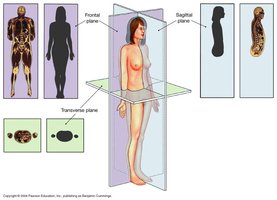
Sectional Anatomy
Frontal (Coronal) Plane: Divides the body into anterior and posterior parts.
Sagittal Plane: Divides the body into right and left parts.
Transverse Plane: Divides the body into superior and inferior parts (cross-section).
Body Cavities
Major Body Cavities and Their Subdivisions
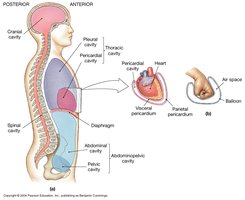
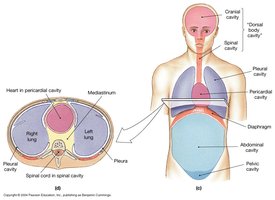
Dorsal Body Cavity: Protects the brain and spinal cord; subdivided into cranial and spinal cavities.
Ventral Body Cavity (Coelom): Houses internal organs; subdivided into:
Thoracic Cavity: Contains pleural cavities (lungs) and pericardial cavity (heart), separated by the mediastinum.
Abdominopelvic Cavity: Contains abdominal (digestive organs) and pelvic (bladder, reproductive organs) cavities.
Key Terms and Concepts
Cytology: Study of cells
Histology: Study of tissues
Gross Anatomy: Study of structures visible to the naked eye
Pathology: Study of disease
Homeostasis: Maintenance of a stable internal environment
Summary Table: Body Systems and Major Organs
System | Major Organs |
|---|---|
Integumentary | Skin, hair, nails |
Skeletal | Bones, cartilage, ligaments, bone marrow |
Muscular | Skeletal muscles, tendons |
Nervous | Brain, spinal cord, nerves, sense organs |
Endocrine | Pituitary, thyroid, pancreas, adrenal glands, gonads |
Cardiovascular | Heart, blood, blood vessels |
Lymphatic | Spleen, thymus, lymph nodes, tonsils |
Respiratory | Nasal cavities, sinuses, larynx, trachea, bronchi, lungs, alveoli |
Digestive | Teeth, tongue, pharynx, esophagus, stomach, intestines, liver, gallbladder, pancreas |
Urinary | Kidneys, ureters, bladder, urethra |
Reproductive (Male) | Testes, epididymis, ductus deferens, seminal vesicles, prostate, penis, scrotum |
Reproductive (Female) | Ovaries, uterine tubes, uterus, vagina, labia, clitoris, mammary glands |
Additional info:
Understanding anatomical terminology and body orientation is essential for clear communication in health sciences.
Homeostatic mechanisms are critical for adaptation and survival in changing environments.
