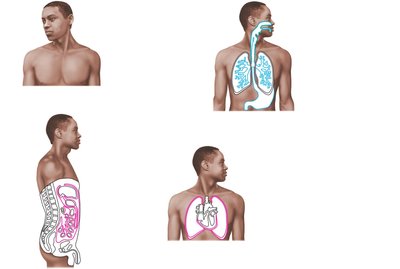
Indietro
Introduction to Anatomy & Physiology: Structural Organization, Homeostasis, and Body Cavities
Guida di studio - Note intelligenti
 Appunti personalizzati basati sui tuoi materiali, ampliati con definizioni chiave, esempi e contesto.
Overview of Anatomy & Physiology
Definition and Scope
Anatomy and physiology are foundational sciences for understanding the human body. Anatomy is the study of the structure of body parts and their relationships to one another, while physiology focuses on the function of the body's structural machinery. Both disciplines are interrelated and essential for medical and health sciences.
Anatomy can be divided into gross (macroscopic) and microscopic anatomy.
Physiology examines how organs and systems work together to maintain life.
Understanding both is crucial for diagnosing and treating diseases.
Levels of Structural Organization
Hierarchy of Complexity
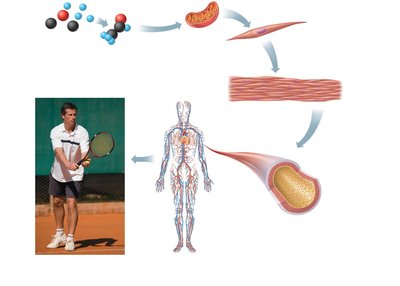
The human body is organized into a hierarchy of structural levels, each building upon the previous. This organization is essential for understanding how the body functions as a whole.
Chemical Level: Atoms combine to form molecules.
Cellular Level: Cells are made up of molecules and are the basic units of life.
Tissue Level: Tissues consist of similar types of cells performing a common function.
Organ Level: Organs are made up of different types of tissues working together.
Organ System Level: Organ systems consist of different organs that work closely together.
Organismal Level: The human organism is made up of many organ systems.
Example: The cardiovascular system includes the heart and blood vessels, which together transport blood throughout the body.
Organ Systems of the Body
Major Systems and Their Functions
The human body contains several organ systems, each with specific functions necessary for survival and health.
Integumentary System: Protects the body from external environment.
Skeletal System: Provides support and structure.
Muscular System: Enables movement.
Nervous System: Controls and coordinates body activities.
Cardiovascular System: Transports nutrients, gases, and wastes.
Lymphatic System: Defends against infection and disease.
Respiratory System: Facilitates gas exchange (oxygen and carbon dioxide).
Digestive System: Breaks down food and absorbs nutrients.
Urinary System: Eliminates waste and regulates water balance.
Reproductive System: Enables reproduction.
Immune System: Protects against pathogens.
Endocrine System: Regulates body functions via hormones.
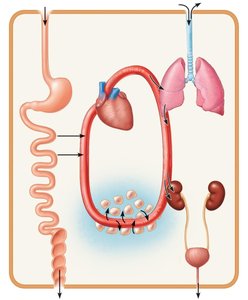
Example: The digestive system takes in nutrients, breaks them down, and eliminates unabsorbed matter as feces.
Homeostasis
Maintaining Internal Stability
Homeostasis is the ability of the body to maintain a relatively stable internal environment despite changes in the external environment. It is vital for normal function and survival.
Homeostatic control mechanisms involve three components:
Receptor: Monitors the environment and detects changes (stimuli).
Control Center: Determines the set point and processes information.
Effector: Provides the means to respond to the stimulus.
Feedback mechanisms regulate homeostasis:
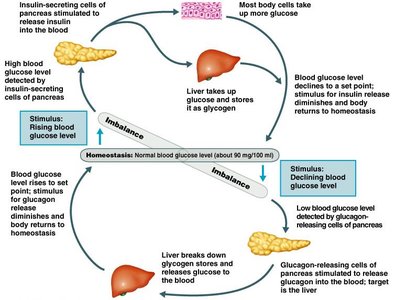
Negative Feedback: The output reduces the effect of the original stimulus, returning the variable to its homeostatic level.
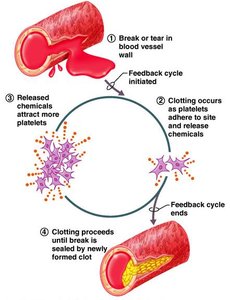
Positive Feedback: The output enhances the original stimulus, often leading to a rapid change.
Example: Regulation of blood glucose via negative feedback.
Example: Blood clotting via positive feedback.
Homeostatic Imbalance
Consequences of Disrupted Equilibrium
Homeostatic imbalance occurs when negative feedback mechanisms are overwhelmed, allowing destructive positive feedback mechanisms to take over. This can lead to disease or dysfunction.
Examples include diabetes (failure to regulate blood glucose) and heart failure.
Maintaining homeostasis is essential for health.
Body Cavities and Membranes
Organization of Internal Spaces
The body is divided into cavities that house organs and provide protection. These cavities are lined by membranes that reduce friction and protect internal structures.
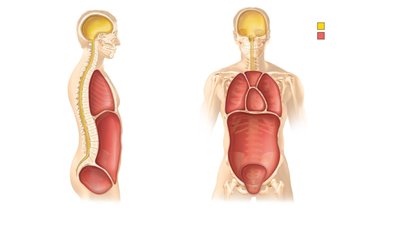
Dorsal Body Cavity: Contains the cranial cavity (brain) and vertebral cavity (spinal cord).
Ventral Body Cavity: Includes the thoracic cavity (heart and lungs) and abdominopelvic cavity (digestive organs, urinary bladder, reproductive organs).
Membranes: Parietal and visceral serosae line the cavities and cover organs, separated by a serous fluid-filled space.
Example: The pericardial membrane surrounds the heart, with parietal and visceral layers.
Classes of Membranes
Types and Functions
Membranes are specialized structures that line body cavities and surfaces, providing protection and facilitating function.
Cutaneous Membrane: The skin, covering the body surface.
Mucous Membranes: Line body cavities open to the exterior (e.g., nasal cavity, mouth, esophagus).
Serous Membranes: Line body cavities closed to the exterior (e.g., pericardium, pleura, peritoneum).
Each membrane has parietal (lining cavity) and visceral (covering organ) layers.
Example: The pleura surrounds the lungs, with parietal pleura lining the thoracic cavity and visceral pleura covering the lungs.