 Indietro
Viruses: Structure, Classification, and Life Cycles - Micro L 3
Guida di studio - Note intelligenti
 Appunti personalizzati basati sui tuoi materiali, ampliati con definizioni chiave, esempi e contesto.
Viruses: General Characteristics
Definition and Unique Features
Viruses are acellular infectious agents that are fundamentally different from cellular life forms such as bacteria, archaea, and eukaryotes. They are obligate intracellular parasites, meaning they require a host cell to reproduce. Viruses do not possess organelles, a cytoplasmic membrane, or ribosomes, and they lack independent metabolism and growth.
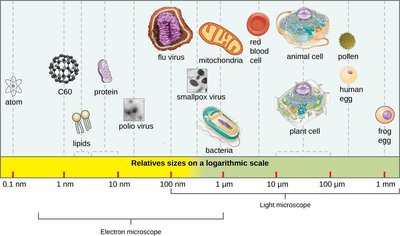
Size: Extremely small, typically 10–500 nm in diameter.
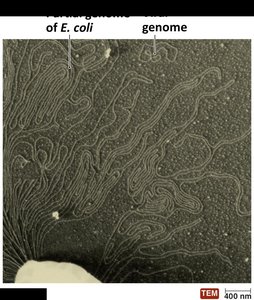
Genome: Composed of either DNA or RNA, but never both.
Replication: Dependent on host cell machinery for reproduction.
Growth: Do not grow or divide; instead, they assemble from pre-formed components.
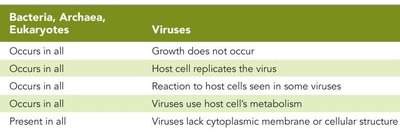
Bacteria, Archaea, Eukaryotes | Viruses |
|---|---|
Occurs in all | Growth does not occur |
Occurs in all | Host cell replicates the virus |
Occurs in all | Reaction to host cells seen in some viruses |
Occurs in all | Viruses use host cell's metabolism |
Present in all | Viruses lack cytoplasmic membrane or cellular structure |
Discovery of Viruses
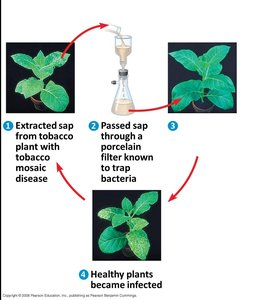
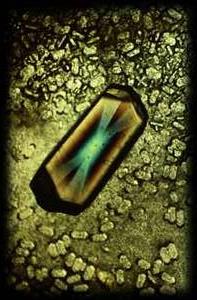
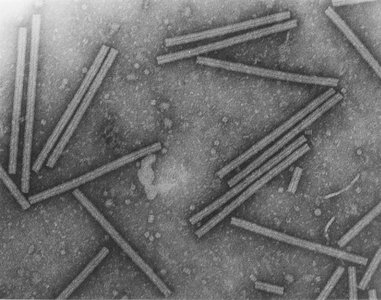
The discovery of viruses began with studies on the tobacco mosaic disease. Ivanowski and Beijerinck (1890s) demonstrated that the infectious agent could pass through filters that trapped bacteria, leading to the term virus (Latin for 'poison'). Wendell Stanley later crystallized the tobacco mosaic virus (TMV) in 1935, confirming its non-cellular nature. The development of the electron microscope allowed direct visualization of viruses.
Viral Specificity and Host Range
Viruses exhibit host specificity (tissue tropism), infecting only certain cell types within a host species. This specificity is determined by interactions between viral surface proteins and complementary host cell receptors. Some viruses are generalists, infecting multiple species, while others are highly specific.
Bacteriophages (phages): Infect bacteria.
Plant viruses: Infect and damage crops.
Fungal viruses: May lack an extracellular state.
Viral Structure
Virion and Its Components
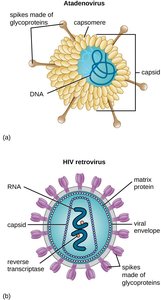
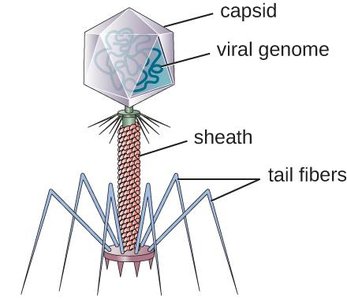
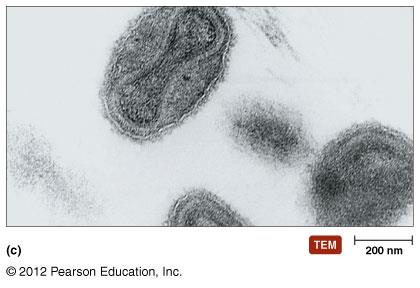
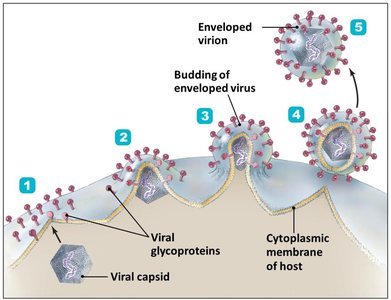
The virion is the extracellular, infectious form of a virus. It consists of a capsid (protein coat) surrounding the nucleic acid genome. Some viruses possess a phospholipid envelope derived from the host cell membrane, while others are 'naked' (non-enveloped). Inside the host cell, the virus may exist only as nucleic acid.
Size Comparison
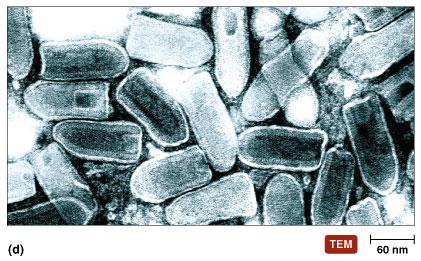
Viruses are much smaller than cells and most organelles, requiring electron microscopy for visualization.
Capsid Structure and Additional Features
Capsomeres: Protein subunits forming the capsid.
Spike proteins: Facilitate host recognition and attachment.
Enzymes: Some viruses carry enzymes (e.g., RNA polymerase) necessary for replication, especially RNA viruses.
Capsid Shapes
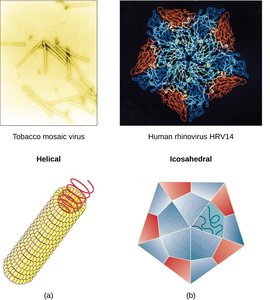
Helical: Rod-shaped, with capsomeres arranged in a spiral (e.g., tobacco mosaic virus).
Polyhedral (Icosahedral): Spherical, with 20 triangular faces (e.g., human rhinovirus).
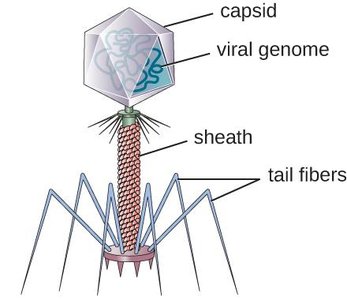
Complex: Bacteriophages and some large viruses have complex structures with additional components for host cell penetration.
Viral Classification
Viruses are classified primarily by their genome type:
dsDNA: Double-stranded DNA
ssDNA: Single-stranded DNA
dsRNA: Double-stranded RNA
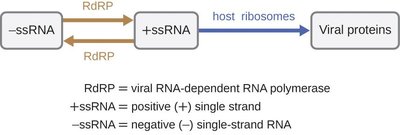
+ssRNA: Single-stranded RNA, sense-oriented
-ssRNA: Single-stranded RNA, antisense-oriented
Viral Life Cycle
The Lytic Cycle
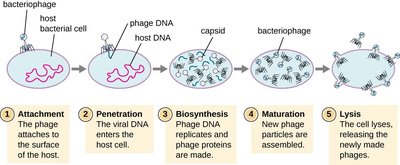
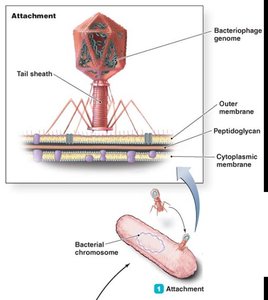
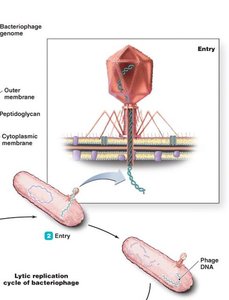
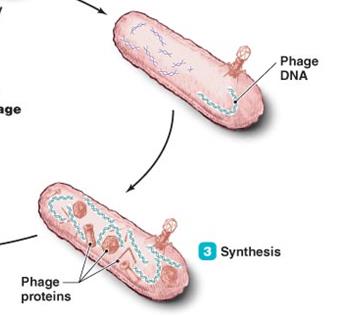
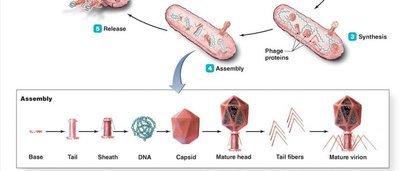
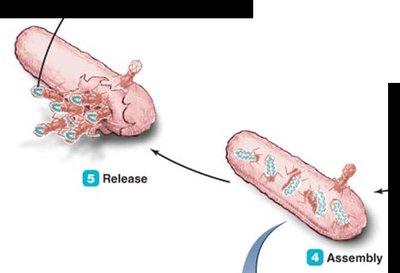
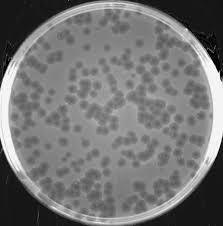
The lytic cycle is the most common form of viral replication, especially in virulent bacteriophages. It results in the destruction (lysis) of the host cell and the release of new virions. The cycle consists of five stages:
Attachment: Virus binds to specific host cell receptors.
Penetration (Entry): Viral genome (and sometimes enzymes) enter the host cell.
Biosynthesis: Host machinery is hijacked to replicate viral genomes and synthesize viral proteins.
Maturation (Assembly): New virions are assembled from synthesized components.
Lysis (Release): Host cell is lysed, releasing new virions.
Viral Growth Curve
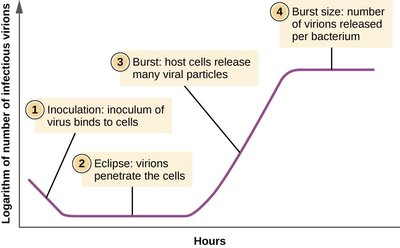
The viral growth curve demonstrates the stages of infection, including the eclipse phase (no detectable virions), burst phase (release of virions), and burst size (number of virions released per cell).
The Lysogenic Cycle
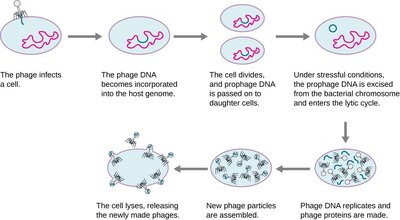
Temperate phages can undergo a lysogenic cycle, in which the viral genome integrates into the host genome as a prophage. The host cell survives and divides, passing the prophage to daughter cells. Environmental stress can induce the prophage to enter the lytic cycle.
Lysogenic conversion: Prophage genes can confer new properties to the host, such as toxin production or resistance to further infection.
Animal Viruses
Animal Virus Life Cycle
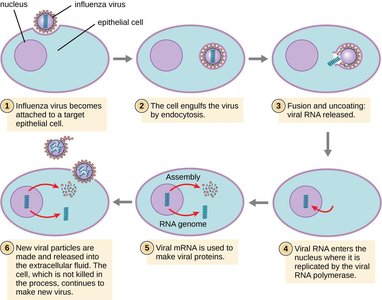
Animal viruses follow a similar life cycle to bacteriophages but with some differences in entry, biosynthesis, and release. Attachment is mediated by spike proteins binding to host cell receptors. Entry may occur via endocytosis or membrane fusion.
Biosynthesis Strategies
dsDNA viruses: Often replicate in the host nucleus.
RNA viruses: Usually replicate in the cytoplasm and require a viral RNA polymerase.
Release of Animal Viruses
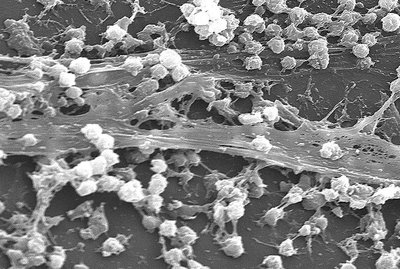
Enveloped viruses: Released by budding from the host cell membrane, allowing persistent infections without immediate cell death.
Naked viruses: Released by exocytosis or lysis, often destroying the host cell.
Retroviruses
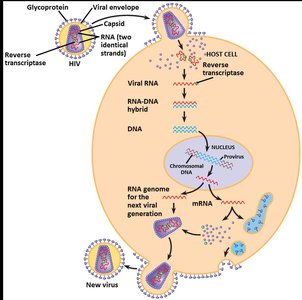
Retroviruses are +ssRNA viruses that use reverse transcriptase to synthesize a dsDNA copy of their genome, which integrates into the host genome as a provirus. This is similar to lysogenic prophages in bacteria. HIV is a well-known example.
Latent Infections
Some animal viruses can establish latent infections, remaining dormant within the host for extended periods. Most latent viruses do not integrate into the host genome but can reactivate to cause acute or chronic disease (e.g., herpesviruses, HPV, hepatitis B/C).
