
Domanda del libro di testo
Mark the following statements as true or false. If a statement is false, correct it to make a true statement.
The effects of negative feedback loops are amplified to create an escalating response.
744
views

 Guida verificata passo dopo passo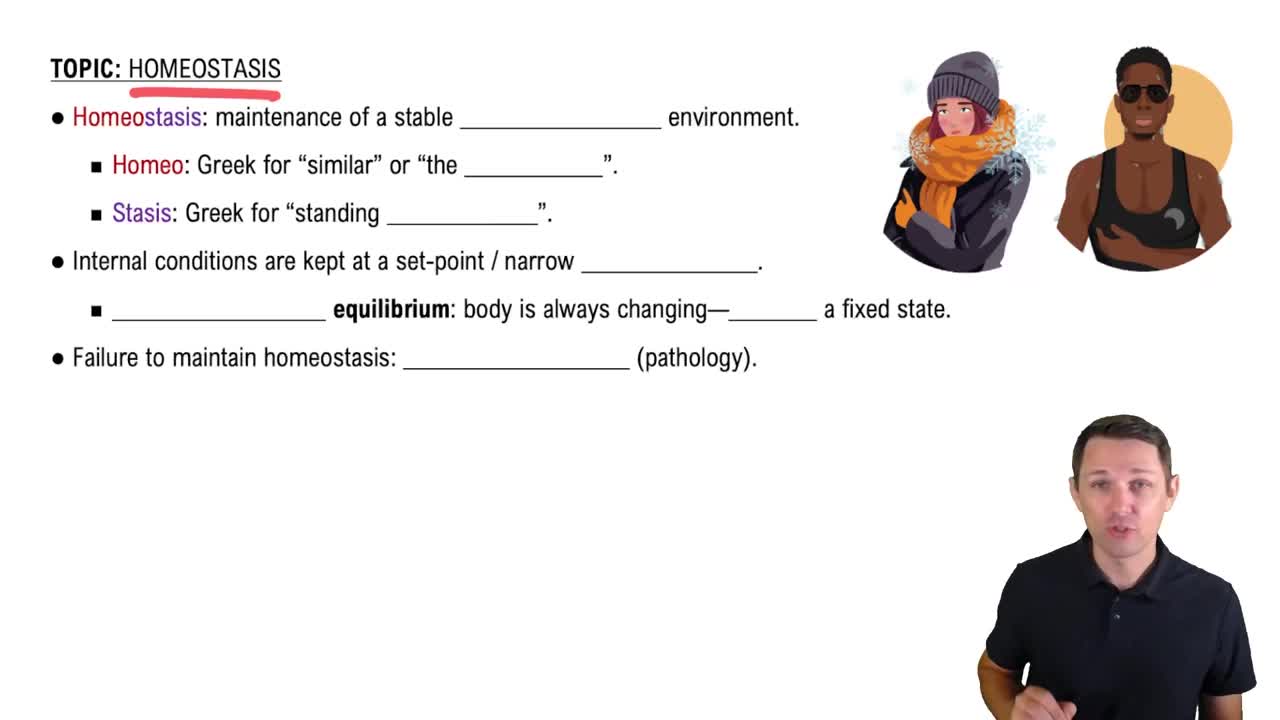
 01:59
01:59 01:59
01:59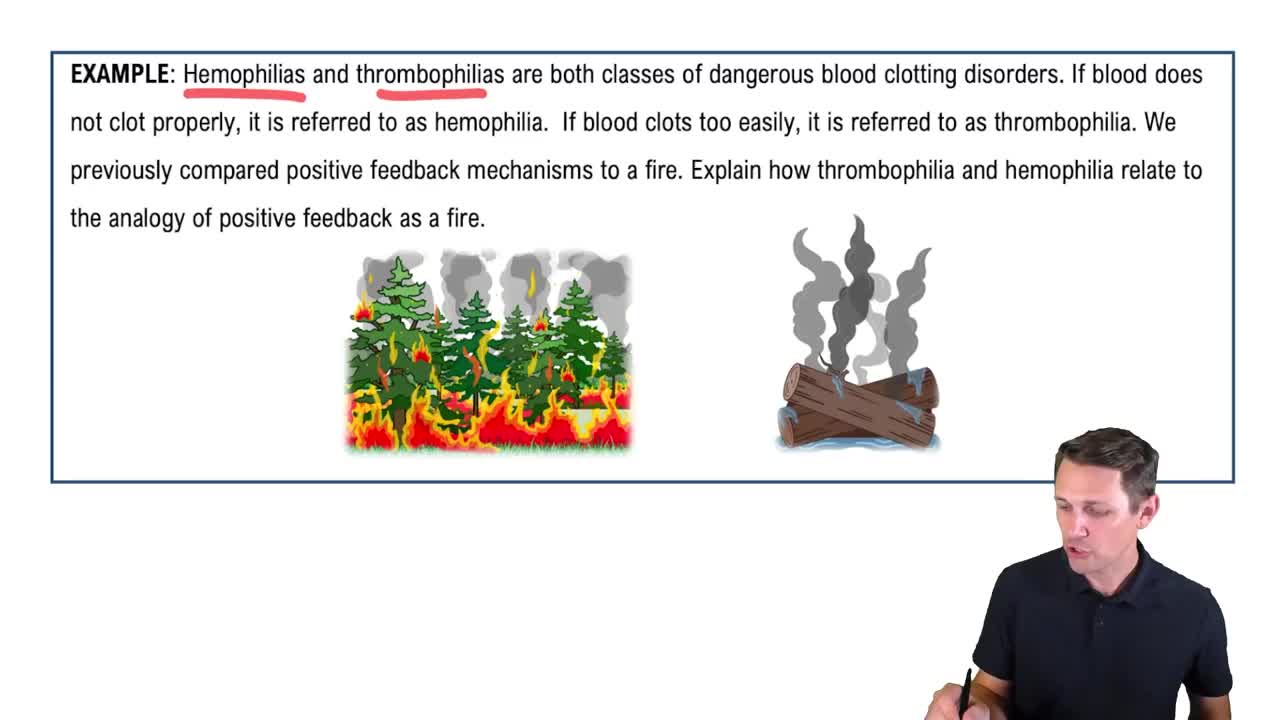 02:43
02:43Mark the following statements as true or false. If a statement is false, correct it to make a true statement.
The effects of negative feedback loops are amplified to create an escalating response.
In which of the following cavities do serous membranes envelop the organs?
(Circle all that apply.)
a. Mediastinum
b. Pericardial cavity
c. Peritoneal cavity
d. Abdominal cavity
e. Pelvic cavity
f. Pleural cavity
Which organs would you expect to find in the left upper quadrant?
a. Spleen, liver, appendix
b. Liver, ovary, spleen
c. Spleen, stomach, pancreas
d. Gallbladder, liver, large intestine
Mark the following statements as true or false. If a statement is false, correct it to make a true statement.
Cell-cell communication is required to coordinate the activities of the whole body.
Mark the following statements as true or false. If a statement is false, correct it to make a true statement.
Structure and function are closely related at the organ level only.
Mark the following statements as true or false. If a statement is false, correct it to make a true statement.
Positive feedback loops are triggered by a deviation from the set point of a regulated variable and are shut down when conditions return to the set point.