

Ch. 25 Fluid, Electrolyte, and Acid-Base Homeostasis
Amerman - Human Anatomy & Physiology 2nd Edition
Amerman2nd EditionHuman Anatomy & PhysiologyISBN: 9780136873822Non è quello che usi tu?Cambia libro di testo
Capitolo 25, Problema 6c

Mark the following statements as true or false. If a statement is false, correct it to make a true statement.
c. The main hormone that regulates fluid balance is antidiuretic hormone (ADH).

Guida verificata passo dopo passo
1
Step 1: Understand the statement provided. The statement claims that the main hormone regulating fluid balance is antidiuretic hormone (ADH).
Step 2: Recall the role of ADH in the body. ADH, also known as vasopressin, is secreted by the posterior pituitary gland and plays a key role in regulating water balance by increasing water reabsorption in the kidneys.
Step 3: Evaluate whether ADH is the 'main' hormone regulating fluid balance. While ADH is crucial for water retention, other hormones like aldosterone (which regulates sodium and water reabsorption) and atrial natriuretic peptide (ANP, which promotes water excretion) also contribute to fluid balance.
Step 4: Determine the truth of the statement. The statement is true because ADH is indeed one of the primary hormones involved in regulating fluid balance, particularly in response to dehydration or high plasma osmolality.
Step 5: If the statement were false, the correction would involve specifying another hormone or clarifying the role of multiple hormones in fluid balance. For example, 'The main hormone that regulates fluid balance is aldosterone' would be false, as aldosterone primarily regulates sodium and indirectly affects water balance.

Risposta video verificata per un problema simile:

Questa soluzione video è stata consigliata dai nostri tutor come utile per risolvere questo problema.

Concetti chiave

Ecco i concetti essenziali che devi comprendere per rispondere correttamente alla domanda.

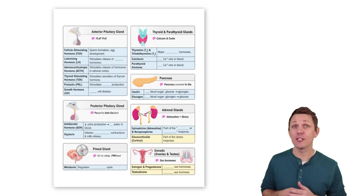
Antidiuretic Hormone (ADH)

Antidiuretic hormone (ADH), also known as vasopressin, is a hormone produced by the hypothalamus and released by the posterior pituitary gland. It plays a crucial role in regulating the body's fluid balance by promoting water reabsorption in the kidneys, thus concentrating urine and reducing water loss. Understanding ADH is essential for grasping how the body maintains homeostasis in fluid levels.
Video consigliato:
13:06
Review of Major Hormones

Fluid Balance

Fluid balance refers to the equilibrium between the intake and output of fluids in the body, which is vital for maintaining physiological functions. It involves the regulation of water and electrolytes, ensuring that cells and organs operate effectively. Disruptions in fluid balance can lead to conditions such as dehydration or edema, highlighting the importance of hormones like ADH in this process.
Video consigliato:
Percorso guidato
07:16
Osmoregulation and Nitrogenous Waste

Homeostasis

Homeostasis is the process by which biological systems maintain stability while adjusting to changing external conditions. It encompasses various physiological mechanisms, including temperature regulation, pH balance, and fluid regulation. Hormones like ADH are integral to homeostasis, as they help the body respond to fluctuations in hydration and osmotic pressure, ensuring optimal functioning.
Video consigliato:
01:59
Introduction to Homeostasis