
Ch. 2 Chemistry Comes Alive
Hoehn - Marieb Human Anatomy & Physiology, 12th edition
Hoehn, Haynes, Abbott12th EditionMarieb Human Anatomy & PhysiologyISBN: 9780138242732Non è quello che usi tu?Cambia libro di testo
Capitolo 2, Problema 24

Some antibiotics act by binding to certain essential enzymes in the target bacteria.
a. How might these antibiotics influence the chemical reactions controlled by the enzymes?
b. What is the anticipated effect on the bacteria? On the person taking the antibiotic prescription?

Guida verificata passo dopo passo
1
Step 1: Understand the role of enzymes in chemical reactions. Enzymes are biological catalysts that speed up chemical reactions by lowering the activation energy required for the reaction to occur. In bacteria, these enzymes are essential for processes like cell wall synthesis, DNA replication, and energy production.
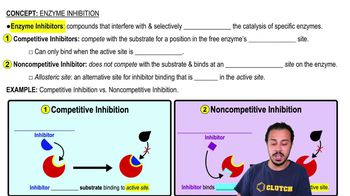
Step 2: Analyze how antibiotics interact with bacterial enzymes. Some antibiotics work by binding to the active site or allosteric site of bacterial enzymes, preventing them from functioning properly. This inhibition disrupts the enzyme's ability to catalyze its specific reaction, effectively halting critical metabolic processes in the bacteria.
Step 3: Determine the effect on the bacteria. When essential enzymes are inhibited, the bacteria cannot perform vital functions such as building their cell walls or replicating their DNA. This leads to bacterial death or an inability to reproduce, effectively stopping the infection.
Step 4: Consider the effect on the person taking the antibiotic. Antibiotics are designed to target bacterial enzymes specifically, minimizing harm to human cells. However, side effects may occur if the antibiotic affects beneficial bacteria in the body (e.g., gut microbiota) or if the person has an allergic reaction to the medication.
Step 5: Reflect on the importance of proper antibiotic use. Overuse or misuse of antibiotics can lead to antibiotic resistance, where bacteria evolve mechanisms to evade the effects of the drug. This highlights the need for responsible prescription and adherence to treatment guidelines.

Risposta video verificata per un problema simile:

Questa soluzione video è stata consigliata dai nostri tutor come utile per risolvere questo problema.
Durata del video:
2m

Concetti chiave

Ecco i concetti essenziali che devi comprendere per rispondere correttamente alla domanda.

Enzyme Inhibition

Enzyme inhibition occurs when a molecule, such as an antibiotic, binds to an enzyme and decreases its activity. This can happen through competitive inhibition, where the inhibitor competes with the substrate for the active site, or non-competitive inhibition, where the inhibitor binds to a different site, altering the enzyme's function. By inhibiting essential enzymes, antibiotics disrupt the normal biochemical pathways in bacteria.
Video consigliato:
Percorso guidato
05:03
Enzyme Inhibition

Antibiotic Mechanism of Action

Antibiotics can target specific bacterial processes, such as cell wall synthesis, protein synthesis, or nucleic acid replication. By binding to essential enzymes involved in these processes, antibiotics can effectively halt bacterial growth or kill the bacteria. Understanding the mechanism of action helps predict the effectiveness of the antibiotic and the potential for resistance development.
Video consigliato:
03:53
Action Potential

Impact on Host and Microbiome

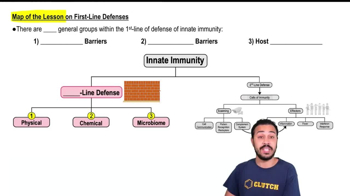
While antibiotics target bacteria, they can also affect the host's microbiome, which consists of beneficial bacteria. Disruption of the microbiome can lead to side effects such as gastrointestinal issues or opportunistic infections. Additionally, the effectiveness of antibiotics in treating infections can influence the overall health of the person taking them, highlighting the importance of responsible antibiotic use.
Video consigliato:
Percorso guidato
1:37
Map of the Lesson on First-Line Defenses