Ch. 7 The Skeleton
Marieb - Human Anatomy & Physiology 11th Edition
Marieb, Hoehn11th EditionHuman Anatomy & PhysiologyISBN: 9780136874034Non è quello che usi tu?Cambia libro di testo
Capitolo 7, Problema 6

Which ribs are floating ribs and why are they called that?

Guida verificata passo dopo passo
1
Identify the total number of ribs in the human rib cage, which is 12 pairs, and understand their general classification into true ribs, false ribs, and floating ribs.
Recognize that floating ribs are specifically the 11th and 12th pairs of ribs in the rib cage.
Understand that floating ribs are called 'floating' because they do not attach to the sternum or to other ribs via cartilage, unlike true and false ribs.
Note that floating ribs are only attached to the vertebrae at the back and have free anterior ends, which is why they appear to 'float' without anterior connection.
Summarize that the floating ribs provide protection to the kidneys and other posterior organs but have more mobility due to their lack of anterior attachment.

Risposta video verificata per un problema simile:

Questa soluzione video è stata consigliata dai nostri tutor come utile per risolvere questo problema.
Durata del video:
1m

Concetti chiave

Ecco i concetti essenziali che devi comprendere per rispondere correttamente alla domanda.

Floating Ribs

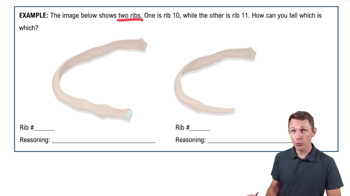
Floating ribs are the last two pairs of ribs (11th and 12th) in the rib cage that do not attach to the sternum or to other ribs in the front of the body. They are shorter and only connected to the vertebrae at the back.
Video consigliato:
2:45
The Thoracic Cage Example 1

Anatomical Attachment of Ribs

Ribs typically connect to the thoracic vertebrae at the back and to the sternum at the front via costal cartilage. Floating ribs lack this anterior attachment, which distinguishes them from true and false ribs.
Video consigliato:
02:33
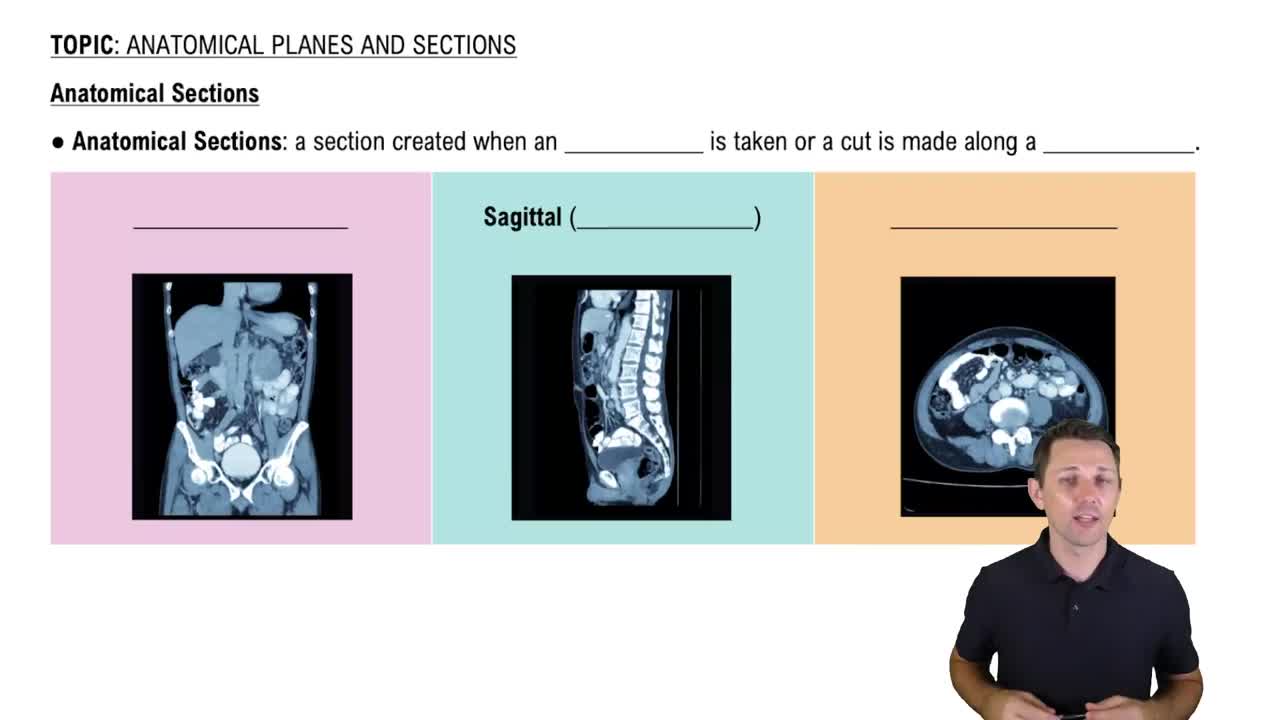
Anatomical Sections

Reason for the Term 'Floating'

They are called 'floating' ribs because their anterior ends are free and do not connect to the sternum or other ribs, giving the appearance that they 'float' without a front anchor.
Video consigliato:
03:00
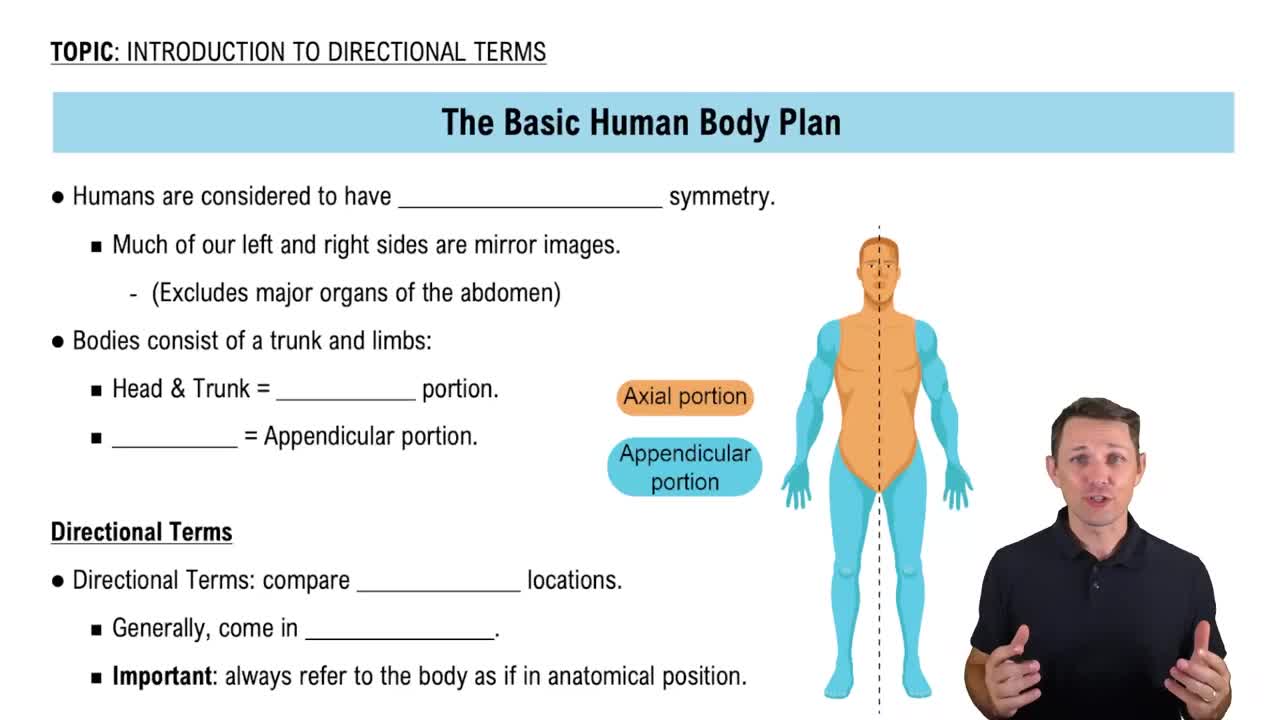
Introduction to Directional Terms