Ch. 18 The Endocrine System
Martini - Fundamentals of Anatomy & Physiology 12th Edition
Martini, Nath, Bartholomew12th EditionFundamentals of Anatomy & PhysiologyISBN: 9780137854011Non è quello che usi tu?Cambia libro di testo
Capitolo 18, Problema 16

What are the four opposing effects of natriuretic peptides and angiotensin II?

Guida verificata passo dopo passo
1
Step 1: Understand the roles of natriuretic peptides and angiotensin II in the body. Natriuretic peptides generally promote the excretion of sodium and water to reduce blood volume and pressure, while angiotensin II acts to increase blood volume and pressure through various mechanisms.
Step 2: Identify the first opposing effect: Natriuretic peptides cause vasodilation (widening of blood vessels), which lowers blood pressure, whereas angiotensin II causes vasoconstriction (narrowing of blood vessels), which raises blood pressure.
Step 3: Identify the second opposing effect: Natriuretic peptides promote natriuresis and diuresis (excretion of sodium and water by the kidneys), reducing blood volume, while angiotensin II promotes sodium and water retention by stimulating aldosterone release, increasing blood volume.
Step 4: Identify the third opposing effect: Natriuretic peptides inhibit the secretion of renin and aldosterone, thereby suppressing the renin-angiotensin-aldosterone system (RAAS), whereas angiotensin II stimulates aldosterone secretion, activating RAAS.
Step 5: Identify the fourth opposing effect: Natriuretic peptides reduce sympathetic nervous system activity, leading to decreased heart rate and contractility, while angiotensin II enhances sympathetic activity, increasing heart rate and contractility.

Risposta video verificata per un problema simile:

Questa soluzione video è stata consigliata dai nostri tutor come utile per risolvere questo problema.

Concetti chiave

Ecco i concetti essenziali che devi comprendere per rispondere correttamente alla domanda.

Natriuretic Peptides

Natriuretic peptides are hormones produced by the heart that promote sodium excretion, reduce blood volume, and lower blood pressure. They act by dilating blood vessels and inhibiting the renin-angiotensin-aldosterone system, counteracting fluid retention and vasoconstriction.
Video consigliato:
Percorso guidato
2:45
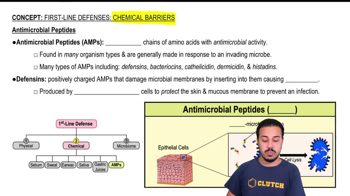
Antimicrobial Peptides

Angiotensin II

Angiotensin II is a potent vasoconstrictor hormone that increases blood pressure by narrowing blood vessels, stimulating aldosterone release, and promoting sodium and water retention. It plays a key role in the renin-angiotensin-aldosterone system to maintain blood volume and pressure.
Video consigliato:
Percorso guidato
11:30
Renin-Angiotensin-Aldosterone-System

Opposing Effects on Blood Pressure and Fluid Balance

Natriuretic peptides and angiotensin II have opposing effects on blood pressure and fluid balance: natriuretic peptides lower blood pressure and promote sodium excretion, while angiotensin II raises blood pressure and encourages sodium retention. Understanding these contrasts is essential to grasp cardiovascular and renal regulation.
Video consigliato:
Percorso guidato
02:59
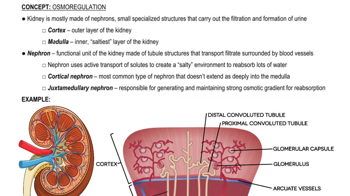
Kidney and Nephron