 Indietro
Ch.28 Pt2 Diversification of Land Plants: Adaptations and Evolutionary Innovations
Guida di studio - Note intelligenti
 Appunti personalizzati basati sui tuoi materiali, ampliati con definizioni chiave, esempi e contesto.
Diversification of Land Plants
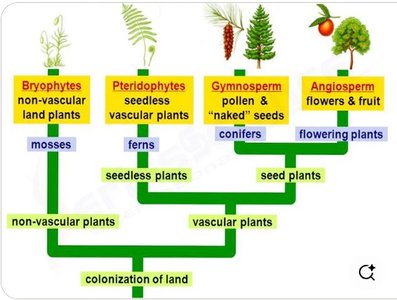
Major Groups of Land Plants
Land plants are classified into four main groups based on their evolutionary adaptations and reproductive strategies. These groups reflect the major innovations that allowed plants to colonize and thrive on land.
Non-vascular plants (Bryophytes): Simpler structure, lack vascular tissue.
Seedless vascular plants (Pteridophytes): Possess vascular tissue but do not produce seeds.
Gymnosperms: Vascular plants that produce seeds not enclosed in fruits ("naked seeds").
Angiosperms: Vascular plants that produce seeds enclosed within fruits and flowers; most diverse group.
Non-Vascular Plants (Bryophytes)
Key Features and Adaptations
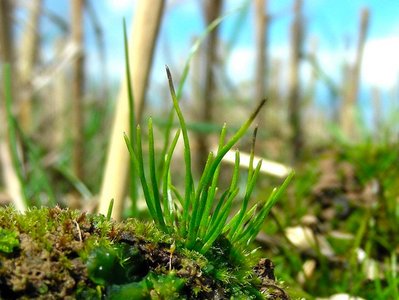
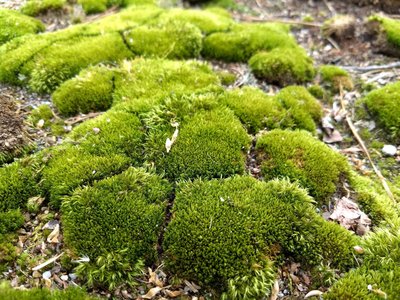
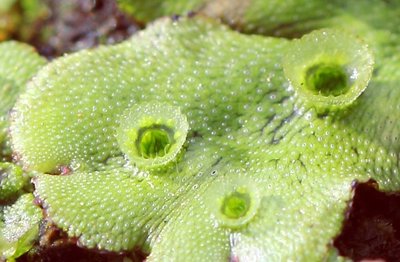
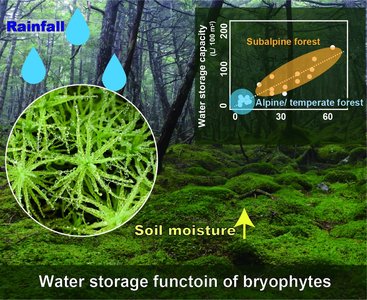
Non-vascular plants include mosses, liverworts, and hornworts. They are among the earliest land plants and exhibit several adaptations for terrestrial life, though they remain dependent on moist environments.
Waxy covering (cuticle): Reduces water loss from the plant body.
Special pores: Allow for gas exchange while minimizing water loss.
Flavonoids: Pigments that protect DNA from UV radiation.
Rhizoids: Hair-like structures that anchor the plant to the substrate.
Reproduction: Both sexual and asexual reproduction require water for sperm motility and spore dispersal.
Dependence on Water
Photosynthesis: Water acts as the electron donor.
Transport: Water and nutrients move by osmosis and diffusion (no vascular tissue).
Reproduction: Sperm require water to swim to eggs; spores need moisture to germinate.
Alternation of Generations in Plants
Life Cycle Overview
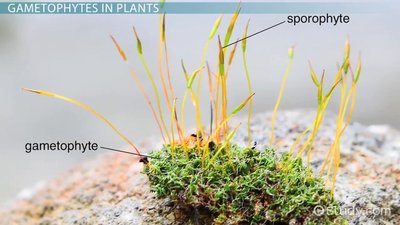
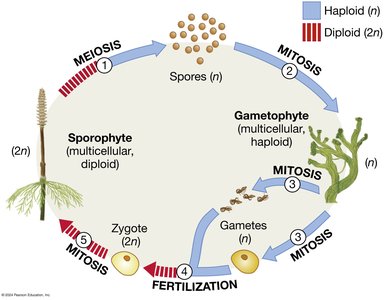
All land plants exhibit alternation of generations, alternating between multicellular haploid (gametophyte) and diploid (sporophyte) stages.
Gametophyte (n): Produces gametes (egg and sperm) by mitosis.
Sporophyte (2n): Produces haploid spores by meiosis.
Generalized Plant Life Cycle
Sporophyte produces haploid spores by meiosis.
Spores germinate and develop into multicellular, haploid gametophytes by mitosis.
Gametophytes produce gametes by mitosis.
Fertilization of gametes forms a diploid zygote.
Zygote develops into a multicellular, diploid sporophyte by mitosis.
Vascular Plants: Adaptations and Innovations
Roots and Stems
Vascular plants evolved specialized structures for support and transport:
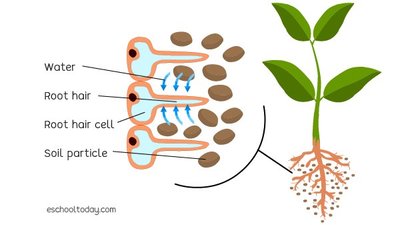
Roots: Anchor the plant and absorb water and nutrients from the soil.
Stems: Connect roots and leaves, transport water, nutrients, and sugars.
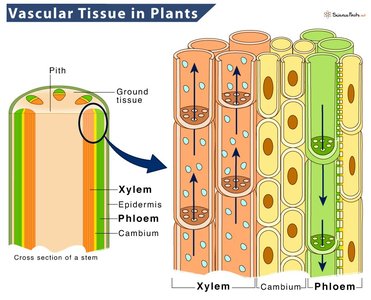
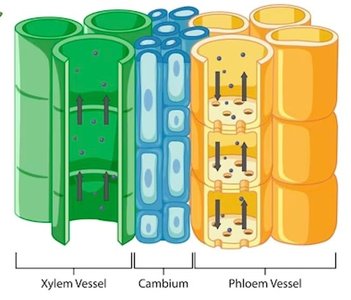
Vascular Tissue: Xylem and Phloem
Vascular tissue enables efficient transport and structural support, allowing plants to grow taller and colonize diverse environments.
Xylem: Transports water and minerals from roots to leaves; reinforced with lignin for support.
Phloem: Transports sugars and organic compounds from leaves to other parts of the plant.
Seedless Vascular Plants
Key Adaptations
Seedless vascular plants, such as ferns and horsetails, possess vascular tissue but do not produce seeds. They show further adaptations for terrestrial life:
Cuticle: Waxy covering to prevent water loss.
Leaves and stomata: Allow for controlled photosynthesis and gas exchange.
Vascular tissue: Xylem and phloem for transport.
Roots or rhizoids: Anchor the plant and absorb water/nutrients.
Reproduction: Still dependent on water for sperm motility and spore development.
Vascular Seed Plants: Gymnosperms
Key Features and Adaptations
Gymnosperms, such as conifers, cycads, and ginkgoes, are vascular plants that produce seeds not enclosed in fruits. They have several adaptations for terrestrial life:
Cuticle, leaves, and stomata: Prevent water loss and regulate gas exchange.
Flavonoids and phenols: Protect against UV radiation.
Vascular tissue: Xylem and phloem for transport and support.
Roots and stems: Anchor and support the plant.
Reproduction: Cones protect gametes and embryos; less dependent on water for fertilization due to pollen.
Gymnosperm Reproduction
Pollen cones (male): Protect male gametophyte (pollen grain produces sperm).
Seed/ovulate cones (female): Protect female gametophyte (produces eggs).
Seeds: Protect embryo, provide food, and allow for dispersal by wind.
Vascular Seed Plants: Angiosperms
Key Features and Adaptations
Angiosperms, or flowering plants, are the most diverse group of land plants. They possess several advanced adaptations:
Flowers: Specialized structures for reproduction.
Fruits: Enclose seeds and aid in dispersal.
Cuticle, leaves, and stomata: Prevent water loss and regulate gas exchange.
Vascular tissue: Xylem and phloem for transport and support.
Roots and stems: Anchor and support the plant.
Reproduction: Flowers protect gametes; fruits protect and disperse seeds; pollination can occur via wind, water, or animals.
Summary Table: Major Plant Groups and Key Adaptations
Group | Vascular Tissue | Seeds | Flowers/Fruits | Main Adaptations |
|---|---|---|---|---|
Non-vascular plants (Bryophytes) | No | No | No | Cuticle, pores, flavonoids, rhizoids |
Seedless vascular plants (Pteridophytes) | Yes | No | No | Cuticle, stomata, vascular tissue, roots |
Gymnosperms | Yes | Yes (naked) | No | Cones, seeds, pollen, vascular tissue |
Angiosperms | Yes | Yes (enclosed) | Yes | Flowers, fruits, advanced vascular tissue |
Learning Objectives
Summarize the importance of plants and provide examples.
Describe why green algae are considered closely related to plants.
Compare and contrast adaptations in the four main land plant groups.
Describe key features of major lineages of green algae and land plants.
