 Indietro
Chemical Bonding and Molecular Geometry: Ionic and Covalent Bonds, Lewis Structures, and Molecular Shape
Guida di studio - Note intelligenti
 Appunti personalizzati basati sui tuoi materiali, ampliati con definizioni chiave, esempi e contesto.
Chemical Bonding and Molecular Geometry
Compounds and Types of Chemical Bonds
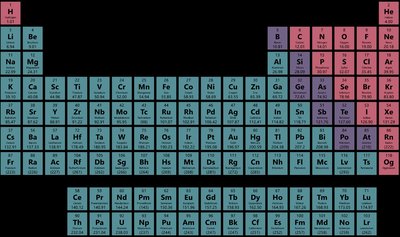
Compounds are substances composed of two or more elements combined in a specific ratio and held together by chemical bonds. The two main types of chemical bonds are ionic bonds and covalent bonds. Ionic bonds involve the transfer of electrons from one atom (typically a metal) to another (typically a nonmetal), resulting in the formation of oppositely charged ions. Covalent bonds involve the sharing of electrons between nonmetal atoms.
Ionic Compounds: Formed from metals and nonmetals; held together by electrostatic attraction between cations and anions.
Covalent Compounds: Formed from nonmetals; atoms share electrons to achieve stability.
Metalloids: Elements with properties intermediate between metals and nonmetals; often semiconductors.
Ionic Bond Formation and Lattice Energy
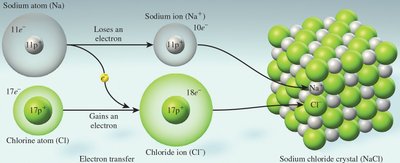
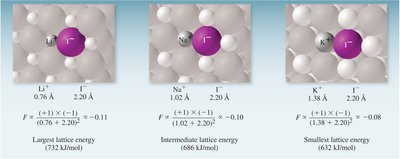
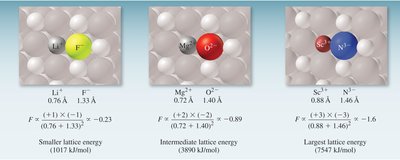
Ionic bonds are formed when one atom donates an electron to another, resulting in the formation of ions. The resulting ionic compound is electrically neutral. The energy released when gaseous ions form an ionic solid is called lattice energy. Lattice energy is a measure of the stability of an ionic compound and depends on the charges of the ions and the distance between them.
Lattice Energy Equation: , where is the charge and is the distance between ions.
Higher charges and smaller ionic radii result in larger lattice energies.
Electron Configurations of Ions and Isoelectronic Species
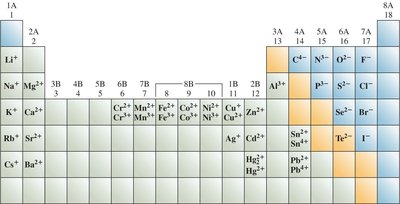
When atoms form ions, they gain or lose electrons to achieve a noble gas configuration. Species with the same electron configuration are called isoelectronic. For example, Na+ and Ne both have 10 electrons.
Positive ions (cations) are formed by losing electrons.
Negative ions (anions) are formed by gaining electrons.
Isoelectronic species have identical electron configurations.
Bond Polarity and Electronegativity
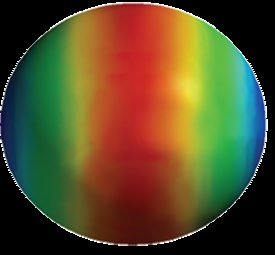
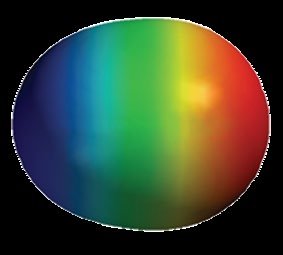
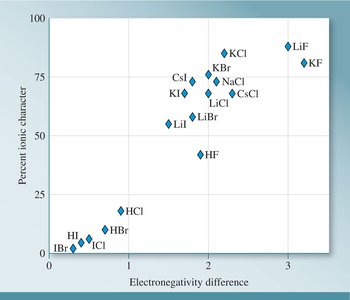
Electronegativity is the ability of an atom to attract electrons in a chemical bond. The difference in electronegativity between two atoms determines the bond type:
Nonpolar Covalent: Electronegativity difference < 0.5
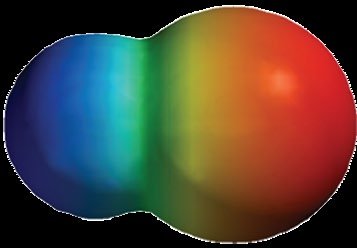
Polar Covalent: Electronegativity difference 0.5–2.0
Ionic: Electronegativity difference > 2.0
In polar covalent bonds, electrons are shared unequally, resulting in partial charges (δ+ and δ−).
Dipole Moment and Percent Ionic Character
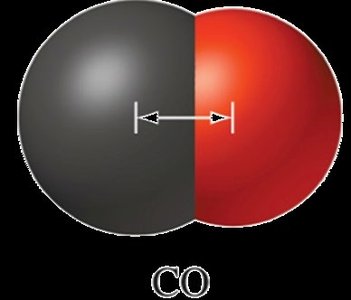
The dipole moment (μ) is a quantitative measure of bond polarity, defined as , where is the charge and is the distance between charges. The percent ionic character compares the observed dipole moment to the value expected for a fully ionic bond.
Naming and Writing Formulas for Ionic Compounds
Ionic compounds are named by stating the cation first, followed by the anion. For transition metals, a Roman numeral indicates the charge. Polyatomic ions must be memorized and are named as units.
Binary Ionic Compounds: Name the metal, then the nonmetal with an -ide ending.
Compounds with Polyatomic Ions: Name the cation, then the polyatomic ion.
Empirical Formula: The simplest whole-number ratio of ions that results in a neutral compound.
Polyatomic Ions and Oxoanions
Polyatomic ions are ions composed of two or more atoms covalently bonded. Oxoanions are polyatomic anions containing oxygen and another element. Naming conventions include prefixes and suffixes to indicate the number of oxygen atoms (e.g., perchlorate, chlorate, chlorite, hypochlorite).
Naming Molecular Compounds
Molecular compounds (composed of nonmetals) use Greek prefixes to indicate the number of each atom. The first element keeps its name; the second element ends in -ide.
Mono- (1), Di- (2), Tri- (3), Tetra- (4), Penta- (5), Hexa- (6), Hepta- (7), Octa- (8), Nona- (9), Deca- (10)
Example: CO2 is carbon dioxide; N2O5 is dinitrogen pentoxide.
Acids, Hydrates, and Common Names
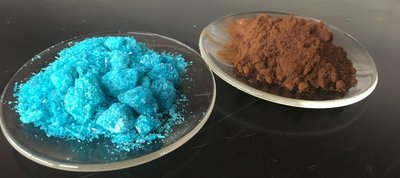
Acids are named based on their anions. Binary acids use the prefix hydro- and the suffix -ic (e.g., HCl: hydrochloric acid). Oxoacids are named based on the oxoanion (e.g., HNO3: nitric acid). Hydrates are compounds with water molecules in their structure (e.g., CuCl2·2H2O: copper(II) chloride dihydrate).
Lewis Dot Symbols and the Octet Rule
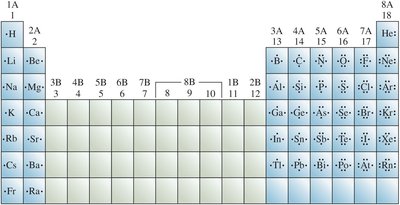
Lewis dot symbols represent valence electrons as dots around an element's symbol. The octet rule states that atoms tend to gain, lose, or share electrons to achieve eight valence electrons (noble gas configuration).
Lewis Structures and Multiple Bonds
Lewis structures show how atoms are bonded in a molecule, with shared pairs as lines (bonds) and lone pairs as dots. Single, double, and triple bonds represent one, two, or three shared pairs, respectively. Multiple bonds are shorter and stronger than single bonds.
Resonance and Formal Charge
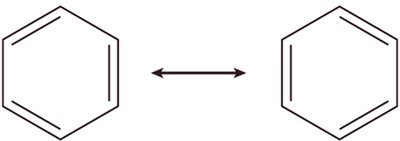
Resonance structures are different Lewis structures for the same molecule, differing only in electron placement. Formal charge helps determine the most stable structure: .
Exceptions to the Octet Rule
Some molecules do not follow the octet rule:
Incomplete octet (e.g., BF3)
Odd number of electrons (free radicals, e.g., NO)
Expanded octet (elements in period 3 or higher, e.g., SF6)
Coordinate Covalent (Dative) Bonds
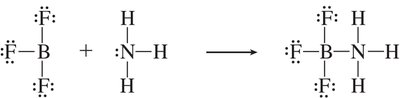
A coordinate covalent bond forms when both electrons in a shared pair come from the same atom. This is common in Lewis acid-base reactions.
VSEPR Theory and Molecular Geometry
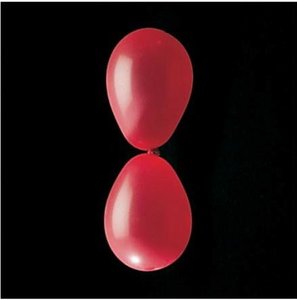
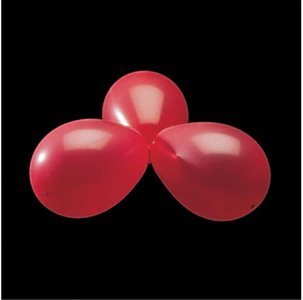
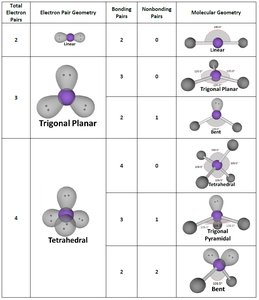
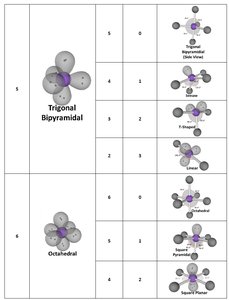
The Valence Shell Electron Pair Repulsion (VSEPR) theory predicts molecular shapes based on electron domain repulsion. Electron domains include bonds (single, double, triple) and lone pairs. The arrangement of domains determines the geometry:
2 domains: Linear (180°)
3 domains: Trigonal planar (120°)
4 domains: Tetrahedral (109.5°)
5 domains: Trigonal bipyramidal (90°, 120°)
6 domains: Octahedral (90°)
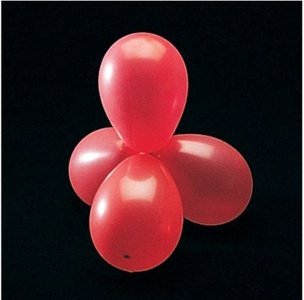
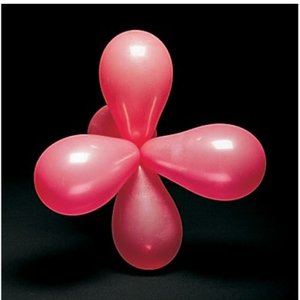
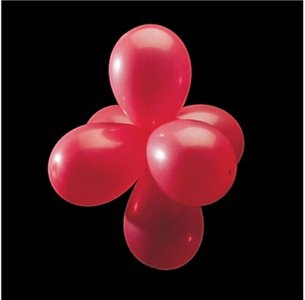
Electron-Domain vs. Molecular Geometry
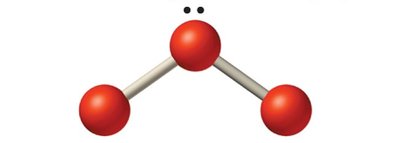
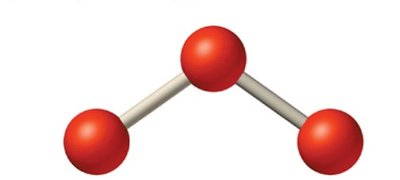
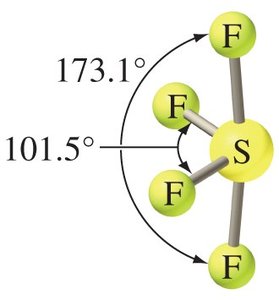
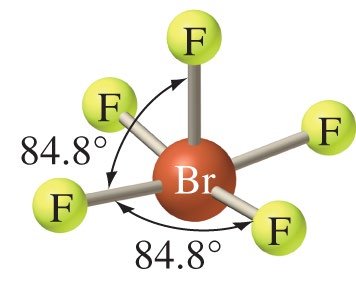
Electron-domain geometry considers all electron domains, while molecular geometry considers only the arrangement of atoms. Lone pairs affect the molecular shape by repelling bonding pairs more strongly than other bonds.
Bond Angles and Deviations
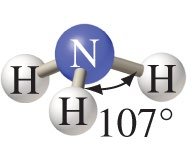
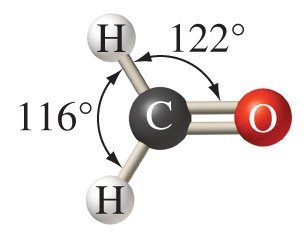
Ideal bond angles are affected by lone pairs and multiple bonds, which cause deviations due to increased repulsion. For example, the bond angle in NH3 is 107°, less than the ideal 109.5° for tetrahedral geometry.
Molecular Polarity
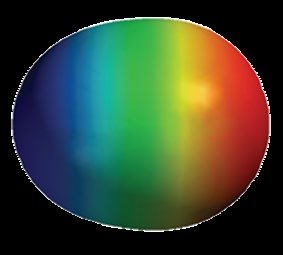
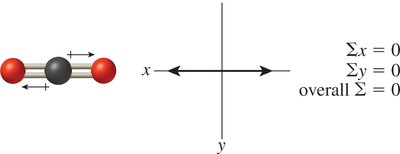
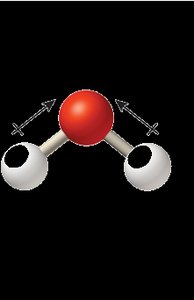
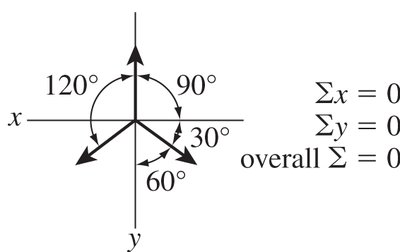
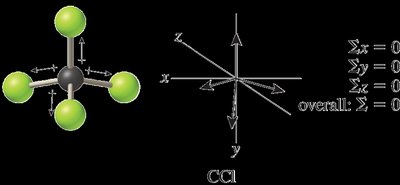
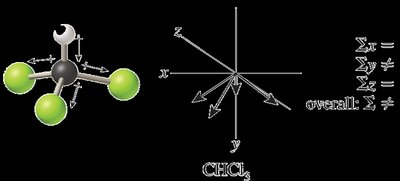
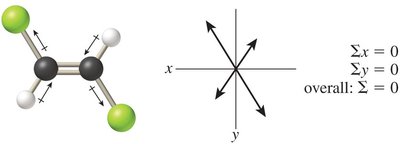
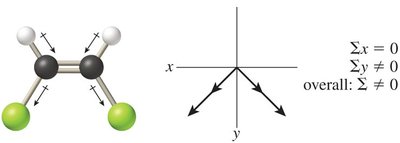
Molecular polarity depends on both the polarity of individual bonds and the molecular geometry. A molecule is polar if the vector sum of its bond dipoles does not cancel out. For example, CO2 is nonpolar despite having polar bonds due to its linear geometry, while H2O is polar due to its bent shape.
Intramolecular vs. Intermolecular Forces
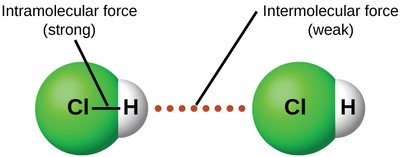
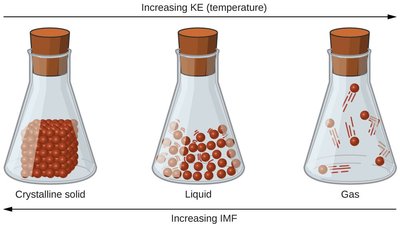
Intramolecular forces are the strong forces holding atoms together within a molecule (covalent bonds). Intermolecular forces (IMFs) are weaker forces between molecules, including dispersion forces, dipole-dipole interactions, and hydrogen bonds. IMFs influence physical properties such as melting and boiling points.
Types of Intermolecular Forces
Dispersion Forces: Present in all molecules; increase with molecular size and surface area.
Dipole-Dipole Forces: Occur between polar molecules.
Hydrogen Bonds: Strong dipole-dipole interactions involving H bonded to N, O, or F.
Ion-Dipole and Ion-Induced Dipole: Occur between ions and polar or nonpolar molecules, respectively.
Stronger IMFs result in higher melting and boiling points. The general trend is: Ionic > H-bonding > Dipole-dipole > Dispersion.
