Domanda del libro di testo
(a) Three spheres of equal size are composed of aluminum (density = 2.70 g/cm3), silver (density = 10.49 g/cm3), and nickel (density = 8.90 g/cm3). List the spheres from lightest to heaviest.
834
views

 Brown 14th EditionCh.1 - Introduction: Matter, Energy, and MeasurementProblema 7b
 Guida verificata passo dopo passo
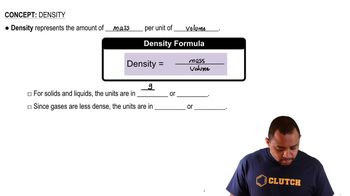
 01:56
01:56
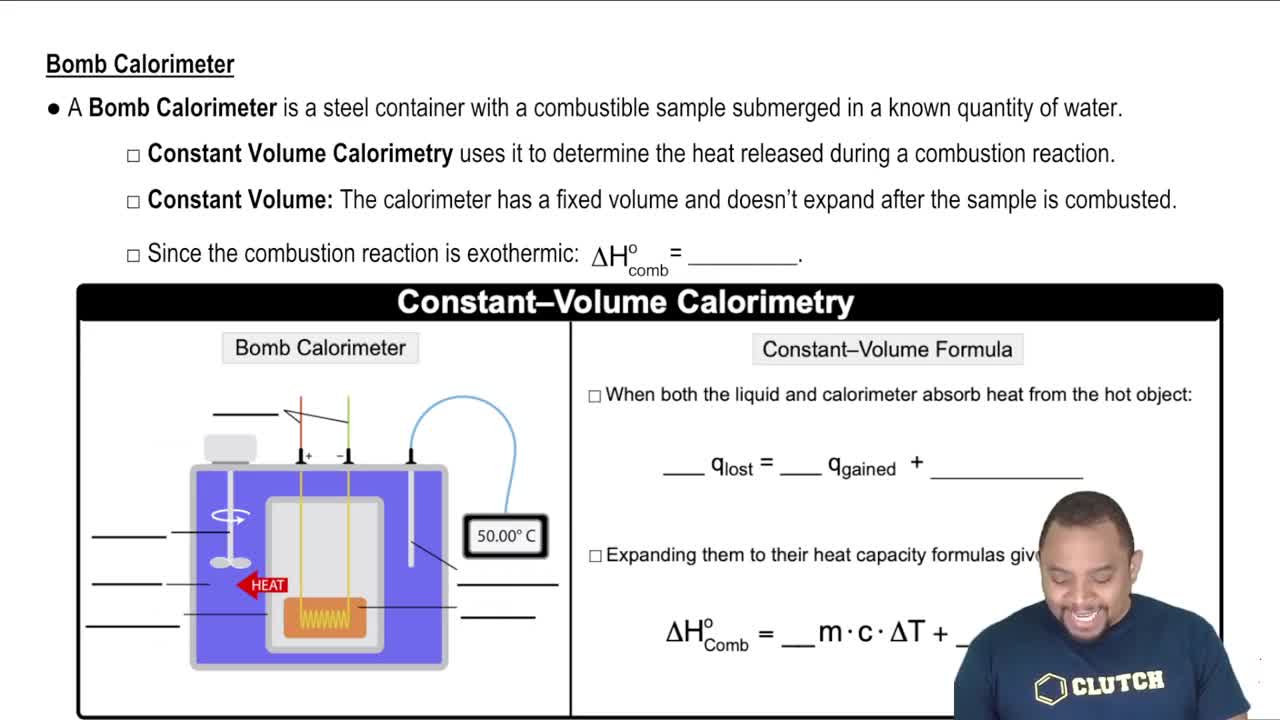 02:35
02:35 08:12
08:12(a) Three spheres of equal size are composed of aluminum (density = 2.70 g/cm3), silver (density = 10.49 g/cm3), and nickel (density = 8.90 g/cm3). List the spheres from lightest to heaviest.
(a) What is the length of the pencil in the following figure if the ruler reads in centimeters? How many significant figures are there in this measurement?
The three targets from a rifle range shown below were produced by: (A) the instructor firing a newly acquired target rifle; (B) the instructor firing his personal target rifle; and (C) a student who has fired his target rifle only a few times. (b) For the A and C results in the future to look like those in B, what needs to happen?
Is the separation method used in brewing a cup of coffee best described as distillation, filtration, or chromatography?
(b) An automobile speedometer with circular scales reading both miles per hour and kilometers per hour is shown. What speed is indicated, in both units? How many significant figures are in the measurements?