Ch.12 - Solids and Solid-State Materials
McMurry - Chemistry 8th Edition
McMurry8th EditionChemistryISBN: 9781292336145Non è quello che usi tu?Cambia libro di testo
Capitolo 12, Problema 133

Explain why silicon carbide–reinforced alumina is stronger and tougher than pure alumina.

Guida verificata passo dopo passo
1
1. Silicon carbide (SiC) is a very hard substance and can serve as a reinforcement added to alumina to improve the composite's mechanical properties. When SiC is mixed with alumina, it forms a composite material that is stronger and tougher than pure alumina.
2. The addition of SiC to alumina creates a material with a more complex microstructure. This microstructure can help to stop the propagation of cracks, which is a common cause of failure in brittle materials like alumina. When a crack starts to form in the composite material, it is likely to hit a SiC particle and be deflected or stopped, reducing the likelihood of catastrophic failure.
3. The SiC particles also help to distribute the applied stress over a larger area, reducing the local stress and making the material more resistant to deformation and failure.
4. The SiC particles can also create a toughening mechanism known as 'crack bridging'. In this process, the SiC particles act as bridges across the crack, holding the crack faces together and preventing the crack from growing.
5. Therefore, the addition of SiC to alumina results in a composite material that is stronger and tougher than pure alumina due to the complex microstructure, crack deflection, stress distribution, and crack bridging.

Risposta video verificata per un problema simile:

Questa soluzione video è stata consigliata dai nostri tutor come utile per risolvere questo problema.
Durata del video:
2m

Concetti chiave

Ecco i concetti essenziali che devi comprendere per rispondere correttamente alla domanda.

Composite Materials

Composite materials are made from two or more constituent materials with significantly different physical or chemical properties. In the case of silicon carbide-reinforced alumina, the combination enhances mechanical properties such as strength and toughness. The reinforcement helps to distribute stress more evenly, preventing failure and improving overall performance.
Video consigliato:
Percorso guidato
08:12
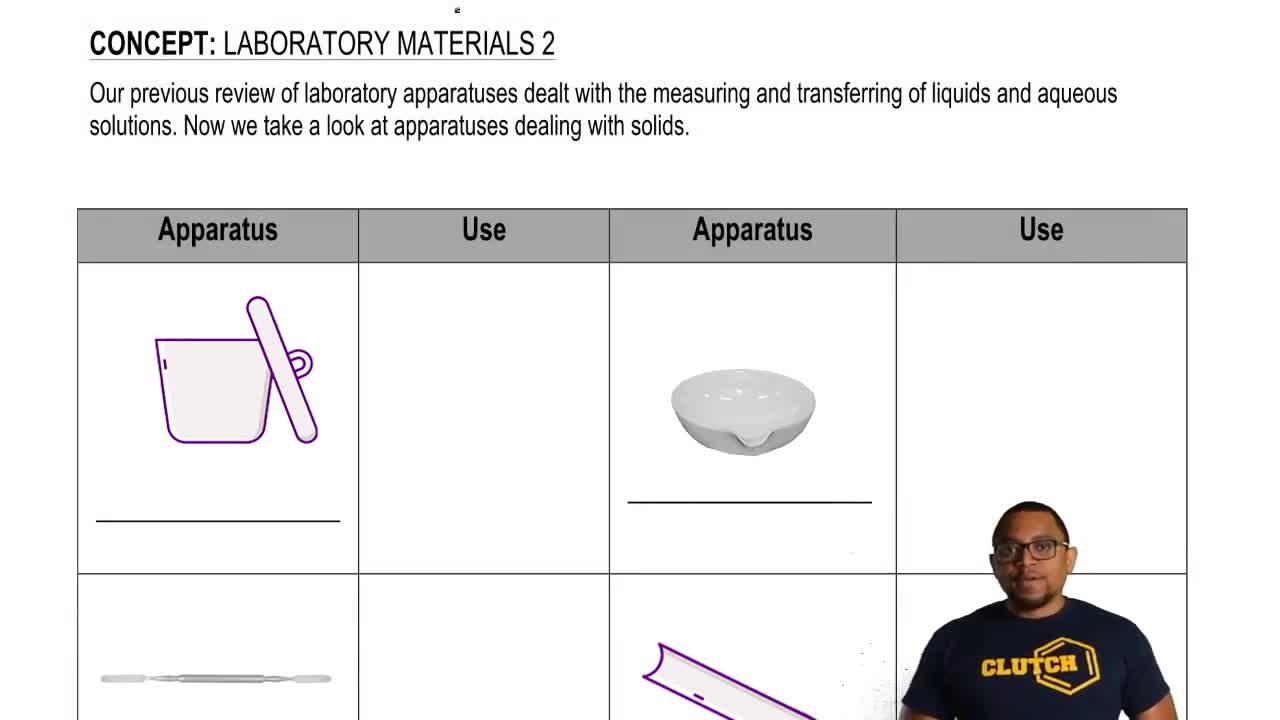
Laboratory Materials 2

Mechanical Properties: Strength and Toughness

Strength refers to a material's ability to withstand an applied load without failure, while toughness is the ability to absorb energy and deform plastically without fracturing. Silicon carbide, being a hard and strong material, contributes to the overall strength of the composite, while its ability to inhibit crack propagation enhances toughness, making the composite more resilient than pure alumina.
Video consigliato:
Percorso guidato
03:06
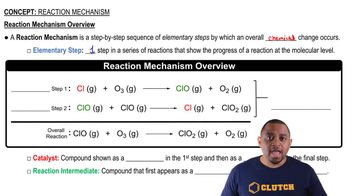
Reaction Mechanism Overview

Crack Propagation and Fracture Mechanics

Fracture mechanics studies how cracks propagate in materials and how they can be prevented. In silicon carbide-reinforced alumina, the presence of silicon carbide can impede crack growth by bridging cracks and redistributing stress. This mechanism not only increases the toughness of the material but also enhances its durability under mechanical stress compared to pure alumina.
Video consigliato:
Percorso guidato
03:06
Reaction Mechanism Overview