Ch.19 - Electrochemistry
McMurry - Chemistry 8th Edition
McMurry8th EditionChemistryISBN: 9781292336145Non è quello che usi tu?Cambia libro di testo
Capitolo 19, Problema 127

Which of the following describes the process of galvanization that protects steel from rusting? (a) Steel is coated with a layer of paint. (b) Iron in steel is oxidized to form a protective oxide coating. (c) Steel is coated with zinc because zinc is more easily oxidized than iron. (d) A strip of magnesium is attached to steel because the magnesium is more easily oxidized than iron.

Guida verificata passo dopo passo
1
Identify the purpose of galvanization: to protect steel from rusting by preventing oxidation of iron.
Understand that galvanization involves coating steel with another metal that is more easily oxidized than iron.
Recognize that zinc is commonly used in galvanization because it is more reactive and will oxidize before iron does.
Consider the options: (a) involves paint, which is not galvanization; (b) involves iron oxidizing, which is not protective; (c) involves zinc, which matches the galvanization process; (d) involves magnesium, which is a different protection method called cathodic protection.
Conclude that the correct description of galvanization is option (c), where steel is coated with zinc because zinc is more easily oxidized than iron.

Risposta video verificata per un problema simile:

Questa soluzione video è stata consigliata dai nostri tutor come utile per risolvere questo problema.
Durata del video:
1m

Concetti chiave

Ecco i concetti essenziali che devi comprendere per rispondere correttamente alla domanda.

Galvanization

Galvanization is a corrosion protection process where a protective layer of zinc is applied to steel or iron. This layer acts as a barrier to moisture and oxygen, which are necessary for rust formation. The zinc coating not only prevents direct contact with the environment but also serves as a sacrificial anode, meaning it will corrode before the underlying metal does.
Video consigliato:
Percorso guidato
01:08
The Galvanic Cell

Sacrificial Anode

A sacrificial anode is a metal that is more reactive than the metal it protects, which in this case is zinc protecting steel. When exposed to corrosive environments, the sacrificial anode oxidizes preferentially, thereby preventing the oxidation of the more valuable metal. This principle is crucial in galvanization, as the zinc coating will corrode first, extending the life of the steel.
Video consigliato:
Percorso guidato
00:56
Electrolytic Cell Components Example

Oxidation and Reduction

Oxidation and reduction are chemical processes that involve the transfer of electrons between substances. In the context of galvanization, oxidation refers to the loss of electrons by zinc as it corrodes, while reduction involves the gain of electrons by iron in steel, which helps to prevent its oxidation. Understanding these processes is essential for grasping how galvanization effectively protects steel from rusting.
Video consigliato:
Percorso guidato
01:53
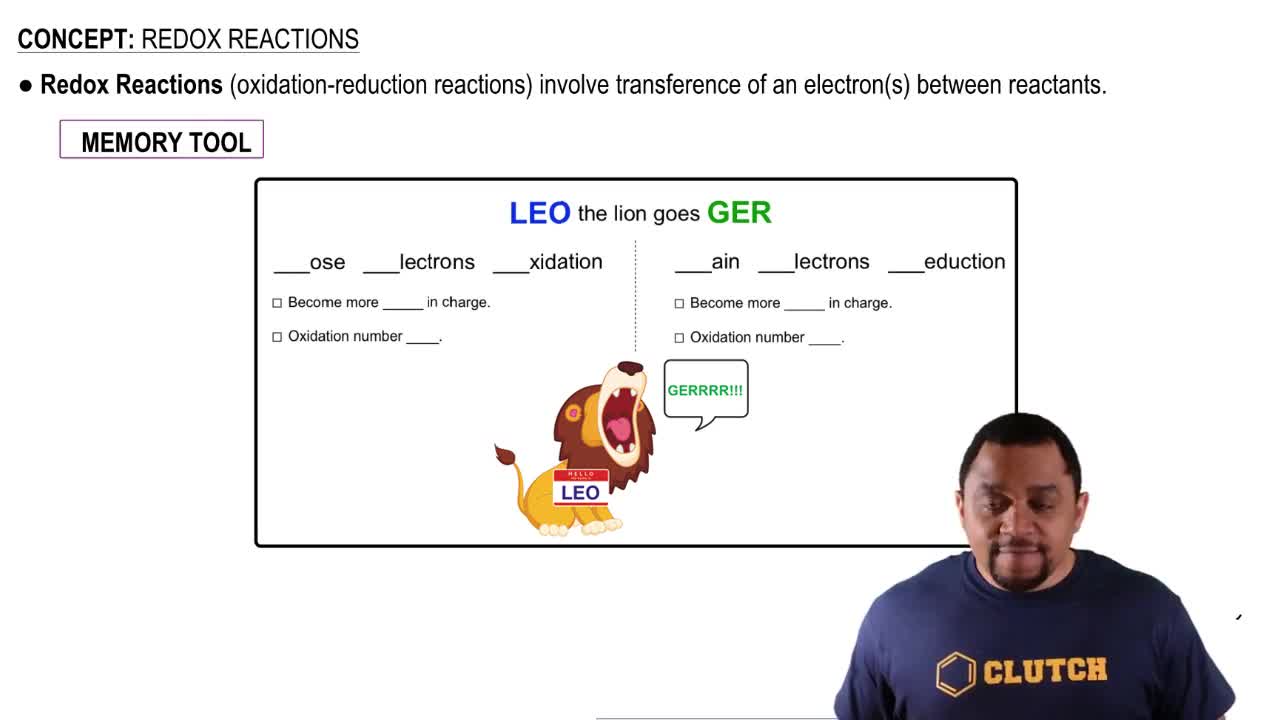
Oxidation and Reduction Reactions