 Indietro
Sex Determination and Sex Chromosomes: Genetics Study Notes
Guida di studio - Note intelligenti
 Appunti personalizzati basati sui tuoi materiali, ampliati con definizioni chiave, esempi e contesto.
Sex Determination and Sex Chromosomes
Phenotypic Dimorphism and Heteromorphic Chromosomes
Sex determination in animals, including humans, is characterized by phenotypic dimorphism, where individuals exhibit distinct male and female forms. This differentiation is often associated with heteromorphic chromosomes, which are dissimilar in structure and function. The most notable examples are the sex chromosomes, X and Y, which play a central role in determining gender.
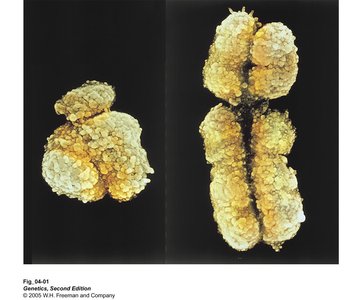
Mechanisms of Sex Determination Across Species
Sex determination varies widely among different organisms, involving both genetic and environmental factors. The mixing of genetic material through processes such as conjugation in bacteria, co-infection in viruses, and fusion of haploid cells in eukaryotes leads to offspring with unique genetic combinations.
Genetic Factors: Presence of specific chromosomes or chromosome balance.
Environmental Factors: Behavior, temperature, chemicals, and selective pressures.
Genetic Sex Determination in Humans
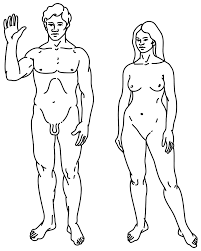
Humans possess 46 chromosomes: 44 autosomes and 2 sex chromosomes (X or Y). Males are heterogametic (XY), having only one X chromosome (hemizygous), while females are homogametic (XX).
Genetic Sex Determination in Birds
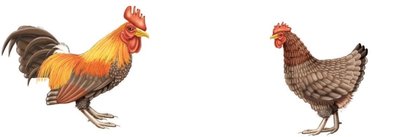
Birds utilize the Z–W system for sex determination. Males are homogametic (ZZ), and females are heterogametic (ZW). The Z and W chromosomes are analogous to the X and Y chromosomes in mammals.
Genetic Sex Determination in Plants
Most plants are monoecious, producing both male and female gametes. Dioecious plants are either male or female, with some species using X and Y chromosomes for sex determination.


Genetic Sex Determination in Insects
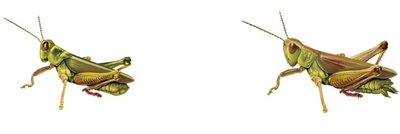
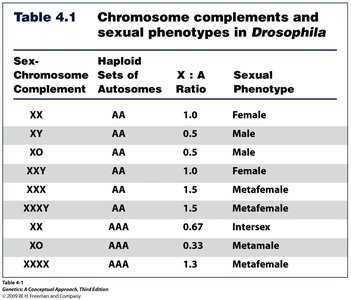
Insects display diverse mechanisms of sex determination, including the X–0 system and chromosome balance. For example, crickets use the X–0 system (males XO, females XX), while fruit flies (Drosophila) use the X/A ratio:
If X/A = 0.5, the fly is male.
If X/A = 1.0, the fly is female.
Haplo-Diploid System in Insects
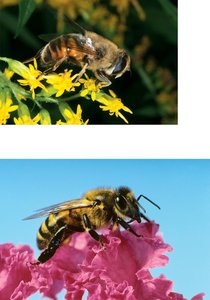
Honeybees exhibit a haplo-diploid system: males (drones) are haploid and arise from unfertilized eggs, while females (workers and queens) are diploid and arise from fertilized eggs.
Environmental Sex Determination
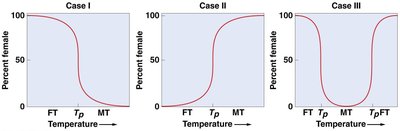
Some reptiles and fish determine sex through environmental factors such as behavior and temperature. For example, the American alligator's sex is influenced by incubation temperature: at 33°C, males develop; below 33°C, females develop; above 33°C, mostly males develop.
Dosage Compensation
Need for Dosage Compensation
Dosage compensation ensures equal expression of X chromosome genes in both sexes, despite differences in chromosome number. Mechanisms vary by species, including increased expression in heterogametics or decreased expression in homogametics.
Mechanisms of Dosage Compensation
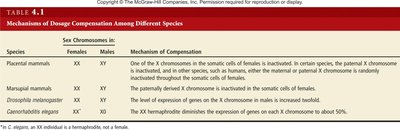
X-chromosome inactivation: In mammals, one X chromosome is inactivated in somatic cells of females (Lyon Hypothesis).
Other mechanisms: In Drosophila, expression of X-linked genes is doubled in males; in C. elegans, expression is halved in hermaphrodites.
X-Chromosome Inactivation and Mosaicism
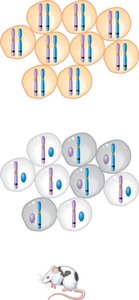
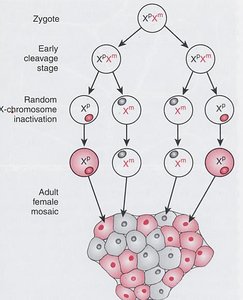
The Lyon Hypothesis states that X chromosome inactivation in females is random and maintained through mitosis, resulting in mosaic gene expression. This explains phenomena such as mosaic coat coloration in mice.
Barr Bodies
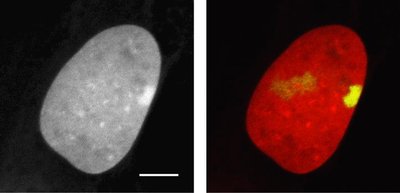
Inactivated X chromosomes condense into Barr bodies, which are visible under a light microscope. Genes on Barr bodies are not expressed.
X Inactivation in Aneuploid Karyotypes
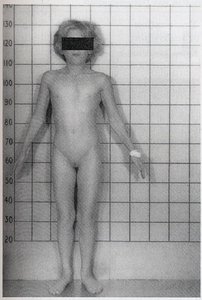
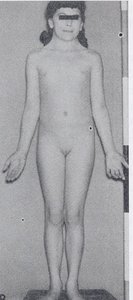
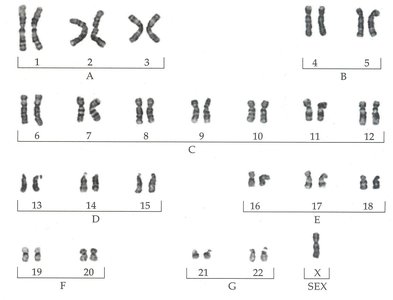
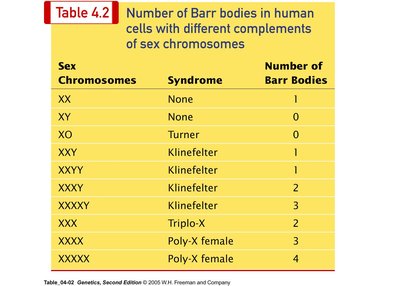
Individuals with abnormal sex chromosome complements (e.g., XXY, XO, XXX) still have only one active X chromosome. The number of Barr bodies corresponds to the number of inactivated X chromosomes.
Counting X Chromosomes and X-Inactivation Center (Xic)
The mechanism for counting X chromosomes involves the X-inactivation center (Xic) and the Xist gene. Xist RNA coats the X chromosome targeted for inactivation, recruiting proteins that compact it into a Barr body. The process includes initiation, spreading, and maintenance phases.
Properties of Mammalian X and Y Chromosomes
Pseudoautosomal and Sex-Linked Genes
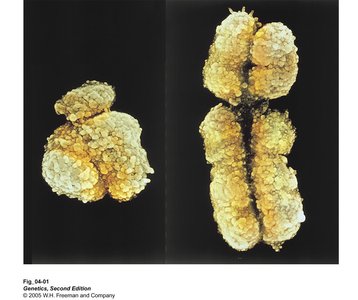
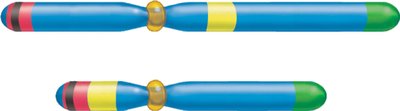
Some genes are found on both X and Y chromosomes (pseudoautosomal), exhibiting autosomal inheritance patterns. Other genes are unique to X (X-linked) or Y (holandric), with distinct inheritance patterns.
SRY Gene and Sex Determination
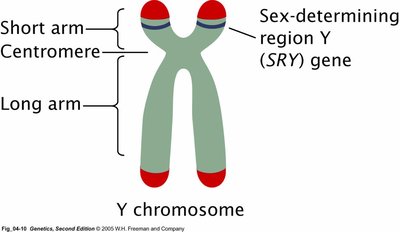
The SRY (Sex-determining Region Y) gene is crucial for male development. Rare genetic disorders can result in XX males (SRY translocation) or XY females (SRY mutation or absence). Transgenic experiments confirm the role of SRY in sex determination.
Summary Table: Barr Bodies in Human Cells
Sex Chromosomes | Syndrome | Number of Barr Bodies |
|---|---|---|
XX | None | 1 |
XY | None | 0 |
XO | Turner | 0 |
XXY | Klinefelter | 1 |
XXXY | Klinefelter | 2 |
XXXXY | Klinefelter | 3 |
XXX | Triplo-X | 2 |
XXXX | Poly-X female | 3 |
XXXXX | Poly-X female | 4 |
Summary Table: Dosage Compensation Mechanisms
Species | Sex Chromosomes in Females | Sex Chromosomes in Males | Mechanism of Compensation |
|---|---|---|---|
Placental mammals | XX | XY | One X chromosome in females is inactivated |
Marsupial mammals | XX | XY | Paternally derived X chromosome inactivated in females |
Drosophila melanogaster | XX | XY | Expression of X-linked genes doubled in males |
Caenorhabditis elegans | XX | X0 | Expression of X-linked genes halved in hermaphrodites |
Key Equations
X/A Ratio in Drosophila:
Barr Body Calculation:
Conclusion
Sex determination is a complex process involving genetic and environmental factors, with diverse mechanisms across species. Dosage compensation ensures balanced gene expression from sex chromosomes, and the SRY gene is pivotal in male development. Understanding these processes is fundamental to genetics and human biology.
