Ch. 11 - DNA Replication and Recombination
Klug - Concepts of Genetics 12th Edition
Klug12th EditionConcepts of GeneticsISBN: 9780135564776Non è quello che usi tu?Cambia libro di testo
Capitolo 11, Problema 21

While many commonly used antibiotics interfere with protein synthesis or cell wall formation, clorobiocin, one of several antibiotics in the aminocoumarin class, inhibits the activity of bacterial DNA gyrase. Similar drugs have been tested as treatments for human cancer. How might such drugs be effective against bacteria as well as cancer?

Guida verificata passo dopo passo
1
Understand the role of DNA gyrase: DNA gyrase is an enzyme that introduces negative supercoils into DNA, which is essential for processes like DNA replication and transcription in bacteria. Inhibiting this enzyme disrupts these processes, leading to bacterial cell death.
Recognize the mechanism of clorobiocin: Clorobiocin, as an aminocoumarin antibiotic, specifically targets bacterial DNA gyrase, preventing it from functioning properly. This makes it effective against bacterial infections by halting their ability to replicate and transcribe DNA.
Connect to cancer treatment: Cancer cells often exhibit rapid and uncontrolled cell division, which requires efficient DNA replication. Drugs that inhibit enzymes involved in DNA replication, such as topoisomerases (similar to DNA gyrase in bacteria), can slow or stop the proliferation of cancer cells.
Explore the similarity between bacterial and cancer cell targets: While bacterial DNA gyrase is distinct from human topoisomerases, both enzymes play critical roles in managing DNA topology during replication. Drugs like clorobiocin may be modified to target human topoisomerases, making them effective against cancer cells.
Consider the broader implications: The ability of such drugs to disrupt essential DNA processes highlights their potential as dual-purpose treatments, targeting both bacterial infections and rapidly dividing cancer cells. Further research and development are needed to optimize their specificity and minimize side effects.

Risposta video verificata per un problema simile:

Questa soluzione video è stata consigliata dai nostri tutor come utile per risolvere questo problema.
Durata del video:
2m

Concetti chiave

Ecco i concetti essenziali che devi comprendere per rispondere correttamente alla domanda.

DNA Gyrase

DNA gyrase is an essential enzyme in bacteria that introduces negative supercoils into DNA, which is crucial for DNA replication and transcription. By inhibiting this enzyme, antibiotics like clorobiocin prevent bacteria from properly managing their DNA, leading to cell death. This mechanism is particularly effective against rapidly dividing bacterial cells.
Video consigliato:
Percorso guidato
01:45
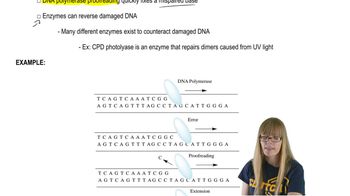
DNA Proofreading

Aminocoumarin Antibiotics

Aminocoumarin antibiotics, such as clorobiocin, target bacterial DNA gyrase and are known for their ability to disrupt DNA replication. These antibiotics are structurally related to coumarin and are effective against a range of Gram-positive and some Gram-negative bacteria. Their unique mechanism of action makes them a valuable tool in treating bacterial infections.
Video consigliato:

Cancer Treatment Mechanisms

Some antibiotics, including those that inhibit DNA gyrase, have been explored for cancer treatment due to their ability to interfere with DNA replication in rapidly dividing cells, a hallmark of cancer. By targeting the DNA replication machinery, these drugs can potentially slow down or stop the proliferation of cancer cells, similar to their effect on bacteria.
Video consigliato:
Percorso guidato
09:46
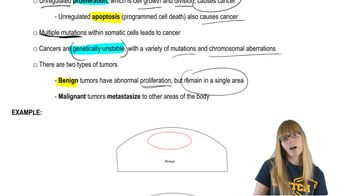
Cancer Characteristics