Ch. 24 - Cancer Genetics
Klug - Concepts of Genetics 12th Edition
Klug12th EditionConcepts of GeneticsISBN: 9780135564776Non è quello che usi tu?Cambia libro di testo
Capitolo 24, Problema 20

Epigenetics is a relatively new area of genetics with a focus on phenomena that affect gene expression but do not affect DNA sequence. Epigenetic effects are quasi-stable and may be passed to progeny somatic or germ-line cells. What are known causes of epigenetic effects, and how do they relate to cancer?

Guida verificata passo dopo passo
1
Epigenetics involves changes in gene expression without altering the underlying DNA sequence. These changes can be stable and heritable.
One known cause of epigenetic effects is DNA methylation, where methyl groups are added to DNA, typically at CpG islands, leading to gene silencing.
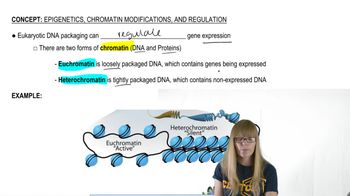
Histone modification is another cause, where chemical changes to histone proteins affect how tightly DNA is wound around them, influencing gene accessibility.
Non-coding RNAs, such as microRNAs, can also regulate gene expression by interfering with mRNA translation or stability.
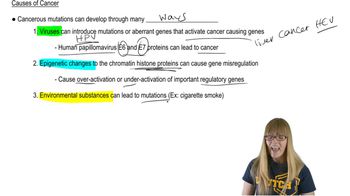
In cancer, abnormal epigenetic modifications can lead to the activation of oncogenes or the silencing of tumor suppressor genes, contributing to uncontrolled cell growth.

Risposta video verificata per un problema simile:

Questa soluzione video è stata consigliata dai nostri tutor come utile per risolvere questo problema.
Durata del video:
2m

Concetti chiave

Ecco i concetti essenziali che devi comprendere per rispondere correttamente alla domanda.

Epigenetics

Epigenetics refers to the study of changes in gene expression that do not involve alterations to the underlying DNA sequence. These changes can be influenced by various factors, including environmental stimuli, lifestyle, and developmental stages. Epigenetic modifications, such as DNA methylation and histone modification, can regulate gene activity and are crucial for normal cellular function.
Video consigliato:

Causes of Epigenetic Effects

Epigenetic effects can be caused by a variety of factors, including environmental influences like diet, stress, and exposure to toxins. These factors can lead to modifications in the epigenome, which in turn can affect gene expression patterns. Additionally, certain diseases, including cancer, can also induce epigenetic changes that may contribute to their progression.
Video consigliato:
Percorso guidato
03:38
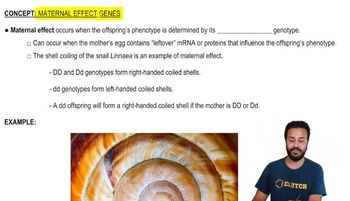
Maternal Effect

Epigenetics and Cancer

Epigenetic changes play a significant role in cancer development and progression. Abnormal epigenetic modifications can lead to the silencing of tumor suppressor genes or the activation of oncogenes, promoting uncontrolled cell growth. Understanding these epigenetic mechanisms is crucial for developing targeted therapies and improving cancer treatment outcomes.
Video consigliato:
Pratica correlata
Domanda del libro di testo

DNA sequencing has provided data to indicate that cancer cells may contain tens of thousands of somatic mutations, only some of which confer a growth advantage to a cancer cell. How do scientists describe and categorize these recently discovered populations of mutations in cancer cells?

725
views
Domanda del libro di testo

Describe the difference between an acute transforming virus and a virus that does not cause tumors.

741
views
Domanda del libro di testo

Explain the apparent paradox that both hypermethylation and hypomethylation of DNA are often found in the same cancer cell.

818
views
Domanda del libro di testo

Genetic tests that detect mutations in the BRCA1 and BRCA2 tumor-suppressor genes are widely available. These tests reveal a number of mutations in these genes—mutations that have been linked to familial breast cancer. Assume that a young woman in a suspected breast cancer family takes the BRCA1 and BRCA2 genetic tests and receives negative results. That is, she does not test positive for the mutant alleles of BRCA1 or BRCA2. Can she consider herself free of risk for breast cancer?

1083
views
Domanda del libro di testo

How do normal cells protect themselves from accumulating mutations in genes that could lead to cancer? How do cancer cells differ from normal cells in these processes?

412
views
Domanda del libro di testo

Radiotherapy (treatment with ionizing radiation) is one of the most effective current cancer treatments. It works by damaging DNA and other cellular components. In which ways could radiotherapy control or cure cancer, and why does radiotherapy often have significant side effects?

513
views