 Indietro
Chapter 1: Matter, Energy, and Measurement – GOB Chemistry Study Notes
Guida di studio - Note intelligenti
 Appunti personalizzati basati sui tuoi materiali, ampliati con definizioni chiave, esempi e contesto.
Introduction to Chemistry
The Central Science
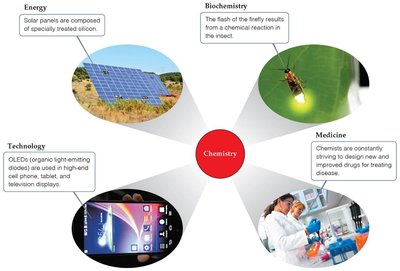
Chemistry is the study of matter, its properties, and the changes it undergoes. It is central to our understanding of many science-related fields, including energy, biochemistry, technology, and medicine. Chemistry connects physical sciences with life and applied sciences, making it essential for advancements in various disciplines.
Matter and Its Classification
Definition of Matter
Matter is anything that has mass and occupies space. All physical objects, substances, and materials are forms of matter.
States of Matter
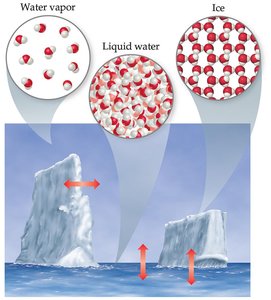
Matter exists in three primary states: solid, liquid, and gas. These states differ in the arrangement and movement of their particles. For example, water can exist as ice (solid), liquid water, or water vapor (gas).
Classification of Matter: Substances and Mixtures
Matter can be classified as pure substances or mixtures:
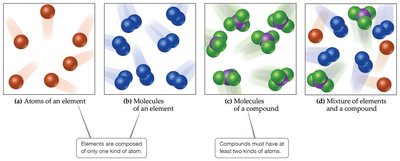
Pures substances have a fixed composition and distinct properties. They are further divided into elements and compounds.
Mixtures are combinations of two or more substances where each retains its own properties. Mixtures can be homogeneous (uniform composition, also called solutions) or heterogeneous (variable composition).
Elements and Compounds
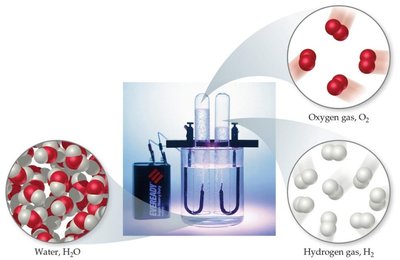
Elements are substances that cannot be decomposed into simpler substances. Compounds are substances composed of two or more elements in fixed proportions. The Law of Constant Composition states that a compound always contains the same proportion of elements by mass.

Mixtures: Homogeneous and Heterogeneous
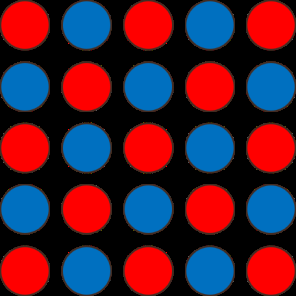
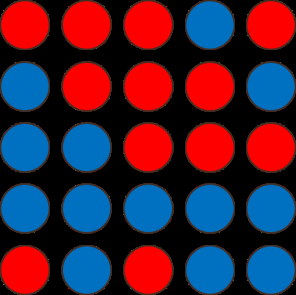
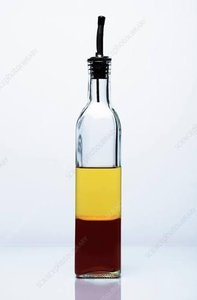
Homogeneous mixtures (solutions) have uniform composition throughout, while heterogeneous mixtures have visibly different components or phases.


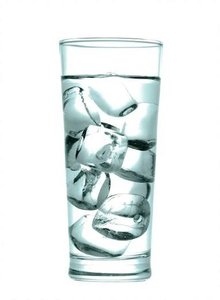
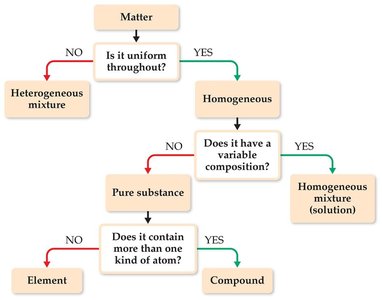
Classification Flowchart
The classification of matter can be systematically determined using a flowchart based on uniformity and composition.
Atoms, Molecules, Elements, and Compounds
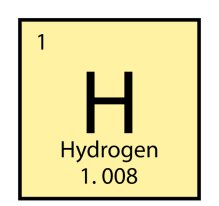
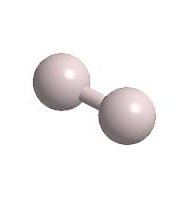
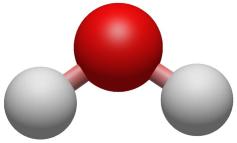
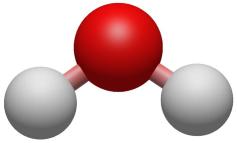
An atom is the smallest unit of an element. A molecule is two or more atoms bonded together. All compounds are molecules, but not all molecules are compounds (e.g., O2 is a molecule but not a compound).
Properties of Matter
Physical Properties
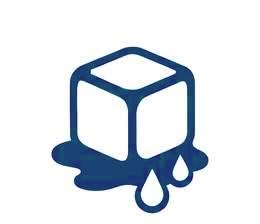
Physical properties can be observed without changing the identity of a substance. Examples include color, odor, density, melting point, boiling point, and hardness.

Chemical Properties
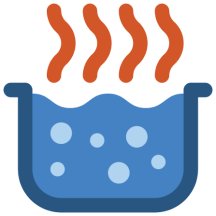
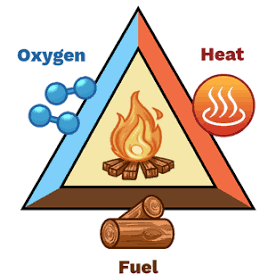
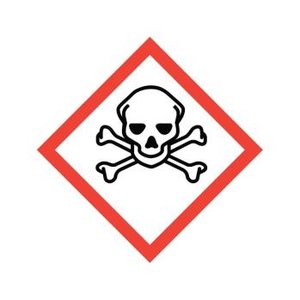
Chemical properties describe a substance's ability to undergo chemical changes, forming new substances. Examples include flammability, reactivity, heat of combustion, and toxicity.


Intensive and Extensive Properties
Intensive properties do not depend on the amount of substance (e.g., density, boiling point, color).
Extensive properties depend on the amount of substance (e.g., mass, volume, energy).

Physical and Chemical Changes
Physical Changes
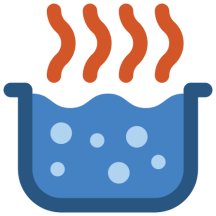
Physical changes alter the state or appearance of matter without changing its composition. Examples include changes of state (melting, boiling), temperature, and volume.


Chemical Changes
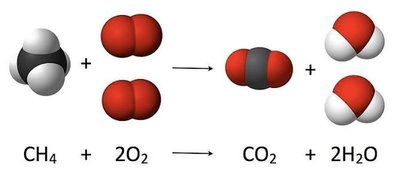
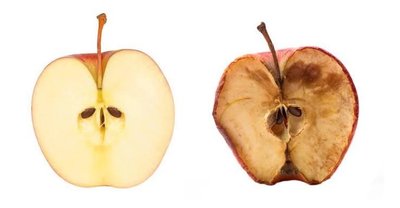
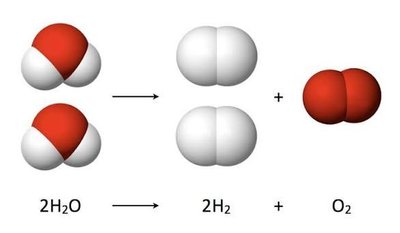
Chemical changes (chemical reactions) result in the formation of new substances. Examples include combustion, oxidation, and decomposition.
Evidence of Chemical Change
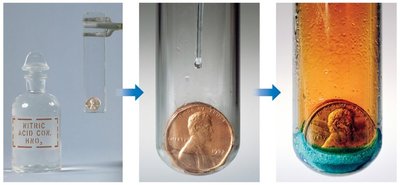
Physical properties such as color change, gas formation, or precipitate formation often indicate a chemical change has occurred.
Separation of Mixtures
Physical Separation Methods
Mixtures can be separated based on differences in physical properties:
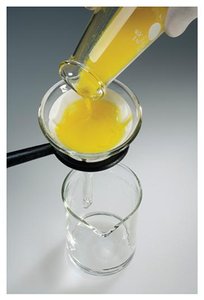
Filtration: Separates solids from liquids.
Distillation: Separates components based on differences in boiling points.
Chromatography: Separates substances based on their ability to adhere to a solid surface.
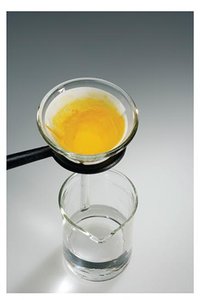
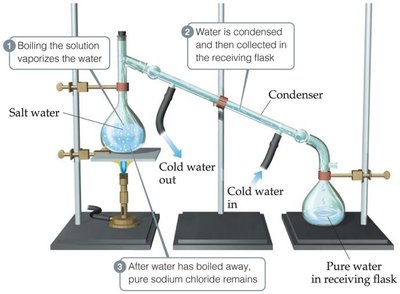
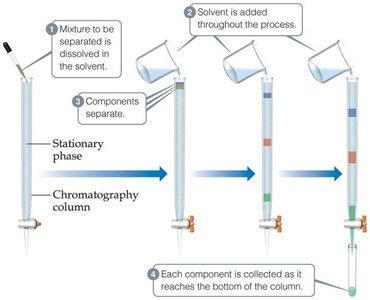
Measurement in Chemistry
Units of Measurement
Chemistry uses the metric system and SI units for measurement. Common base units include:
Mass: gram (g), kilogram (kg)
Length: meter (m)
Time: second (s)
Temperature: Celsius (°C), Kelvin (K)
Amount of substance: mole (mol)
Volume: liter (L), milliliter (mL), cubic centimeter (cm3)
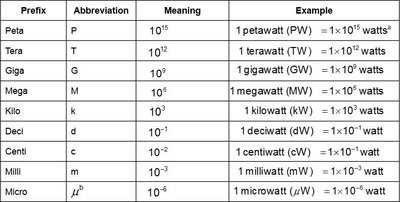
Metric System Prefixes
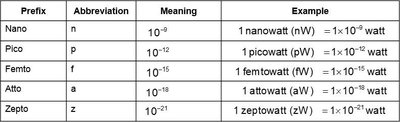
Prefixes are used to express multiples or fractions of base units.
Prefix | Abbreviation | Meaning | Example |
|---|---|---|---|
Peta | P | 1015 | 1 petawatt (PW) = 1×10¹⁵ watts |
Tera | T | 1012 | 1 terawatt (TW) = 1×10¹² watts |
Giga | G | 109 | 1 gigawatt (GW) = 1×10⁹ watts |
Mega | M | 106 | 1 megawatt (MW) = 1×10⁶ watts |
Kilo | k | 103 | 1 kilowatt (kW) = 1×10³ watts |
Deci | d | 10-1 | 1 deciwatt (dW) = 1×10⁻¹ watts |
Centi | c | 10-2 | 1 centiwatt (cW) = 1×10⁻² watts |
Milli | m | 10-3 | 1 milliwatt (mW) = 1×10⁻³ watts |
Micro | μ | 10-6 | 1 microwatt (μW) = 1×10⁻⁶ watts |
Nano | n | 10-9 | 1 nanowatt (nW) = 1×10⁻⁹ watts |
Pico | p | 10-12 | 1 picowatt (pW) = 1×10-12 watts |
Femto | f | 10-15 | 1 femtowatt (fW) = 1×10-15 watts |
Atto | a | 10-18 | 1 attowatt (aW) = 1×10-18 watts |
Zepto | z | 10-21 | 1 zeptowatt (zW) = 1×10-21 watts |
Volume
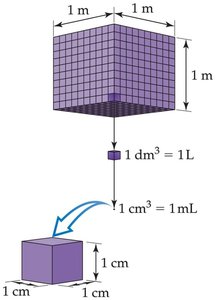
Volume is a derived unit, calculated as length cubed. Common units are liter (L), milliliter (mL), and cubic centimeter (cm3).
Temperature and Energy
Temperature Scales
Temperature is measured in Celsius (°C), Kelvin (K), and Fahrenheit (°F). The Kelvin scale is the SI unit and is based on absolute zero. Conversion formulas:
Energy
Energy is the capacity to do work or transfer heat. It exists as kinetic energy (energy of motion) and potential energy (energy due to position). The SI unit of energy is the joule (J):
1 calorie (cal) = 4.184 J
1 nutritional Calorie (Cal) = 1 kcal = 1000 cal
Density
Density is a physical property defined as mass per unit volume:
Common units: g/mL or g/cm3
Substance | Density (g/mL) |
|---|---|
Air | 0.001 |
Balsa wood | 0.16 |
Ethanol | 0.79 |
Water | 1.00 |
Ethylene glycol | 1.09 |
Table sugar | 1.59 |
Table salt | 2.16 |
Iron | 7.9 |
Gold | 19.32 |
Measurement and Significant Figures
Exact and Inexact Numbers
Exact numbers are counted or defined values (e.g., 12 eggs in a dozen). Inexact numbers are measured and have some uncertainty due to limitations in measurement tools or human error.
Accuracy and Precision
Accuracy: How close a measurement is to the true value.
Precision: How close repeated measurements are to each other.
Significant Figures
Significant figures reflect the precision of a measured quantity. Rules for determining significant figures:
All nonzero digits are significant.
Zeroes between nonzero digits are significant.
Zeroes at the beginning are not significant.
Zeroes at the end are significant if there is a decimal point.
Significant Figures in Calculations
Addition/Subtraction: Round to the least significant decimal place.
Multiplication/Division: Round to the same number of significant figures as the measurement with the fewest significant figures.
Dimensional Analysis
Dimensional analysis is a method for converting between units using conversion factors. Set up ratios so that units cancel, leaving the desired unit.
Example: To convert inches to centimeters, use .
