 Indietro
Chemistry and Measurements: Foundations for GOB Chemistry
Guida di studio - Note intelligenti
 Appunti personalizzati basati sui tuoi materiali, ampliati con definizioni chiave, esempi e contesto.
Chemistry and Measurements
Introduction to Chemistry and Measurements
Chemistry relies on precise measurements to describe matter and its changes. Understanding the units and methods of measurement is essential for scientific communication and problem-solving in general, organic, and biological chemistry.

Units of Measurement
Metric and SI Units
The metric system and the International System of Units (SI) are the standard systems used in science for measuring length, volume, mass, temperature, and time. These systems provide consistency and accuracy in scientific data.
Length: meter (m)
Volume: liter (L) in metric, cubic meter (m3) in SI
Mass: gram (g) in metric, kilogram (kg) in SI
Temperature: degree Celsius (°C) in metric, kelvin (K) in SI
Time: second (s)
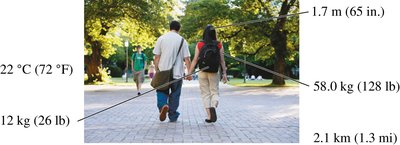
Volume
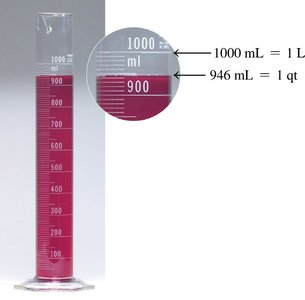
Volume is the amount of space occupied by a substance. Chemists commonly use liters (L) and milliliters (mL) for liquids and gases. Useful relationships include:
1 L = 1000 mL
1 L = 1.06 qt
946 mL = 1 qt
Length
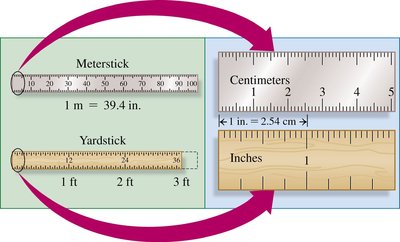
Length is measured in meters (m) in both metric and SI systems. Chemists often use centimeters (cm) for smaller measurements. Key conversions:
1 m = 100 cm
1 m = 39.4 in.
2.54 cm = 1 in.
Mass
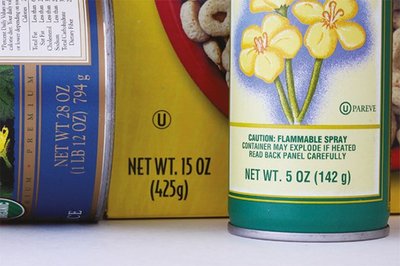
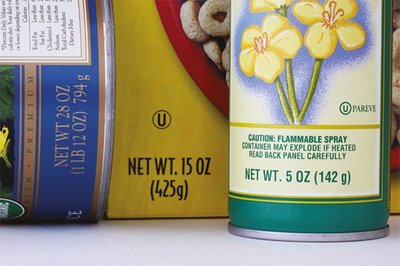
Mass is the measure of the amount of matter in an object. The SI unit is the kilogram (kg), but chemists often use grams (g). Useful conversions:
1 kg = 1000 g
1 kg = 2.20 lb
454 g = 1 lb
Temperature
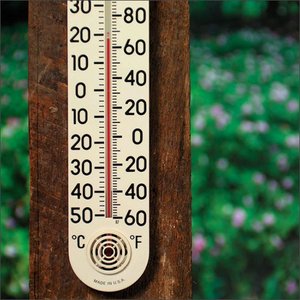
Temperature measures how hot or cold an object is. The Celsius (°C) scale is commonly used, while the Kelvin (K) scale is the SI standard. Water freezes at 0°C (32°F) and boils at 100°C (212°F). The Kelvin scale starts at absolute zero (0 K).
Time
Time is measured in seconds (s) in both metric and SI systems. Accurate time measurement is essential in experiments and clinical settings.

Measured Numbers and Significant Figures
Measured vs. Exact Numbers
Measured numbers are obtained using measuring tools and have a degree of uncertainty. Exact numbers are obtained by counting or by definition and have no uncertainty.
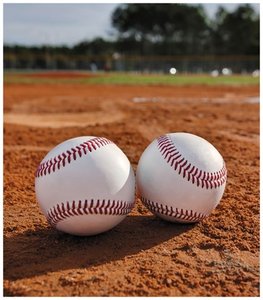
Example of exact: 2 baseballs, 1 ft = 12 in.
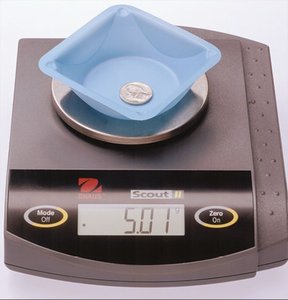
Example of measured: 5.01 g (from a balance)
Reporting Measurements and Significant Figures
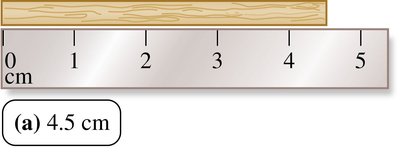
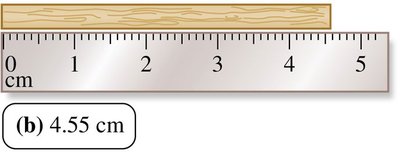
When reporting a measurement, include all certain digits plus one estimated digit. The number of significant figures (SFs) reflects the precision of the measurement.
All nonzero digits are significant.
Zeros between nonzero digits are significant.
Leading zeros are not significant.
Trailing zeros in a decimal number are significant.
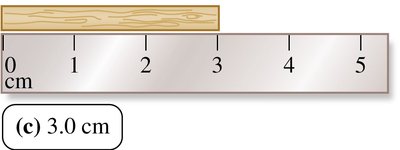

Counting Significant Figures
Apply the rules for significant figures to determine the precision of a measurement. For example:
38.15 cm (4 SFs)
0.0702 lb (3 SFs)
44,000 km (2 SFs)

Significant Figures in Calculations
Rounding Off
When performing calculations, round the final answer to the correct number of significant figures:
If the first digit to be dropped is 4 or less, drop it and all following digits.
If the first digit to be dropped is 5 or greater, increase the last retained digit by 1.
Multiplication and Division
For multiplication and division, the answer should have the same number of significant figures as the measurement with the fewest SFs.
Example: (rounded to 2 SFs)

Addition and Subtraction
For addition and subtraction, the answer should have the same number of decimal places as the measurement with the fewest decimal places.
Example: (rounded to the tenths place)
Prefixes and Equalities
Metric Prefixes
Prefixes are used to express multiples or fractions of units in the metric system. Each prefix represents a power of ten.
kilo- (k):
centi- (c):
milli- (m):
micro- (μ):
nano- (n):
Equalities and Conversion Factors
An equality shows the relationship between two units that measure the same quantity. Each equality can be written as two conversion factors (fractions).
Example: can be written as or
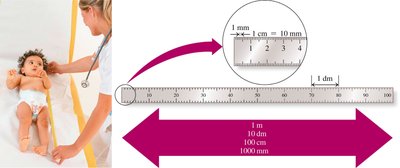
Problem Solving Using Unit Conversion
Unit Conversion Process
To convert from one unit to another, follow these steps:
Identify the given and needed units.
Write a plan to convert the given unit to the needed unit using conversion factors.
Set up the calculation so that units cancel appropriately.
Calculate and round the answer to the correct number of significant figures.

Density
Definition and Calculation
Density is the ratio of the mass of a substance to its volume. It is a physical property used to identify substances and assess purity.
Formula:
Units for solids/liquids: g/mL or g/cm3
Units for gases: g/L
Volume Displacement
The volume of an irregular solid can be determined by the amount of water it displaces. The density is then calculated using the measured mass and displaced volume.
Specific Gravity
Specific gravity is the ratio of the density of a substance to the density of water (1.00 g/mL at 4°C). It is a unitless quantity often used in clinical settings.
Summary Table: Common Units and Conversions
Quantity | Metric (SI) | U.S. | Metric–U.S. |
|---|---|---|---|
Length | 1 m = 100 cm | 1 yd = 3 ft | 1 in. = 2.54 cm (exact) |
Volume | 1 L = 1000 mL | 1 qt = 4 cups | 1 L = 1.06 qt |
Mass | 1 kg = 1000 g | 1 lb = 16 oz | 1 kg = 2.20 lb |
Time | 1 min = 60 s | 1 min = 60 s | — |
Additional info: This guide covers the foundational concepts of measurement, significant figures, unit conversions, and density, which are essential for success in GOB Chemistry and related health sciences.
