Ch.10 Proteins Workers of the Cell
Frost - General, Organic and Biological Chemistry 4th Edition
Frost4th EditionGeneral, Organic and Biological ChemistryISBN: 9780134988696Non è quello che usi tu?Cambia libro di testo
Capitolo 6, Problema 69b

Identify some differences between the following pairs:
b. complete and incomplete proteins

Guida verificata passo dopo passo
1
Understand the concept of proteins: Proteins are macromolecules made up of amino acids, which are essential for various biological functions in the body.
Define complete proteins: Complete proteins contain all nine essential amino acids that the human body cannot produce on its own. These are typically found in animal-based foods like meat, fish, eggs, and dairy products, as well as some plant-based sources like quinoa and soy.
Define incomplete proteins: Incomplete proteins lack one or more of the nine essential amino acids. These are commonly found in plant-based foods such as grains, nuts, seeds, and legumes.
Explain the significance of combining incomplete proteins: Incomplete proteins can be combined in a diet to provide all essential amino acids. For example, eating rice and beans together creates a complete protein profile.
Summarize the key difference: Complete proteins provide all essential amino acids in a single source, while incomplete proteins require combination with other foods to meet the body's amino acid needs.

Risposta video verificata per un problema simile:

Questa soluzione video è stata consigliata dai nostri tutor come utile per risolvere questo problema.
Durata del video:
4m

Concetti chiave

Ecco i concetti essenziali che devi comprendere per rispondere correttamente alla domanda.

Complete Proteins

Complete proteins are those that contain all nine essential amino acids required by the human body for proper functioning. These amino acids cannot be synthesized by the body and must be obtained through diet. Sources of complete proteins include animal products such as meat, fish, eggs, and dairy, as well as some plant-based sources like quinoa and soy.
Video consigliato:
Percorso guidato
00:47
Complete Ionic Equations

Incomplete Proteins

Incomplete proteins lack one or more of the essential amino acids, making them insufficient for meeting the body's protein needs on their own. They are typically found in plant-based foods such as beans, lentils, nuts, and grains. To achieve a complete amino acid profile, incomplete proteins can be combined with other protein sources, such as rice and beans.
Video consigliato:
Percorso guidato
2:01
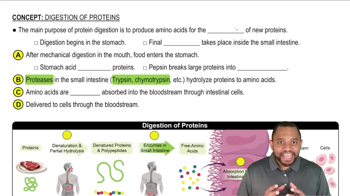
Digestion of Proteins Concept 1

Amino Acids

Amino acids are the building blocks of proteins and play a crucial role in various biological processes. There are 20 different amino acids, nine of which are classified as essential, meaning they must be obtained from food. The balance and availability of these amino acids in the diet are vital for growth, repair, and overall health.
Video consigliato:
Percorso guidato
3:03
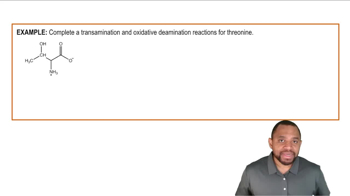
Amino Acid Catabolism: Amino Group Example 2