Ch.22 Carbohydrate Metabolism
McMurry - Fundamentals of General, Organic, and Biological Chemistry 8th Edition
McMurry8th EditionFundamentals of General, Organic, and Biological ChemistryISBN: 9780134015187Non è quello che usi tu?Cambia libro di testo
Capitolo 22, Problema 23b

Glucose 6-phosphate is in a pivotal position in metabolism. Depending on conditions, glucose 6-phosphate follows one of several pathways. Under what conditions do the following occur?
b. Hydrolysis to free glucose

Guida verificata passo dopo passo
1
Understand the role of glucose 6-phosphate: Glucose 6-phosphate is a phosphorylated glucose molecule that serves as an intermediate in various metabolic pathways, including glycolysis, gluconeogenesis, and the pentose phosphate pathway.
Recognize the process of hydrolysis: Hydrolysis is a chemical reaction where a water molecule is used to break a bond. In this case, the phosphate group is removed from glucose 6-phosphate, resulting in free glucose and inorganic phosphate.
Identify the conditions for hydrolysis to free glucose: Hydrolysis of glucose 6-phosphate to free glucose typically occurs in the liver and kidneys. This process is catalyzed by the enzyme glucose-6-phosphatase, which is present in these organs.
Relate to physiological conditions: The hydrolysis to free glucose occurs when the body needs to maintain blood glucose levels, such as during fasting or between meals. This is part of the gluconeogenesis or glycogenolysis pathways, where glucose is released into the bloodstream to provide energy to other tissues.
Summarize the key point: Hydrolysis of glucose 6-phosphate to free glucose occurs under conditions where the body requires glucose to be released into the bloodstream, such as during low blood sugar levels or energy demand, and is facilitated by the enzyme glucose-6-phosphatase in specific tissues.

Risposta video verificata per un problema simile:

Questa soluzione video è stata consigliata dai nostri tutor come utile per risolvere questo problema.
Durata del video:
6m

Concetti chiave

Ecco i concetti essenziali che devi comprendere per rispondere correttamente alla domanda.

Glucose 6-Phosphate Metabolism

Glucose 6-phosphate (G6P) is a key intermediate in several metabolic pathways, including glycolysis and the pentose phosphate pathway. It can be converted into glucose through hydrolysis, which is essential for maintaining blood sugar levels. Understanding the role of G6P in metabolism helps clarify how the body regulates energy production and storage.
Video consigliato:
Percorso guidato
2:07
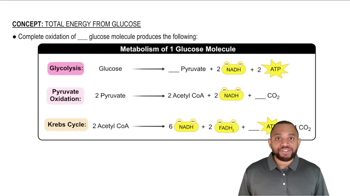
Total Energy From Glucose Concept 1

Conditions for Hydrolysis

The hydrolysis of glucose 6-phosphate to free glucose primarily occurs in the liver and is stimulated by the hormone glucagon during fasting or low blood sugar conditions. This process is facilitated by the enzyme glucose-6-phosphatase, which is present in the liver but absent in most other tissues, allowing the liver to release glucose into the bloodstream when needed.
Video consigliato:
Percorso guidato
1:07
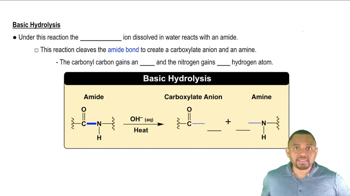
Basic Hydrolysis Concept 2

Hormonal Regulation

Hormonal regulation plays a crucial role in determining the fate of glucose 6-phosphate. Insulin promotes the conversion of glucose to G6P for storage as glycogen, while glucagon and epinephrine stimulate its hydrolysis to free glucose during periods of energy demand. This balance between hormones ensures that glucose levels remain stable in the body.
Video consigliato:
Percorso guidato
2:57
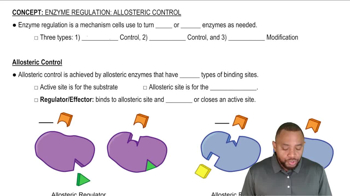
Allosteric Control Concept 1