Ch.26 Nucleic Acids and Protein Synthesis
McMurry - Fundamentals of General, Organic, and Biological Chemistry 8th Edition
McMurry8th EditionFundamentals of General, Organic, and Biological ChemistryISBN: 9780134015187Non è quello che usi tu?Cambia libro di testo
Capitolo 26, Problema 30

What genetic information does a single gene contain?

Guida verificata passo dopo passo
1
A single gene contains the instructions for synthesizing a specific protein or RNA molecule. These instructions are encoded in the sequence of nucleotides (adenine, thymine, cytosine, and guanine) within the DNA.
The gene's sequence is divided into coding regions (exons) and non-coding regions (introns). The exons are the parts of the gene that are ultimately translated into a protein.
The genetic information in a gene is transcribed into messenger RNA (mRNA) during the process of transcription. This involves copying the DNA sequence of the gene into a complementary RNA sequence.
The mRNA sequence is then translated into a specific sequence of amino acids during the process of translation. This sequence of amino acids forms a protein, which performs a specific function in the cell.
In summary, a single gene contains the blueprint for producing a specific protein or functional RNA, which is essential for the structure and function of living organisms.

Risposta video verificata per un problema simile:

Questa soluzione video è stata consigliata dai nostri tutor come utile per risolvere questo problema.
Durata del video:
1m

Concetti chiave

Ecco i concetti essenziali che devi comprendere per rispondere correttamente alla domanda.

Gene Structure

A gene is a segment of DNA that contains the instructions for building proteins, which are essential for the structure and function of cells. Each gene consists of sequences of nucleotides, which are the building blocks of DNA. The specific order of these nucleotides determines the genetic code, influencing traits and biological processes.
Video consigliato:
Percorso guidato
1:01
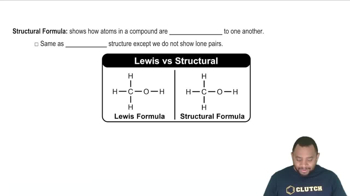
Structural Formula Concept 2

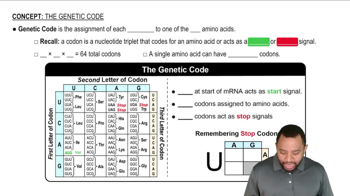
Genetic Code

The genetic code is a set of rules that defines how the information encoded in a gene is translated into proteins. It consists of codons, which are sequences of three nucleotides that correspond to specific amino acids. This code is universal across most organisms, allowing for the translation of genetic information into functional proteins.
Video consigliato:
Percorso guidato
03:25
The Genetic Code Concept 1

Gene Expression

Gene expression is the process by which the information in a gene is used to synthesize a functional gene product, typically a protein. This process involves two main steps: transcription, where the DNA sequence is copied into messenger RNA (mRNA), and translation, where the mRNA is read by ribosomes to assemble amino acids into a protein. Regulation of gene expression is crucial for cellular function and adaptation.
Video consigliato:
Percorso guidato
1:30
Introduction to Translation Example 1